Te Wairere Falls
Bay of Plenty, Whakatāne
Opening hook
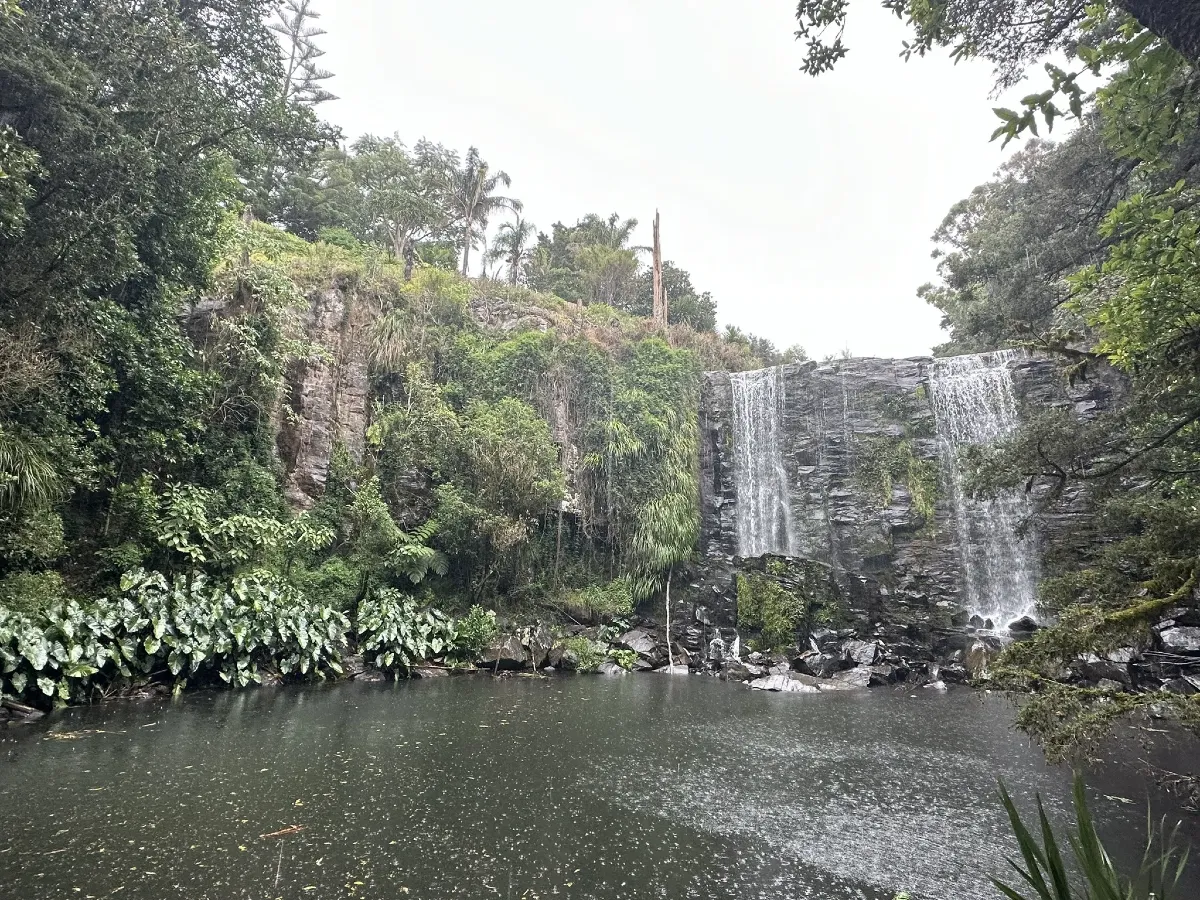
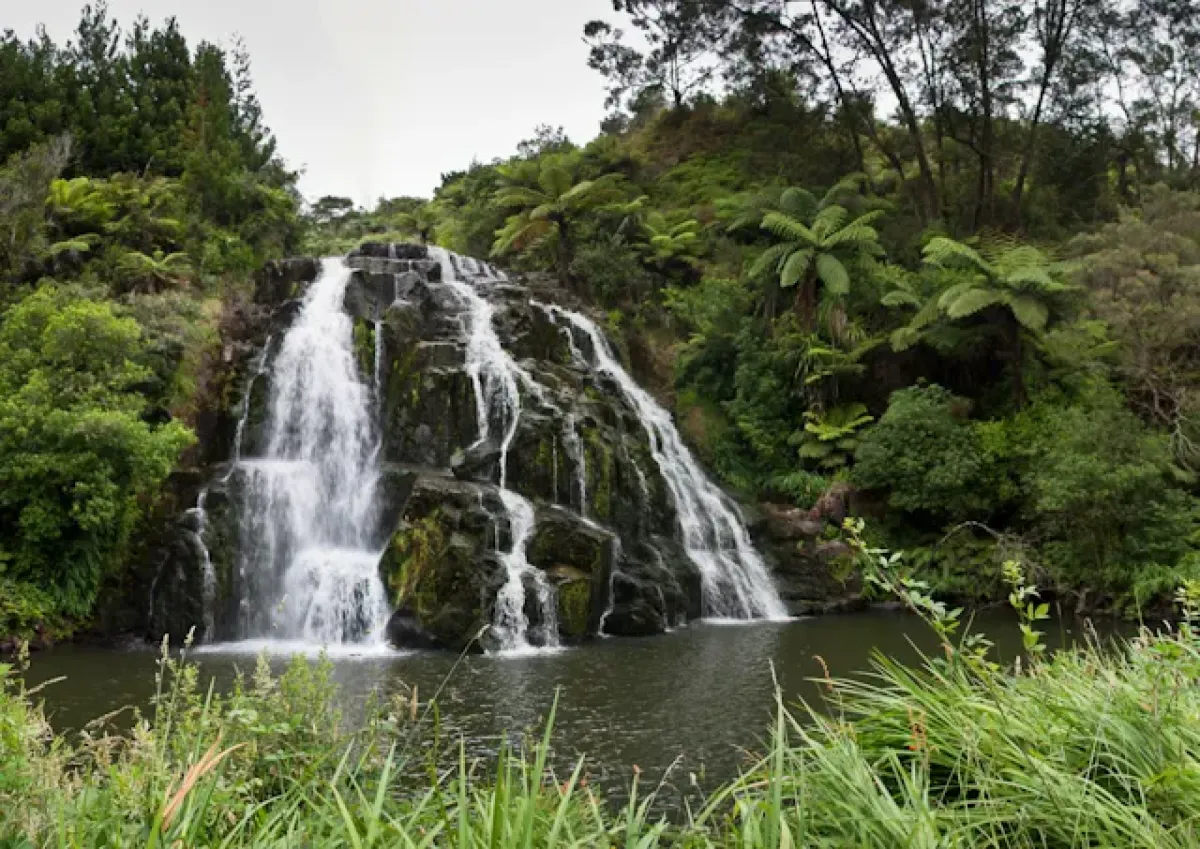
Te Wairere Falls is one of those places that feels like a hidden courtyard in the heart of town. Tucked behind Whakatāne, the waterfall drops through a narrow, fern‑filled ravine that suddenly muffles the traffic and turns the experience into a quiet bush pause. It’s not a towering cascade, but it is a place with genuine depth, both in terms of landscape and story.
Because the falls are so close to the town centre, they work well as a short, reflective stop rather than a full‑day hike. Whether you’re passing through Whakatāne on the way to the coast or using the town as a base for exploring the Bay of Plenty, Te Wairere Falls is the kind of place that gives you a moment of green coolness without asking for much planning.
What to See & Do
The main attraction is the falls themselves, which tumble down a small, rocky face into a dark, shaded pool. The cascade is framed by ferns, moss and native trees, and the short walk in from the town side means you can be standing in front of the falls within a few minutes. The path is mostly dirt and gravel, with some steps and roots, so it’s a light but proper walk rather than a paved promenade.
Because the area is small, the most rewarding approach is to slow down rather than speed through. You can pause at the main viewing point, listen to the water, and take in the way the light filters through the canopy. Families will appreciate that the walk is short and not too steep, making it suitable for a relaxed outing. If you’re photographing, early morning or late afternoon light adds softness to the greenery, and the damp rock and moss make for rich, textured close‑ups.
- Walk the short track from the town side to the main viewing area.
- Take time to listen to the water and enjoy the cool, shaded atmosphere.
- Respect the narrow ravine by staying on the marked path.
- Use the falls as a quiet add‑on to a larger Whakatāne day out.
History & Significance
Te Wairere Falls has been important to the area for generations. Local historical sources note that the Wairere stream was a key water source for Ngāti Awa living at Te Whare o Toroa pā, and that the falls were one of the landmarks used by Toroa, captain of the Mataatua waka, in his search for the place that would become Whakatāne. That gives the site a strong cultural foundation beyond its scenic value.
In the colonial era, the falls became part of the town’s practical infrastructure. A flax mill and later a flour mill were built at the site, using the waterpower from the falls, and the stream continued to supply drinking water to Whakatāne until 1924. The area then entered a quieter phase, and the falls were declared a scenic reserve in 1971, protecting both the natural feature and the surrounding ravine. That mix of Māori and settler history is part of what makes the falls feel so layered in such a small space.
In many ways, Te Wairere Falls is a microhistory of Whakatāne: a place of water, culture, and working‑class industry written into a single short valley.
Practical Visitor Information
There is no entry fee, and the area is generally open 24 hours, although daylight access is recommended for safety and comfort. The short walking track is effectively the only way to reach the main viewpoint, and the route is mostly flat to gently sloping with some steps and roots. The path can be slippery after rain, so sturdy shoes are a good idea.
The falls are best suited to casual walkers and families. The area is not fully wheelchair‑accessible because of the uneven and somewhat narrow path, but it does allow for an easy‑moderate stroll that doesn’t demand a lot of energy. Because the ravine is narrow and the history is sensitive, it’s important to stay on the marked track and avoid venturing off‑path or close to the water’s edge. The space is also best treated as a quiet, reflective stop rather than a party or picnic zone.
- Entry: free.
- Access: short, easy track from the town side.
- Difficulty: easy to moderate, depending on conditions.
- Facilities: basic; no formal visitor centre at the falls itself.
- Safety: watch for slippery surfaces and stay on the path.
Getting There
Te Wairere Falls is accessed from Whakatāne town centre, with the main walking track starting on the riverside side of the township. The falls are close to the Warren Cole Walkway, which runs along the Whakatāne River and connects several town‑centre points, including the visitor information centre and the riverfront promenade. That makes it easy to combine the falls with a riverside stroll or a short break in the town.
From the main street side, the walk into the ravine is short enough that you can treat it like a side‑trip rather than a destination‑only outing. If you’re driving, you can park in the town centre and walk along the riverside path before branching off toward the falls access. Because Whakatāne is a gateway to the wider Bay of Plenty coast and the Te Urewera area, the falls are a convenient way to add a bit of greenery and history to an otherwise coastal‑focused day.
Tips for Visitors
Wear comfortable shoes with good grip, because the ground can be damp and uneven, even when the weather is fine. Go after a decent rain if you want the most dramatic flow, but be extra cautious on the path if it’s slick. If you’re visiting with children, keep them close, especially near the steps and the edge of the falls, and remind them that this is a place of respect as much as scenery.
Consider timing your visit for early morning or late afternoon when the light is softer and the area is quieter. Because the ravine is narrow, the falls can feel crowded if several people are in the same space, so a slower, more respectful pace suits the atmosphere better. Bring a camera or phone for photos, but also take a few minutes to just listen and breathe: the contrast between the rushing water and the town noises just beyond the ridge is one of the experience’s quiet pleasures.
Nearby Attractions
Whakatāne town centre is the obvious nearby base, with cafes, the visitor information centre and the Warren Cole Walkway offering easy riverside access. The Whakatāne River itself is a strong backdrop for a relaxing day, and the town’s reputation as a kiwi‑capital setting gives you other nearby walks and nocturnal experiences to explore.
Mokorua Bush Scenic Reserve is another nearby option if you want a longer, more immersive bush walk with native birds. Combined with the short stop at Te Wairere Falls, these sites give you a balanced mix of town and forest, history and wildlife, in a compact part of the Bay of Plenty. For a relaxed day, you can start with the falls, then move on to lunch and a riverside stroll, wrapping up with a short bush or coastal walk later in the afternoon.
Accessibility
The main access walk is short and mostly level, making it suitable for most ages and mobility levels, including families with children. However, the path can be narrow and uneven in places, and the ravine environment means it is not fully wheelchair‑accessible. The area is also confined, so supervision of children is important, especially near the water and steps. The falls are best treated as a light‑activity stop rather than a high‑mobility‑requirement hike.
Opening Hours
Open 24 hours as a natural urban‑fringe attraction, but daylight access is recommended for safety and the best experience. No formal seasonal opening‑hours information available; check local council or visitor centre notices for any temporary closures.
Related Attractions
Written by
AdminApr 25, 2026