Fruit Trees for Small NZ Gardens
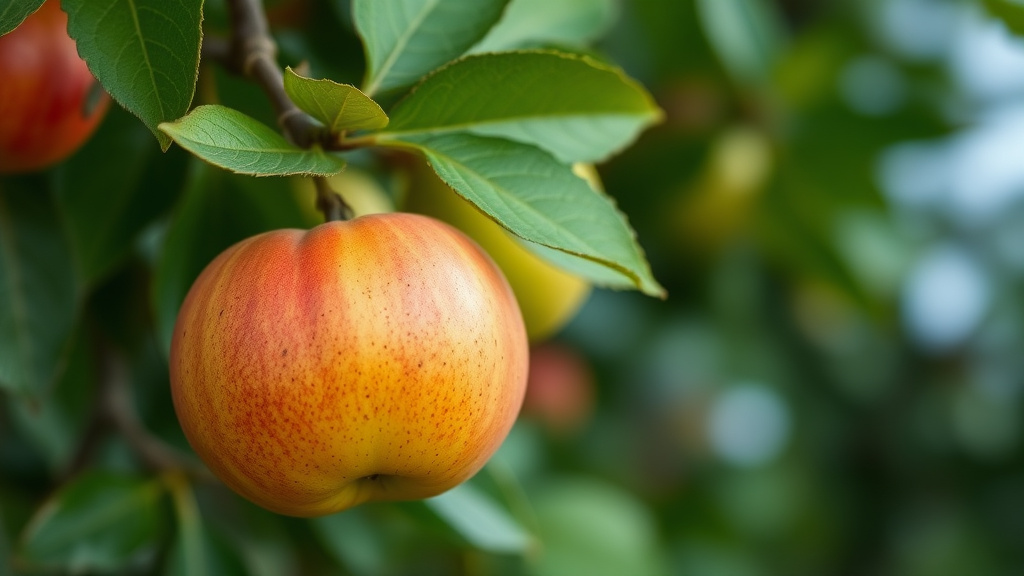
Imagine plucking fresh, sun-ripened apples or lemons right from your own backyard, even if you've only got a tiny section or balcony in Auckland, Wellington, or Christchurch. For Kiwis with small NZ g...
Tom covers travel, lifestyle, and cost-of-living topics across New Zealand. He writes practical guides on transport, day trips, outdoor activities, and everyday life in Aotearoa.
Imagine plucking fresh, sun-ripened apples or lemons right from your own backyard, even if you've only got a tiny section or balcony in Auckland, Wellington, or Christchurch. For Kiwis with small NZ gardens, growing your own fruit has never been easier thanks to compact dwarf varieties and clever training methods that fit perfectly into urban spaces.
Whether you're a first-time gardener in a townhouse or looking to maximise a compact backyard, fruit trees for small NZ gardens deliver big rewards without taking over. These space-savers produce delicious homegrown fruit while adding year-round beauty and even boosting your property's appeal. In this guide, we'll cover the best varieties, planting tips tailored to our diverse climates, and essential care to get you harvesting in no time.
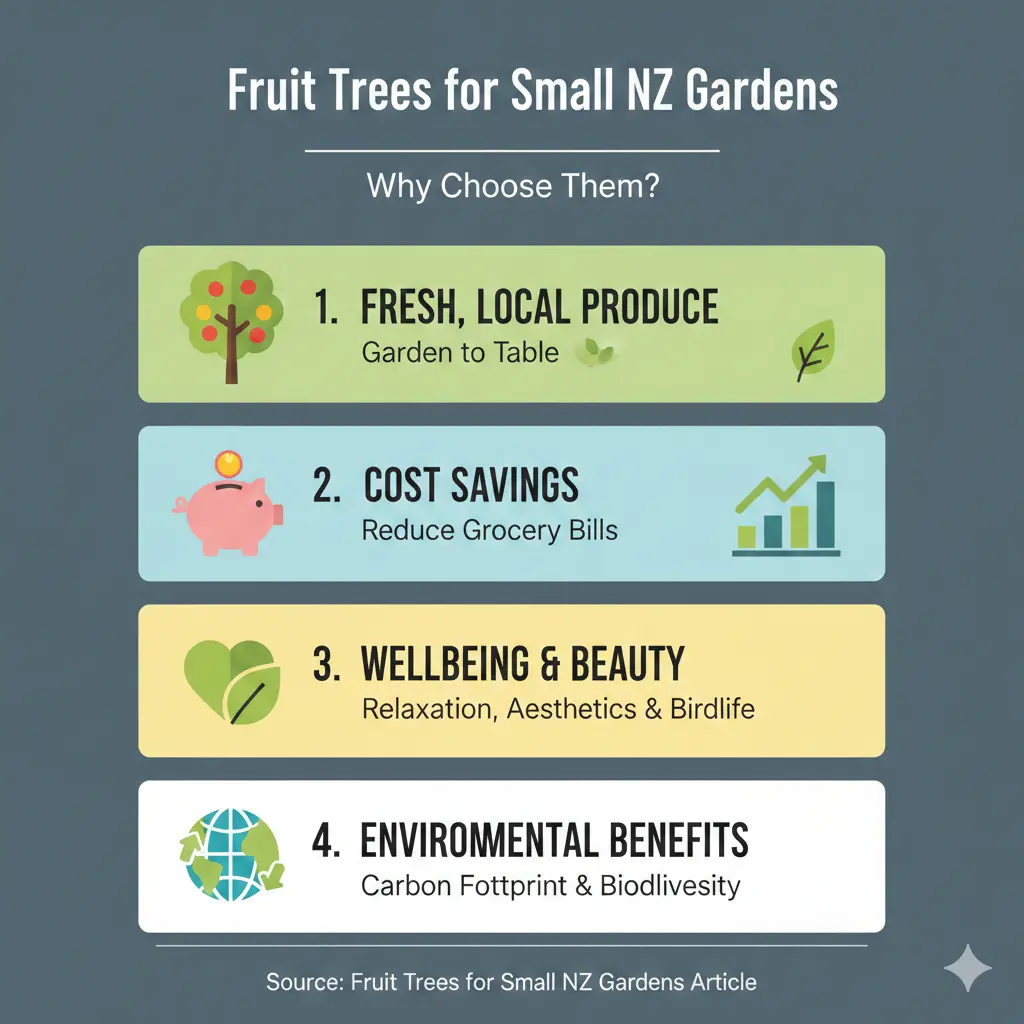
Why Choose Fruit Trees for Small NZ Gardens?
Small gardens don't mean skimping on fresh produce. Dwarf and semi-dwarf fruit trees are bred to stay compact—typically 2-4 metres tall—while yielding plenty of fruit. They're ideal for pots, patios, or squeezed along fences, making them perfect for Kiwi lifestyles where sections are shrinking. Espalier trees, trained flat against walls, take up almost no ground space and create a stunning edible feature.
Plus, homegrown fruit tastes unbeatable and saves money at the checkout. In 2026, with rising food prices, picking your own plums or lemons means fresher eats and less waste. These trees also attract pollinators like bees, supporting local biodiversity right in your backyard.
Benefits of Dwarf and Compact Varieties
- Space-efficient: Grow in containers or small plots without sprawling branches.
- Faster fruiting: Many bear crops in 1-3 years, compared to 5+ for standard trees.
- Easier care: Lower heights make pruning and harvesting a breeze—no ladders needed.
- Climate-smart: Varieties suited to NZ's North and South Island conditions, from subtropical citrus to chill-loving stonefruit.
Best Fruit Trees for Small NZ Gardens
Selecting the right tree starts with your space, climate, and tastes. North Island warmth suits citrus and feijoas, while South Island chill hours favour apples and pears. Always check self-fertile options to avoid needing pollinators. Here's our top picks for small spaces in 2026.
Dwarf Apples and Pears
Apples thrive nationwide, with dwarf varieties like 'Liberty' reaching just 3m tall and 2.5m wide. This self-pollinating beauty produces crisp, sweet-tart fruit in autumn—perfect for fresh eating. Plant between May and September; expect fruit in 2-4 years.
Pears, like compact 'Nashi' types, also suit small gardens and grow well throughout NZ. Best planted May-September, they fruit in 2-4 years.
Citrus Stars: Lemons and Limes
Lemons are a Kiwi must-have for small spaces—they're compact, pot-friendly, and produce year-round in mild climates. Plant March-May or August-November anywhere in NZ; harvest in 2-4 years. Limes follow suit, thriving in containers with the same planting window.
Stonefruit for Sunny Spots
Dwarf peaches like 'Redhaven' and plums such as 'Billington' or 'Black Doris' deliver juicy summer hauls. Peaches suit warm, dry areas like Central Otago or Marlborough (plant June-August), fruiting in 1-3 years. Plums grow nationwide (June-August, extend to September in Canterbury/Otago), ready in 2-4 years.
Apricots like 'Harcot' need chill hours—plant May-August in warmer spots, avoiding mid-winter on the South Island.
Other Compact Gems
- Feijoas: Super hardy, evergreen, and self-fertile; great for pots or hedges. Fruits autumn.
- Tamarillos ('Tango'): Fast-growing to 2-3m, red fruit late autumn-early spring in frost-free spots.
- Raspberries: Not trees, but bushy and pot-perfect; plant May-November, fruit in one year.
- Ballerina apples: Super-slim columnar shape for narrow spots or patios.
Planting Fruit Trees in Small NZ Gardens
Timing is key: Winter (June-August) is prime for deciduous trees when dormant and soils are moist. Citrus go in March-May or August-November.
Step-by-Step Planting Guide
- Choose your spot: Full sun (6+ hours daily), sheltered from harsh winds. Check labels for spacing—dwarfs need 2-3m.
- Prep the soil: Dig a hole twice the root ball's size. Mix in compost, sheep pellets, or fruit tree fertiliser for nutrients.
- Plant smart: Soak roots in seaweed tonic, loosen the ball, plant at original depth. Stake if needed.
- Container tips: Use large pots (50L+) with good drainage. Top with citrus/fruit mix.
For espaliers, train young branches along wires on a sunny wall—ideal for townhouses.
Caring for Your Small-Garden Fruit Trees
Success comes from consistent basics: water, feed, prune, and protect.
Watering and Fertilising
Keep soil moist but not waterlogged, especially in summer. Mulch to retain moisture. Fertilise spring-summer with fruit tree or citrus blends—boosts growth and pest resistance.
Pruning and Training
Prune winter for shape and airflow: remove deadwood, thin crowded branches. Espaliers need yearly wiring. This keeps trees compact and productive.
Pest and Disease Control
Watch for codlin moth (apples) or curly leaf (stonefruit). Use organic sprays like neem oil, and encourage birds with feeders. Healthy trees resist better. Check MPI guidelines for any regional rules on fruit fly or biosecurity.
Overwintering in Colder Areas
South Island growers: Protect young trees from frosts with fleece. Citrus need indoor moves if below 0°C.
Common Challenges and Pro Tips
Poor fruit set? Ensure pollination—plant pairs if not self-fertile. Yellow leaves? Test soil pH (most fruits like 6-7); add lime if acidic. For small spaces, vertical gardening with espaliers or pots on stands maximises light.
Pro tip: Join local groups like Edible Backyard for NZ-specific advice and coaching. Buy certified stock from reputable nurseries to avoid diseases.
FAQ
Can I grow fruit trees in pots in NZ?
Absolutely—dwarf citrus, apples, and plums thrive in 50L+ pots with good drainage. Repot every 2-3 years.
What's the best time to plant fruit trees for small NZ gardens?
June-August for deciduous nationwide; adjust for citrus and region.
Do dwarf trees produce as much fruit as full-size ones?
Yes, proportionally—they're precocious and yield well from young age, though total volume is smaller.
Are there any fruit trees that fruit year-round?
Lemons and some citrus can produce almost continuously in mild NZ climates.
How do I know if a tree needs a pollinator?
Check labels: Self-fertile like 'Liberty' apple don't; many plums do.
What's the easiest fruit tree for beginners in small spaces?
Lemons or feijoas—hardy, low-maintenance, and pot-friendly.
Next Steps to Your Own Mini-Orchard
Head to your local garden centre this winter for dormant stock—check Palmers or The Plant Company for dwarfs. Start with 1-2 trees: a lemon in a pot and an espalier apple. Track progress in a garden journal, and connect with Kiwi growers via forums or apps. Before long, you'll be sharing surplus fruit with neighbours. Happy planting—your small NZ garden is about to burst with flavour!