Raised Garden Beds NZ: DIY and Buying Guide
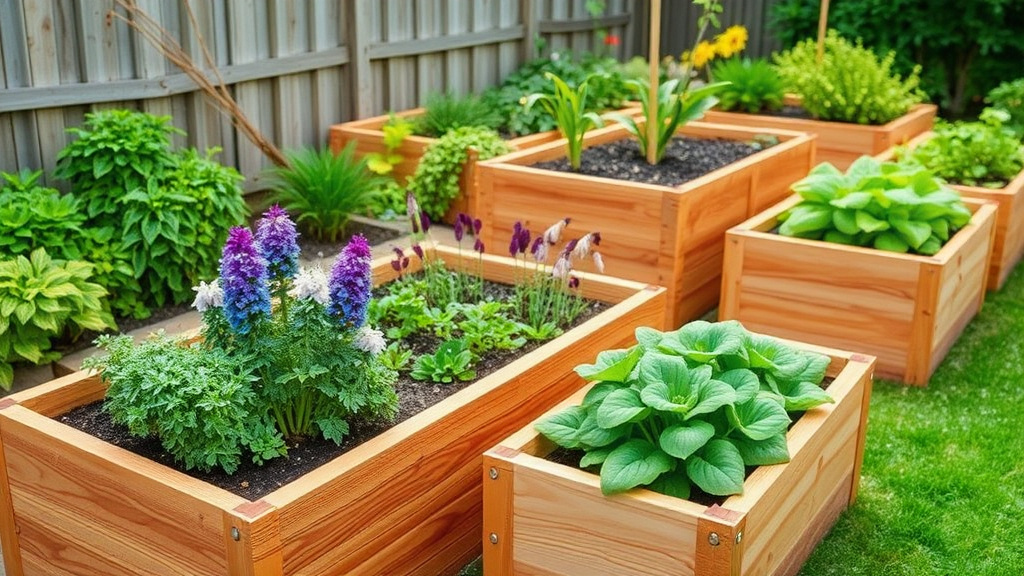
Imagine sinking your hands into rich, loamy soil right in your own backyard, harvesting fresh kai straight from plants you've nurtured yourself—no more pricey supermarket veggies or battling our trick...
The Lifetimes NZ editorial team curates, fact-checks, and updates guides on personal finance, property, health, immigration, legal, business, and lifestyle topics relevant to Lifetimes NZ readers. Articles are produced with AI assistance and reviewed by the editorial team before publication.
Imagine sinking your hands into rich, loamy soil right in your own backyard, harvesting fresh kai straight from plants you've nurtured yourself—no more pricey supermarket veggies or battling our tricky NZ clay. Raised garden beds make this a reality for Kiwis everywhere, from sunny Auckland suburbs to windy Wellington hillsides. Whether you're a total beginner or looking to level up your garden game, this guide covers everything you need to know about **raised garden beds NZ**: from DIY builds using local timber to smart buying options that save your back and boost your harvest.
Why Choose Raised Garden Beds in New Zealand?
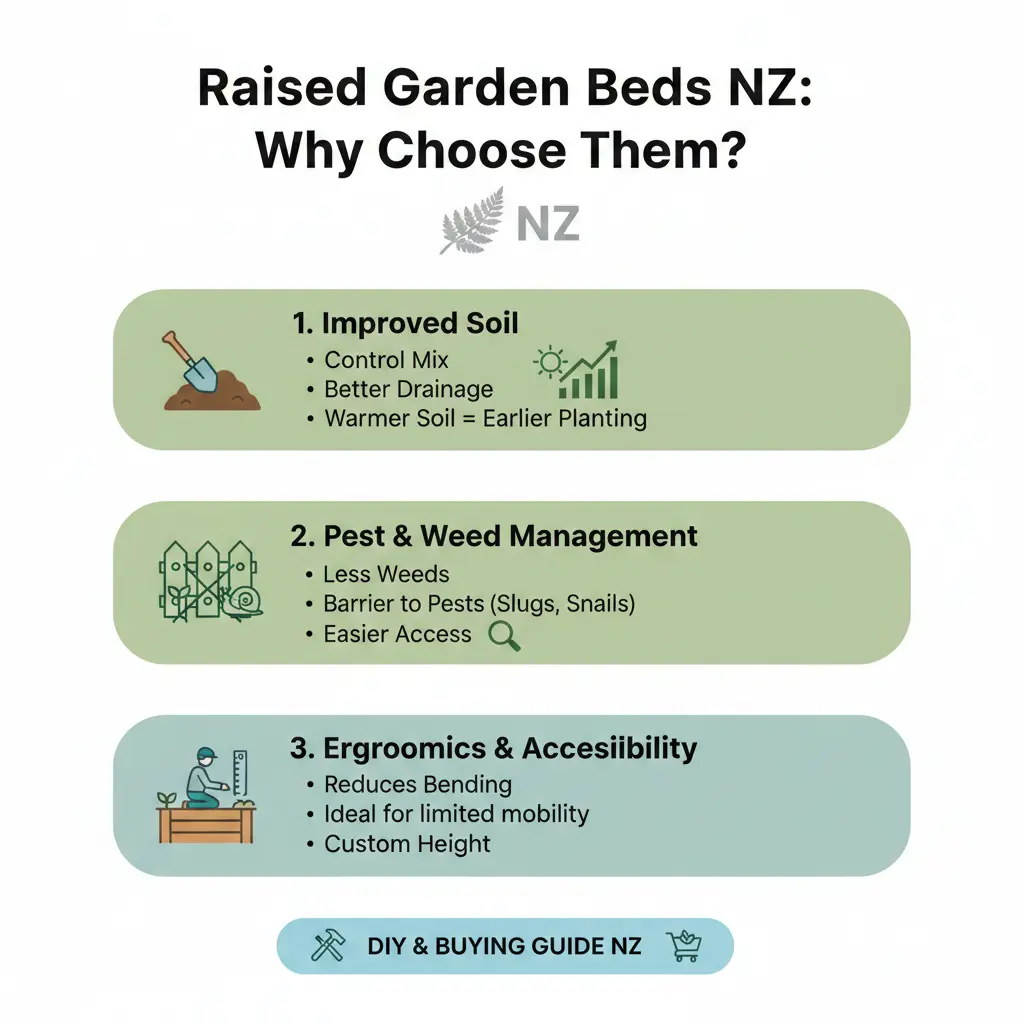
Raised garden beds are booming in popularity across Aotearoa as backyards shrink and grocery bills climb. They lift your growing space above ground level, giving you full control over soil quality—perfect for our often rocky, clay-heavy or waterlogged native soils. You'll enjoy warmer soil for faster growth, superior drainage to prevent root rot, fewer weeds, and easier access that spares your knees and back.
Here are the top benefits tailored to Kiwi lifestyles:
- Better drainage and soil control: No more fighting poor native ground—fill with premium mix for thriving veggies.
- Weed suppression: Lined bases keep grass and invasives at bay.
- Ergonomic design: Custom heights mean less bending, ideal for gardeners with mobility needs or families.
- Versatility: Build on grass, concrete, or pavers anywhere in your section.
- Higher yields: Intensive planting in neat beds maximises space for year-round crops.
With NZ's variable climate—from frosty Southland winters to humid Northland summers—raised beds warm up quicker in spring and retain heat longer into autumn, extending your growing season.
DIY Raised Garden Beds: Step-by-Step Guide for Kiwis
Building your own raised garden bed is straightforward, affordable, and satisfying. Expect to spend $100–300 on materials from places like Bunnings or Mitre 10, depending on size. Aim for a beginner-friendly size: 1.2m wide x 2.4m long so you can reach the centre without stepping in.
Choosing the Perfect Spot
Pick a level, north-facing site with at least 6–8 hours of sunlight daily, sheltered from harsh winds and close to your tap and kitchen. Avoid frost pockets in cooler regions like Canterbury. For multiple beds, leave 50–60cm walkways between them. Sketch a plan to rotate crops—tomatoes one season, leafy greens the next—to maintain soil health.
Select Safe, Durable Materials
Opt for food-safe timbers: untreated macrocarpa (naturally rot-resistant and chemical-free) or H4 treated pine for longevity. Use at least 50mm thick timber or 200mm sleepers for beds lasting 10+ years. Avoid CCA-treated wood near edibles. Secure with galvanised screws, brackets, or corner pegs hammered 50mm into the ground.
Pro tip: Stack two 200mm macrocarpa sleepers for a 400mm deep bed—great drainage and comfy working height.
Construction Steps
- Prep the site: Deturf with a spade, then smother grass with cardboard or tarpaulin for 6 weeks. Layer weed mat or more cardboard at the base.
- Assemble the frame: Lay out your timbers square, drill pilot holes, and secure with coach screws and washers. Add corner pegs for stability.
- Line it: Geotextile fabric or weed mat inside to contain soil.
- Fill 'er up: See soil mix below.
Ideal Soil Mix and Filling
Don't skimp here—great soil means bumper crops. For a standard bed, use:
- 50% topsoil (sterile, from your nursery)
- 30% compost (homemade, mushroom, or sheep pellets)
- 20% organic extras like bark fines, hay, or sand for drainage.
For deeper beds (>300mm), layer the bottom with cardboard, leaves, or old wood to save costs, then top with soil. Water thoroughly after filling to settle.
Depth Guide for Common NZ Crops
| Crop Type | Minimum Depth | Examples |
|---|---|---|
| Shallow-rooted | 150mm | Lettuces, herbs, radishes |
| Root veggies | 300mm | Carrots, beetroot, potatoes |
| Climbers | 450mm+ | Tomatoes, cucumbers, zucchini |
Buying Raised Garden Beds: Best Options in NZ (2026)
Short on time or tools? Ready-made beds are a smart buy, starting at $79 for stackables. Look for modular designs that expand as your green thumb grows.
Top Picks from Kiwi Retailers
- Trade Tested Stackable Wooden Beds ($79+): Untreated macrocarpa, 74cm high when stacked. Five configs, easy hinges—perfect for renters.
- Plankville Timber Planters: Eco-friendly treated pine, pre-made for instant setup. Tough for NZ weather.
- Greenhouse Kits with Irrigation: Macrocarpa frames, polycarbonate roofs, auto-watering—ideal for year-round growing in smaller spaces (from $500+).
Shop at Palmers, Trade Tested, or online specialists like Birdies Garden Products. Check for warranties (5–10 years) and delivery to your region—many offer island-wide shipping in 2026.
Cost Comparison: DIY vs Buy
| Option | Cost (1.2x2.4m bed) | Pros | Cons |
|---|---|---|---|
| DIY Macrocarpa | $150–250 | Custom, cheapest long-term | Time and tools needed |
| Pre-made Stackable | $200–400 | Quick setup, modular | Less customisable |
| Premium Kit | $500+ | Irrigation, greenhouse add-ons | Higher upfront cost |
Planting and Maintenance Tips for Thriving Beds
Seasonal Planting in NZ
North Island? Sow tomatoes and beans in September. South Island? Wait till October for frost-tender crops. Use intensive spacing: plant closer in raised beds to shade soil and deter weeds.
Watering, Mulching, and Care
- Water deeply but less often—beds dry faster. Mulch with bark or straw in summer.
- Fertilise with organics like worm castings or seaweed every 4–6 weeks.
- Rotate crops annually to prevent pests and nutrient depletion.
- Consider self-watering wicking beds for holidays.
Local resources: Kings Plant Barn for soils, or Otaki Polytech's free gardening workshops (check govt.nz for community grants via your council).
FAQ: Raised Garden Beds NZ
What do I put on the bottom of a raised garden bed?
Cardboard, weed mat, or compostables like leaves for low beds; full soil for shallow ones under 300mm.
How deep should a raised garden bed be for vegetables?
150–450mm depending on crops: shallow for herbs, deeper for roots and climbers.
Can I build on grass?
Yes—smother with cardboard first, then add weed barrier. Kills grass in 6 weeks.
Are treated pine sleepers safe for edibles?
H4 treated pine is safe if labelled food-safe; prefer untreated macrocarpa.
What's the best soil mix?
50% topsoil, 30% compost, 20% organics for free-draining, nutrient-rich results.
Do raised beds need full sun?
At least 6 hours; north-facing is ideal in NZ.
Next Steps: Get Growing Today
Grab your spade, measure your section, and start small—one or two beds to build confidence. Source materials from local suppliers, fill with quality soil, and plant easy wins like lettuce or silverbeet. In weeks, you'll taste the difference. Happy gardening, Kiwis—your backyard harvest awaits!