Australian Biometrics and Health Checks for New Zealanders 2026
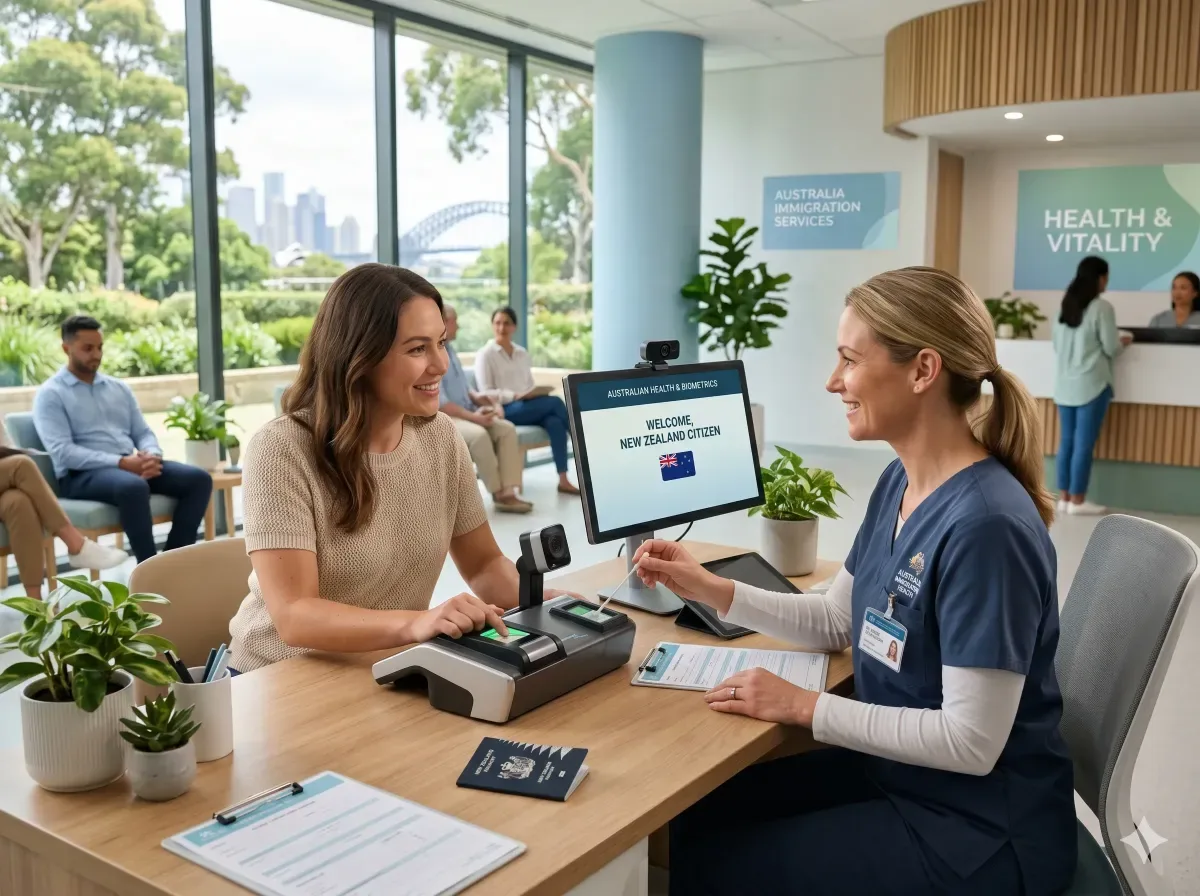
Planning a move across the ditch to Australia in 2026? As a Kiwi, you'll want to know exactly what Australian biometrics and health checks apply to your visa application. While our special relationshi...
Priya writes about immigration pathways, job searching, and building a career in New Zealand. She covers visa options, CV writing, interview preparation, and workplace culture for newcomers and locals alike.
Planning a move across the ditch to Australia in 2026? As a Kiwi, you'll want to know exactly what Australian biometrics and health checks apply to your visa application. While our special relationship means some exemptions, new rules effective from January 2026 could still catch you out—here's your straightforward guide to navigating it all smoothly.
Why Biometrics and Health Checks Matter for Kiwis Heading to Australia
Australia's visa system uses biometrics—like fingerprints and facial scans—and health examinations to verify identities, prevent fraud, and protect public health. These checks help keep borders secure and ensure applicants don't pose health risks.[1][8] For New Zealanders, the good news is we're often exempt from biometrics, but health requirements have been clarified under the Migration (Specification of Required Medical Assessment) Instrument 2025, which kicked in on 15 January 2026.[2]
This update standardises when you need checks, listing specific visa subclasses that trigger them automatically, plus extra tests for things like recent stays in high-risk countries or declared conditions.[2] It's designed for transparency, but experts note it might mean more case-by-case reviews, potentially slowing things down if your travel history is complex.[2]
Key Changes in 2026 You Need to Know
- Standardised triggers: Certain visas now automatically require health exams, reducing guesswork.[2]
- Panel physicians list: A consolidated directory of approved doctors in Australia and overseas makes booking easier.[2]
- Validity periods: Health results are typically valid for 12 months, so time them right to avoid repeats.[7]
If you're applying from New Zealand, check the Australian Embassy in Wellington's resources first—they're your go-to for local advice.[4]
Biometrics for New Zealanders: Are You Exempt?
Great news for Kiwis: holders of New Zealand passports are generally excluded from Australia's biometric program.[1] This means no need for fingerprints or photos at a collection centre for most applications.[1][4]
Exemptions also cover permanent residents of Australia, some electronic visas like eVisitor, APEC Business Travel Card holders, and applicants already in Australia.[1] The program targets fraud prevention, identity verification, and security—biometrics help screen for criminal histories and keep communities safe.[1]
When Might Kiwis Still Need Biometrics?
Rarely, but if your application falls outside standard exemptions (say, a unique visa subclass or group application), you might get a request via ImmiAccount.[4][5] The Australian Embassy in Wellington notes: "Visa applicants may be required to provide their biometric identifiers... If required, you will be contacted."[4]
If that happens:
- Find your nearest Australian Biometrics Collection Centre—there's likely one in Auckland or Wellington.[4]
- Book within 14 days of the request using VFS Global's site.[5]
- Bring your passport, the S257A biometrics letter (with VLN barcode), and appointment confirmation.[5]
Pro tip: If you can't attend, upload a written explanation to your ImmiAccount.[4] No power banks or laptops inside—leave them with a mate outside.[5]
Health Checks: What New Zealanders Must Do in 2026
Unlike biometrics, health requirements apply more broadly. Most permanent or provisional visa applicants need exams to prove they meet Australia's standards—no active TB, no conditions overloading public health costs (over AUD 51,000 in some cases), and overall good health.[8][9]
Family members might need checks too, even if not migrating.[8] Results go to a Medical Officer of the Commonwealth (MOC) for assessment.[8]
Which Visas Trigger Automatic Health Checks?
From 15 January 2026, the new instrument lists subclasses like skilled migration (e.g., 189, 190), partner visas, and student visas that require exams upfront.[2][9] Triggers include:
- Stay over 6 months in high-TB countries.[3]
- Declared conditions like HIV, hep B/C, or cancer.[2]
- Age over 75 (full exam).[9]
- Children under 11 from high-risk areas (TB screening).[9]
For Kiwis on working holiday visas or short stays, checks are rarer unless flagged.[2]
How to Complete Your Health Examination
- Get your HAP ID: Created in ImmiAccount after lodging.[7]
- Book with a panel physician: Use Bupa Medical Visa Services if in Australia, or approved lists overseas. In NZ, check Immigration New Zealand's panel for equivalents, but Australian visas need their approved docs.[3][7]
- What to expect: Chest X-ray (mandatory for TB risk), blood tests, physical exam. Bring ID and prior records.[3]
- Upload results: Directly via eMedical system—don't post paper copies.[7]
Validity: 12 months for most, but TB X-rays last longer if negative.[7] Do them too early, and re-tests might be needed if processing drags.[7]
Practical Tips for Kiwis Applying in 2026
Timing is everything—Australia's processing can take weeks to months, especially with character checks (police certificates via AFP code 33).[7] Here's how to avoid delays:
- Prep docs early: Passport, financial proof, health history, police certs (NZ ones via 10460 form from Justice.govt.nz).[7]
- Check high-risk stays: Recent time in places like India or Philippines? Expect extra tests.[2]
- Character requirements: Be ready for Form 80 or 1563 if requested—declare everything under Migration Act s501.[7]
- Costs: Biometrics ~AUD 20-40 if needed; health exams AUD 300-600 depending on tests.[1]
- NZ resources: Use Immigration NZ's health info for parallels (panel physicians lists).[3] For police checks, apply online via MYFACTS.
Real Kiwi example: Sarah from Auckland applying for a skilled visa in Feb 2026 got auto-triggered for health due to a past Asia trip—booked via Bupa, cleared in 10 days.[2] Don't leave it to chance.
"The reforms...improve transparency and consistency while preventing unnecessary examinations."[2]
Common Pitfalls and How to Avoid Them
Delays spike from expired medicals or incomplete uploads.[7] Complex travel histories trigger "further info" requests.[2] Always monitor ImmiAccount alerts.
- PCC bottlenecks: AFP checks take 15+ days for fingerprints—apply early.[7]
- Border surprises: New rules aim to prevent this, but declare conditions upfront.[2]
Next Steps: Get Ready for Your Australian Adventure
Start by logging into ImmiAccount, gather your docs, and request biometrics/health if prompted. Bookmark the Australian Home Affairs site and Embassy in Wellington. Consult a registered migration agent if unsure—it's worth it for peace of mind. Safe travels across the Tasman!
Disclaimer: This is general info for 2026. Visa rules change—always check official sites and consult a healthcare professional or migration expert for personal advice.
Frequently Asked Questions
Sources & References
-
1
Australian Visa: Biometrics and Health Examination - StudyBird — www.studybird.com.au
- 2
-
3
Health requirements - Immigration New Zealand — www.immigration.govt.nz
-
4
Visa Biometrics Collection - New Zealand - Australian Embassy — newzealand.embassy.gov.au
-
5
2026 AUSTRALIA VISA Application Requirements & How to Apply - The Poor Traveler — www.thepoortraveler.net
-
6
VISA Requirements - ANZMIC 2026 — anzmoralinjuryconference.com.au
-
7
Australian Visa Delays in 2026: Health Checks, PCC & Character - Aussizz Group — www.aussizzgroup.com
-
8
Health Requirement for Australian Visas - Visa Envoy — visaenvoy.com
-
9
What health examinations you need - Immigration and citizenship - Home Affairs — immi.homeaffairs.gov.au