New Zealand Helped Develop the Disposable Syringe
Introduction to New Zealand's Medical Innovation New Zealand has a rich history of innovation and contribution to the global medical scene. One such notab
Daniel covers technology, cybersecurity, and small business topics for Lifetimes NZ. He breaks down tech news and digital trends for a general audience.
Introduction to New Zealand's Medical Innovation
New Zealand has a rich history of innovation and contribution to the global medical scene. One such notable example is the development of the disposable syringe. You might be surprised to learn that New Zealand played a significant role in the creation of this essential medical tool. The story of how the disposable syringe came to be is a fascinating one, filled with clever thinking and a desire to improve healthcare outcomes.
In the mid-20th century, the medical profession was facing a major challenge: the risk of cross-infection from reusable syringes. At the time, syringes were made of glass and were washed and reused multiple times, posing a significant risk to patients. It was clear that a new solution was needed, one that would prioritise patient safety and reduce the risk of infection. This is where New Zealand's innovative spirit came into play, with a team of dedicated researchers and medical professionals working together to develop a groundbreaking new product.
The development of the disposable syringe is a testament to New Zealand's ability to think outside the box and come up with creative solutions to complex problems. As you read on, you'll learn more about the history of the disposable syringe, how it was developed, and the impact it has had on healthcare in New Zealand and around the world. You'll also discover some practical tips on how to use disposable syringes safely and effectively, whether you're a medical professional or simply looking after a loved one at home.
The History of the Disposable Syringe
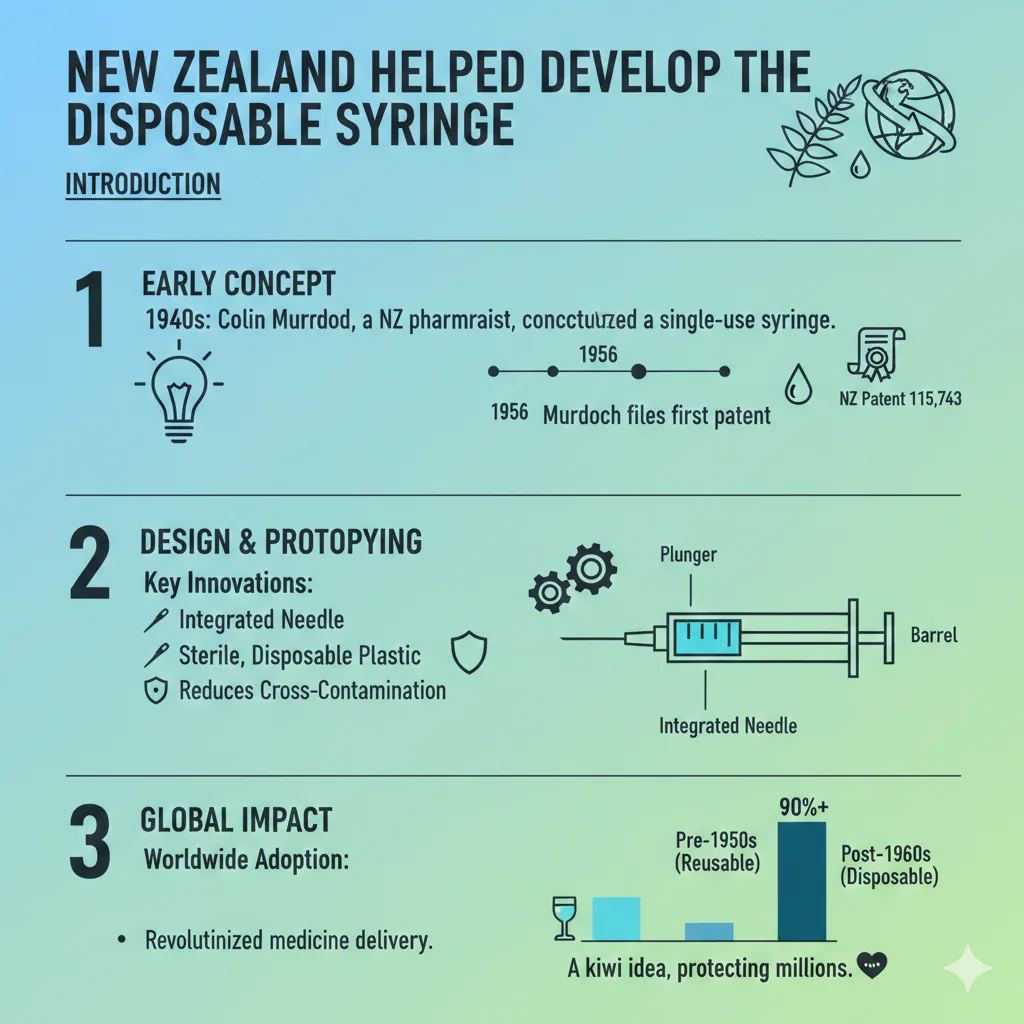
The concept of a disposable syringe was first proposed in the 1950s by a New Zealand-born doctor named Colin Murdoch. Dr. Murdoch was a visionary who recognised the risks associated with reusable syringes and was determined to find a solution. He began experimenting with plastic materials, looking for a way to create a syringe that could be used once and then thrown away. After years of trial and error, Dr. Murdoch finally developed a prototype for a disposable syringe made from plastic.
The early prototypes were not without their challenges, but Dr. Murdoch persevered, driven by his passion for improving patient outcomes. He worked closely with a team of researchers and manufacturers to refine the design and make it more practical for use in medical settings. The breakthrough came when Dr. Murdoch developed a syringe made from a type of plastic called polypropylene, which was strong, lightweight, and easy to sterilise.
Key Features of the Disposable Syringe
The disposable syringe developed by Dr. Murdoch had several key features that made it an instant success:
- It was made from a single piece of plastic, with no removable parts to lose or contaminate
- It was pre-sterilised and sealed in a plastic wrapper, making it easy to use and minimising the risk of infection
- It was designed for single use, eliminating the need for washing and reusing syringes
- It was affordable and accessible, making it a viable option for medical professionals and patients around the world
The Impact of the Disposable Syringe
The introduction of the disposable syringe had a profound impact on healthcare in New Zealand and around the world. By reducing the risk of cross-infection, the disposable syringe helped to save countless lives and prevent the spread of diseases. It also made medical procedures safer and more efficient, allowing healthcare professionals to focus on providing high-quality care to their patients.
In New Zealand, the disposable syringe was quickly adopted by medical professionals and became a standard tool in hospitals and clinics across the country. It also paved the way for other medical innovations, such as disposable needles and IV tubing. Today, the disposable syringe is an essential part of modern medicine, used in hospitals, clinics, and healthcare settings around the world.
Benefits of the Disposable Syringe
The disposable syringe has many benefits, including:
- Reduced risk of cross-infection and disease transmission
- Improved patient safety and outcomes
- Increased efficiency and convenience for medical professionals
- Reduced costs associated with washing and reusing syringes
- Environmental benefits, as disposable syringes reduce the need for energy-intensive washing and sterilisation processes
Using Disposable Syringes Safely and Effectively
If you're a medical professional or simply looking after a loved one at home, it's essential to use disposable syringes safely and effectively. Here are some practical tips to keep in mind:
- Always follow the manufacturer's instructions for use and disposal
- Make sure to handle the syringe carefully, avoiding touching the needle or other sterile parts
- Use a new syringe for each injection, and never reuse a syringe or needle
- Dispose of used syringes and needles in a designated sharps container
- Wash your hands thoroughly after handling syringes and needles
Safe Disposal of Syringes and Needles
Safe disposal of syringes and needles is crucial to preventing accidents and protecting the environment. Here are some steps to follow:
- Use a designated sharps container to dispose of used syringes and needles
- Make sure the container is sealed and labelled correctly
- Dispose of the container in a secure and environmentally friendly way
- Never dispose of syringes and needles in regular household waste or recycling
Conclusion and Key Takeaways
In conclusion, New Zealand's contribution to the development of the disposable syringe is a remarkable example of innovation and creativity. The disposable syringe has had a profound impact on healthcare in New Zealand and around the world, reducing the risk of cross-infection and improving patient outcomes. By following safe and effective practices when using disposable syringes, you can help to ensure the best possible outcomes for yourself and those in your care.
The key takeaways from this article are:
- The disposable syringe was developed in New Zealand in the 1950s by Dr. Colin Murdoch
- The disposable syringe has reduced the risk of cross-infection and improved patient outcomes
- It's essential to use disposable syringes safely and effectively, following the manufacturer's instructions and taking steps to prevent accidents and protect the environment
- Safe disposal of syringes and needles is crucial to preventing accidents and protecting the environment
- By embracing innovation and creativity, we can continue to improve healthcare outcomes and make a positive impact on our communities.