Raw Feeding Dogs NZ: Complete Guide
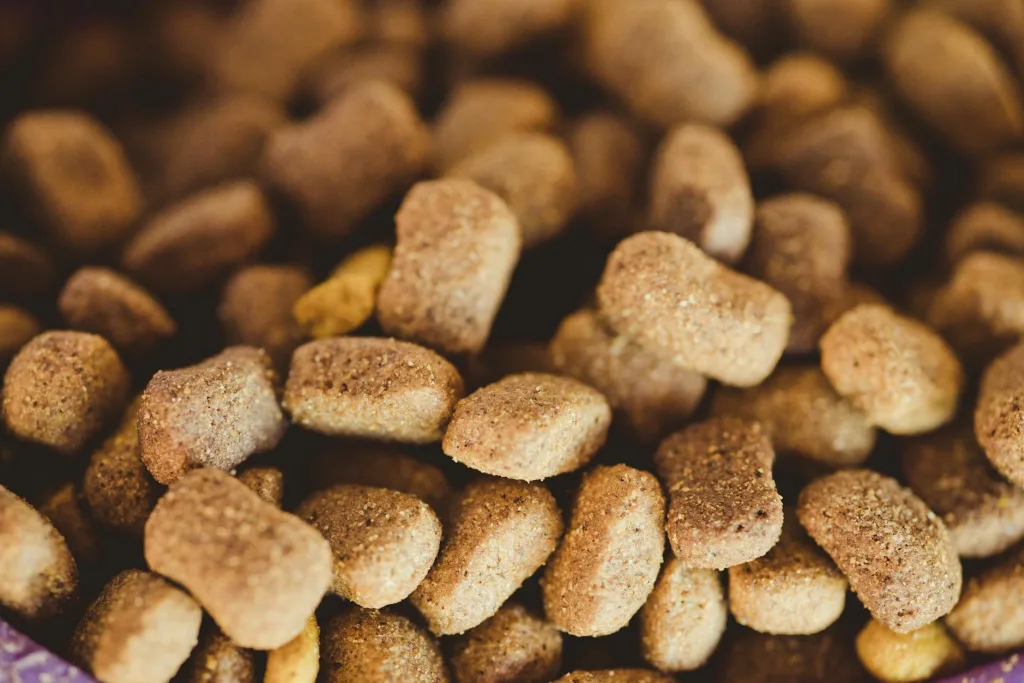
Ever watched your dog wolf down their kibble and wondered if there's a more natural way to fuel their boundless energy? Raw feeding dogs in New Zealand is gaining traction among Kiwis who want their p...
Tom covers travel, lifestyle, and cost-of-living topics across New Zealand. He writes practical guides on transport, day trips, outdoor activities, and everyday life in Aotearoa.
Ever watched your dog wolf down their kibble and wondered if there's a more natural way to fuel their boundless energy? Raw feeding dogs in New Zealand is gaining traction among Kiwis who want their pups thriving on a diet closer to what their ancestors enjoyed—fresh, unprocessed goodness straight from our farms and fisheries.
This complete guide breaks down everything you need to know about raw feeding dogs NZ-style, from getting started to sourcing local ingredients and keeping things safe under our regs. Whether you're in Auckland, Christchurch, or a rural spot in the South Island, we've got practical tips tailored for you.
What is Raw Feeding for Dogs?
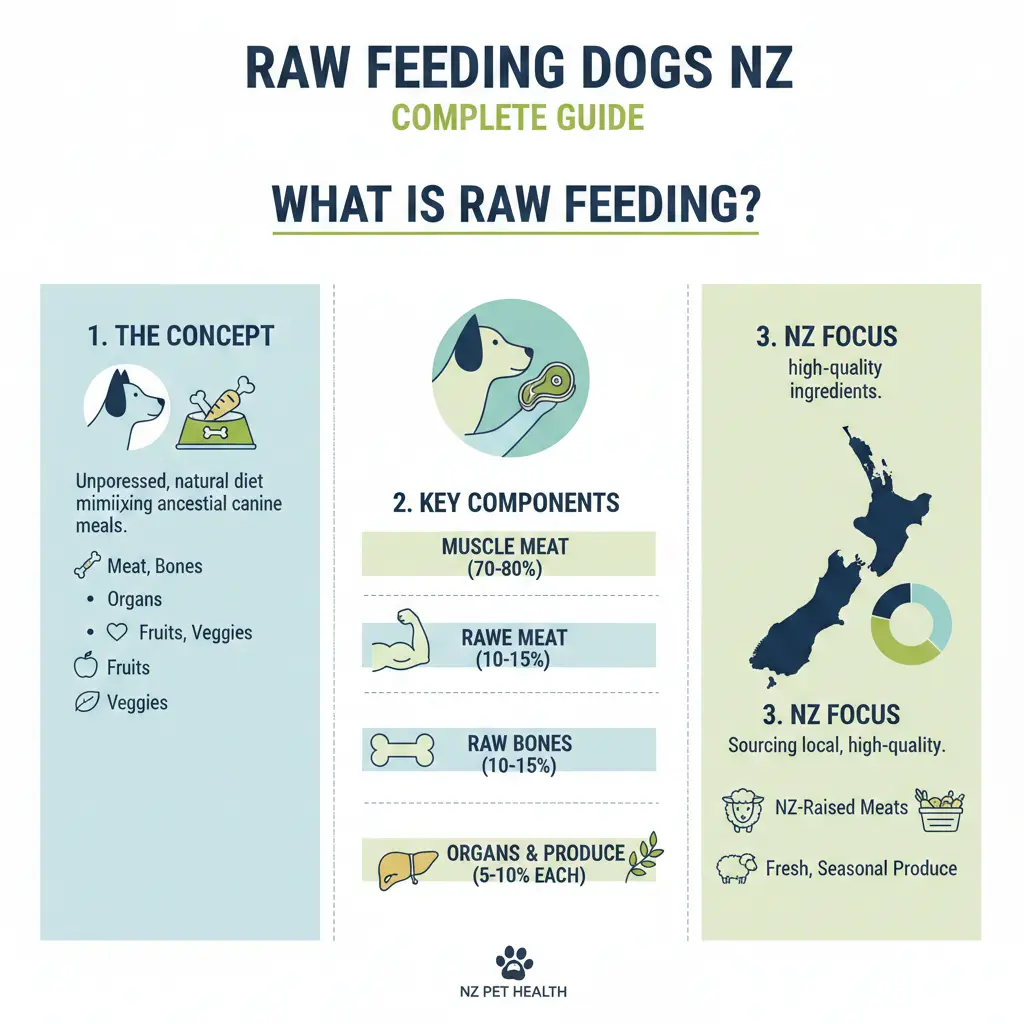
Raw feeding, often called BARF (Biologically Appropriate Raw Food) or RMBD (Raw Meat-Based Diet), mimics the fresh prey diet of wild canines. It includes raw meats, bones, offal, and sometimes veggies or fruits—no cooking, no preservatives. Pioneered by Aussie vet Dr Ian Billinghurst in his 1993 book Give Your Dog a Bone, it's exploded in popularity here thanks to our access to high-quality, grass-fed meats from local farms.
BARF vs RMBD: What's the Difference?
- BARF: Muscle meat, bones, offal, plus fruits, veggies, probiotics, and extras like kelp or flaxseed for balance.
- RMBD (Prey-Model): Focuses on whole prey—meat, organs, bones—skipping added veggies since they're naturally in the prey's gut. Commercially, you'll find frozen or freeze-dried options from NZ brands.
Both aim for a complete and balanced diet, but chat with your vet to match your dog's needs.
Benefits of Raw Feeding Dogs in NZ
Kiwis feeding raw report shiny coats, fewer vet visits, and happier hounds. Here's the evidence-based perks:
- Better digestion: Raw digests in 1-2 hours vs 7-9 for kibble, meaning smaller, less smelly poos and more energy for play.
- Healthier skin and coat: Natural nutrients reduce allergies and itching.
- Cleaner teeth: Chewing bones scrapes plaque naturally.
- Improved breath and odour: No fillers or carbs causing stink.
- Weight management: Dogs stay leaner on less food volume.
Local brands like Ziwi Peak use NZ free-range venison, green mussels for joints, and kelp for minerals—pure Kiwi innovation.
How Much Raw Food to Feed Your Dog
Start simple: Feed 2-3% of your dog's ideal body weight daily. A 20kg dog needs 400-600g. Puppies and active working dogs (think huntaways on farms) might need up to 10%; seniors or couch potatoes, 1.5-2%.
| Dog Size | Weight | Daily Amount (2-3%) |
|---|---|---|
| Toy | 5kg | 100-150g |
| Medium | 20kg | 400-600g |
| Large | 40kg | 800-1.2kg |
Adjust based on weight—monitor ribs (feel but don't see) and energy levels. Costs? Around $5-10/day for a medium dog using local suppliers.
What to Feed: Building a Balanced Raw Diet
Aim for this weekly ratio:
- 70-80% muscle meat (chicken, beef, lamb, fish)
- 10% bone (chicken necks/wings, fish heads—sourced fresh from NZ butchers or fisheries)
- 10% offal (liver, kidney, heart—nutrient powerhouses)
- 5-10% veggies/fruits (pureed pumpkin, berries) or skip for PMR
- Supplements: Fish oil, kelp, probiotics if needed.
NZ sourcing tips: Hit up local butchers in your town for affordable offcuts, or grab pre-made from Dave's Raw Dog Food, Go Raw, or Raw Essentials. Freeze-dried gems like Woof Chicken use NZ ingredients, perfect for travel or mixing.
Transitioning Your Dog to Raw Feeding
Don't rush—most dogs switch smoothly, but older pups or kibble addicts need time.
- Days 1-4: Swap 10-25% kibble for raw (start with chicken or fish).
- Days 5-14: Bump to 50-75%, watch for loose stools (normal, just slow down).
- Week 3+: 100% raw. Introduce new proteins every 7 days (e.g., beef after chicken).
Pro tips: Fast 12-24 hours pre-start to reset guts, serve at room temp, and keep water fresh. Pups under 1? They often switch overnight.
Safety and NZ Regulations for Raw Dog Food
Raw feeding is safe when done right, but bacteria like salmonella are risks—handle like raw chook for your whānau. Thaw in fridge, clean bowls with hot soapy water, and freeze extras.
In NZ, pet food falls under the Agricultural Compounds and Veterinary Medicines (ACVM) Act 1997. While voluntary, reputable makers test for pathogens and meet food safety standards. Stick to brands compliant with MPI guidelines for peace of mind—no legal bacteria testing mandate, but top suppliers go above.
Red flags: Avoid wild game without vet OK (parasites), and balance bones to prevent constipation (aim for soft poos like toothpaste).
Costs and Where to Buy Raw Dog Food in NZ
Expect $4-12/day depending on size and source. DIY from butchers saves cash; pre-made is convenient.
- National: PetConnect, Raw Essentials, Go Raw (frozen/freeze-dried).
- Regional: Dave's Pet Food (North Island), WildHQ game meats, Topflite Hound freeze-dried.
- DIY spots: Farmlands co-ops, local abattoirs, or Fish & Game for trout heads.
Shop sales or bulk-buy freezers—many offer delivery island-wide.
Common Mistakes and How to Avoid Them
- Too much bone: Causes hard poos—cap at 10-15%.
- Imbalance: Rotate proteins weekly for full nutrients.
- Ignoring allergies: Test single proteins first.
- Poor hygiene: Separate raw from human food prep.
Consult your vet, especially for breeds like Labs prone to obesity or seniors with kidney issues.
Next Steps for Raw Feeding Success
Grab a notebook, weigh your dog, and order a starter pack from a local supplier like Raw Essentials. Transition over two weeks, snap weekly poo pics for progress, and book a vet check in a month. Your pup's wagging tail and glossy coat will thank you—join Kiwi raw feeding groups on Facebook for recipes and swaps. Here's to healthier, happier dogs down under!
Frequently Asked Questions
Sources & References
-
1
Feeding Guide - Dave's Raw Dog Food — www.davesrawdogfood.co.nz
-
2
The Ultimate Raw Dog Food Guide - Pet Connect NZ — www.petconnect.nz
-
3
Raw Food Diet for Dogs: The Theory and the Basics - Petstock — www.petstock.co.nz
-
4
Raw Feeding Dogs: 10 Simple Rules to Get Started by Dana Scott — therawdogfoodco.nz
-
5
How To Transition To Raw Feeding - Go Raw Pet Food NZ — goraw.co.nz
-
6
Feeding Guides - Raw Essentials — www.rawessentials.co.nz
-
7
Raw Feeding Guide - What to Feed, Costs & More | Raw Essentials — www.rawessentials.co.nz
-
8
How To Raw With PuppyLove — puppylovenz.com
-
9
Feeding Guide – WildHQ — www.wildhq.nz
-
10
How to Hound: A Feeding Guide — topflitehound.co.nz