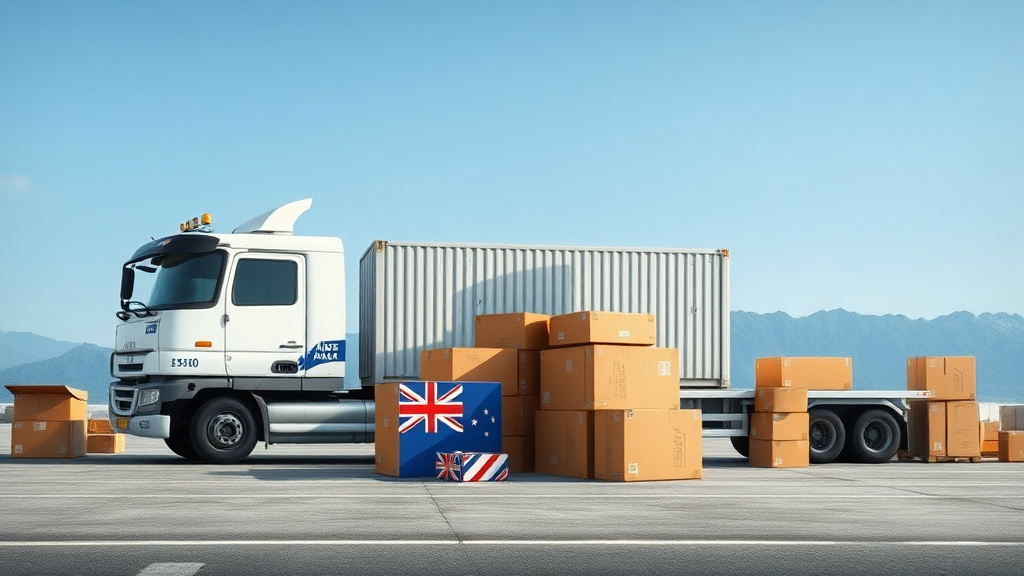
Shipping cars and pets from New Zealand to Australia 2026
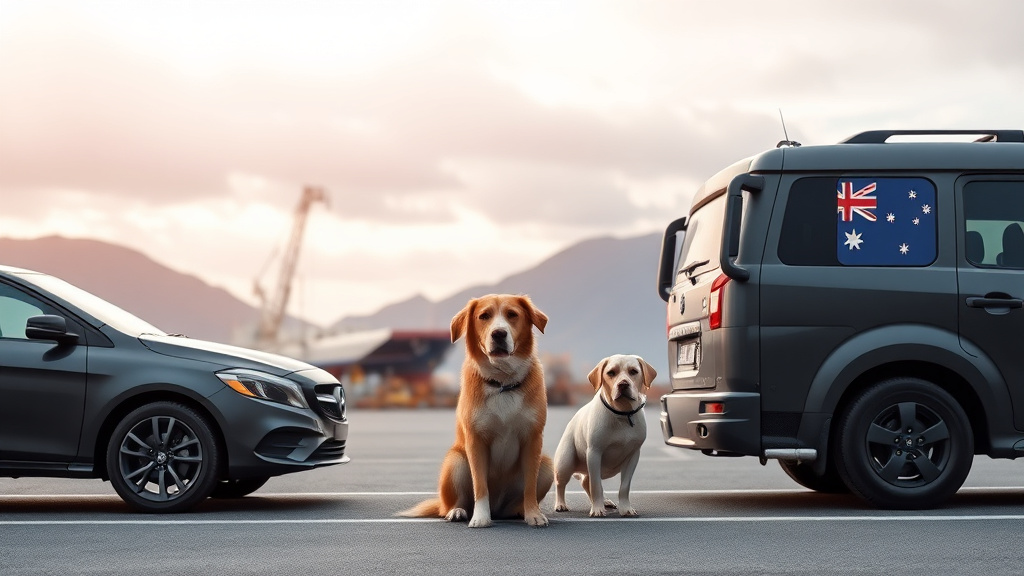
Planning a move across the ditch to Australia? Shipping your beloved car and furry family members from New Zealand doesn't have to be a nightmare. With 2026 bringing fresh fees and biosecurity rules,...
The Lifetimes NZ editorial team curates, fact-checks, and updates guides on personal finance, property, health, immigration, legal, business, and lifestyle topics relevant to Lifetimes NZ readers. Articles are produced with AI assistance and reviewed by the editorial team before publication.
Planning a move across the ditch to Australia? Shipping your beloved car and furry family members from New Zealand doesn't have to be a nightmare. With 2026 bringing fresh fees and biosecurity rules, we've got the latest practical advice to help Kiwis navigate the process smoothly and save you time and money.
Why Ship Your Car and Pets to Australia in 2026?
Australia's just a short hop from our shores, but the logistics of taking your pride and joy—whether it's your trusty Toyota or your cheeky labradoodle—require careful planning. Direct ferry services like the Spirit of Tasmania don't connect NZ to Oz, so you'll rely on roll-on/roll-off (RoRo) shipping for cars and specialised pet transport for animals. Expect total costs for a standard sedan at $2,000–$4,000 NZD and pets from $1,500–$5,000+ depending on size and breed, plus new 2026 levies kicking in from April. Factor in biosecurity checks on both ends to avoid heartbreaking quarantines or rejected shipments.
New Zealand Export Changes Impacting Your Move
From 1 April 2026, NZ's government rolls out new Customs and MPI levies that hit exporters hard. These include charges on commercial vessels, low-value goods per consignment (under $1,000 NZD), and even empty containers—ending taxpayer subsidies and hiking sea freight costs. For cars classified as high-value (over $1,000), expect separate air/sea rates and full cost recovery. Pets, treated as live cargo, dodge some low-value fees but face MPI biosecurity scrutiny. Check the NZ Customs Service for your exact levy via their online calculator before booking.
Shipping Your Car: Step-by-Step Guide for Kiwis
Getting your car to Australia involves RoRo vessels from ports like Auckland, Wellington, or Lyttelton to Sydney, Melbourne, or Brisbane. Transit takes 7–14 days, with weekly sailings from major lines like Wallenius Wilhelmsen or Spliethoff.
Preparation Checklist for Your Vehicle
- Drain fluids: Empty fuel to 1/4 tank, remove batteries if not crated, and drain oil/fluids to meet Australian Quarantine and Inspection Service (AQIS) rules.
- Clean thoroughly: Vacuum interior, pressure-wash underbody to pass MPI biofouling checks—NZ's strict regime requires vessels to clean hulls in designated zones.
- Documentation: NZ Transport Agency (NZTA) export certificate, rego papers, and proof of ownership. Declare value accurately to avoid misdeclaration penalties under Australian Rules (2 SDR/kg liability limit).
- Personal items: Remove all belongings; list any spares on the manifest with detailed descriptions—no vague "spare parts".
Choosing a Shipping Provider
Opt for NZ-based forwarders like Mainfreight or DHL Global Forwarding with Oz partnerships. Get quotes including 2026 levies—sea consignments now face new per-vessel fees. Compare RoRo ($1,500–$3,500 for a sedan) vs container ($3,000+ for security). Ports like Auckland are trialling in-port biofouling tech to speed clearances.
Australian Import Rules and Costs
Australia requires a Vehicle Import Approval (VIA) from the Department of Infrastructure—apply 12 weeks ahead via their portal. Right-hand-drive NZ cars are eligible, but pay 5% customs duty + 10% GST on arrival, plus state stamp duty (e.g., $200–$500 NSW). Biosecurity: Steam-clean engine bay; quarantine if dirt found. Total landside costs: $500–$1,500.
Relocating Your Pets: Essential 2026 Advice
Pets count as family, so treat their trip like gold. Australia enforces world-class biosecurity—no rabies means strict rules for dogs, cats, and ferrets from NZ. Microchipping, rabies vaccination (even though NZ is rabies-free), and blood titre tests are mandatory. Expect 10–30 days minimum quarantine in Melbourne's Mickleham facility.
Step-by-Step Pet Export Process from NZ
- Vet checks: Get ISO microchip, 5-in-1 vaccines, and rabies jab 21+ days before export. NZ vet issues official health certificate.
- MPI endorsement: Submit to Ministry for Primary Industries 10 days prior—new 2026 fees apply for live animal certs.
- Airline booking: Fly with pet-friendly carriers like Air New Zealand cargo to Sydney/Melbourne. In-cabin for small pets (<8kg); otherwise, heated hold. Costs: $1,000–$3,000 one-way.
- AQIS clearance: On arrival, pay $200–$500 inspection fee; quarantine follows if tests pass.
Breeds and Restrictions to Watch
Australia bans declared breeds like pit bulls. Birds need CITES permits if endangered. Costs spike for large dogs (e.g., $4,000+ Great Dane). Use IATA-approved crates; acclimatise pets to reduce stress.
Alternatives: Pet Relocation Services
Companies like PetAir or Starwood handle paperwork, flights, and quarantine logistics for $3,000–$7,000 total. They navigate 2026 levy changes seamlessly.
Costs Breakdown: Budgeting for 2026 Shipping
Here's a realistic table for a mid-size sedan and medium dog from Auckland to Sydney (estimates in NZD, excluding insurance):
| Item | Car (RoRo) | Pet (Dog) |
|---|---|---|
| Freight/Transport | $2,500 | $2,000 |
| 2026 NZ Levies/Fees | $200–$400 | $100–$200 |
| Aus Duties/GST/Quarantine | $800 | $1,500 |
| Insurance & Docs | $300 | $400 |
| Total | $3,800–$4,000 | $4,000–$4,100 |
Add 10–20% buffer for fuel surcharges amid global shipping flux.
Common Pitfalls and Pro Tips
- Biofouling delays: NZ's regime mandates hull cleaning—choose compliant vessels.
- Customs declarations: Be precise; "gift" declarations banned for commercial from Aus side, but NZ exports need full value.
- Timing: Book 8–12 weeks ahead; avoid peak Jan school holidays.
- Insurance: Cover all-risk for cars/pets—standard carrier liability is low (666 SDRs/package).
- Combine shipments: Ship car and pet crates together for levy savings.
Next Steps: Get Moving Across the Ditch
Start today: Gather docs, get vet checks, and request quotes from three providers. Use official tools—MPI for pets (mpi.govt.nz), Customs for levies (customs.govt.nz), and Australia's infrastructure.gov.au for VIA. Budget extra for 2026 changes, insure everything, and track your shipment online. Safe travels to Oz—your car and pets will thank you!
Frequently Asked Questions
Sources & References
-
1
New Zealand Shipping Update - shippingaustralia.com.au — www.shippingaustralia.com.au
-
2
NZ New Import/Export Levies Effective 1/04/2026 - afslogistics.com.au — afslogistics.com.au
-
3
Essential 2026 Updates for Shipping from the USA to New Zealand - comgateway.com — www.comgateway.com
-
4
Sending Parcels in 2026 from Australia - customsbrokersaustralia.com — customsbrokersaustralia.com
- 5
-
6
Changes to International Shipping - nzprotein.co.nz — www.nzprotein.co.nz
-
7
Changes to global Customs clearance requirements - nzpost.co.nz — www.nzpost.co.nz