Peter Snell Won 3 Olympic Gold Medals in Middle Distance
Introduction to a New Zealand Sports Legend Peter Snell is a name that resonates deeply with New Zealanders, and for good reason. As one of the country's
Tom covers travel, lifestyle, and cost-of-living topics across New Zealand. He writes practical guides on transport, day trips, outdoor activities, and everyday life in Aotearoa.
Introduction to a New Zealand Sports Legend
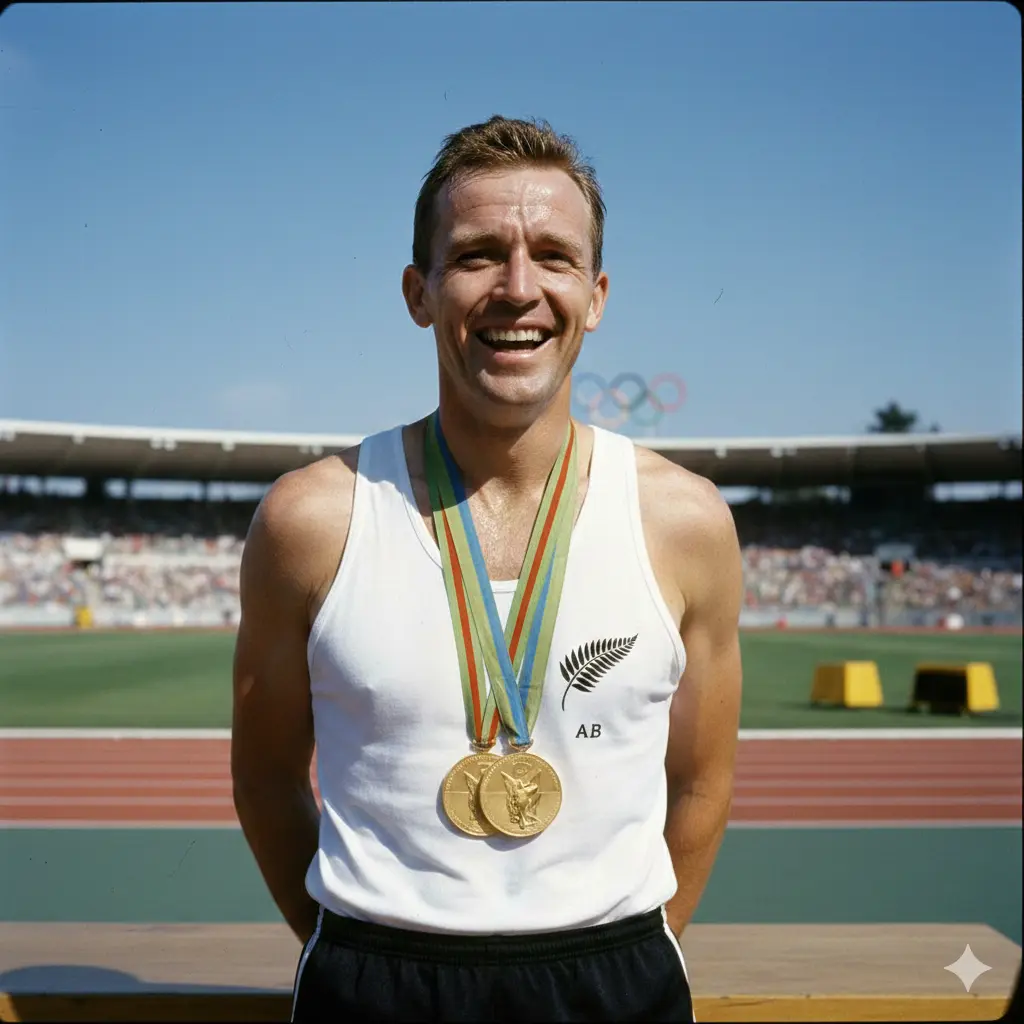
Peter Snell is a name that resonates deeply with New Zealanders, and for good reason. As one of the country's most celebrated athletes, Snell's achievements on the track are the stuff of legend. Born in Opunake, Taranaki, in 1938, Snell would go on to become one of the most successful middle-distance runners in history, winning an impressive three Olympic gold medals. In this article, we'll delve into Snell's remarkable career, exploring his early beginnings, his training regime, and the factors that contributed to his unparalleled success.
Snell's story is one of dedication, perseverance, and natural talent. Growing up in a small town in New Zealand, he was encouraged by his family and coaches to pursue his passion for running. As you'll discover, Snell's journey to the top was not without its challenges, but his determination and commitment to his craft ultimately paid off. Whether you're an aspiring athlete or simply a sports enthusiast, Snell's story is sure to inspire and motivate you to reach for your own goals.
As we explore Snell's remarkable career, you'll gain insight into the world of middle-distance running and the qualities that set Snell apart from his competitors. You'll also learn about the importance of proper training, nutrition, and mental preparation, all of which played a crucial role in Snell's success. So, let's get started on this journey into the life and achievements of Peter Snell, a true New Zealand sports legend.
Early Beginnings and Career Highlights
Snell's introduction to running came at a young age, with his parents encouraging him to participate in local athletics events. He quickly discovered a natural talent for the sport, and by the time he was a teenager, Snell was already making a name for himself in New Zealand's athletics scene. Under the guidance of his coach, Arthur Lydiard, Snell developed a rigorous training regime that would serve him well throughout his career. This regime included a combination of endurance training, sprint work, and strength conditioning, all of which helped Snell build the speed, stamina, and agility he needed to excel in middle-distance events.
Some of Snell's most notable career highlights include:
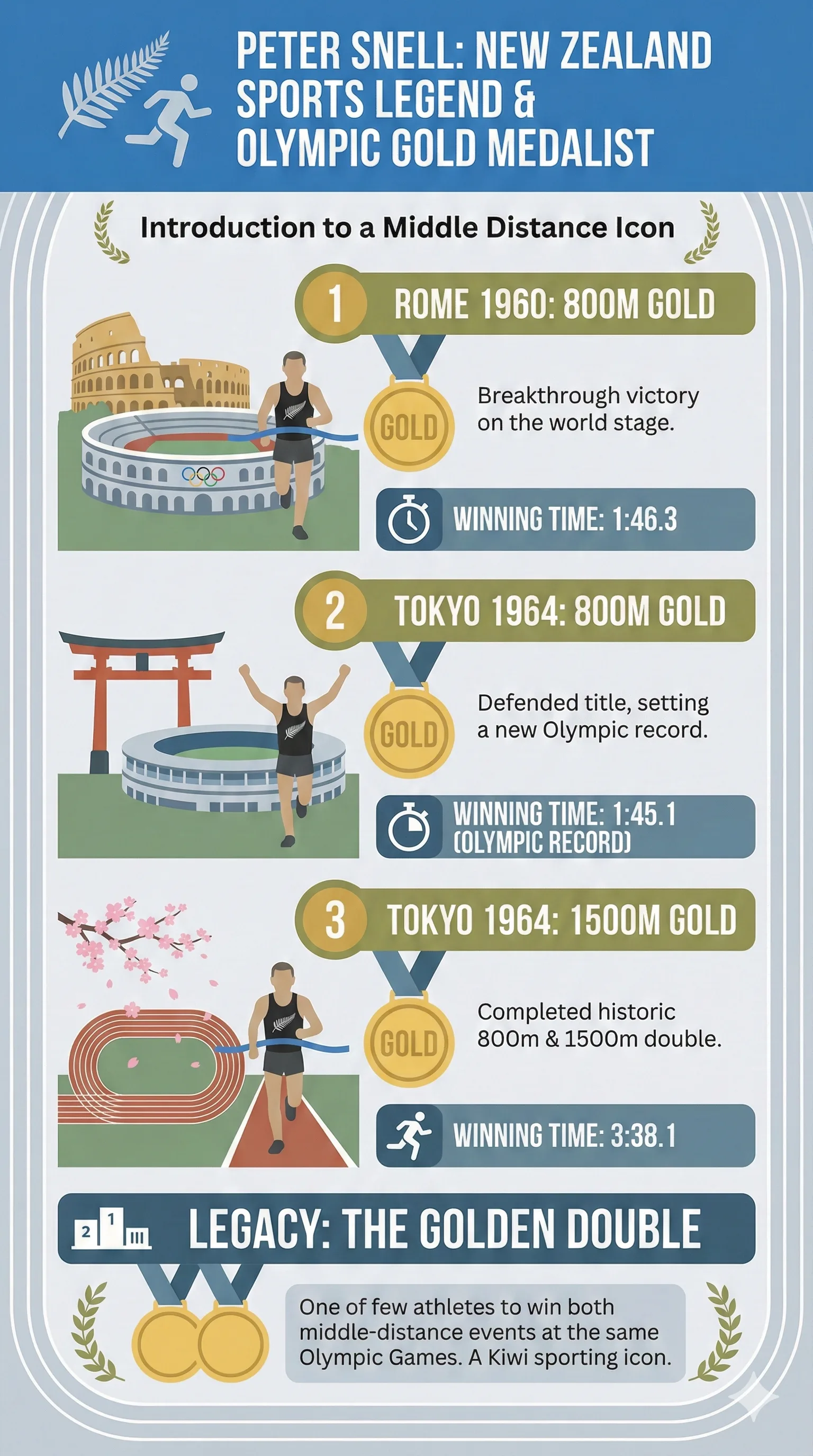
- Winning two gold medals at the 1960 Rome Olympics, in the 800m and 1500m events
- Setting multiple world records in the 800m, 1500m, and mile events
- Winning a third gold medal at the 1964 Tokyo Olympics, in the 1500m event
- Being named New Zealand's Sportsman of the Year in 1962
Key Factors in Snell's Success
So, what set Snell apart from his competitors, and how did he manage to achieve such incredible success? Some key factors include:
- Dedication and perseverance: Snell's training regime was notoriously demanding, with some sessions lasting up to two hours. His ability to push through fatigue and stay focused on his goals was essential to his success.
- Proper nutrition and recovery: Snell was meticulous about his diet, ensuring he fuelled his body with the right foods to support his training. He also prioritised recovery, getting plenty of rest and using techniques like massage and stretching to aid in his body's repair.
- Mental preparation: Snell was known for his mental toughness, which allowed him to stay focused and composed under pressure. He used techniques like visualisation and positive self-talk to prepare himself for big events.
Training Regime and Techniques
Snell's training regime was designed to build his endurance, speed, and agility. Some of the key techniques he used include:
- Interval training: This involved alternating between periods of high-intensity running and active recovery. For example, Snell might run 400m at a fast pace, followed by 200m of jogging or walking to recover.
- Hill sprints: Snell would sprint up steep hills to build his explosive power and speed. This type of training helped him develop the ability to accelerate quickly and maintain his speed over longer distances.
- Long runs: Snell would often go on long runs of up to 20km to build his endurance and stamina. These runs helped him develop the mental and physical toughness he needed to compete at the highest level.
Incorporating These Techniques into Your Own Training
If you're an aspiring athlete or simply looking to improve your overall fitness, you can incorporate some of Snell's training techniques into your own routine. Here are a few tips to get you started:
- Start with interval training: Begin with shorter intervals (e.g., 200m) and gradually increase the distance as you build your fitness.
- Find a hill: Look for a steep hill in your local area and try sprinting up it. Walk or jog back down to recover, and repeat for several sets.
- Incorporate long runs: If you're new to running, start with shorter distances (e.g., 5km) and gradually increase the length of your runs as you build your endurance.
Overcoming Challenges and Setbacks
Like any athlete, Snell faced his share of challenges and setbacks throughout his career. He struggled with injuries, including a bout of tendonitis that threatened to derail his Olympic ambitions. However, Snell's determination and perseverance allowed him to overcome these obstacles and stay focused on his goals. Some of the strategies he used to overcome challenges include:
- Seeking support: Snell surrounded himself with a supportive team, including his coach, family, and friends. This network helped him stay motivated and accountable.
- Staying positive: Snell used positive self-talk and visualisation techniques to stay focused and motivated, even in the face of adversity.
- Focusing on the process: Rather than getting caught up in worries about the outcome, Snell focused on the process of training and preparation. This helped him stay present and focused on the task at hand.
Mental Preparation and Mindset
Snell's mental preparation was a key factor in his success. He used a range of techniques to stay focused and motivated, including:
- Visualisation: Snell would visualise himself winning events and achieving his goals. This helped him build confidence and stay focused on what he wanted to achieve.
- Positive self-talk: Snell used positive affirmations to stay motivated and focused. He would repeat phrases like "I can do this" or "I'm ready for this" to himself before big events.
- Staying present: Snell focused on the present moment, rather than getting caught up in worries about the future or past. This helped him stay calm and composed under pressure.
Conclusion and Key Takeaways
Peter Snell's story is an inspiration to anyone who has ever dreamed of achieving greatness. His dedication, perseverance, and natural talent combined to make him one of the most successful middle-distance runners in history. As you reflect on Snell's career and achievements, remember the following key takeaways:
- Dedication and perseverance are key: Snell's training regime was demanding, but his commitment to his craft paid off in the end.
- Proper nutrition and recovery are essential: Snell's attention to his diet and recovery helped him stay healthy and perform at his best.
- Mental preparation is crucial: Snell's use of visualisation, positive self-talk, and other techniques helped him stay focused and motivated, even in the face of adversity.
- Stay present and focused on the process: Snell's ability to stay present and focused on the task at hand helped him achieve his goals and overcome challenges.
As you strive to achieve your own goals, whether in athletics or other areas of your life, remember the lessons of Peter Snell's remarkable career. With dedication, perseverance, and the right mindset, you can overcome any obstacle and achieve greatness.