Starting a Vegetable Garden NZ: Beginner's Guide
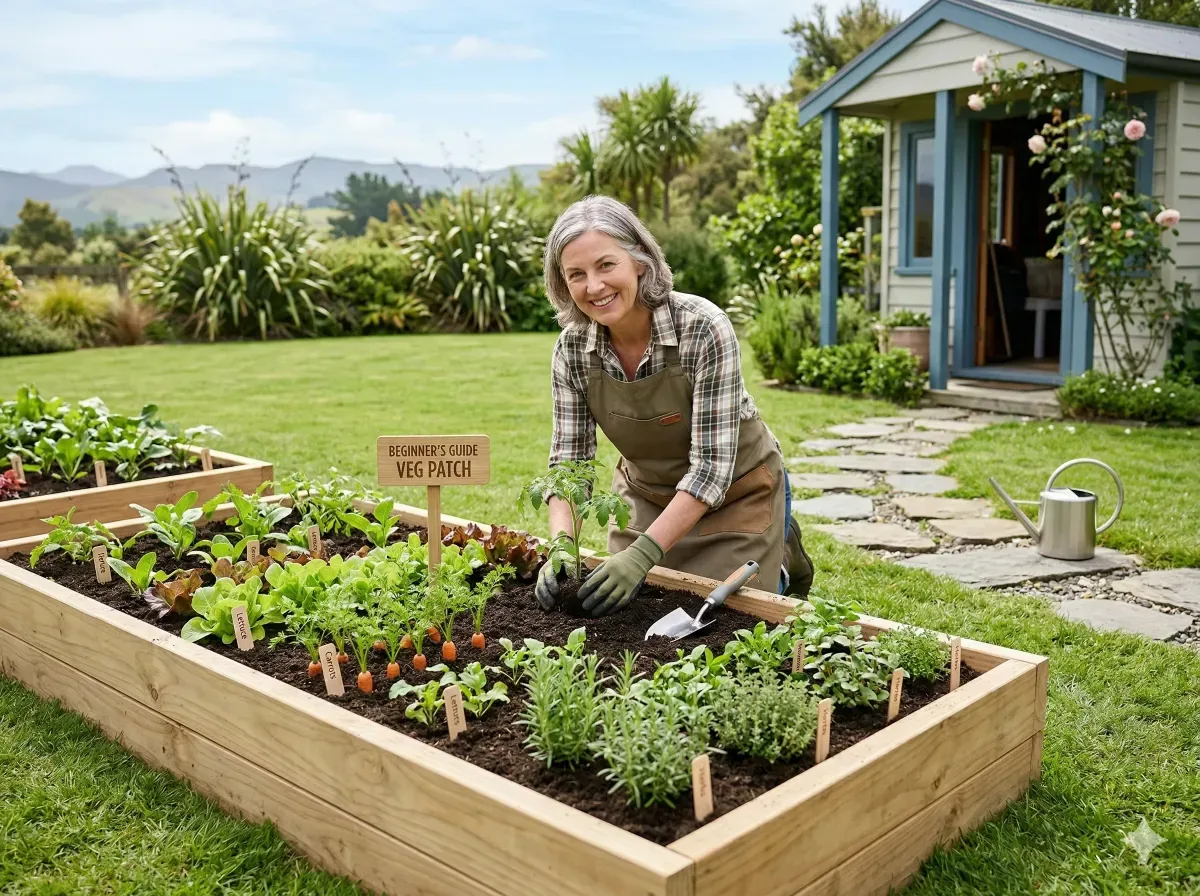
Growing your own vegetables is one of the most rewarding things you can do as a Kiwi gardener. Whether you've got a sprawling backyard or just a sunny corner, you can produce fresh, healthy food right...
Tom covers travel, lifestyle, and cost-of-living topics across New Zealand. He writes practical guides on transport, day trips, outdoor activities, and everyday life in Aotearoa.
Growing your own vegetables is one of the most rewarding things you can do as a Kiwi gardener. Whether you've got a sprawling backyard or just a sunny corner, you can produce fresh, healthy food right at home. This guide will walk you through everything you need to know to start your vegetable garden, from choosing the right location to harvesting your first crop.
Why Start a Vegetable Garden?
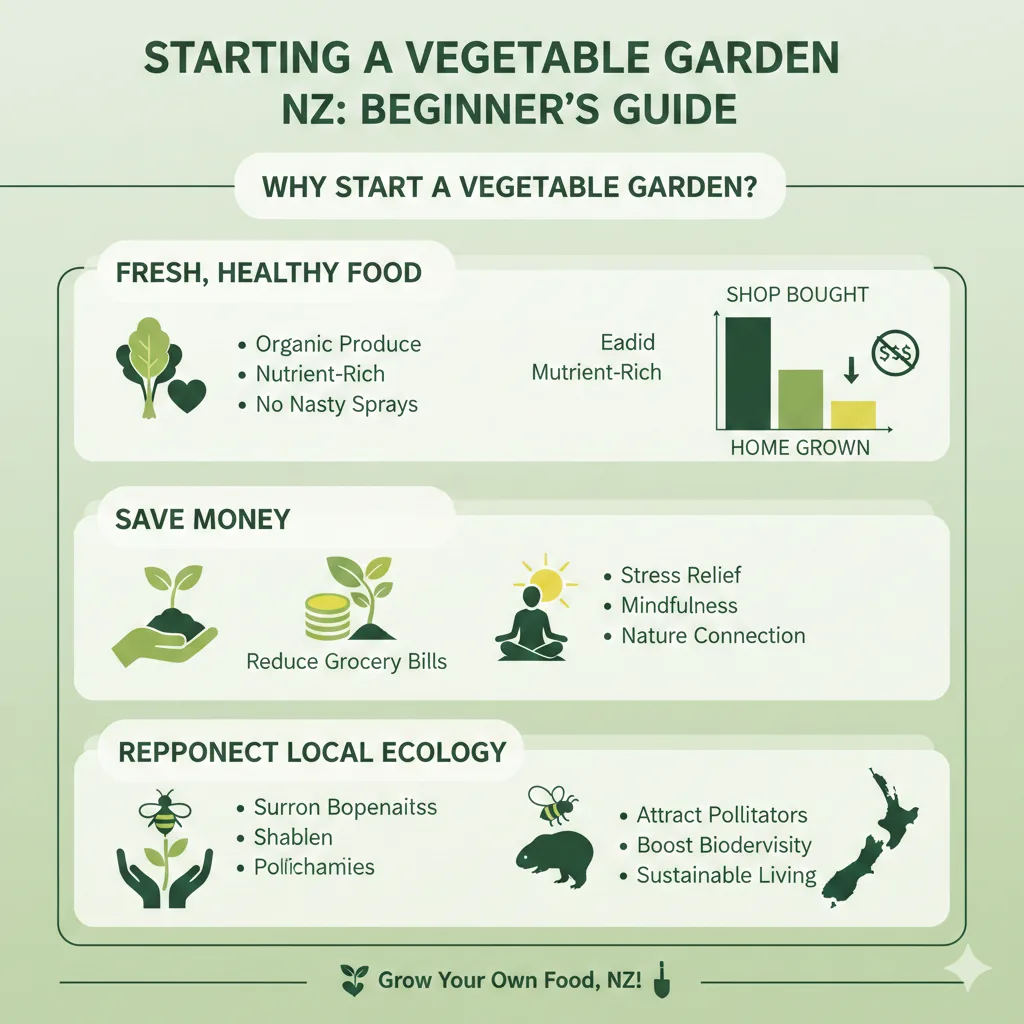
There's something special about eating vegetables you've grown yourself. You'll know exactly what's gone into them, you'll save money on groceries, and you'll get the satisfaction of nurturing plants from seed to table. Plus, New Zealand's climate is perfect for year-round vegetable growing—we can produce fresh veges in every season if we choose the right varieties.
Step 1: Choose the Right Location
Location is everything when it comes to vegetable gardening success. Most vegetables need at least six to eight hours of direct sunlight daily, so start by identifying the sunniest spots in your garden . Walk around your property at different times of day to see where the sun hits longest.
Beyond sunshine, you'll want a sheltered area protected from strong winds . Wind can damage plants and dry out soil quickly. If your garden is exposed, consider planting near a fence, hedge, or building that'll act as a windbreak.
Access to water is also crucial. You'll want your vegetable patch close enough to a tap so watering is convenient—you're much more likely to keep up with regular watering if you don't have to drag a hose halfway across the property.
Step 2: Prepare Your Soil
Good soil is the foundation of a thriving vegetable garden. Prepare your soil by mixing in organic matter like compost and sheep pellets . This improves soil structure, helps it retain moisture, and feeds your plants naturally.
If you're starting from scratch, dig down about 30 centimetres and work in your organic matter thoroughly. If you're adding to existing garden beds, a good rule of thumb is to add a 10-15 centimetre layer of quality compost or mixed organic matter and work it in.
Healthy soil acts like a sponge, soaking up excess water during heavy rain and retaining moisture during dry periods . This is especially important as New Zealand's weather becomes more unpredictable—good soil health is your best defence against both droughts and flooding.
Step 3: Add Vegetable Mix and Mulch
Add a layer of vegetable mix to plant into . You can use a commercial vegetable mix or create your own blend of compost, aged bark, and peat moss or coco peat.
Once your plants are in, add a layer of mulch around them . A 5-10 centimetre layer of organic mulch (straw, bark chips, or compost) will:
- Reduce water evaporation by up to 70%
- Keep soil cooler during hot spells
- Suppress weeds
- Break down over time and improve soil structure
Step 4: Choose What to Grow
One of the beauties of gardening in New Zealand is that veges can be grown year-round . However, timing matters. Different vegetables thrive in different seasons, so choosing the right varieties for the time of year dramatically improves your success rate.
Spring Vegetables (August-October)
For an early spring vege garden, plant: kale, spring onions, cabbage, cavolo nero, beetroot, celery, broccoli, red and white cabbage, and sugar snap peas . Sugar snap peas love to climb, so get some bamboo arches or trellis to support them.
Choosing Climate-Resilient Varieties
As New Zealand's weather becomes more unpredictable, consider growing heat-tolerant tomatoes like 'Heatmaster' or 'Solar Fire', which are bred to set fruit even in temperatures above 32°C . For leafy greens, perpetual spinach and New Zealand spinach tolerate drier conditions better than traditional spinach .
The best approach is to choose vegetables suited to the time of year . Free online tools like Veggie Gardener NZ provide a planting calendar based on your local climate, showing you exactly when to sow seedlings and plant out in the garden .
Step 5: Plant Your Vegetables
Planting in Garden Beds
- Soak seedlings in a bucket of seaweed plant tonic and allow to drain—this helps prevent transplant shock
- Add a layer of vegetable mix to the planting area
- Dig a hole approximately twice the depth and width of the root ball
- Gently loosen the root ball and position the plant in the centre of the hole
- Fill in with vegetable mix
- Press soil gently around the base
- Water well and continue watering regularly
Planting in Pots and Containers
- Water plants thoroughly before potting and allow to drain
- Partly fill your container with vegetable mix
- Gently loosen the root ball and position the plant in the container
- Fill the container with vegetable mix up to 3 centimetres from the top
- Tap the container gently on the ground to settle the mix
- Press soil gently around the base
- Water well
Step 6: Feed, Water, and Maintain
Feed your vegetables every four weeks during key growth periods with vegetable food . This ensures they have the nutrients they need to produce healthy, abundant crops.
Keep your veges well watered . Most vegetables need about 25-50 millimetres of water per week, depending on the weather. Use drip irrigation to deliver water directly to roots , which is more efficient than sprinklers and reduces water waste.
Water early in the morning or late in the evening to minimise evaporation. Avoid watering foliage, as this can encourage fungal diseases.
Smart Strategies for Success
Assess Your Microclimates
Identify the sunniest, shadiest, and wettest areas in your garden . Hot spots might need shade cloth during summer, while damp areas are perfect for water-loving plants like leafy greens.
Group Plants by Water and Sun Needs
Place plants with similar water and sun requirements together (hydro-zoning) to make irrigation more efficient . For example, group thirsty plants like tomatoes together, and drought-tolerant plants like established herbs in another area.
Go Vertical and Compact
Growing "up, not out" maximises space . Tabletop vegetable gardens and container growing are major 2026 trends, offering flexibility and efficient resource use. This approach is perfect for Kiwis with smaller properties or those wanting to garden on decks and patios.
Frequently Asked Questions
Can I transition my existing garden to be more climate-resilient?
Absolutely. Start by improving your soil with compost, implementing mulching, and introducing drip irrigation. Gradually replace vulnerable plant varieties with more resilient ones over a few seasons .
What's the best time to start a vegetable garden in New Zealand?
You can start any time of year, but spring (August-October) is ideal for beginners. You'll have warm soil, longer days, and a good selection of seedlings available at garden centres. However, since vegetables can be grown year-round in New Zealand, you can begin whenever suits you—just choose appropriate varieties for the season.
Do I need a large space to grow vegetables?
No. You can grow vegetables in containers on a balcony, in raised beds, or in small garden patches. Even a few pots of tomatoes, herbs, and leafy greens will give you fresh produce and the satisfaction of growing your own food.
How much water do vegetables need?
Most vegetables need about 25-50 millimetres of water per week. Rather than watering on a fixed schedule, check the soil moisture regularly. If the top 5 centimetres of soil are dry, it's time to water. Mulching helps retain moisture, so you'll water less frequently in mulched beds.
Can I garden organically as a beginner?
Yes. Using organic matter like compost and sheep pellets, avoiding synthetic pesticides, and encouraging beneficial insects is actually easier for beginners and better for your garden's long-term health. It's also better for your family and the environment.
What if I don't have much sun in my garden?
Most vegetables need six to eight hours of direct sunlight, but some leafy greens like lettuce, spinach, and kale tolerate partial shade. Focus on shade-tolerant varieties and make the most of whatever sunny spots you do have. You can also use reflective surfaces like light-coloured walls or fences to bounce more light onto your garden.
Your Next Steps
Starting a vegetable garden is simpler than you might think. Begin by identifying a sunny, sheltered spot, preparing your soil with organic matter, and choosing vegetables suited to the current season. If you're unsure what to plant, check out Veggie Gardener NZ for a personalised planting calendar based on your location.
Start small—even a few pots or a small raised bed will give you fresh vegetables and the confidence to expand next season. Keep notes on what works well in your garden, and don't be afraid to experiment. Every Kiwi gardener started exactly where you are now, and the learning is half the fun.
The best time to plant a tree was 20 years ago. The second-best time is today. The same goes for vegetable gardens. Get your hands dirty, and you'll be harvesting your own fresh veges before you know it.
Related Articles
Vegetable Planting Calendar NZ by Region
Imagine plucking fresh lettuce from your backyard or harvesting tomatoes still warm from the sun—all without a trip to the supermarket. For Kiwis, vegetable gardening is more than a hobby; it's a prac...
Tomato Growing NZ: Seed to Harvest Guide
Nothing beats the taste of a sun-ripened tomato straight from your own backyard, especially here in New Zealand where our varied climates make home-grown veges a rewarding challenge. Whether you're in...