Indoor vs Outdoor Cats NZ: Pros and Cons
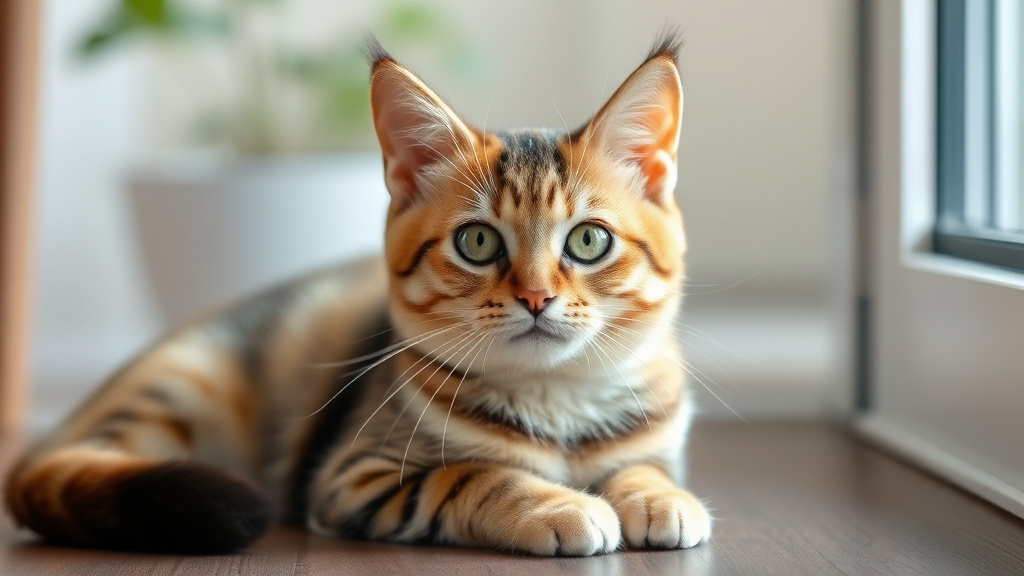
Imagine coming home to your purring cat, safe and sound, but wondering if they're missing out on the adventures of the great Kiwi outdoors. For many of us in New Zealand, deciding between indoor and o...
Tom covers travel, lifestyle, and cost-of-living topics across New Zealand. He writes practical guides on transport, day trips, outdoor activities, and everyday life in Aotearoa.
Imagine coming home to your purring cat, safe and sound, but wondering if they're missing out on the adventures of the great Kiwi outdoors. For many of us in New Zealand, deciding between indoor and outdoor cats is a tough call—balancing their happiness, safety, and our love for native wildlife like kiwi birds and tuatara. This guide breaks down the **indoor vs outdoor cats NZ: pros and cons** to help you make the best choice for your feline friend in 2026.
The Case for Indoor Cats in New Zealand
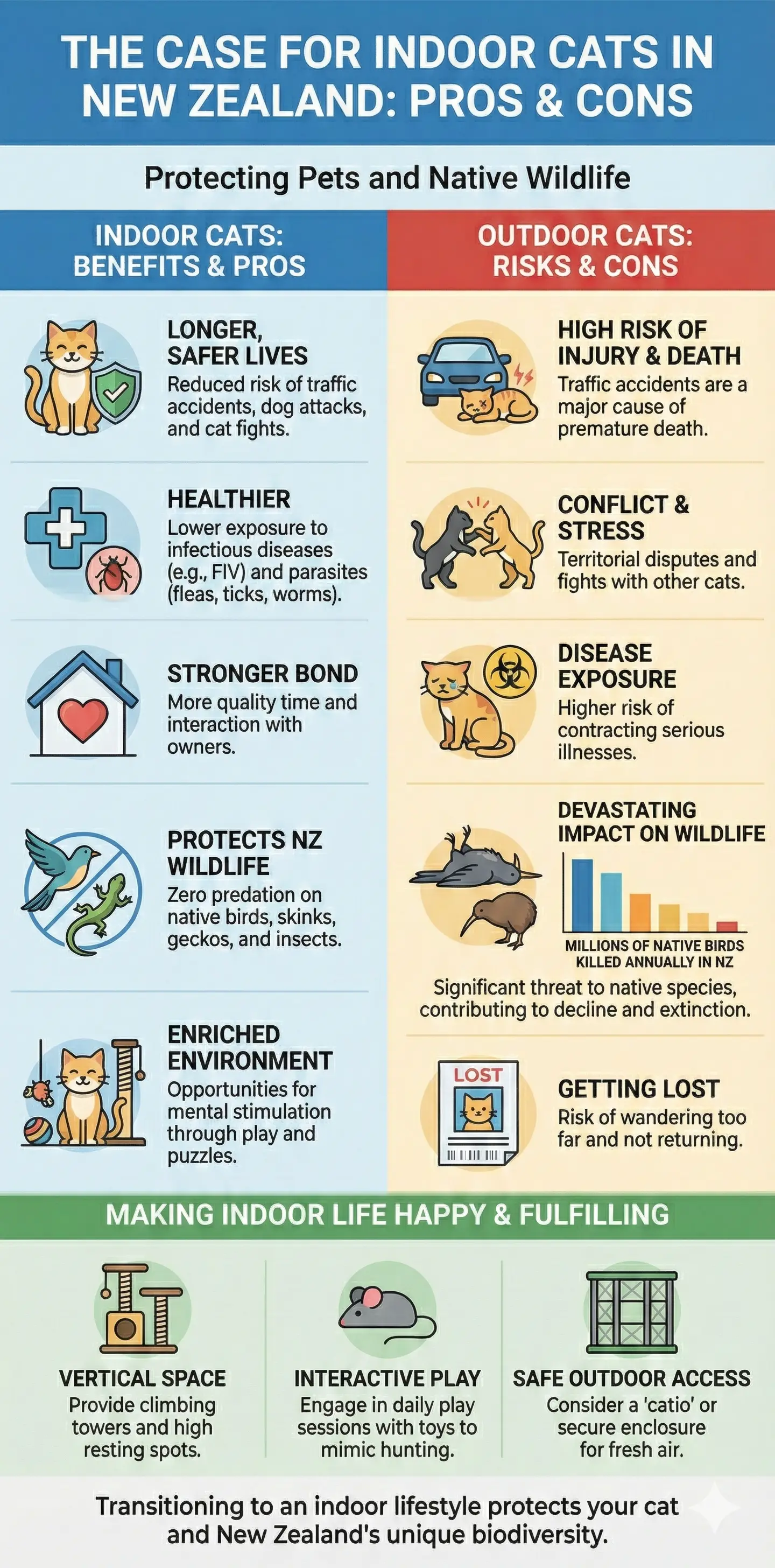
Keeping your cat indoors offers peace of mind in a country where roads are busy and predators lurk. Indoor cats in NZ typically live longer, healthier lives by avoiding common dangers. With our unique biodiversity, indoor living also protects vulnerable native species from hunting.
Pros of Indoor Cats
- Longer lifespan: Indoor cats dodge traffic accidents, fights, and diseases, often living 2-5 years longer than outdoor roamers.
- Health control: Easier to monitor diet, vaccinations, and prevent parasites like fleas and worms.
- Wildlife protection: Cats kill millions of native birds annually in NZ; indoors, they don't contribute to this.
- Lower vet bills: Fewer injuries mean less stress on your wallet and ACC claims if needed.
Cons and How to Overcome Them
Indoor life can lead to boredom or obesity without stimulation. Combat this with daily play sessions using wand toys, puzzle feeders, and climbing trees. Vertical spaces like cat shelves let them "hunt" from above, mimicking outdoor exploration. Feliway diffusers help reduce stress for homebodies.
In urban areas like Auckland or Wellington, where bylaws in eight districts mandate microchipping, desexing, or registration, indoor cats simplify compliance.
Pros and Cons of Outdoor Cats in NZ
Outdoor cats thrive on freedom, but NZ's environment amps up the risks—from State Highway traffic to toxic baits in rural spots. While 90% of Kiwi cats have outdoor access, location matters: rural backyards beat city streets.
Benefits of Letting Cats Roam
- Exercise and fitness: Roaming prevents obesity with natural hunting and climbing—ideal for controlling rodents on farms.
- Mental stimulation: Fresh smells, sights, and patrols boost wellbeing and reduce indoor stress.
- Natural behaviours: Scratching trees saves your furniture, and they enjoy sunlight vitamin D.
- Less litter duty: They toilet outside, though this raises parasite risks.
Risks You Can't Ignore
- Traffic and predators: Road accidents are a top killer; dogs and feral cats add fights and injuries.
- Diseases and parasites: Feline Immunodeficiency Virus spreads via fights; ticks, fleas, and worms thrive outdoors.
- Toxins: Slug pellets, antifreeze, and poisonous plants like lilies are common hazards.
- Getting lost: Without microchips, wanderers may not return.
Regular vet checks, flea treatments, and breakaway collars with ID are non-negotiable for outdoor cats.
New Zealand Laws and Local Considerations
Cat laws vary across NZ in 2026. Eight cities/districts—like parts of Christchurch and Hamilton—require microchipping, desexing, or registration by six months old to curb strays and protect wildlife. Check your local council via govt.nz for bylaws. SPCA NZ urges "stay at home" cats to safeguard biodiversity.
Rural Kiwis might favour outdoor access for pest control, but urban dwellers face higher risks near motorways. Always desex to reduce roaming and fighting.
Safe Alternatives: The Best of Both Worlds
Why choose? Many Kiwis build catios—secure enclosures—for outdoor thrills without dangers. These DIY or pre-made setups attach via cat flaps, featuring shelves, tunnels, and weatherproofing.
Practical Catio and Enclosure Tips
- Check council rules for fence heights before building.
- Use microchip-activated cat flaps to block neighbourhood strays.
- Add platforms, hiding spots, water fountains, and shade.
- Leash-train with a harness for supervised walks—great for apartments.
- Escape-proof gardens with roller bars on fences.
These options let cats enjoy NZ's fresh air while complying with wildlife protection efforts.
Enrichment Essentials for Happy Cats
Indoor or out, stimulation is key. Feed high-quality NZ-made food timed for home returns. Provide scratching posts, interactive toys, and window perches for bird-watching.
- Indoor extras: Puzzle toys, laser pointers, and multi-level trees.
- Outdoor aids: GPS trackers and fresh water stations.
- Health routine: Annual vets, KiwiSaver-like consistency in worming every 3 months.
FAQ: Indoor vs Outdoor Cats NZ
1. Are indoor cats happier in New Zealand?
Not necessarily—enriched indoors match outdoor stimulation. Indoor cats live longer but need playtime.
2. What are the cat laws in my NZ city?
Eight districts mandate microchipping/desexing. Search your council on govt.nz.
3. Can outdoor cats be safe in urban NZ?
Yes, with microchips, collars, and timed feeding—but risks like traffic remain high.
4. What's a catio, and is it legal?
A secure enclosure for safe outdoors. Check council for fence consents.
5. How do I transition my cat to indoor life?
Gradually, with extra toys and Feliway. Supervised outdoor time eases it.
6. Do outdoor cats need different food?
Yes—higher calorie for activity, plus parasite preventives year-round.
Choosing What's Right for Your Cat
Your cat's age, health, location, and personality guide the decision. Kittens and seniors often do best indoors; adventurous adults might need a catio. Weigh **indoor vs outdoor cats NZ: pros and cons** against your lifestyle—urban flats suit indoors, rural sections allow more freedom.
Next steps:
- Consult your vet for personalised advice.
- Microchip via SPCA or vets (under $50).
- Build a catio—kits start at $200 from local pet stores.
- Join Kiwi cat groups on Facebook for tips.
- Check local bylaws at your council website.
Whatever you choose, a loved cat is a happy one. Here's to many sunny naps and zoomies ahead!