Kiwi Birds Are More Closely Related to Elephants Than Other Birds
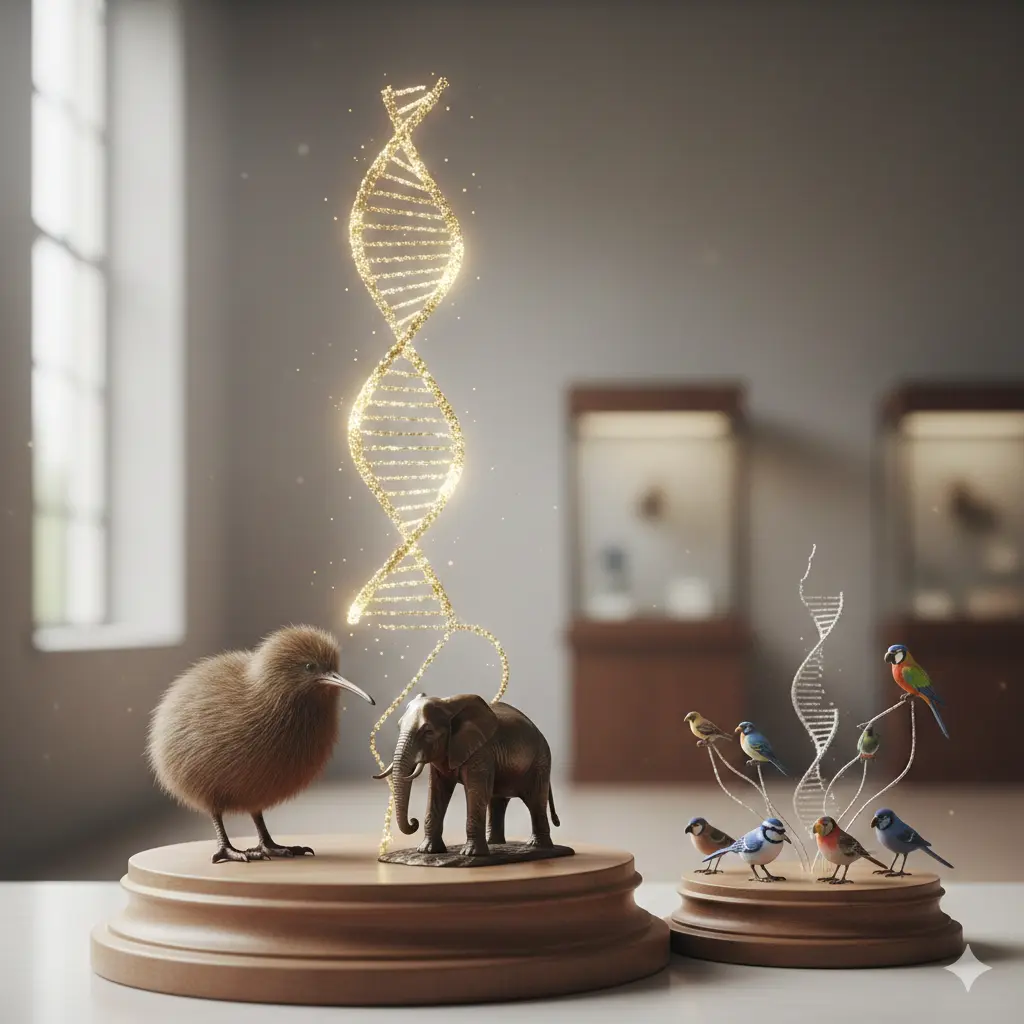
Introduction to Kiwi Birds The kiwi bird is an iconic symbol of New Zealand, and for good reason. These small, flightless birds have captured the hearts o
Sarah covers personal finance, tax, and KiwiSaver topics for Lifetimes NZ. She focuses on making money management straightforward and practical for everyday Kiwis.
Introduction to Kiwi Birds
The kiwi bird is an iconic symbol of New Zealand, and for good reason. These small, flightless birds have captured the hearts of Kiwis and international visitors alike with their unique appearance and intriguing behaviour. However, despite being a bird, the kiwi has some surprising relatives in the animal kingdom. In fact, kiwi birds are more closely related to elephants than other birds. This might seem hard to believe, but it's a fascinating example of the complexities of evolution and the natural world.
As you delve into the world of kiwi birds, you'll realise that they have a number of distinct characteristics that set them apart from other birds. From their soft, fluffy feathers to their long, pointed beaks, kiwi birds are a true marvel of nature. But what makes them so unique, and how did they come to be more closely related to elephants than other birds? To answer these questions, we need to take a closer look at the kiwi's evolutionary history and the science behind their surprising relatives.
In this article, we'll explore the fascinating world of kiwi birds and their unexpected connections to the animal kingdom. We'll examine the evolutionary history of the kiwi, discuss their unique characteristics, and provide practical information on how you can help protect these amazing birds. Whether you're a seasoned birdwatcher or just starting to learn about New Zealand's native wildlife, this article is sure to provide you with a new appreciation for the incredible kiwi bird.
The Evolutionary History of Kiwi Birds
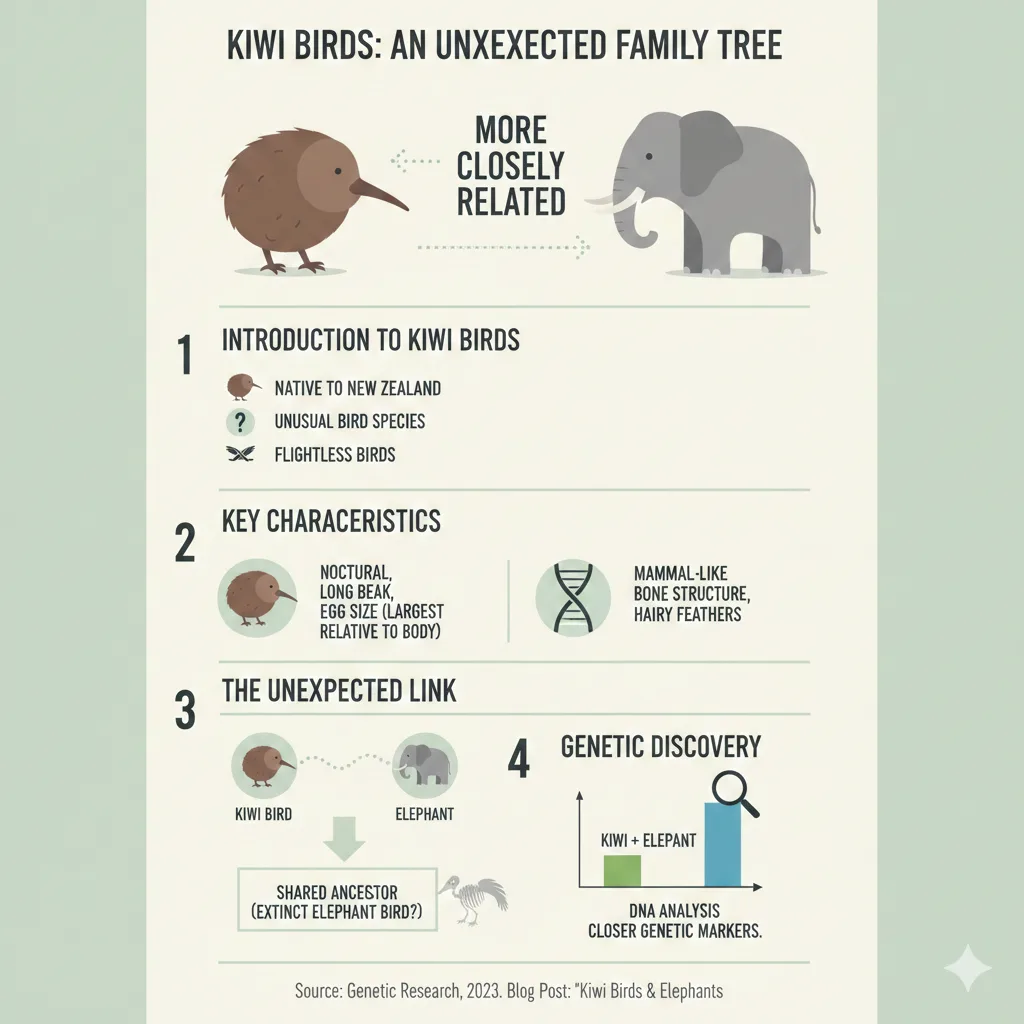
To understand how kiwi birds came to be more closely related to elephants than other birds, we need to take a step back and look at their evolutionary history. The kiwi is a member of the ratite family, a group of large, flightless birds that also includes ostriches, emus, and rheas. However, despite being a bird, the kiwi's DNA reveals a surprising connection to mammals, particularly elephants. This is because the kiwi's ancestors are thought to have diverged from a common ancestor with mammals over 150 million years ago, during the time of the dinosaurs.
As the kiwi's ancestors evolved and adapted to their environment, they developed a number of unique characteristics that set them apart from other birds. These include their flightlessness, their long, pointed beaks, and their soft, fluffy feathers. However, despite these physical differences, the kiwi's DNA still retains a strong connection to their mammalian relatives. In fact, studies have shown that kiwi birds share a number of genetic similarities with elephants, including similarities in their DNA and protein structures.
Key Characteristics of Kiwi Birds
So what makes kiwi birds so unique, and how do their characteristics reflect their evolutionary history? Some of the key characteristics of kiwi birds include:
- Flightlessness: Kiwi birds are unable to fly, and instead use their strong legs and sharp claws to move around.
- Long, pointed beaks: Kiwi birds have long, pointed beaks that they use to search for food in the dark.
- Soft, fluffy feathers: Kiwi birds have soft, fluffy feathers that help to keep them warm in cold temperatures.
- Strong sense of smell: Kiwi birds have a highly developed sense of smell, which they use to search for food and detect predators.
The Connection to Elephants
So how did kiwi birds come to be more closely related to elephants than other birds? The answer lies in the kiwi's evolutionary history and the science of genetics. As we mentioned earlier, the kiwi's ancestors are thought to have diverged from a common ancestor with mammals over 150 million years ago. This means that the kiwi's DNA still retains a number of genetic similarities with mammals, including elephants.
In fact, studies have shown that kiwi birds and elephants share a number of genetic similarities, including similarities in their DNA and protein structures. These similarities are thought to be the result of a common ancestor that lived hundreds of millions of years ago, and are a testament to the complex and interconnected nature of the natural world.
Implications of the Kiwi-Elephant Connection
The connection between kiwi birds and elephants has a number of implications for our understanding of the natural world. For one, it highlights the complex and interconnected nature of evolution, and the ways in which different species can be connected through their DNA. It also underscores the importance of conservation and protecting endangered species, as the loss of a single species can have far-reaching consequences for the entire ecosystem.
Conservation Efforts for Kiwi Birds
As we learn more about the fascinating world of kiwi birds and their connections to the animal kingdom, it's also important to consider the conservation efforts that are in place to protect these amazing birds. Kiwi birds are currently listed as endangered, and are threatened by a number of factors including habitat loss, predation, and disease.
To help protect kiwi birds, there are a number of conservation efforts underway in New Zealand. These include:
- Habitat protection: Efforts to protect and restore kiwi habitats, including the creation of predator-free sanctuaries and the restoration of native forests.
- Predator control: Efforts to control predators such as stoats, cats, and dogs, which are a major threat to kiwi birds.
- Breeding programs: Breeding programs aimed at increasing kiwi bird populations and reducing the risk of extinction.
What You Can Do to Help
As a New Zealand resident or visitor, there are a number of ways you can help protect kiwi birds and support conservation efforts. Some of these include:
- Supporting conservation organisations: Consider supporting organisations such as the Kiwi Conservation Club or the New Zealand Conservation Trust, which work to protect kiwi habitats and reduce the risk of extinction.
- Reducing your impact: Take steps to reduce your impact on the environment, such as reducing your carbon footprint, using eco-friendly products, and disposing of waste properly.
- Learning more: Continue to learn more about kiwi birds and the conservation efforts that are in place to protect them. By staying informed and engaged, you can help make a positive difference for these amazing birds.
Conclusion and Key Takeaways
In conclusion, the kiwi bird is a fascinating and unique species that is more closely related to elephants than other birds. By exploring the kiwi's evolutionary history, characteristics, and connections to the animal kingdom, we can gain a deeper appreciation for the complex and interconnected nature of the natural world.
Some of the key takeaways from this article include:
- Kiwi birds are more closely related to elephants than other birds, due to their shared evolutionary history and genetic similarities.
- Conservation efforts are underway to protect kiwi birds, including habitat protection, predator control, and breeding programs.
- You can help support kiwi bird conservation by supporting conservation organisations, reducing your impact, and learning more about these amazing birds.
By working together to protect kiwi birds and support conservation efforts, we can help ensure the long-term survival of this incredible species and preserve the natural beauty and diversity of New Zealand's wildlife.
Related Articles

The Powelliphanta Snail Takes 10 Years to Reach Maturity
Introduction to the Powelliphanta Snail The Powelliphanta snail is a unique and fascinating creature that can be found in the wilds of New Zealand. One of
New Zealand Has Giant Carnivorous Land Snails
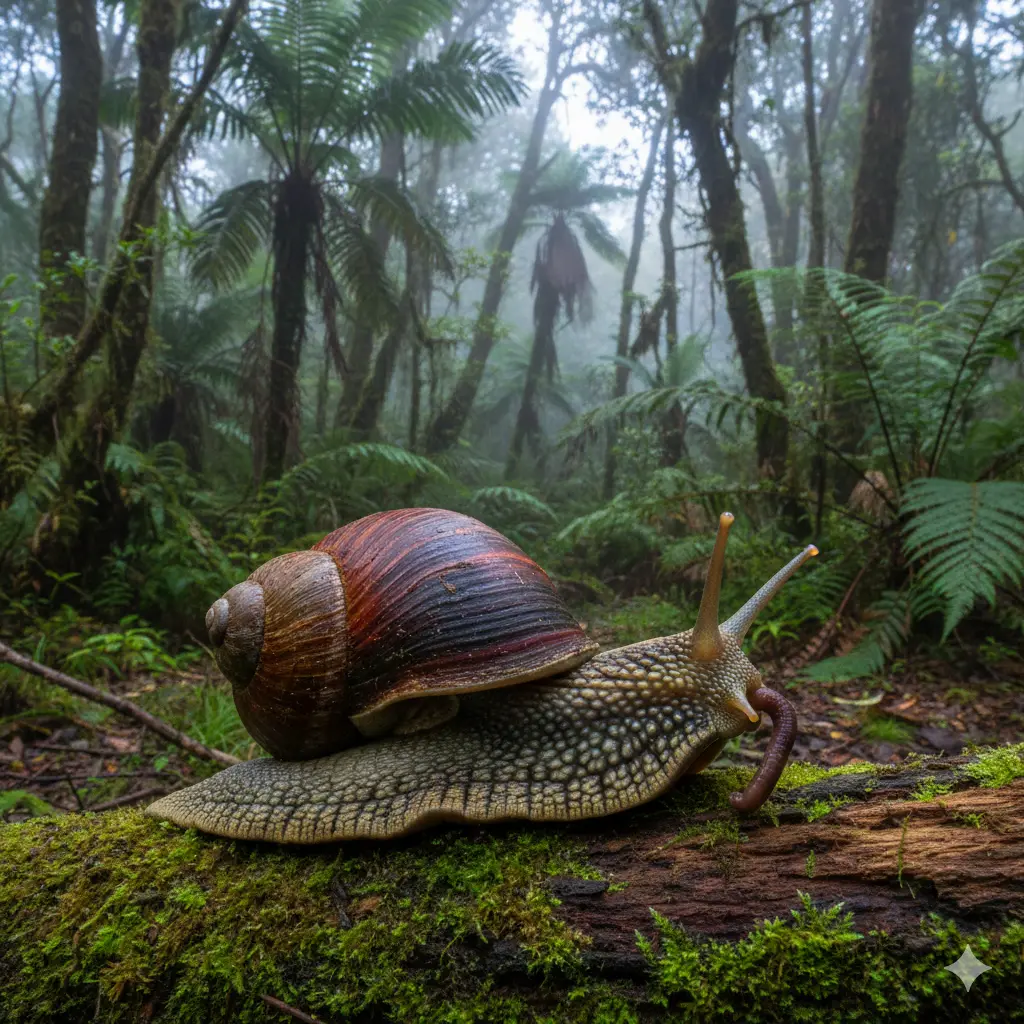
Introduction to New Zealand's Giant Carnivorous Land Snails New Zealand is renowned for its unique and diverse wildlife, with many species found nowhere el
The Royal Albatross Has the Largest Wingspan of Any Bird
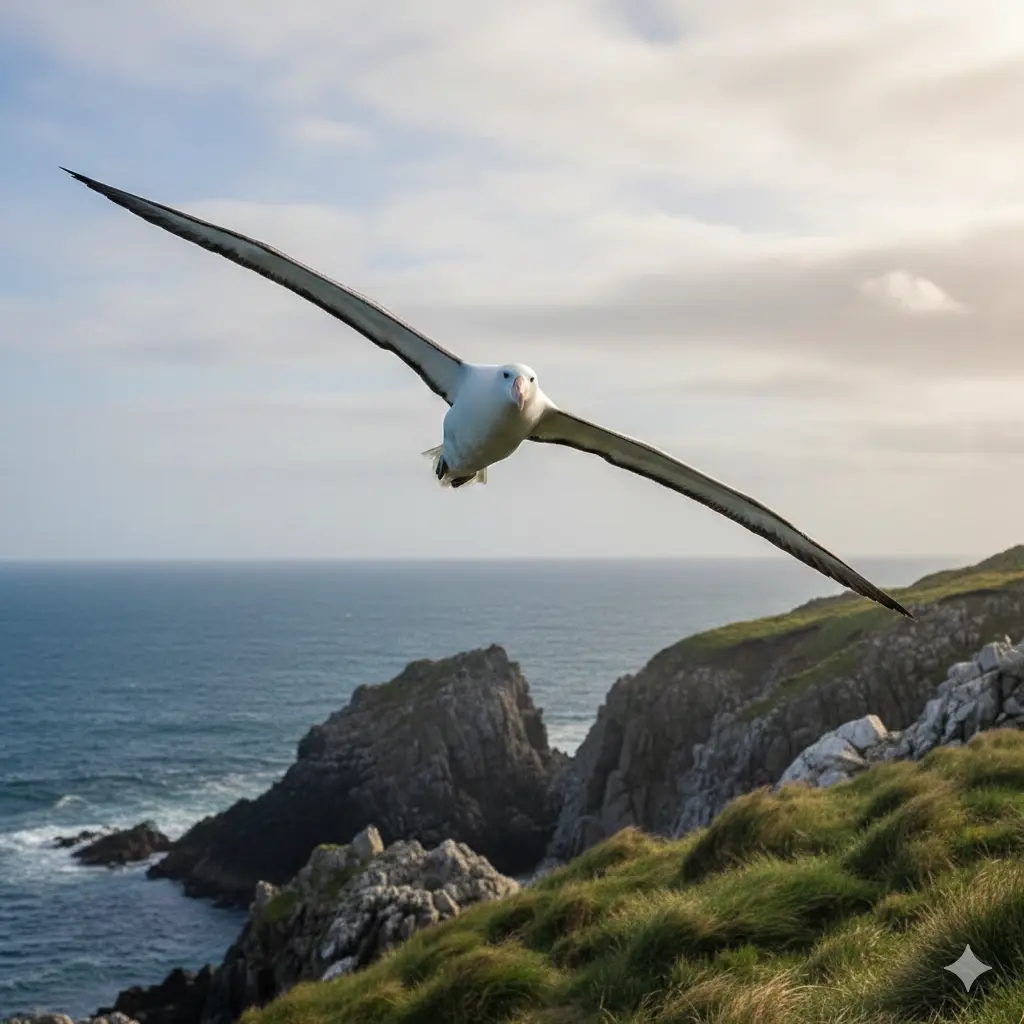
Introduction to the Royal Albatross The Royal Albatross is a magnificent bird species that can be found in New Zealand, particularly in the Otago Peninsula
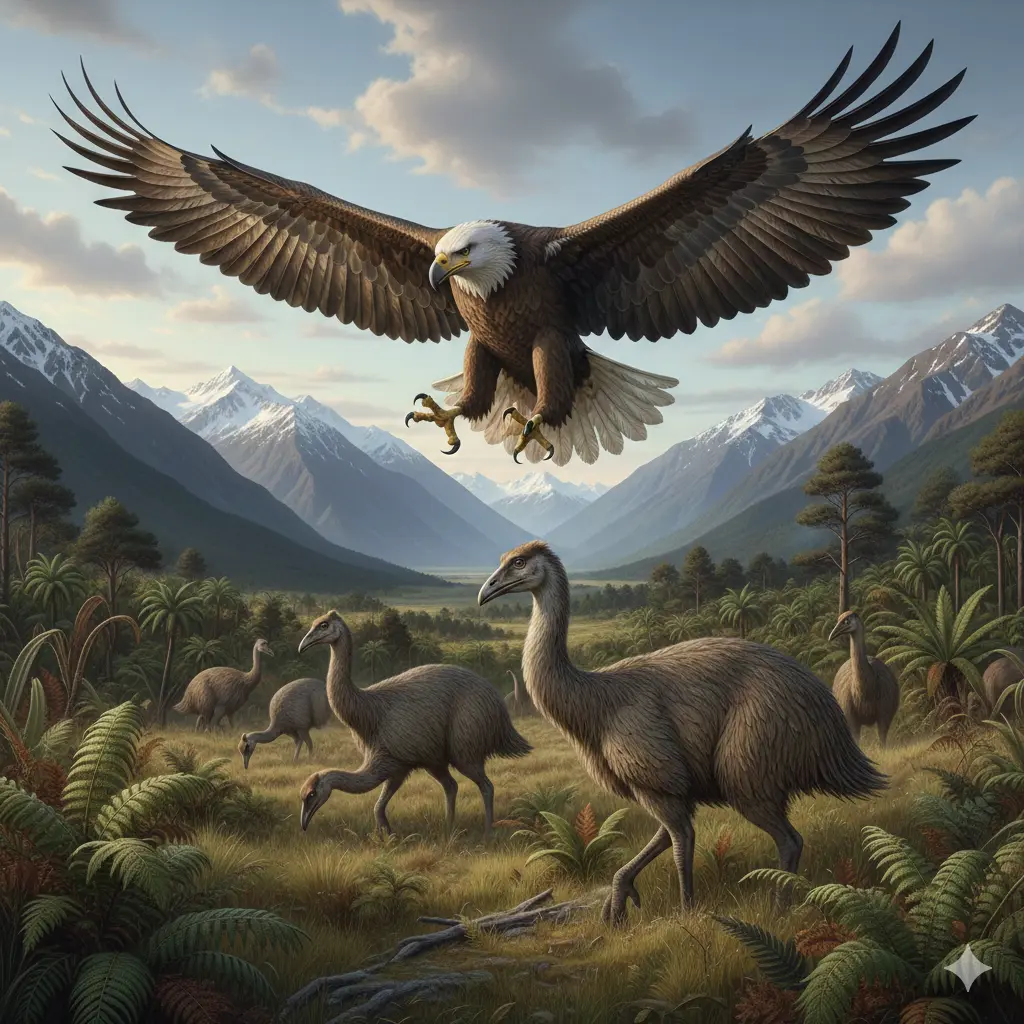
New Zealand Once Had a Giant Eagle That Hunted Moa
Introduction to New Zealand's Wildlife Wonders New Zealand is renowned for its unique and fascinating wildlife. From the kiwi, our national symbol, to the