New Zealand Has Giant Carnivorous Land Snails
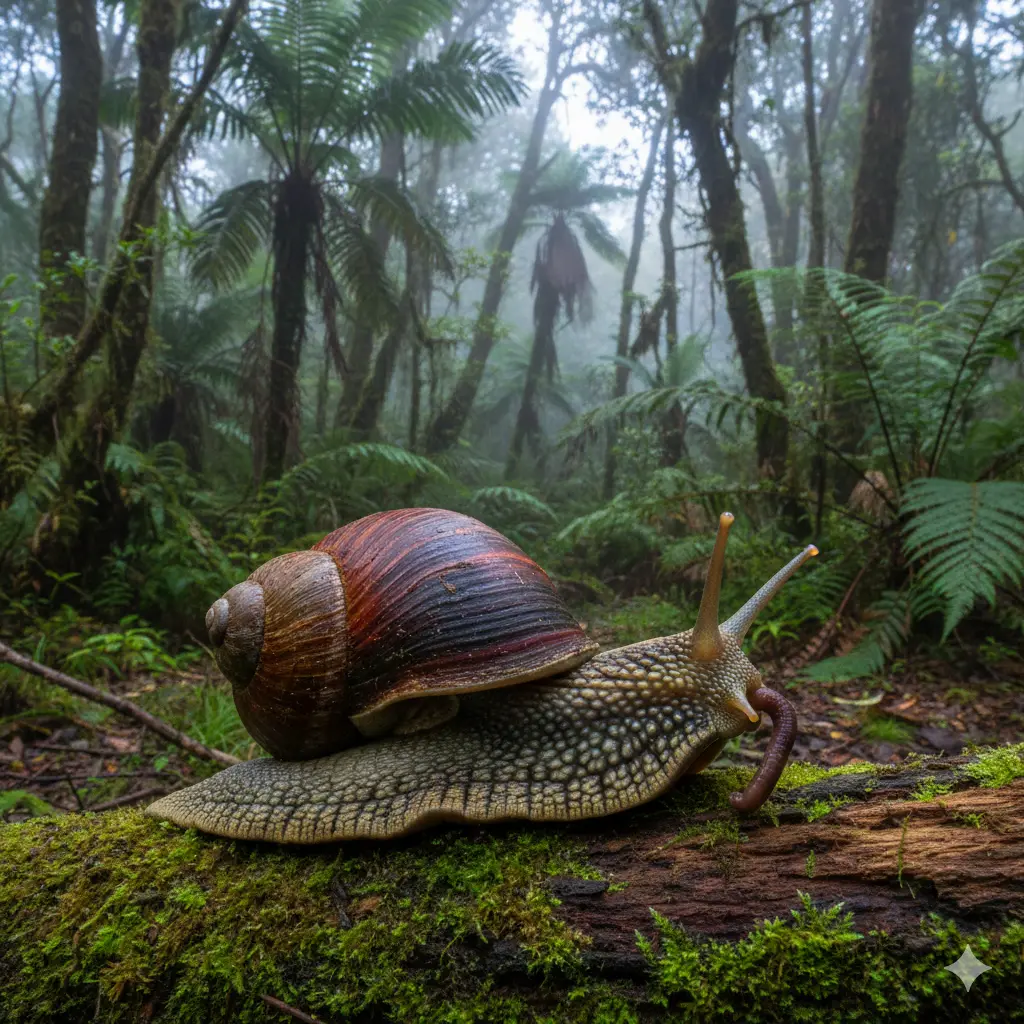
Introduction to New Zealand's Giant Carnivorous Land Snails New Zealand is renowned for its unique and diverse wildlife, with many species found nowhere el
Daniel covers technology, cybersecurity, and small business topics for Lifetimes NZ. He breaks down tech news and digital trends for a general audience.
Introduction to New Zealand's Giant Carnivorous Land Snails
New Zealand is renowned for its unique and diverse wildlife, with many species found nowhere else in the world. One of the most fascinating and lesser-known creatures is the giant carnivorous land snail, specifically the Powelliphanta species. These impressive snails are not only a wonder to behold but also play a crucial role in New Zealand's ecosystem. In this article, we will delve into the world of these giant carnivorous land snails, exploring their habitat, behaviour, and the importance of conservation efforts.
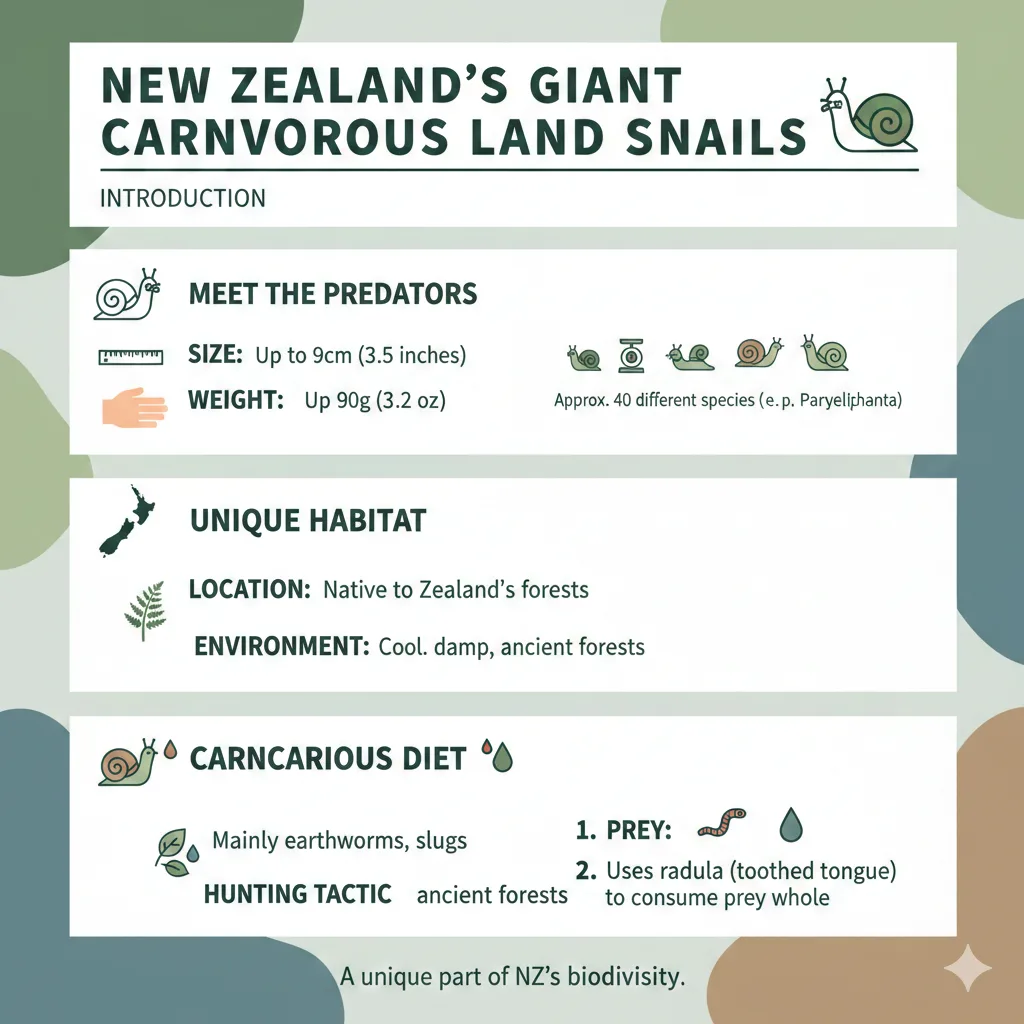
The Powelliphanta snails are found in the wild, primarily in the South Island, and can grow up to 9 cm in shell length, making them one of the largest land snails in the world. These snails are carnivorous, feeding on earthworms, insects, and even other snails. Their unique characteristics and adaptations have allowed them to thrive in New Zealand's environment, and it is essential to understand and appreciate these incredible creatures.
As a New Zealander, you may have encountered these snails while exploring the outdoors, or perhaps you are simply interested in learning more about the country's unique wildlife. Whatever your reason, this article aims to provide you with a comprehensive understanding of the giant carnivorous land snails, including their habitat, behaviour, and the steps you can take to help conserve these amazing creatures.
Habitat and Distribution
The Powelliphanta snails are primarily found in the South Island, with different species inhabiting various regions. These snails prefer areas with high humidity, moderate temperatures, and abundant food sources. They can be found in a range of habitats, including:
- Native forests
- Grasslands
- Wetlands
- Coastal areas
It is essential to note that the Powelliphanta snails are often found in areas with rich soil and abundant earthworm populations, which provide them with a reliable food source. If you are interested in spotting these snails in the wild, it is crucial to respect their habitat and follow guidelines to minimize your impact on the environment.
Tips for Snail Spotting
If you are eager to catch a glimpse of the giant carnivorous land snails, here are some tips to keep in mind:
- Visit areas with high humidity and moderate temperatures
- Look for snails in areas with abundant earthworm populations
- Be gentle and respectful when handling snails, as they can be easily injured
- Avoid touching or handling snails excessively, as this can cause stress and harm to the creature
Behaviour and Diet
The Powelliphanta snails are nocturnal creatures, spending most of their time underground or in hidden areas during the day. At night, they emerge to feed on their preferred prey, which includes:
- Earthworms
- Insects
- Other snails
- Carrion
These snails have a unique way of hunting, using their powerful foot to capture and subdue their prey. They also have a radula, a tongue-like structure with tiny teeth, which they use to scrape and grind their food.
Interesting Snail Facts
Here are some fascinating facts about the giant carnivorous land snails:
- They can live up to 20 years in the wild
- They are hermaphrodites, meaning they have both male and female reproductive organs
- They can store sperm from multiple mates, allowing them to fertilize their eggs at a later time
- They are important indicators of ecosystem health, as changes in snail populations can signal broader environmental issues
Conservation Status
Unfortunately, the Powelliphanta snails are facing numerous threats, including:
- Habitat destruction and fragmentation
- Predation by introduced species, such as rats and cats
- Climate change
- Collection for the pet trade
As a result, many Powelliphanta species are listed as threatened or endangered, and conservation efforts are necessary to protect these unique creatures. You can play a role in helping to conserve the giant carnivorous land snails by:
- Supporting conservation organizations and initiatives
- Spreading awareness about the importance of snail conservation
- Reducing your impact on the environment, such as reducing waste and using eco-friendly products
What You Can Do to Help
There are many ways you can contribute to the conservation of the giant carnivorous land snails, including:
- Volunteering: Join local conservation groups or organizations to participate in snail surveys, habitat restoration, and other conservation efforts.
- Supporting conservation initiatives: Donate to reputable organizations or participate in fundraising events to help support snail conservation.
- Reducing your impact: Make environmentally friendly choices, such as reducing your use of pesticides and herbicides, which can harm snails and other wildlife.
- Spreading awareness: Share your knowledge with others, and encourage friends and family to learn more about the importance of snail conservation.
Conclusion and Key Takeaways
In conclusion, the giant carnivorous land snails of New Zealand are fascinating creatures that play a vital role in the country's ecosystem. By understanding their habitat, behaviour, and conservation status, you can appreciate the importance of protecting these unique animals. Remember, every small action counts, and by working together, we can help conserve the Powelliphanta snails and preserve New Zealand's natural heritage.
Key takeaways from this article include:
- The Powelliphanta snails are giant, carnivorous land snails found primarily in the South Island
- They are an important part of New Zealand's ecosystem, and their conservation is crucial
- You can help conserve the snails by supporting conservation efforts, reducing your impact on the environment, and spreading awareness about the importance of snail conservation
- By working together, we can protect these incredible creatures and preserve New Zealand's unique wildlife for future generations.
Related Articles
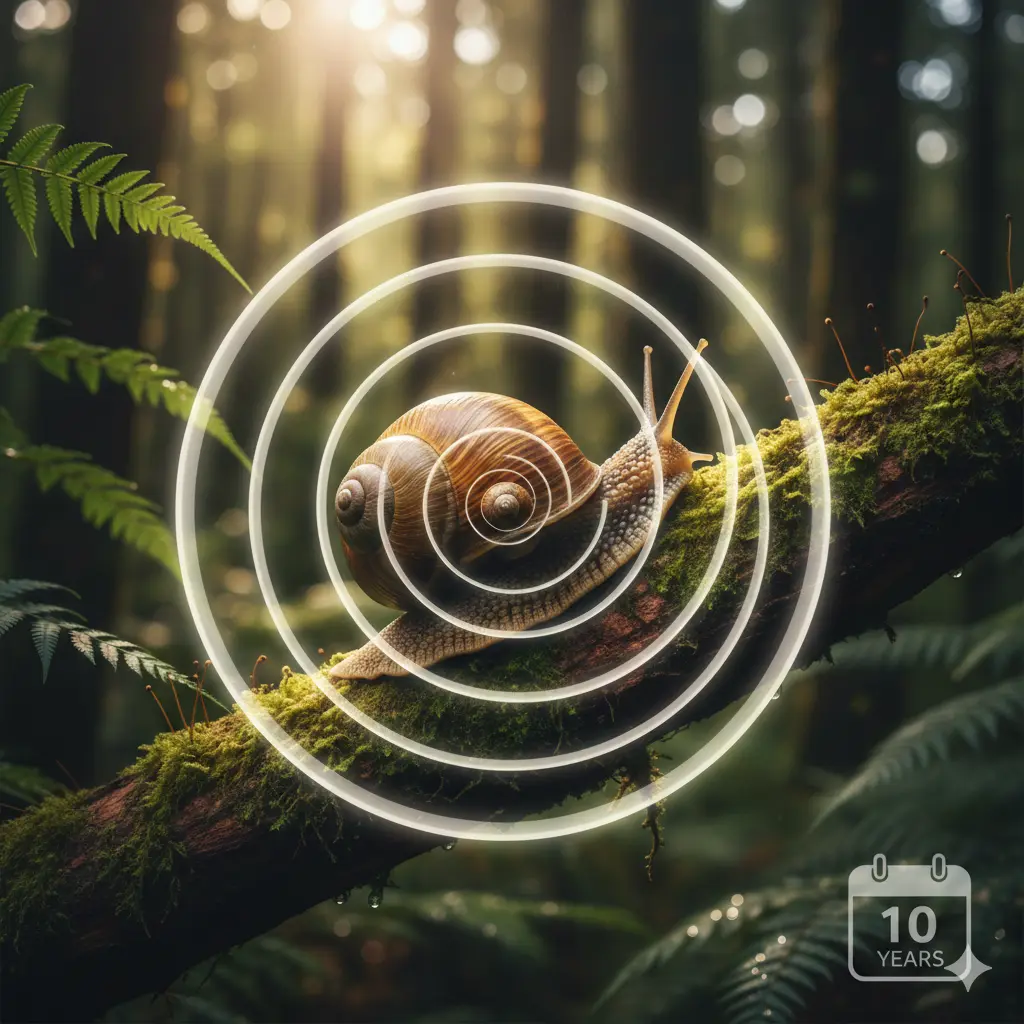
The Powelliphanta Snail Takes 10 Years to Reach Maturity
Introduction to the Powelliphanta Snail The Powelliphanta snail is a unique and fascinating creature that can be found in the wilds of New Zealand. One of
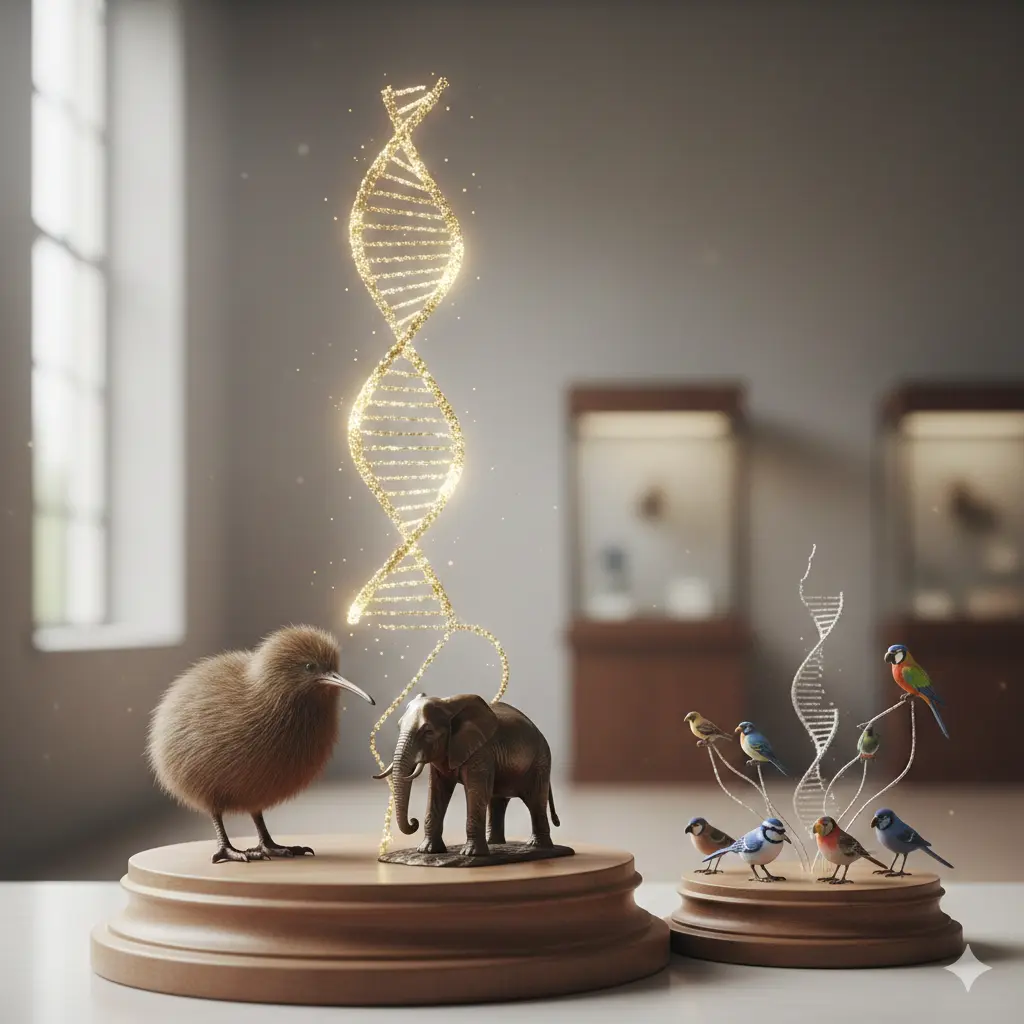
Kiwi Birds Are More Closely Related to Elephants Than Other Birds
Introduction to Kiwi Birds The kiwi bird is an iconic symbol of New Zealand, and for good reason. These small, flightless birds have captured the hearts o
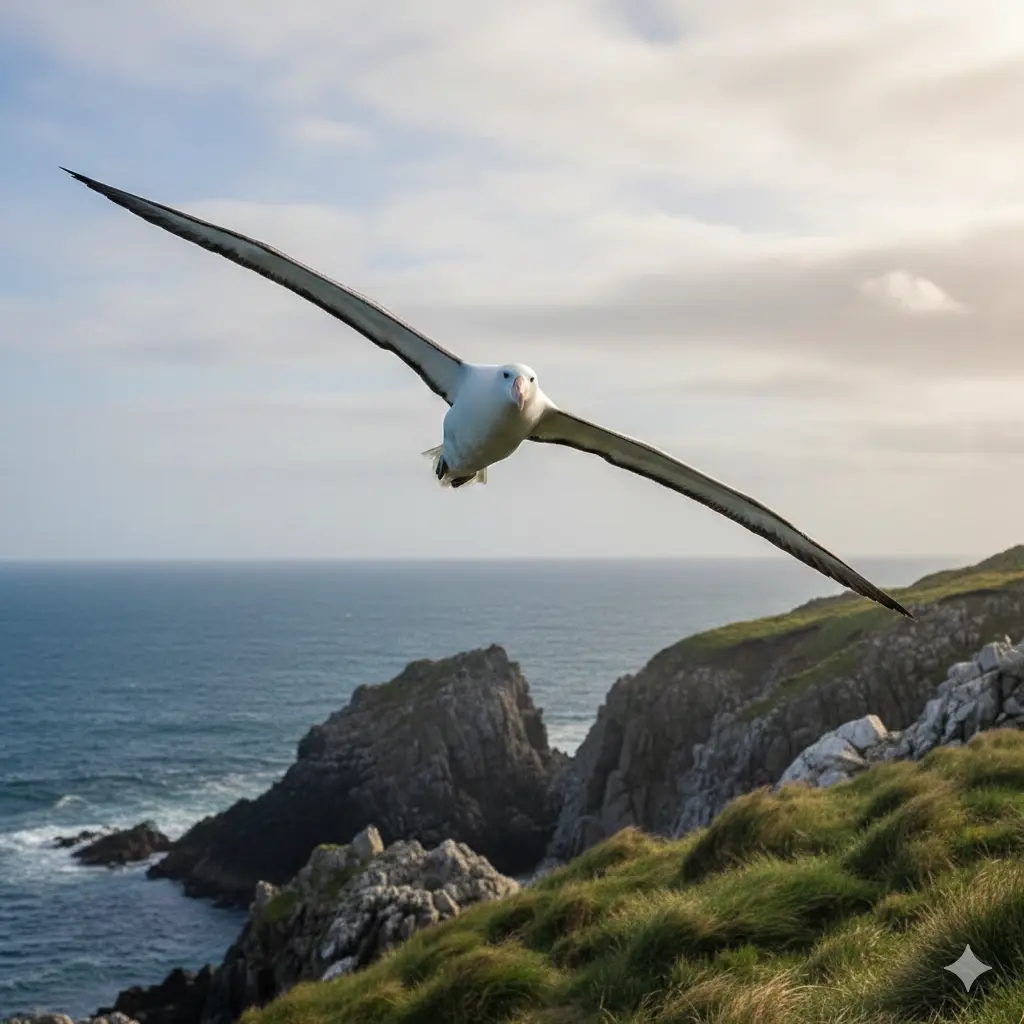
The Royal Albatross Has the Largest Wingspan of Any Bird
Introduction to the Royal Albatross The Royal Albatross is a magnificent bird species that can be found in New Zealand, particularly in the Otago Peninsula
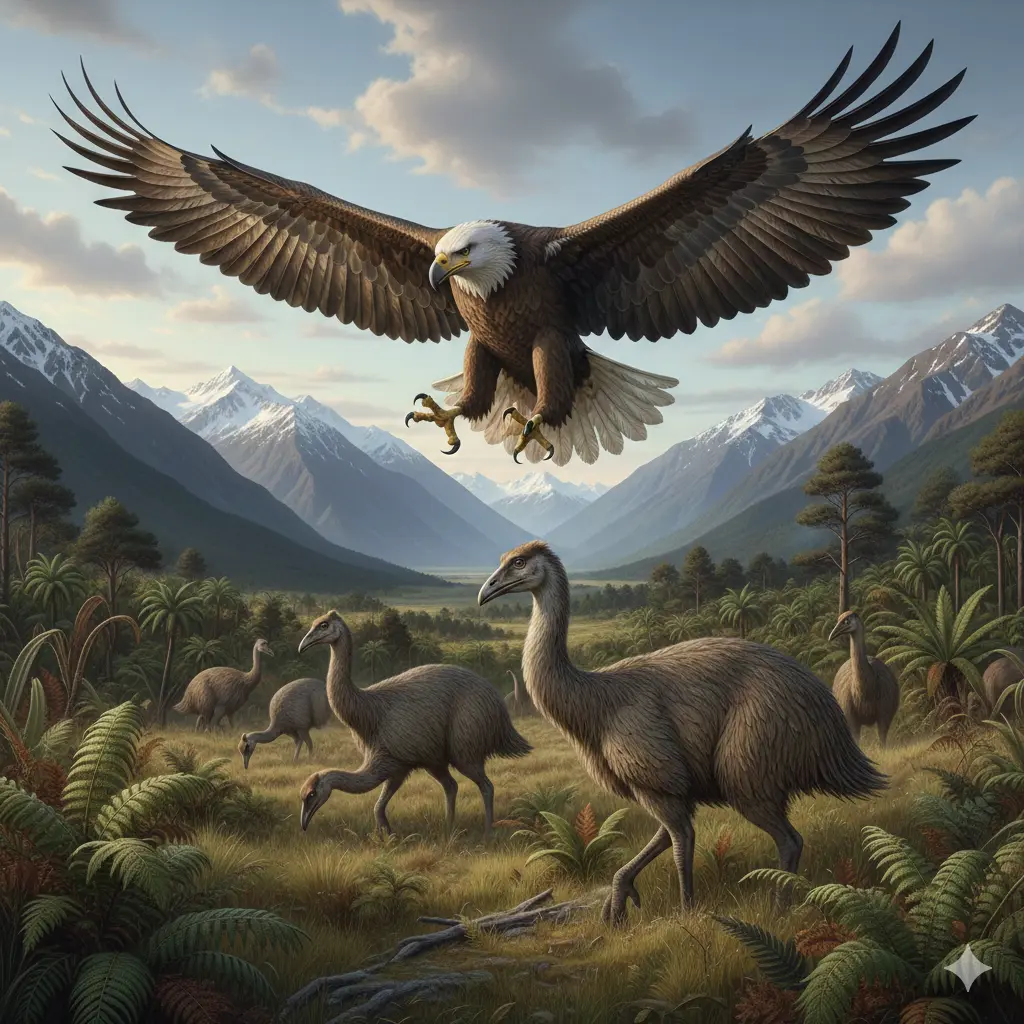
New Zealand Once Had a Giant Eagle That Hunted Moa
Introduction to New Zealand's Wildlife Wonders New Zealand is renowned for its unique and fascinating wildlife. From the kiwi, our national symbol, to the