New Zealand Once Had a Giant Eagle That Hunted Moa
Introduction to New Zealand's Wildlife Wonders New Zealand is renowned for its unique and fascinating wildlife. From the kiwi, our national symbol, to the
Sarah covers personal finance, tax, and KiwiSaver topics for Lifetimes NZ. She focuses on making money management straightforward and practical for everyday Kiwis.
Introduction to New Zealand's Wildlife Wonders
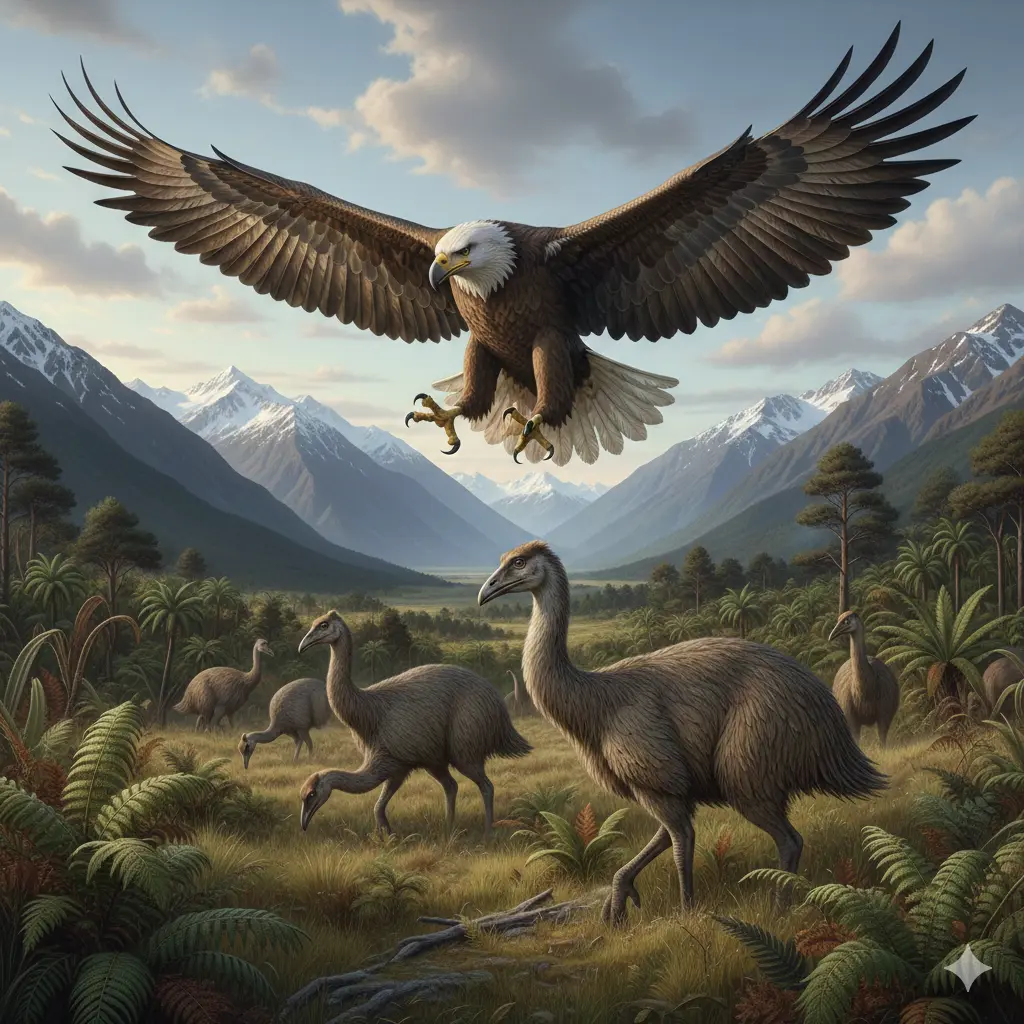
New Zealand is renowned for its unique and fascinating wildlife. From the kiwi, our national symbol, to the kea, the world's only alpine parrot, our country is home to a diverse range of birds, many of which are found nowhere else on Earth. However, New Zealand's wildlife history is not just about the birds that currently inhabit our shores. In the past, our country was home to some truly remarkable creatures, including the giant eagle, also known as the Haast's eagle or Harpagornis moorei. This incredible bird of prey was one of the largest eagles to have ever existed, and it played a crucial role in New Zealand's ecosystem.
The giant eagle is an important part of New Zealand's natural history, and its story is closely tied to that of the moa, our iconic, flightless bird. The moa was a significant part of New Zealand's wildlife, with several species roaming our forests and grasslands. Unfortunately, both the giant eagle and the moa are now extinct, but their legacy lives on, and there is much we can learn from their stories. In this article, we will delve into the world of the giant eagle and explore its relationship with the moa, as well as the factors that led to their extinction.
New Zealand's unique wildlife is a significant part of our country's identity, and it is essential that we understand and appreciate our natural history. By learning about the giant eagle and the moa, you will gain a deeper insight into the complex and fascinating world of New Zealand's wildlife. You will also discover the importance of conservation and the need to protect our remaining native species. So, let's embark on this journey and explore the remarkable story of the giant eagle and its place in New Zealand's wildlife wonders.
The Giant Eagle: A Bird of Prey Like No Other
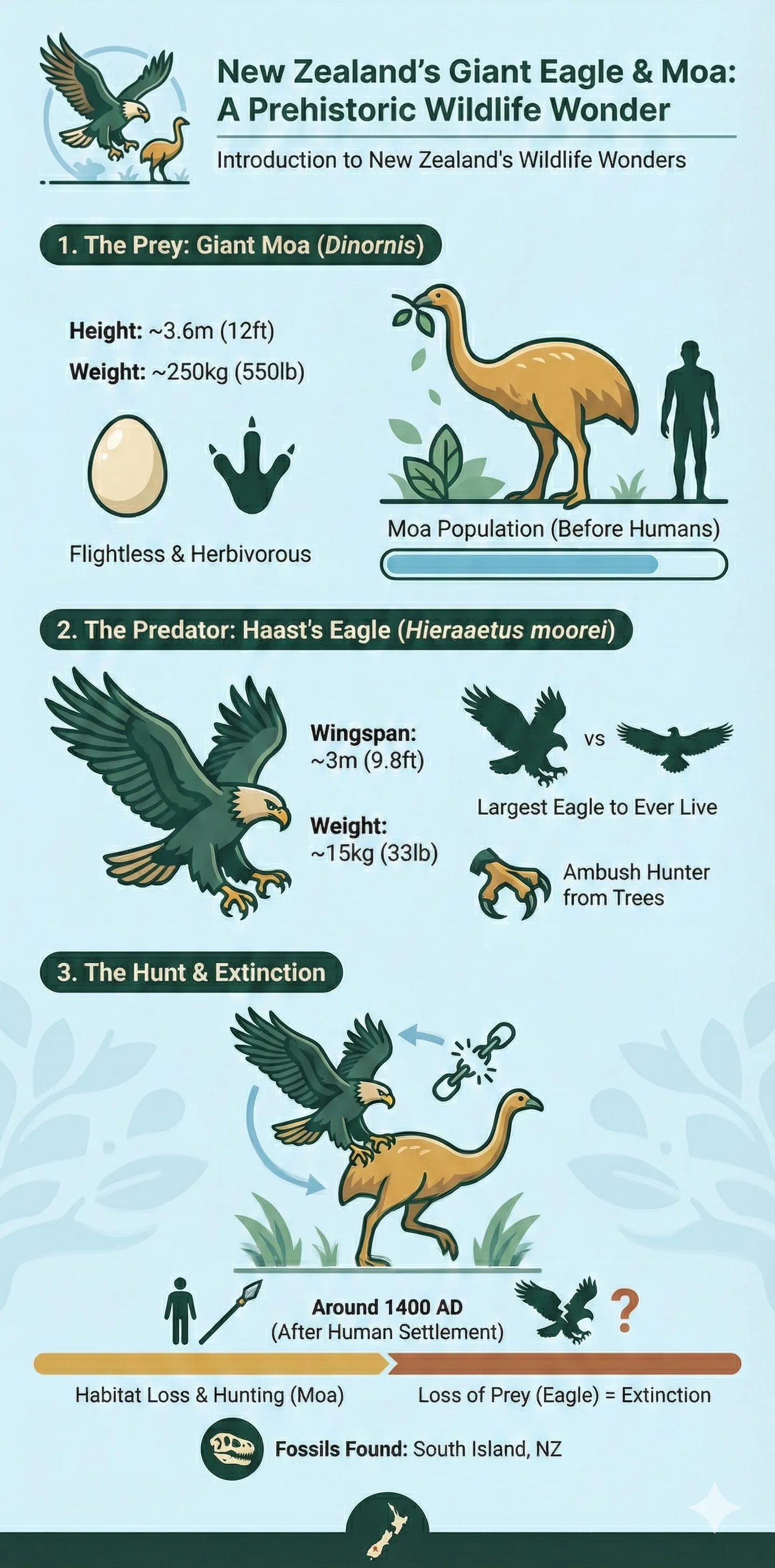
The giant eagle was an enormous bird, with estimates suggesting that it weighed between 10-15 kilograms and had a wingspan of up to 2.5 metres. This made it one of the largest eagles to have ever existed, and it was likely one of the most powerful birds of prey in the world. The giant eagle was a formidable hunter, with sharp talons and a strong beak, perfectly adapted for catching and killing its prey. Its wings were broad and rounded, allowing it to soar and glide with ease, making it a highly efficient hunter.
The giant eagle's diet consisted mainly of moa, which were abundant in New Zealand at the time. The moa was a large, flightless bird that roamed our forests and grasslands, and it provided a rich source of food for the giant eagle. The eagle's hunting strategy was likely to involve stealth and ambush, using its powerful talons to catch its prey off guard. This approach would have allowed the eagle to take down moa with relative ease, making it a highly successful hunter.
What We Can Learn from the Giant Eagle
The giant eagle's story is a fascinating one, and there is much we can learn from its history. By studying the giant eagle and its relationship with the moa, we can gain a deeper understanding of the complex interactions within ecosystems. We can also learn about the importance of conservation and the need to protect our native species. Some key takeaways from the giant eagle's story include:
- The importance of preserving natural habitats and ecosystems
- The need to protect native species from invasive predators and other threats
- The value of learning from our natural history to inform conservation efforts
The Moa: New Zealand's Iconic Flightless Bird
The moa was a remarkable bird, with several species existing in New Zealand at the time. The moa was a flightless bird, meaning it was unable to fly, and it had a number of distinct characteristics that set it apart from other birds. The moa was a large bird, with some species reaching heights of up to 3.6 metres and weighing as much as 230 kilograms. This made it one of the largest birds to have ever existed, and it played a significant role in New Zealand's ecosystem.
The moa was a herbivore, feeding on a variety of plants, including leaves, seeds, and fruits. It had a unique beak that was perfectly adapted for its diet, allowing it to eat a wide range of plants. The moa was also a social bird, often living in small groups and interacting with each other in complex ways. Unfortunately, the moa is now extinct, and its legacy lives on only in our imagination and in the fossil record.
Moa Species and Their Habitats
There were several species of moa, each with its own unique characteristics and habitats. Some of the most well-known moa species include:
- The giant moa (Dinornis robustus), which was the largest of all the moa species
- The little bush moa (Anomalopteryx didiformis), which was one of the smallest moa species
- The upland moa (Megalapteryx didinus), which lived in the mountainous regions of New Zealand
The Extinction of the Giant Eagle and the Moa
The giant eagle and the moa are both now extinct, and their extinction is a sad reminder of the impact that human activity can have on the natural world. The introduction of invasive species, such as rats, cats, and dogs, had a devastating effect on New Zealand's native wildlife, including the giant eagle and the moa. These introduced species preyed upon the moa and its eggs, leading to a rapid decline in moa populations. The giant eagle, which relied on the moa as its primary source of food, was also severely impacted by the decline of the moa.
Factors Contributing to Extinction
There were several factors that contributed to the extinction of the giant eagle and the moa, including:
- Habitat destruction and degradation, which reduced the availability of food and shelter for native species
- Hunting and poaching, which directly targeted the moa and other native species
- Climate change, which may have altered the distribution and abundance of food resources for native species
Conservation Efforts: Protecting New Zealand's Native Wildlife
The story of the giant eagle and the moa serves as a reminder of the importance of conservation and the need to protect our native species. There are many conservation efforts underway in New Zealand, aimed at preserving our natural heritage and protecting our native wildlife. These efforts include:
- Habitat restoration and protection, which involves restoring and preserving natural habitats for native species
- Species management, which involves managing populations of native species to ensure their long-term survival
- Education and awareness, which involves educating the public about the importance of conservation and the need to protect our native wildlife
Getting Involved in Conservation
You can play a role in conservation efforts by:
- Supporting conservation organisations, such as the Department of Conservation and Forest & Bird
- Volunteering for conservation projects, such as tree planting and wildlife monitoring
- Spreading awareness about the importance of conservation and the need to protect our native wildlife
Conclusion and Key Takeaways
The story of the giant eagle and the moa is a fascinating one, and it highlights the importance of conservation and the need to protect our native species. By learning from the past, we can inform our conservation efforts and work towards preserving our natural heritage. Some key takeaways from this article include:
- The importance of preserving natural habitats and ecosystems
- The need to protect native species from invasive predators and other threats
- The value of learning from our natural history to inform conservation efforts
- The importance of community involvement in conservation efforts, including volunteering, supporting conservation organisations, and spreading awareness about the importance of conservation.
By working together, we can make a difference and help protect New Zealand's unique and fascinating wildlife. So, let's get involved and make a positive impact on our environment. The future of our native species depends on it.
Related Articles
The Powelliphanta Snail Takes 10 Years to Reach Maturity
Introduction to the Powelliphanta Snail The Powelliphanta snail is a unique and fascinating creature that can be found in the wilds of New Zealand. One of
Kiwi Birds Are More Closely Related to Elephants Than Other Birds
Introduction to Kiwi Birds The kiwi bird is an iconic symbol of New Zealand, and for good reason. These small, flightless birds have captured the hearts o
New Zealand Has Giant Carnivorous Land Snails
Introduction to New Zealand's Giant Carnivorous Land Snails New Zealand is renowned for its unique and diverse wildlife, with many species found nowhere el
The Royal Albatross Has the Largest Wingspan of Any Bird
Introduction to the Royal Albatross The Royal Albatross is a magnificent bird species that can be found in New Zealand, particularly in the Otago Peninsula