The Royal Albatross Has the Largest Wingspan of Any Bird
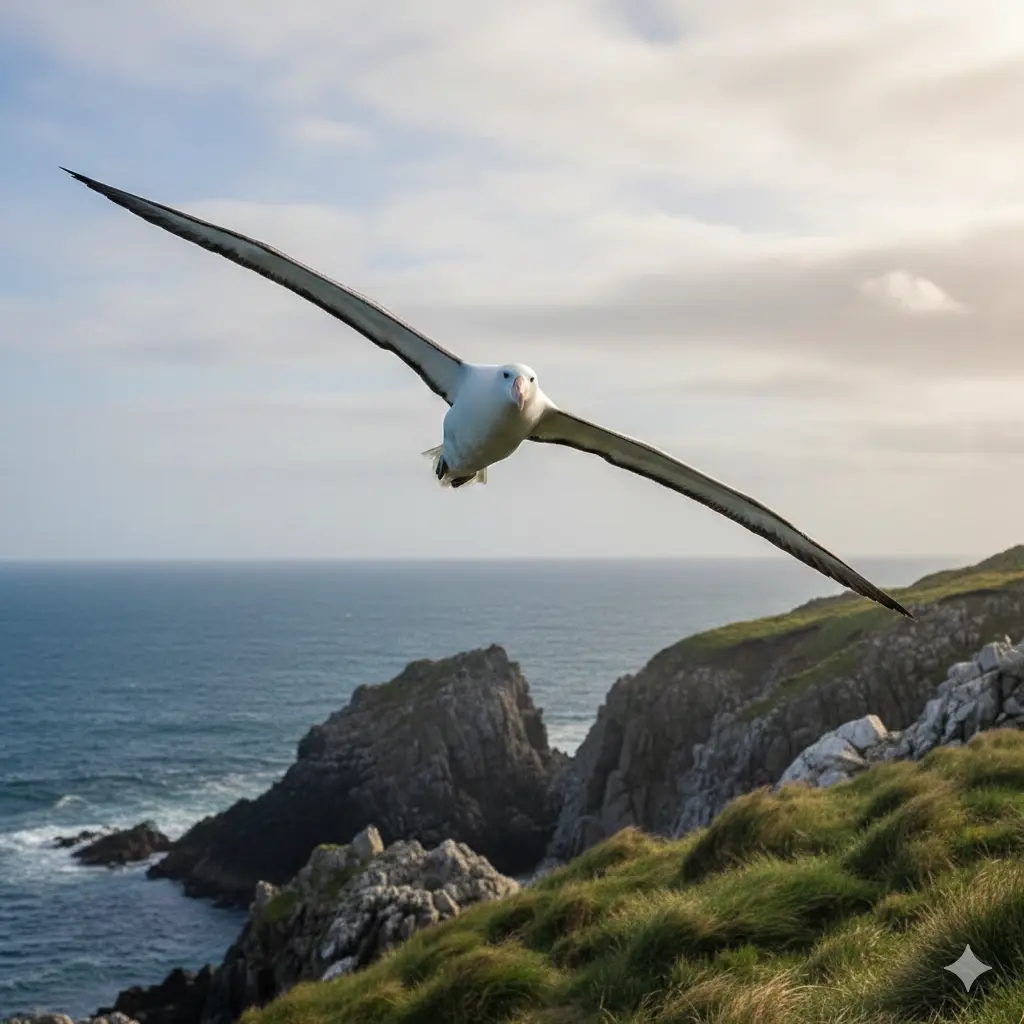
Introduction to the Royal Albatross The Royal Albatross is a magnificent bird species that can be found in New Zealand, particularly in the Otago Peninsula
Tom covers travel, lifestyle, and cost-of-living topics across New Zealand. He writes practical guides on transport, day trips, outdoor activities, and everyday life in Aotearoa.
Introduction to the Royal Albatross
The Royal Albatross is a magnificent bird species that can be found in New Zealand, particularly in the Otago Peninsula. This incredible bird is known for its impressive wingspan, which is the largest of any bird in the world. Reaching up to 3.5 metres in length, the Royal Albatross's wingspan is a sight to behold, and it's a wonder that you can witness in person if you're lucky enough to visit their habitat.
As you learn more about the Royal Albatross, you'll realise that these birds are not only impressive in terms of their physical characteristics, but they're also fascinating creatures with unique behaviours and habitats. In this article, we'll delve into the world of the Royal Albatross, exploring their wingspan, habitat, behaviour, and conservation status. We'll also provide you with practical information and actionable advice on how to spot these birds in the wild and support their conservation.
New Zealand is a haven for birdwatchers and nature enthusiasts, with its diverse range of flora and fauna. The Royal Albatross is just one of the many incredible bird species that call New Zealand home, and it's a great example of the country's unique and fascinating wildlife. Whether you're a seasoned birdwatcher or just starting to learn about the natural world, the Royal Albatross is definitely a species worth learning more about.
The Largest Wingspan of Any Bird
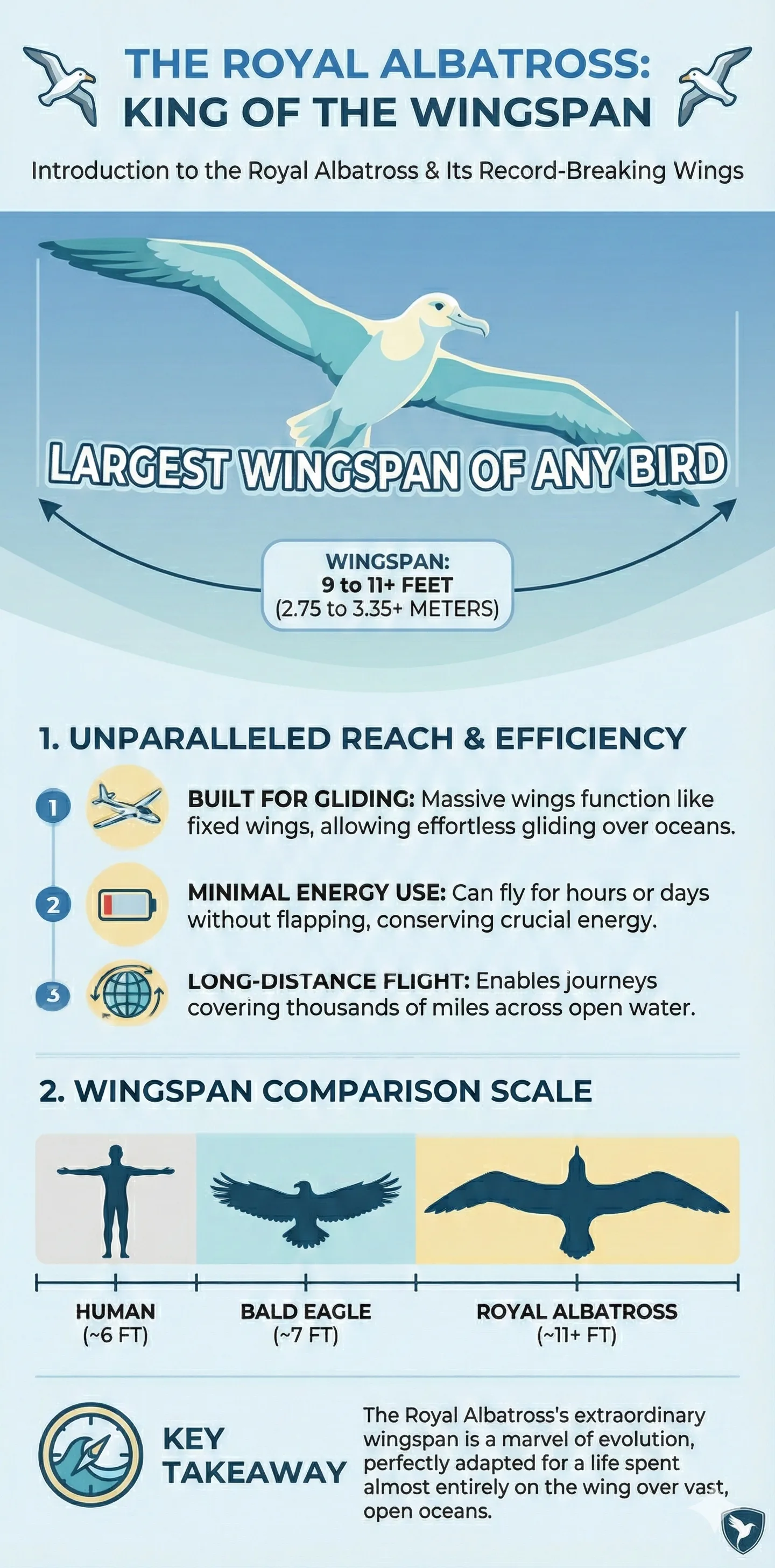
The Royal Albatross's wingspan is truly one of its most impressive features. Reaching up to 3.5 metres in length, their wings are not only long, but they're also incredibly narrow, with a width of just 50-60 cm. This unique wing shape allows the Royal Albatross to glide and soar for long periods of time, covering vast distances with minimal effort. In fact, these birds are known to travel over 1,000 km in a single day, making them one of the most efficient flyers in the bird world.
But what makes the Royal Albatross's wingspan so unique? The answer lies in their skeleton, which is made up of lightweight yet incredibly strong bones. This, combined with their powerful chest muscles, allows them to flap their wings and take off with ease. And once they're in the air, their wings are designed to maximise lift and minimise drag, making them expert gliders.
Some key facts about the Royal Albatross's wingspan include:
- The Royal Albatross has the largest wingspan of any bird, reaching up to 3.5 metres in length
- Their wings are incredibly narrow, with a width of just 50-60 cm
- The Royal Albatross can glide and soar for long periods of time, covering vast distances with minimal effort
- They are known to travel over 1,000 km in a single day
Habitat and Distribution
The Royal Albatross is found in the southern hemisphere, with breeding colonies located in New Zealand, Australia, and South Africa. In New Zealand, the Royal Albatross can be found on the Otago Peninsula, where they breed and raise their young. The peninsula provides a unique and protected habitat for the birds, with its rugged coastline and rolling hills.
The Royal Albatross is a coastal bird, and they can be found in a variety of habitats, including:
- Coastal cliffs and headlands
- Islands and rocky outcrops
- Sandy beaches and dunes
- Estuaries and coastal wetlands
These birds are highly adapted to life at sea, with a range of unique physical and behavioural characteristics that allow them to thrive in this environment. They're excellent swimmers and divers, and they can be found feeding on a variety of prey, including fish, squid, and krill.
Visiting the Otago Peninsula
If you're interested in visiting the Otago Peninsula to see the Royal Albatross, there are a few things you should know. The peninsula is located on the east coast of the South Island, and it's easily accessible by car or public transport. There are a range of accommodation options available, from budget-friendly backpackers to luxury hotels and resorts.
Some tips for visiting the Otago Peninsula include:
- Book your accommodation and tours in advance, especially during peak season
- Bring warm clothing and waterproof gear, as the weather can be unpredictable
- Respect the birds and their habitat, and follow all instructions from guides and DOC staff
- Take your time and enjoy the scenery, as the Otago Peninsula is a truly unique and special place
Behaviour and Social Structure
The Royal Albatross is a highly social bird, and they can be found in large colonies during the breeding season. These colonies are usually located on coastal cliffs and headlands, and they provide a safe and protected habitat for the birds to raise their young.
The Royal Albatross is a monogamous species, with pairs forming during the breeding season and remaining together for many years. They're also highly territorial, with pairs defending their nesting site and surrounding area from other birds.
Some interesting behaviours exhibited by the Royal Albatross include:
- Courtship displays: The Royal Albatross is known for its elaborate courtship displays, which involve a range of rituals and behaviours, including dancing, preening, and vocalisations.
- Nesting and incubation: The Royal Albatross builds a nest on the ground, using a range of materials, including grasses, leaves, and twigs. The female lays a single egg, which is incubated for around 80 days.
- Chick rearing: After the egg hatches, the chick is cared for by both parents, who take turns feeding and brooding it. The chick fledges at around 6-8 months, and it becomes independent at around 1-2 years.
Conservation Status
The Royal Albatross is listed as Vulnerable on the IUCN Red List, due to a range of threats, including:
- Habitat destruction and degradation: The Royal Albatross relies on a specific range of habitats, including coastal cliffs and headlands, which are often threatened by human activities, such as development and coastal erosion.
- Bycatch and fishing: The Royal Albatross is often caught accidentally in fishing gear, which can result in injury or death.
- Climate change: Climate change is affecting the Royal Albatross's food supply, as well as their breeding and nesting habits.
To support the conservation of the Royal Albatross, you can:
- Support conservation organisations, such as the Royal Albatross Centre and the Department of Conservation
- Reduce your impact on the environment, by reducing your use of plastic, recycling, and using public transport
- Spread awareness about the Royal Albatross, by sharing information and educating others about the importance of conservation
Conclusion and Key Takeaways
The Royal Albatross is an incredible bird species, with its impressive wingspan and unique behaviours making it a must-see for any nature enthusiast. By learning more about this amazing bird, you can gain a deeper appreciation for the natural world and the importance of conservation.
Some key takeaways from this article include:
- The Royal Albatross has the largest wingspan of any bird, reaching up to 3.5 metres in length
- They can be found in the southern hemisphere, with breeding colonies located in New Zealand, Australia, and South Africa
- The Royal Albatross is a highly social bird, with pairs forming during the breeding season and remaining together for many years
- They're listed as Vulnerable on the IUCN Red List, due to a range of threats, including habitat destruction, bycatch, and climate change
- You can support the conservation of the Royal Albatross by reducing your impact on the environment, supporting conservation organisations, and spreading awareness about the importance of conservation.
By following these tips and learning more about the Royal Albatross, you can help to protect this incredible species and preserve the natural beauty of New Zealand for future generations.
Related Articles
The Powelliphanta Snail Takes 10 Years to Reach Maturity
Introduction to the Powelliphanta Snail The Powelliphanta snail is a unique and fascinating creature that can be found in the wilds of New Zealand. One of

Kiwi Birds Are More Closely Related to Elephants Than Other Birds
Introduction to Kiwi Birds The kiwi bird is an iconic symbol of New Zealand, and for good reason. These small, flightless birds have captured the hearts o
New Zealand Has Giant Carnivorous Land Snails
Introduction to New Zealand's Giant Carnivorous Land Snails New Zealand is renowned for its unique and diverse wildlife, with many species found nowhere el
New Zealand Once Had a Giant Eagle That Hunted Moa
Introduction to New Zealand's Wildlife Wonders New Zealand is renowned for its unique and fascinating wildlife. From the kiwi, our national symbol, to the