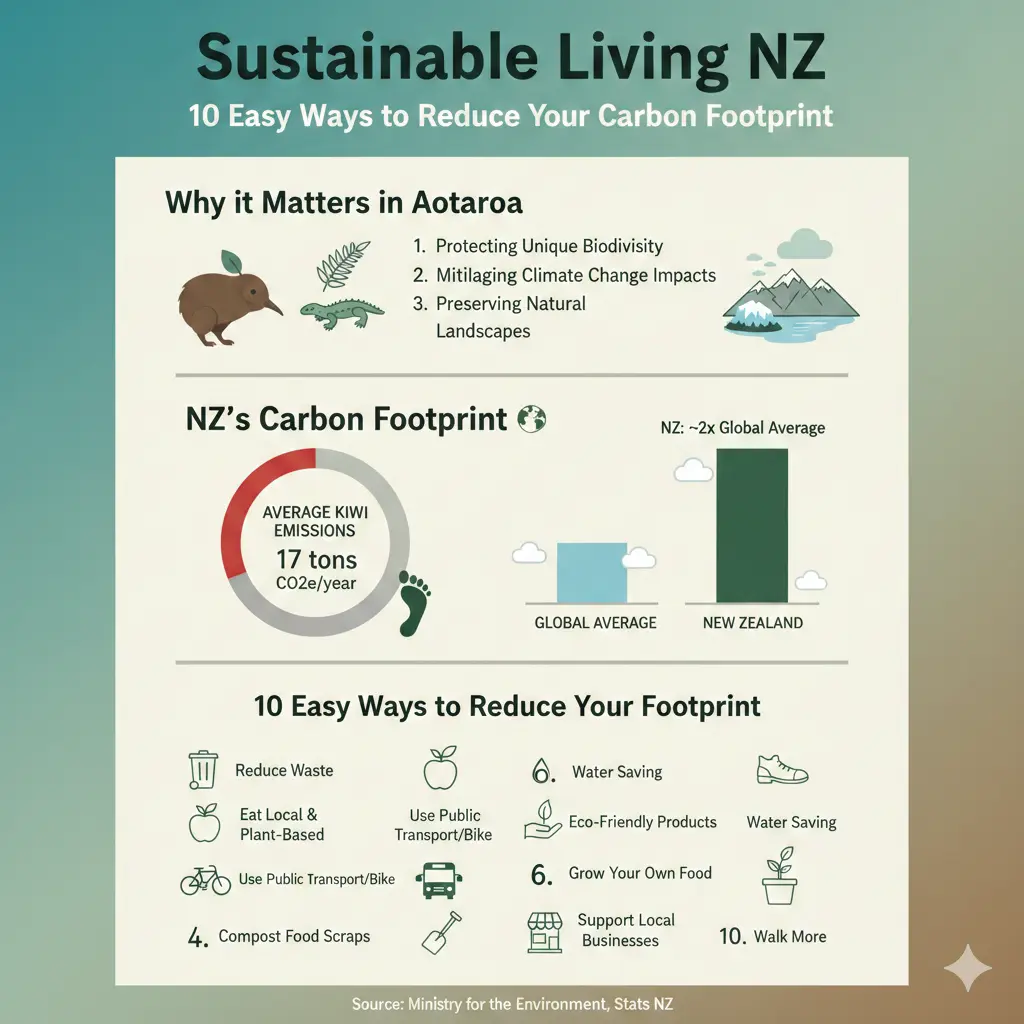
Sustainable Living NZ: 10 Easy Ways to Reduce Your Carbon Footprint

Imagine tending your backyard vege patch under the summer sun, knowing every tomato you pick is helping slash New Zealand's carbon emissions. As Kiwis, we're no strangers to making the most of our whe...
Tom covers travel, lifestyle, and cost-of-living topics across New Zealand. He writes practical guides on transport, day trips, outdoor activities, and everyday life in Aotearoa.
Imagine tending your backyard vege patch under the summer sun, knowing every tomato you pick is helping slash New Zealand's carbon emissions. As Kiwis, we're no strangers to making the most of our whenua—our land—and with the government's bold 2026-2030 Emissions Reduction Plan capping greenhouse gases at 305 million tonnes of CO2e, it's time to step up our game in sustainable living. Reducing your carbon footprint doesn't mean upending your life; it's about smart, everyday swaps that align with our net-zero 2050 goal. In this guide, discover 10 easy ways to embrace sustainable living NZ, tailored for Kiwi backyards, homes, and lifestyles.
Why Reducing Your Carbon Footprint Matters in Aotearoa
New Zealand's emissions budgets under the Climate Change Response Act push us towards net zero by 2050 (excluding biogenic methane, targeted at 10% below 2017 levels by 2030). Yet, we're projected to miss some targets, like the 2022-2025 budget by 5.9 million tCO2e, making individual actions crucial. In your garden, sustainable practices cut emissions from transport, waste, and energy while boosting biodiversity. With 80-85% of our electricity already renewable (mostly hydro), focusing on home and garden efficiency amplifies national efforts.
These 10 tips blend gardening smarts with low-carbon living, drawing on local resources like the Emissions Trading Scheme (ETS) reforms and afforestation initiatives. Let's dive in.
1. Grow Your Own Produce to Cut Food Miles
Food transport accounts for a chunk of Kiwi emissions—think imported veggies clocking up air miles. Start a backyard garden with easy crops like kūmara, silverbeet, and beans. A single household vege patch can save 0.2-0.5 tonnes of CO2e yearly by ditching supermarket imports.
Practical Tips for Kiwi Gardens
- Choose NZ natives like kawakawa for pest-repelling companions.
- Use raised beds filled with compost to skip peat-based soils.
- Harvest rainwater via council rebates—check your local council's site.
Pro tip: Join Seed Savers Network NZ for free heirloom seeds, reducing packaging waste.
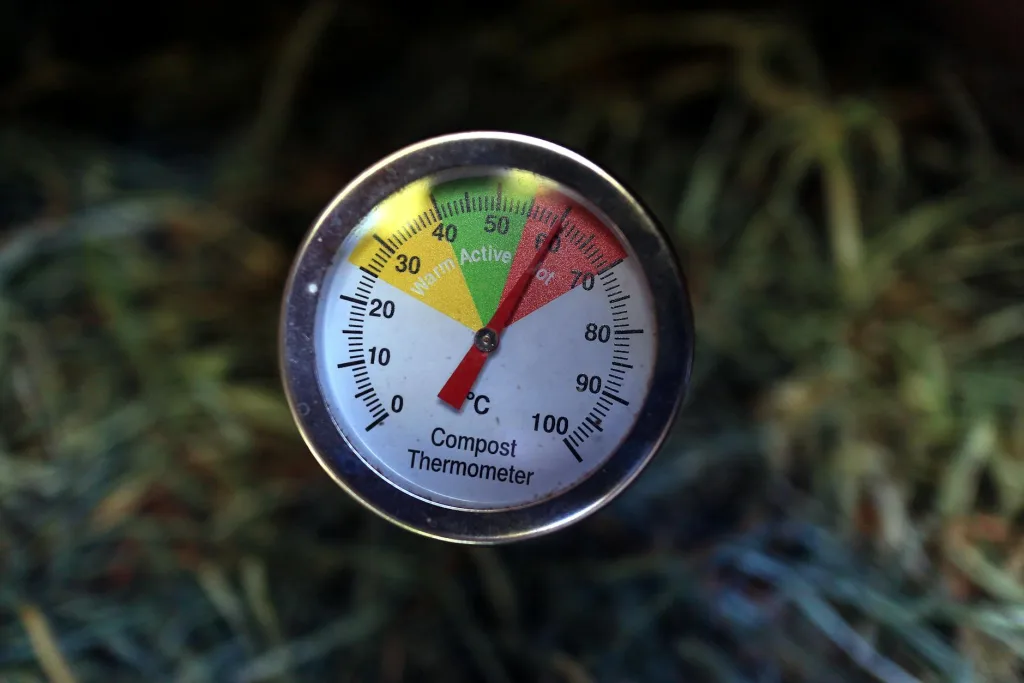
2. Compost Food Scraps and Garden Waste
Organic waste in landfills produces methane, a potent greenhouse gas. Composting diverts 30% of household rubbish, cutting emissions and enriching your soil. Auckland and Wellington councils offer free compost bins through waste minimisation programmes.
Get Started
- Buy or build a worm farm—perfect for apartments.
- Layer greens (vege scraps) and browns (leaves, cardboard).
- Turn weekly; use finished compost on your garden for nutrient-rich, chemical-free fertiliser.
This aligns with the government's waste management push in ERP2.
3. Switch to Electric or Low-Emission Gardening Tools
Petrol-powered mowers and leaf blowers guzzle fuel. Opt for electric models charged on our renewable grid—saving up to 50kg CO2e per season. With 10,000 EV charging points planned by 2030, why not charge your tools alongside your car?
Top Picks
- Cordless trimmers from Mitre 10's eco-range.
- Solar-powered garden lights for pest control and illumination.
- Hand tools for weeding—zero emissions, full workout.
4. Plant Native Trees for Carbon Sequestration
One pōhutukawa can absorb 20kg CO2 yearly. Afforestation on Crown land is a government priority, but you can contribute via Trees That Count—plant verified natives and track your impact.
Easy Trees for Small Sections
- Mānuka: Honey gold and erosion control.
- Tōtara: Long-lived carbon sink.
- Register with QEII National Trust for covenants protecting your plantings.
Bonus: Natives support tui and kererū, enhancing backyard biodiversity.
5. Harvest Rainwater to Reduce Water Heating Emissions
Heating imported mains water spikes energy use. A 2,000L tank covers garden needs, slashing hot water bills by 20%. Many councils, like Christchurch City, subsidise installations under climate resilience funds.
Setup Guide
- Install gutters and first-flush diverters.
- Add a filter for potable use.
- Use for irrigation—pair with drip systems for 90% water efficiency.
6. Ditch Single-Use Plastics in the Garden
Plastic pots and ties leach microplastics. Switch to reusables: bamboo stakes, jute ties, and coir pots. This supports ETS reforms halving carbon credits to curb waste.
Zero-Waste Alternatives
- Seed-start in toilet rolls or eggshells.
- Buy bulk seeds from Koanga Institute.
- Repurpose pallets for vertical gardens.
7. Optimise Your Garden for Energy Efficiency
Strategic planting insulates homes—deciduous trees shade summer sun, reducing AC use by 25%. Plant windbreaks with flax to cut heating needs in windy Kiwi winters.
Design Smarts
- North-facing edibles for passive solar warmth.
- Green roofs on sheds for insulation.
- Check Motu Economic Research's tools for ROI calculations.
8. Support Local, Low-Methane Diets
Grow protein-rich crops like peas and chickpeas to cut meat transport emissions. Pair with dairy alternatives—aligning with methane targets.
Meat-Free Garden Meals
- Broad beans for nitrogen-fixing protein.
- Herbs like coriander for flavour without imports.
- Preserve gluts via solar dehydrators.
9. Use Solar for Garden Power
Portable solar panels charge tools and pumps. With Huntly shifting to biomass, home solar complements grid renewables. Government rebates via EECA make panels affordable from $1,500.
Simple Installs
- 100W panels for pumps.
- Batteries for off-grid lighting.
- Apps track your savings.
10. Join Community Gardens and Initiatives
Share resources at local gardens like Auckland's Community Gardening Trust hubs. Collective composting and tool libraries amplify impact—track via CarbonClick calculators.
Get Involved
- Find groups on Neighbourly app.
- Participate in Billion Trees programme.
- Advocate via iwi-led restoration.
Next Steps for Your Low-Carbon Garden
Pick one tip today—like starting a compost bin—and build from there. Track progress with the Ministry for the Environment's carbon calculator, and share your wins on socials with #SustainableLivingNZ. Together, we're turning Aotearoa greener, one garden at a time. Visit environment.govt.nz for ERP2 details and local tools.
Frequently Asked Questions
Sources & References
-
1
New Zealand unveils bold 2026-30 emissions plan - Green Earth — www.green.earth
-
2
New Zealand: commitment level to sustainable lifestyle 2021 - Statista — www.statista.com
-
3
New Zealand's second emissions reduction plan 2026–30 — environment.govt.nz
- 4
-
5
The Sustainable Carrying Capacity of New Zealand — www.royalsociety.org.nz
-
6
Report on the State of New Zealand's Future — www.mcguinnessinstitute.org
-
7
Environment | Stats NZ — www.stats.govt.nz
Related Articles
Composting at Home NZ: Complete Guide
Imagine turning your kitchen scraps and garden clippings into nutrient-rich soil that supercharges your veggies and flowers—all while slashing waste heading to the tip. That's the magic of composting...

Best Solar Panel Installers in New Zealand
Finding the right solar panel installer in New Zealand can feel overwhelming, but it doesn't have to be. With rising electricity costs and a growing commitment to renewable energy, more Kiwis are turn...