Composting at Home NZ: Complete Guide
Imagine turning your kitchen scraps and garden clippings into nutrient-rich soil that supercharges your veggies and flowers—all while slashing waste heading to the tip. That's the magic of composting...
The Lifetimes NZ editorial team curates, fact-checks, and updates guides on personal finance, property, health, immigration, legal, business, and lifestyle topics relevant to Lifetimes NZ readers. Articles are produced with AI assistance and reviewed by the editorial team before publication.
Imagine turning your kitchen scraps and garden clippings into nutrient-rich soil that supercharges your veggies and flowers—all while slashing waste heading to the tip. That's the magic of composting at home in NZ, a simple habit that's perfect for Kiwis looking to live more sustainably. With about 52% of us already composting at home, it's easier than ever to join in, especially with New Zealand's mild climate and abundance of garden waste.
Whether you're in subtropical Auckland or cooler Christchurch, this complete guide walks you through everything from picking the right setup to troubleshooting common issues. You'll get practical steps tailored to our local conditions, so you can start producing black gold for your backyard in no time.
Why Compost at Home in New Zealand?
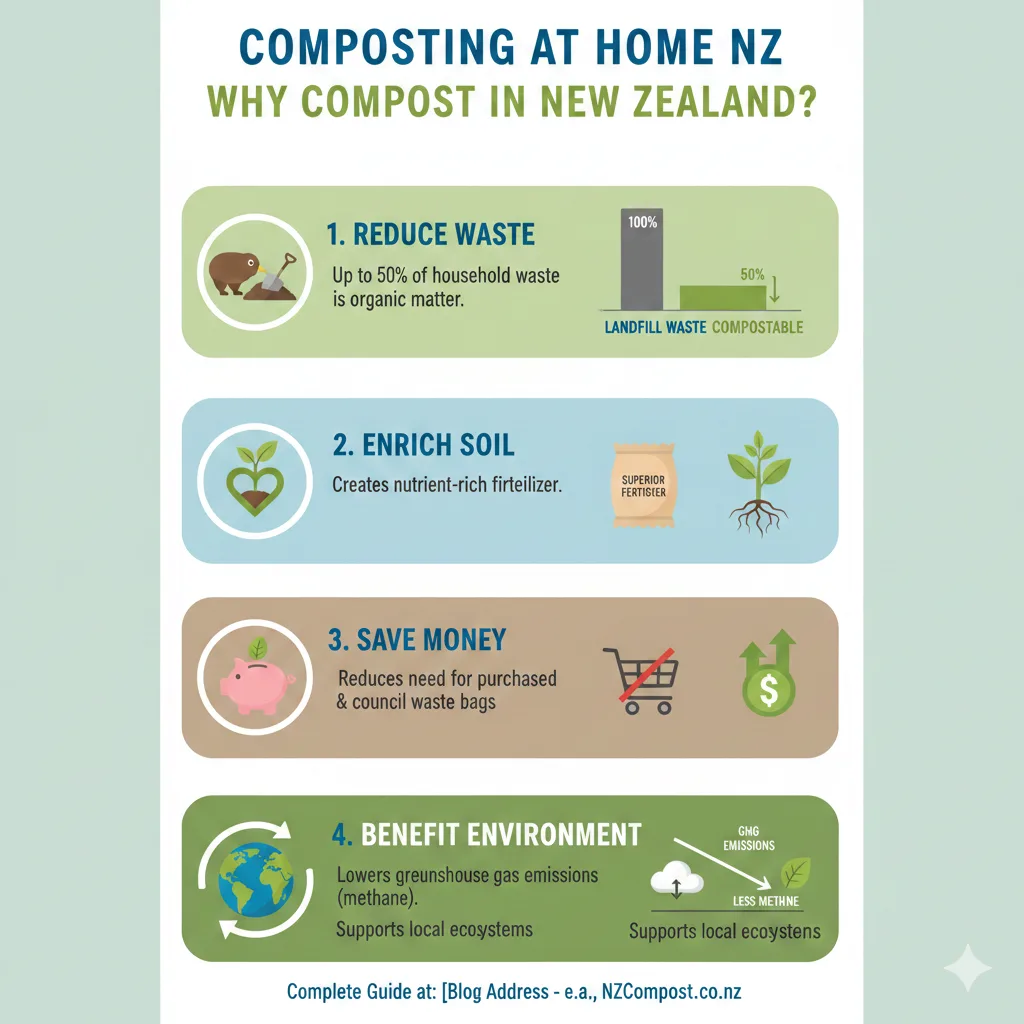
Composting isn't just good for the planet—it's a game-changer for your garden and wallet. In NZ, households chuck out around 400kg of organic waste each year, much of which could become fertiliser instead of landfill methane. By composting, you'll enrich your soil, reduce water needs (compost improves moisture retention), and cut down on chemical fertilisers.
Our varied climates make composting adaptable: northerners can hot compost year-round, while southerners thrive with cold methods during frosty winters. Plus, many councils offer free or low-cost bins, and it's a zero-waste win that aligns with Kiwi values of resourcefulness.
Choosing the Right Composting Method for Your Kiwi Backyard
New Zealand gardeners love three main methods: cold composting, hot composting, and worm farms. Each suits different lifestyles and spaces.
Cold Composting: Easy for Busy Households
The no-fuss option—add scraps gradually as they come, no heat required. It's slower (6-12 months), but perfect if storage is tight. Ideal for renters or small sections in Wellington's windy spots.
Hot Composting: Fast Results for Keen Gardeners
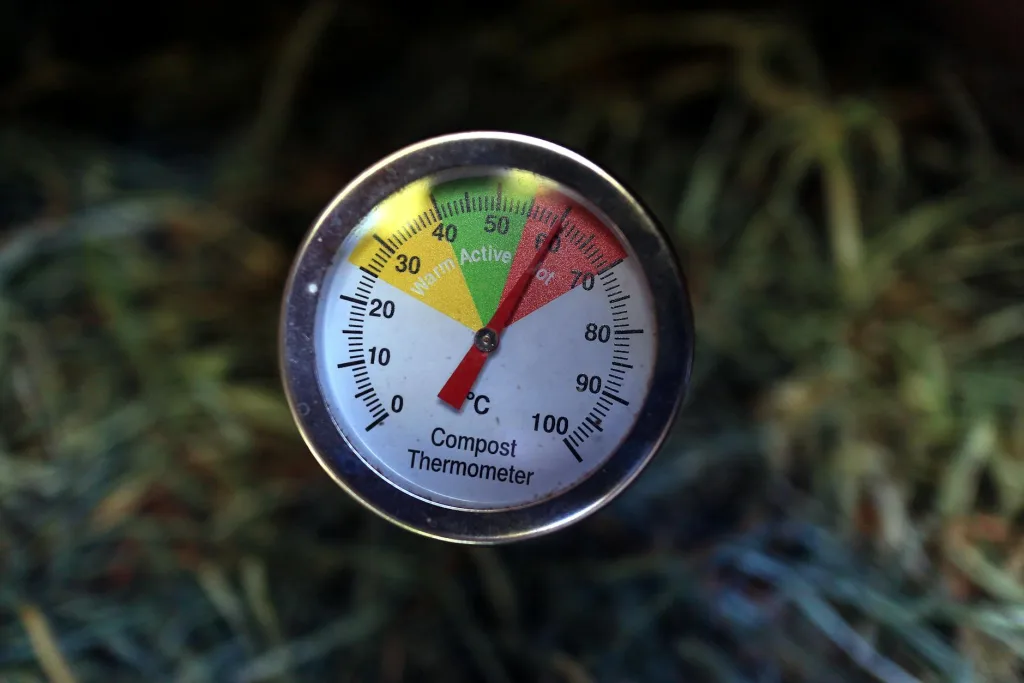
Build a big pile all at once to hit 55°C, killing weeds and pathogens in 1-2 weeks. Ready in 6-8 weeks, it's great for Auckland's warmth but needs turning. Use bokashi for food scraps if waiting for the pile.
Worm Farms: Compact and Odour-Free
Popular in urban NZ, these use tiger worms to process scraps quickly. Suited to apartments or balconies—check out council-subsidised kits from places like Auckland Council.
Pro tip: Start with cold if you're new; upgrade to hot for bigger gardens.
What to Add (and Avoid) in Your Compost
Balance is key: aim for 40-60% browns (carbon-rich, dry) to 60-40% greens (nitrogen-rich, wet). Chop everything small for faster breakdown.
Greens (Nitrogen Boosters)
- Fruit and veg scraps
- Grass clippings, fresh leaves, seaweed
- Coffee grounds, tea bags (remove staples), eggshells
- Lawn prunings, hedge clippings, fresh garden waste
- Herbivore pet droppings (e.g., rabbit poop), human hair, nail clippings
Browns (Carbon Builders)
- Dry leaves, pea straw (29:1 ratio—decompose first), sticks, twigs
- Cardboard, newspaper, uncoated paper towels, egg cartons
- Untreated sawdust (run through chook run first), wood ash
- Punga fronds, bracken
What NOT to Add
- Meat, dairy, cooked food, oils— attracts rats
- Weed seeds, diseased plants, invasives
- Bread/pasta in excess (pests love it)
- Non-organic pea straw (fungicide risk)
Sprinkle activators like lime, blood and bone, or old compost between layers.
Building Your Own Compost Bin: DIY Kiwi Style
No need to buy—build a sturdy bin from pallets for under $20. Clear a 1x1m spot on bare soil (not concrete) for worm access.
- Dig four corner holes, drive 1m posts 20-30cm deep with a sledgehammer.
- Secure planks (spaced 50mm for air) four to five high on each side.
- Add a lid from spare planks for rain protection.
- Start with 5cm twiggy base for drainage, then layer greens/browns.
Place in partial shade to avoid drying out in summer. For Northland humidity, elevate slightly; in Otago, insulate sides with straw bales.
Step-by-Step: Maintaining Your Compost Pile
Keep it moist like a wrung sponge, aerated, and balanced.
Layering and Building the Pile
Bottom: twigs/wood chips. Then 10-15cm layers of mixed waste, handfuls of soil/compost, and browns. Ratio: 60% brown, 40% green.
Turning and Monitoring
Turn weekly with a fork for hot compost; monthly for cold. Check temp (hand in for warmth) and moisture. Too dry? Add water. Smelly? More browns.
Seasonal Tips for NZ Climates
- North Island: Hot compost thrives; cover in heavy rain.
- South Island: Insulate piles; use more greens in winter.
- Summer: Shade and water. Winter: Pea straw cover.
Harvest when dark and crumbly—sieve out twigs for fine compost.
Troubleshooting Common Composting Problems
Don't stress—most issues are fixable.
- Not heating up: Too few greens or dry—add nitrogen, water, turn.
- Smelly or slimy: Excess greens—bury with browns.
- Pests: No meat/dairy; secure lid, bury food scraps.
- Slow breakdown: Chop finer, turn more, add activators like manure.
Using Your Home-Made Compost in the Garden
Mix 5-10cm into veggie beds pre-planting, or top-dress lawns. It's perfect for raised gardens or pots—boosts yields without chemicals. Fresh compost feeds microbes; mature stuff nourishes plants directly.
Resources for Kiwis Starting Out
Many councils provide free bins or workshops—check aucklandcouncil.govt.nz or your local site. Buy bokashi bran from hardware stores, or join community gardens for tips.
FAQ
1. How long does composting take in NZ?
Cold: 6-12 months; hot: 6-8 weeks. Warmer North Island speeds it up.
2. Can I compost in an apartment?
Yes! Worm farms or bokashi on balconies work well—no odours, compact size.
3. Is composting allowed everywhere in NZ?
Generally yes on private property. Check body corporate rules for units; no restrictions in most suburbs.
4. What's the best ratio for greens and browns?
40% greens, 60% browns for hot compost; even mix for cold.
5. Do I need worms in my compost?
Not for bins—soil contact invites them naturally. Worm farms are separate.
6. Can I use compost from treated wood pallets?
Avoid—chemicals leach. Use untreated or find free clean ones on TradeMe.
Ready to Get Started? Your Next Steps
Grab some pallets, pick a sunny corner, and layer your first pile this weekend. Track progress in a notebook, and in a few months, you'll have compost that makes your kūmara thrive. Share your wins with mates—composting's better together. For more sustainable gardening tips, explore Lifetimes NZ.
Related Articles

Sustainable Living NZ: 10 Easy Ways to Reduce Your Carbon Footprint
Imagine tending your backyard vege patch under the summer sun, knowing every tomato you pick is helping slash New Zealand's carbon emissions. As Kiwis, we're no strangers to making the most of our whe...

Best Solar Panel Installers in New Zealand
Finding the right solar panel installer in New Zealand can feel overwhelming, but it doesn't have to be. With rising electricity costs and a growing commitment to renewable energy, more Kiwis are turn...