Local Amenities and Services: What Councils Provide
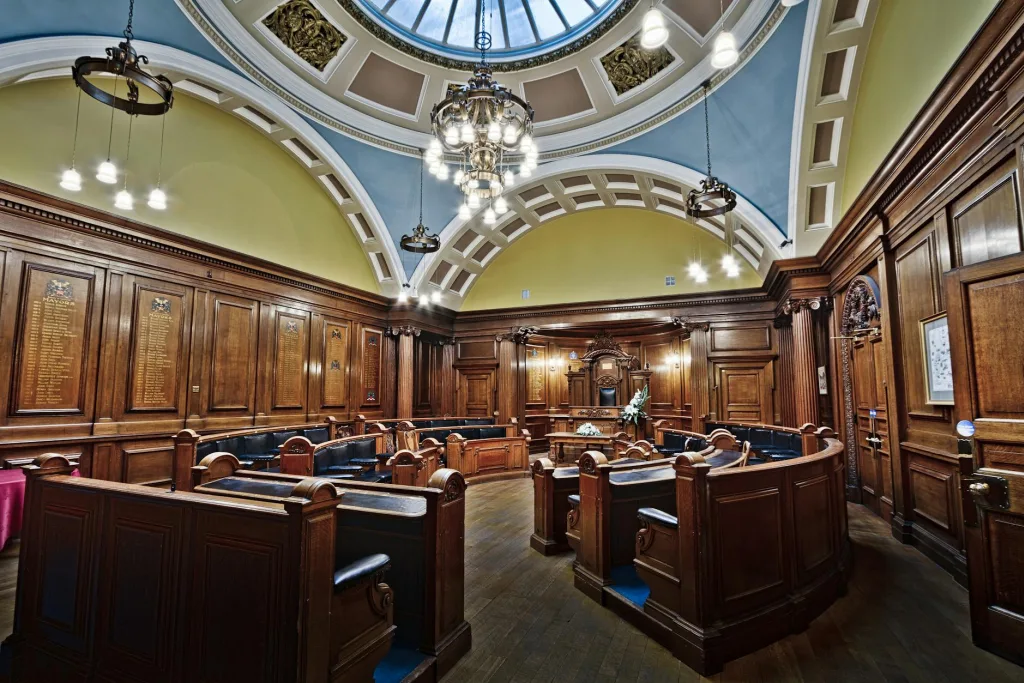
Ever wondered who keeps your neighbourhood parks pristine, ensures your rubbish gets collected on time, or opens the doors to free libraries and community pools? In New Zealand, your local council is...
Tom covers travel, lifestyle, and cost-of-living topics across New Zealand. He writes practical guides on transport, day trips, outdoor activities, and everyday life in Aotearoa.
Discovering the Everyday Essentials Your Local Council Delivers
Ever wondered who keeps your neighbourhood parks pristine, ensures your rubbish gets collected on time, or opens the doors to free libraries and community pools? In New Zealand, your local council is the unsung hero behind these vital services that make daily life smoother and more enjoyable for Kiwis. From bustling urban centres like Auckland to quieter spots in Southland, councils fund and manage a wide array of local amenities and services, often through rates you pay and targeted levies. As we head into 2026, with funding plans locked in and reforms on the horizon, understanding what your council provides empowers you to make the most of it—and even have your say on future improvements.
The Role of Local Councils in New Zealand
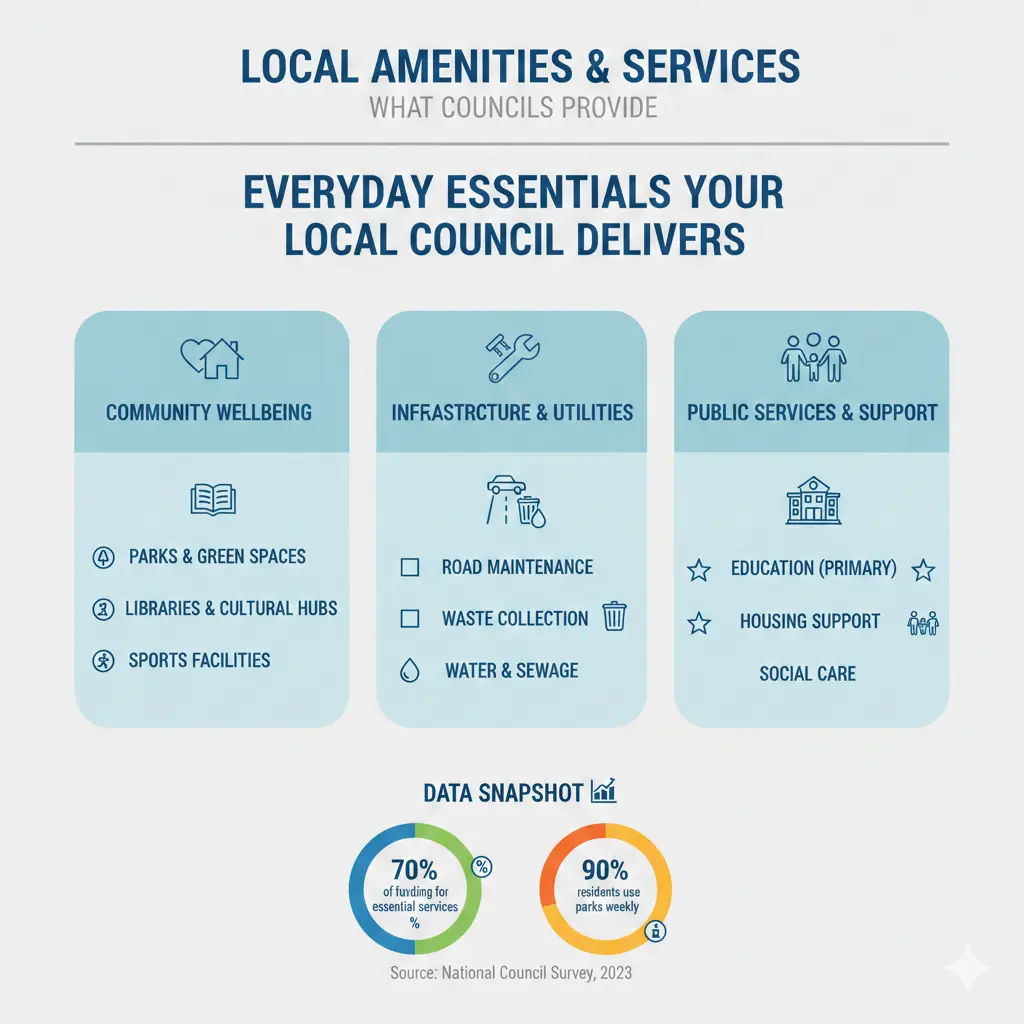
Local councils, also known as territorial authorities, are the backbone of community life across our 78 districts and cities. Governed by the Local Government Act 2002, they deliver essential services funded primarily through rates, fees, and government grants. In 2026, councils face pressures from population growth, climate challenges, and proposed reforms—like streamlining regional councils to cut duplication and boost efficiency—but their core mission remains: enhancing quality of life through accessible amenities.
How Funding Works for Amenities
Councils collect rates from properties to fund everything from roads to recreation. In Auckland, for instance, the Regional Amenities Funding Board levies specific funds—$18,171,904 in 2025-2026 for seven key amenities covering arts, culture, recreation, and rescue services. This represents a 3.68% increase from the previous year, showing steady investment despite economic squeezes. Nationally, financing mixes targeted rates, user charges, and levies to balance community needs with affordability.
Practical tip: Check your council's Long-Term Plan (LTP) or Annual Plan—updated every three years and annually respectively—for the latest budgets. Auckland's 2025-2026 Annual Plan, effective from 1 July 2025, outlines investments in community services amid rising costs.
Libraries: Gateways to Knowledge and Connection
Public libraries are council jewels, offering free books, Wi-Fi, events, and digital resources to over 3 million annual visits nationwide. Beyond lending, they're hubs for learning—think coding classes, job workshops, and Māori language sessions. In 2026, many are digitising collections to meet modern demands, with Auckland libraries tying into cultural strategies.
What's on Offer and How to Use Them
- Free access: Borrow books, e-books via apps like Libby, and audiobooks.
- Community programmes: Storytime for tamariki, adult literacy, and tech support.
- Spaces for all: Study areas, makerspaces with 3D printers, and community meeting rooms (often bookable for $20-50/hour).
Example: Wellington City Libraries host over 500 free events yearly, from author talks to homework clubs. Find your local branch via libraries.org.nz and get a free membership—most require ID and proof of address.
Pools and Aquatic Centres: Staying Fit and Cool
Councils operate around 150 public pools nationwide, from indoor hydro-slides to Olympic-sized lap pools. They're not just for summer splashes; many offer learn-to-swim lessons, aqua aerobics, and rehab programmes year-round. Funding pressures mean some charge entry ($5-10/adult), but concessions keep them accessible for families on benefits or KiwiSaver low earners.
Key Features and Tips
- Family-friendly: Toddler pools, inflatables, and holiday programmes.
- Health-focused: Hydrotherapy for arthritis sufferers, aligned with ACC rehab.
- Safety first: Lifeguards and UV swim schools reduce drownings—vital stats show 40% drop in child drownings since programmes expanded.
In Christchurch, the new Te Kaha sports centre boasts a 50m pool; book online to avoid queues. Pro tip: Join council loyalty apps for discounted multi-visits, saving up to 20%.
Parks and Reserves: Green Spaces for Wellbeing
New Zealanders cherish our 4000+ council parks, covering 1.2 million hectares— that's more green space per person than many countries. Councils maintain paths, playgrounds, sports fields, and native planting, promoting mental health and biodiversity. The Auckland Plan integrates parks with cultural heritage, ensuring they're not just pretty but purposeful.
Maximising Your Local Parks
- Explore themed areas: Dog parks, BBQ zones, or wheelchair-accessible playgrounds.
- Events and sports: Book pitches for rugby or netball—many free for community groups.
- Volunteering: Join 'Friends of the Park' groups for weed-busting days and free plants.
Queenstown Lakes District Council exemplifies long-term planning, balancing tourism amenities with local needs through 20-40 year infrastructure plans. Check apps like 'Park Finder' on your council site for maps and updates.
Rubbish and Recycling Collection: Keeping It Clean
Curbside collection is a council staple, with 95% of households covered weekly or fortnightly. In 2026, amid waste minimisation targets under the Waste Minimisation Act 2008, councils push kerbside organics and soft plastics recycling. Auckland leads with food scrap bins in trials, diverting 20% more waste from landfills.
Your Weekly Rundown
| Bin Type | Collection Frequency | Tips |
|---|---|---|
| Rubbish (Red/Black) | Weekly | Max 3 bags; no recyclables. |
| Recycling (Yellow) | Fortnightly | Plastic 1,2,5; paper; rinse first. |
| Organics/Green Waste | Weekly (where available) | Food scraps, garden clippings. |
Report missed bins via council apps. Rural Kiwis: Many have transfer stations with free green waste drop-off. Fines for contamination start at $60—sort smart!
Community Services: Building Stronger Neighbourhoods
Councils fund halls, seniors' centres, and iwi partnerships for events like Matariki festivals. Auckland's specified amenities—receiving $18m+ annually—include rescue helicopters and arts trusts, directly supporting community safety and culture. Community development teams offer grants up to $5,000 for local projects via platforms like Smartstart.
Getting Involved
- Grants and funding: Apply for community boards—deadlines align with LTP cycles.
- Emergency support: Civil defence hubs in halls, with 2026 digital upgrades for alerts.
- Inclusive programmes: Youth councils and disability access audits ensure everyone benefits.
Navigating Changes in 2026
Proposed reforms could reshape councils by 2026, removing regional layers for leaner operations and better services—consultation closed January 2026. Digital shifts mean more online bookings and AI-driven maintenance, but with empathy for those less tech-savvy. Stay informed via govt.nz/local-council.
Make the Most of Your Council's Offerings
Your local council's amenities are there to enrich life, from a refreshing pool dip to a peaceful park walk. Dive into your LTP, download council apps, and attend consultations to shape services. Next steps: Visit your council website today, sign up for newsletters, and explore one new amenity this weekend. Together, we're building thriving Kiwi communities.
Frequently Asked Questions
Sources & References
-
1
Auckland Regional Amenities Funding Board Funding Plan 2025-2026 — www.aucklandcouncil.govt.nz
-
2
Auckland Regional Amenities Funding Board Draft 2026-2027 Funding Plan — www.aucklandcouncil.govt.nz
-
3
MBIE: Amenities, Services and Infrastructure — www.mbie.govt.nz
-
4
Restaurant Association: Auckland Council Annual Plan 2025/2026 Submission — www.restaurantnz.co.nz
-
5
Inside Government NZ: What to Expect from Local Government in 2026 — insidegovernment.co.nz
-
6
Bell Gully: Government's Proposed Reform of Local Government — www.bellgully.com
-
7
CityWatch NZ: Proposed Reforms of Regional Councils Consultation — www.citywatchnz.org
Related Articles

10 Items You Should Always Buy Second-Hand in NZ
Buying second-hand isn't just a budget-friendly choice—it's becoming the smart default for savvy Kiwis. With the rising cost of living pushing 64 percent of New Zealanders to buy and sell pre-loved it...

Council Rates Hikes: Why Your Bill Just Went Up and How to Manage It
If you've opened your rates bill recently, you might've gotten a shock. Council rates across New Zealand have jumped significantly in 2025/2026, with some areas seeing increases well above inflation....
Selling Your Furniture? Best Photography Tips for Higher Prices
Ever snapped a quick photo of your old dining table on Trade Me only to watch it sit unsold for weeks? You're not alone—poor photos are the biggest reason Kiwi sellers miss out on top dollar for their...
How to Write a Classified Ad That Sells in 48 Hours
Ever listed a car boot full of treasures on Trade Me or Facebook Marketplace, only to watch it gather digital dust for weeks? You're not alone—many Kiwis struggle to shift gear on their ads. But what...