Selling Your Furniture? Best Photography Tips for Higher Prices
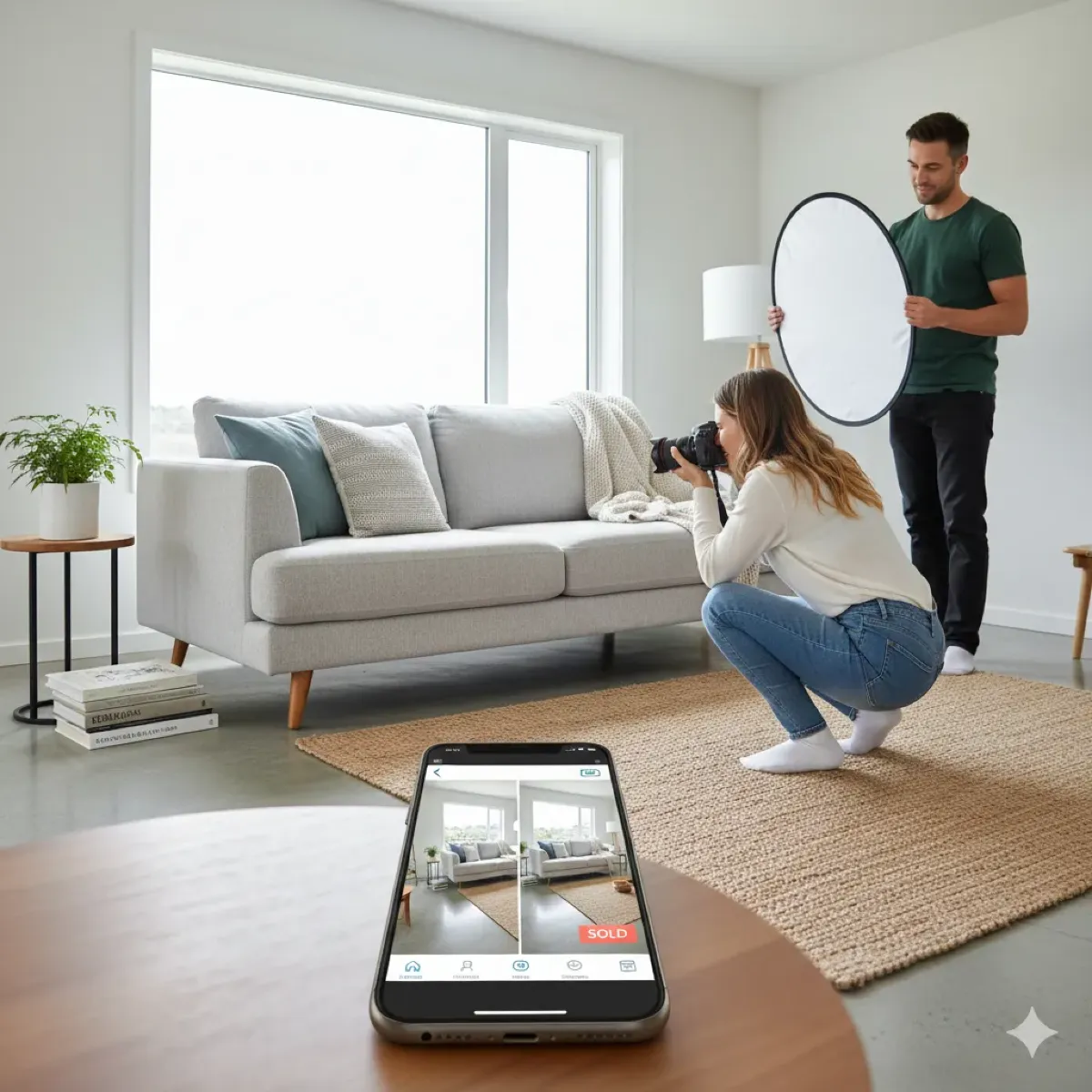
Ever snapped a quick photo of your old dining table on Trade Me only to watch it sit unsold for weeks? You're not alone—poor photos are the biggest reason Kiwi sellers miss out on top dollar for their...
Tom covers travel, lifestyle, and cost-of-living topics across New Zealand. He writes practical guides on transport, day trips, outdoor activities, and everyday life in Aotearoa.
Ever snapped a quick photo of your old dining table on Trade Me only to watch it sit unsold for weeks? You're not alone—poor photos are the biggest reason Kiwi sellers miss out on top dollar for their furniture. With platforms like Facebook Marketplace, Trade Me, and even local Facebook groups buzzing in 2026, mastering furniture photography can boost your prices by up to 20-30% according to seller forums and real estate staging pros.
Whether you're decluttering ahead of a move, funding a KiwiSaver top-up, or just flipping that retro sideboard from your garage, great shots make buyers imagine it in their own home. In this guide, we'll share practical tips tailored for New Zealand homes—from harnessing our unique golden hour light to avoiding common pitfalls like biosecurity-clean gear for outdoor shots. Let's turn your furniture into fast-selling gold.
Why Great Photos Matter When Selling Furniture in New Zealand
Buyers can't touch or sit on your sofa through the screen, so your photos do the heavy lifting. Professional furniture photographers in Auckland note that quality images highlight design features, textures, and finishes that make pieces stand out. In New Zealand's competitive second-hand market, listings with 10+ high-quality photos sell 2-3 times faster on Trade Me, per platform insights.
Our variable weather and light—think crisp Southern Alps dawns or Auckland's hazy afternoons—play a big role. Poorly lit shots wash out wood grains or hide scuffs, dropping perceived value. Conversely, smart photography can make even well-loved pieces look showroom-ready, justifying higher prices amid 2026's rising living costs.
New Zealand Market Insights
- Trade Me Dominance: Over 80% of Kiwi furniture sales happen here; listings with pro-level photos average 15% higher bids.
- Local Trends: Demand spikes for sustainable timber pieces and outdoor settings in colours like transformative teals for 2026.
- Platform Rules: Facebook Marketplace favours vertical videos and 360° views, while Trade Me loves clear, multiple-angle stills.
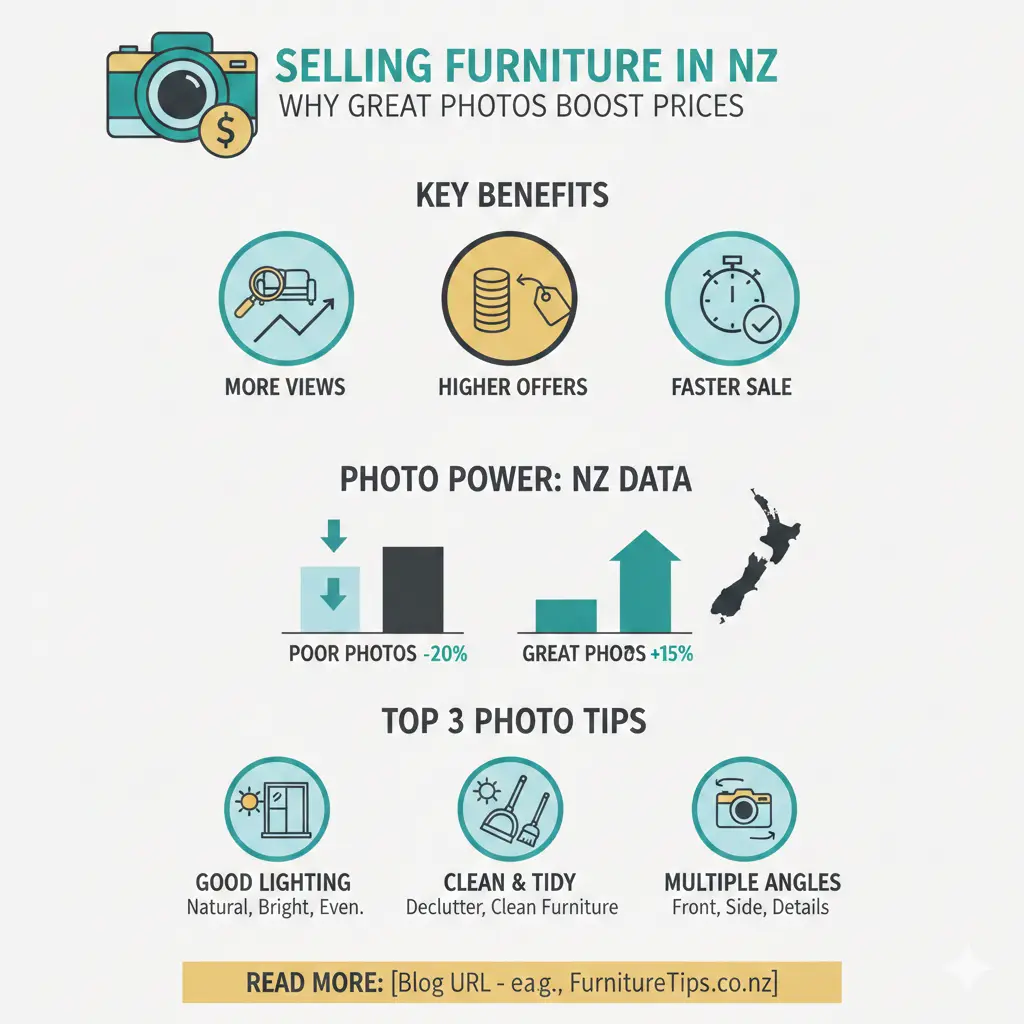
Essential Gear for Furniture Photography at Home
You don't need a fancy studio like PPM Photography in Auckland to get pro results—most Kiwis sell successfully with a smartphone and basics. Focus on versatile kit that handles New Zealand's rainy spells and bright sun.
Must-Have Items
Pro upgrade? A wide-angle lens (10-20mm equivalent) for full-room views or an ND filter to blur distracting backgrounds on sunny days.
Mastering Lighting: New Zealand's Golden Hour Advantage
Lighting sells furniture—harsh flash flattens textures, while soft, natural light brings out wood grains and fabric depths. Kiwis have a secret weapon: our world-class golden hour, that magical pre-sunset glow transforming ordinary shots into irresistible ones.
Best Lighting Tips
- Golden Hour Magic: Shoot 30-60 minutes before sunset (use MetService app for times). At Lake Wanaka's iconic tree or your backyard, this warm light adds depth and appeal.
- Diffuse Harsh Light: Hang sheer curtains over windows or shoot on overcast days—NZ's frequent clouds are your friend.
- Multiple Angles: Light from the side to accentuate curves; fill shadows with a white reflector (foam board from Spotlight).
- Avoid Overheads: Ceiling lights cast unflattering shadows; turn them off.
- Pro Trick: Bracket exposures for high-contrast scenes, merging in free apps like Lightroom Mobile.
For indoor pieces, emulate studio setups: Position near windows during autumn's soft light (April-May ideal in South Island).
Composition Rules to Make Your Furniture Pop
Great composition guides the eye to key selling points, like sturdy legs or plush cushions. Follow these Kiwi-tested rules for listings that convert.
Key Composition Techniques
- Rule of Thirds: Enable phone grid; place focal points (e.g., drawer pulls) at intersections.
- Multiple Angles: Shoot front, side, back, top-down, and detail close-ups (10+ photos minimum).
- Staging: Style with NZ faves—pūhutukawa vase, books, or a throw from Kmart. Clean backgrounds; no clutter.
- Scale It: Add a chair or person for size reference—buyers hate guessing.
- Textures Up Close: Macro shots of weaves or grains sell premium vibes.
For outdoor furniture, frame against NZ backdrops like native ferns, but check drone rules in urban areas.
Editing for Professional Polish
Raw shots rarely shine—light edits boost appeal without faking it. Use free tools like Snapseed or Photoshop Express.
- Retouch Basics: Crop tightly, straighten horizons, boost contrast for depth.
- Colour Accuracy: Match real tones; 2026 trends favour teals and neutrals—don't oversaturate.
- Remove Dust: Spot heal scuffs if minor; disclose big flaws in description to build trust.
- Batch Edit: Apply consistent looks for cohesive listings.
Platform-Specific Tips for Kiwi Sellers
Tailor shots to where you're selling:
- Trade Me: Horizontal stills, 12+ photos, zoomable gallery.
- Facebook Marketplace: Vertical for mobile, short videos panning pieces.
- Local Groups: (e.g., "Auckland Buy/Sell") Add lifestyle shots in Kiwi homes.
- Gumtree: Simple, bright singles for quick flips.
Declare condition honestly to dodge disputes—Consumer Guarantees Act covers second-hand sales too.
Common Mistakes to Avoid
- Cluttered rooms—declutter first.
- Glare on screens—angle away from windows.
- Forgetting measurements—add in captions.
- Low-res uploads—max file size for sharpness.
- Ignoring seasons—autumn light rules for indoor warmth.
Next Steps: Sell Smarter Today
Grab your phone, scout a golden hour window, and snap those shots. List on Trade Me with a compelling title like "Solid Kauri Dining Table – Golden Hour Glow!" Watch offers roll in. For big sales, consider GST if over $60k/year via IRD. Happy selling—your perfect shots are the key to higher prices and quicker cash.
Frequently Asked Questions
Sources & References
-
1
Furniture Photographers In Auckland - PPM Photography — ppm-photography.com
-
2
Capturing the Glow: A Guide to New Zealand's Golden Hour — stephen-milner.com
-
3
New Zealand in Autumn Photography Workshop — muenchworkshops.com
-
4
48 Tips for Photographing in New Zealand — improvephotography.com
-
5
Colour Forecasting for Outdoor Furniture in 2026 — icotraders.co.nz
Related Articles
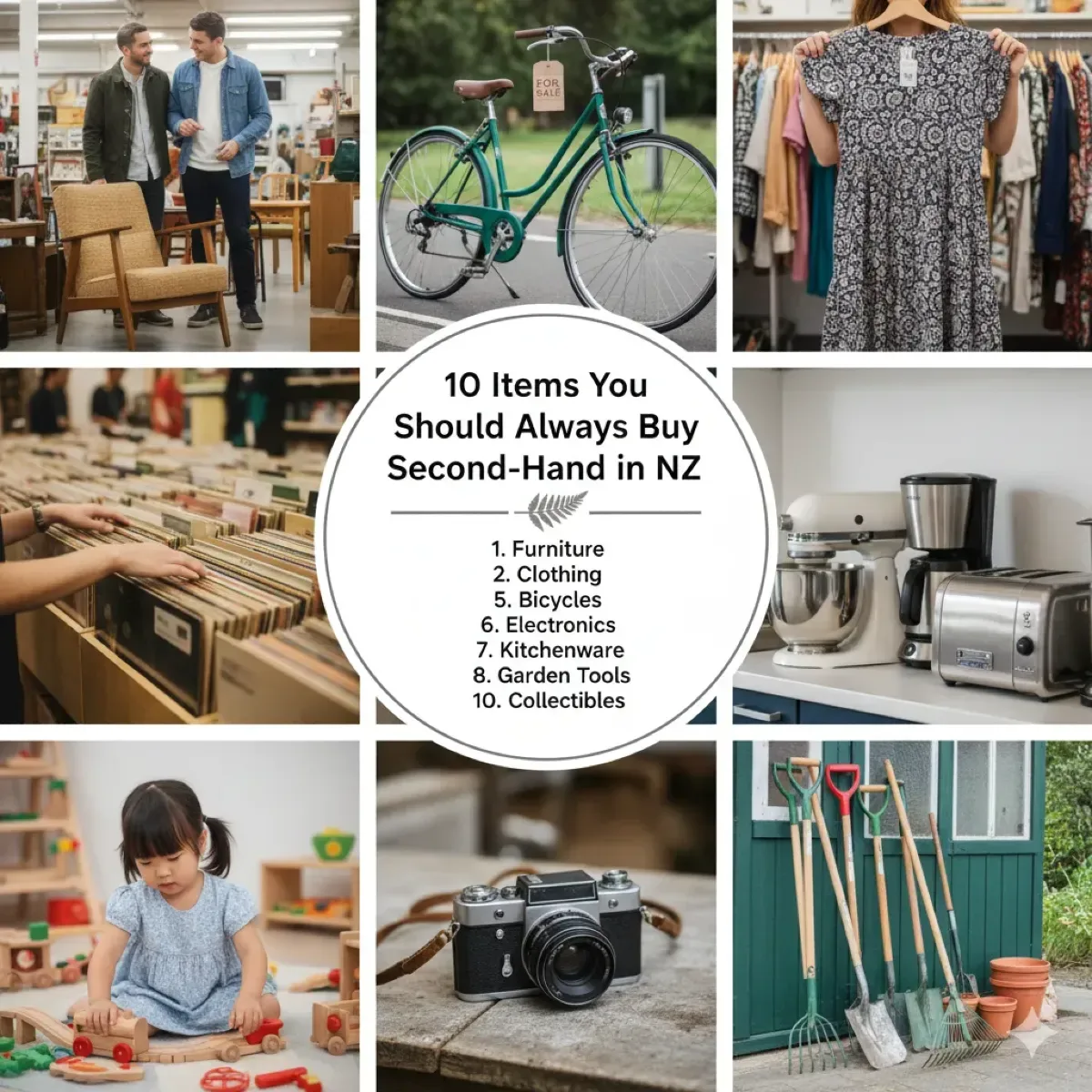
10 Items You Should Always Buy Second-Hand in NZ
Buying second-hand isn't just a budget-friendly choice—it's becoming the smart default for savvy Kiwis. With the rising cost of living pushing 64 percent of New Zealanders to buy and sell pre-loved it...

Council Rates Hikes: Why Your Bill Just Went Up and How to Manage It
If you've opened your rates bill recently, you might've gotten a shock. Council rates across New Zealand have jumped significantly in 2025/2026, with some areas seeing increases well above inflation....

How to Write a Classified Ad That Sells in 48 Hours
Ever listed a car boot full of treasures on Trade Me or Facebook Marketplace, only to watch it gather digital dust for weeks? You're not alone—many Kiwis struggle to shift gear on their ads. But what...
Local Amenities and Services: What Councils Provide
Ever wondered who keeps your neighbourhood parks pristine, ensures your rubbish gets collected on time, or opens the doors to free libraries and community pools? In New Zealand, your local council is...