New Zealanders Call Flip-Flops 'Jandals'
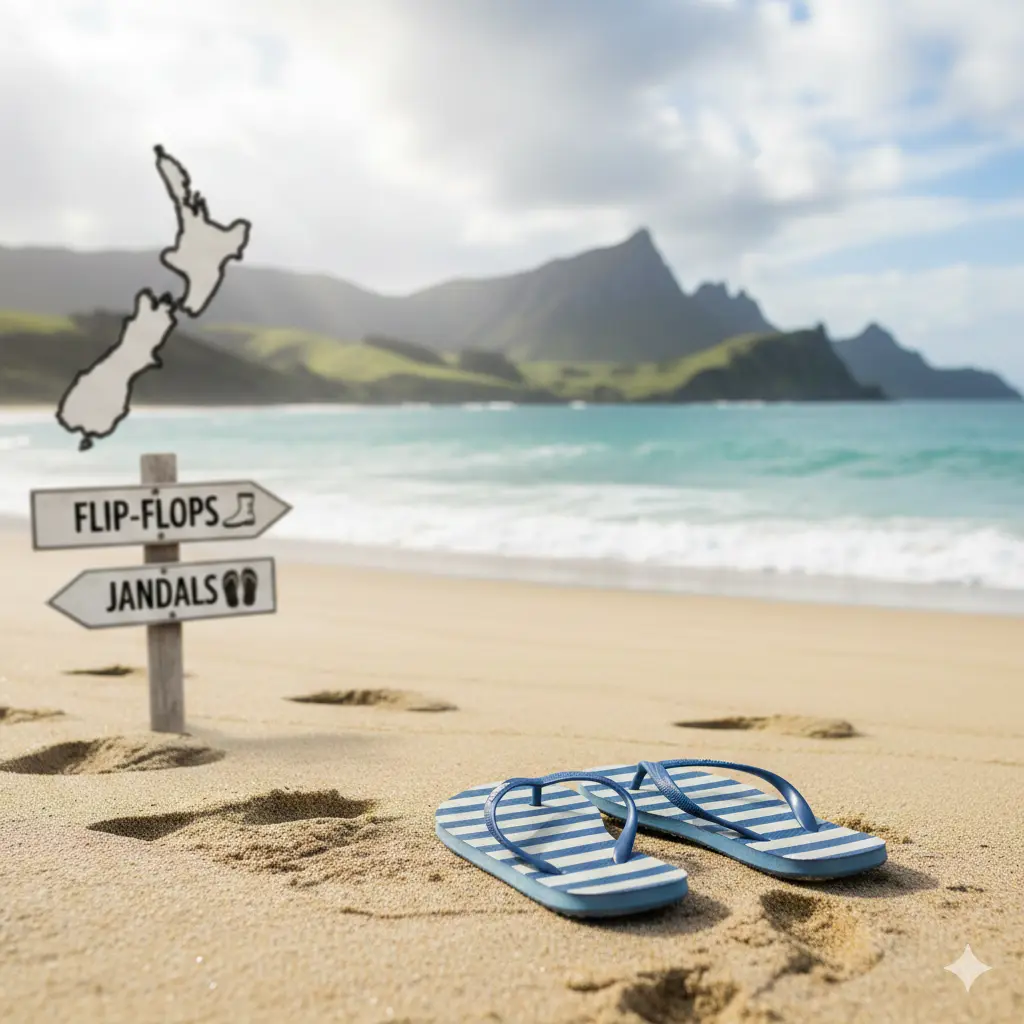
Introduction to Jandals in New Zealand If you're a Kiwi, you're probably familiar with the term 'jandals'. But have you ever wondered where this word came
The Lifetimes NZ editorial team curates, fact-checks, and updates guides on personal finance, property, health, immigration, legal, business, and lifestyle topics relevant to Lifetimes NZ readers. Articles are produced with AI assistance and reviewed by the editorial team before publication.
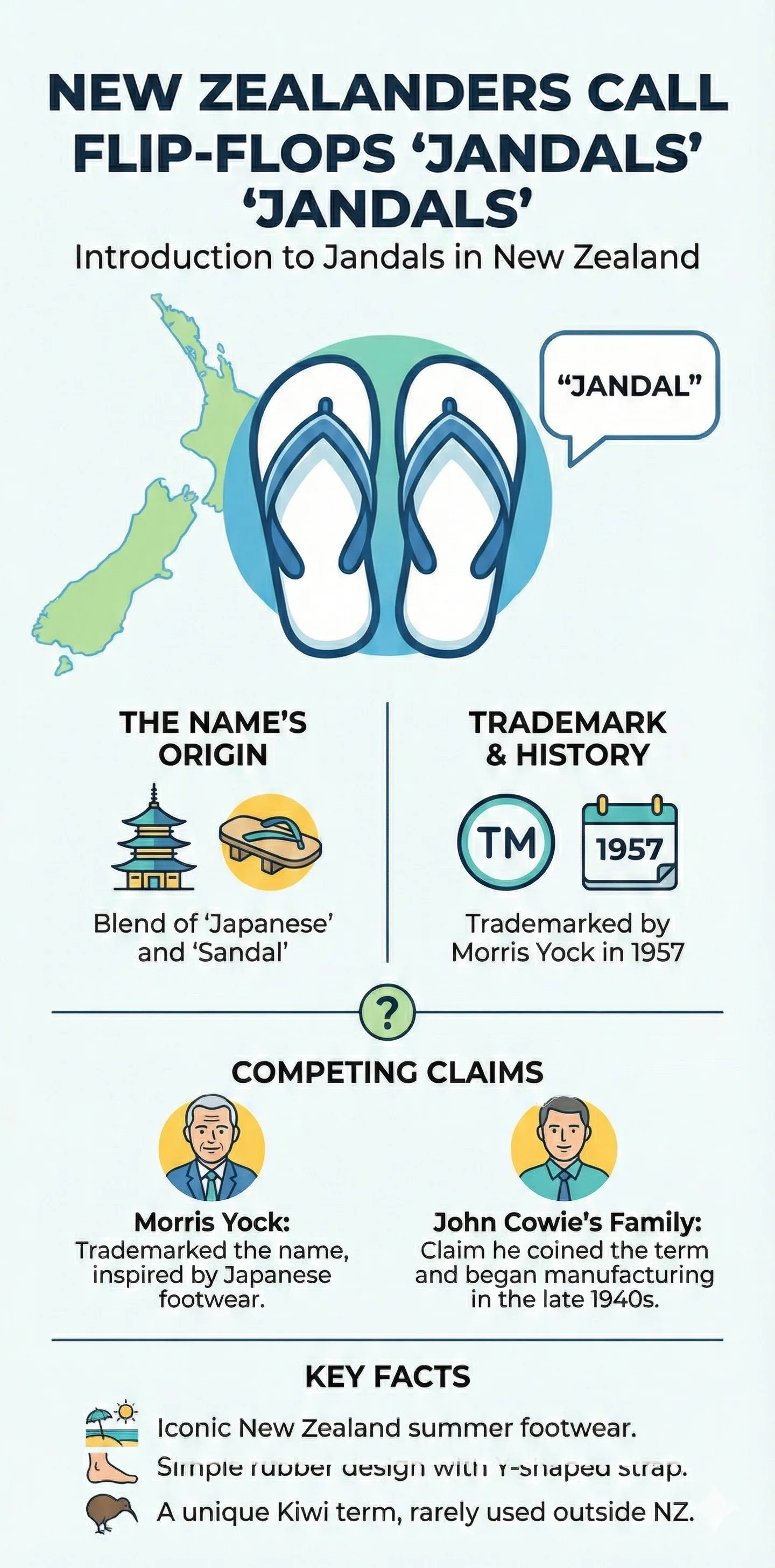
Introduction to Jandals in New Zealand
If you're a Kiwi, you're probably familiar with the term 'jandals'. But have you ever wondered where this word came from, or why New Zealanders use it to describe a type of footwear that's commonly known as 'flip-flops' or 'thongs' in other parts of the world? In this article, we'll delve into the history and cultural significance of jandals in New Zealand, and explore why they're such an integral part of our casual, laid-back lifestyle.
The term 'jandal' is believed to have originated in the 1950s, when a New Zealand company called Jandal Ltd began manufacturing a type of rubber flip-flop. Over time, the term 'jandal' became synonymous with this type of footwear, and it's now widely used throughout the country. Whether you're heading to the beach, going for a walk, or just lounging around the house, jandals are a staple in many New Zealanders' wardrobes.
But jandals are more than just a type of footwear – they're also a cultural icon that reflects our relaxed, outdoor-oriented lifestyle. In New Zealand, you'll often see people wearing jandals in a variety of settings, from casual social gatherings to outdoor events and activities. So, if you're new to New Zealand or just curious about our unique cultural quirks, keep reading to learn more about the fascinating world of jandals.
The History of Jandals in New Zealand
The history of jandals in New Zealand is closely tied to the country's post-war economic boom and the growth of the manufacturing sector. In the 1950s, New Zealand was experiencing a period of rapid economic growth, and many new companies were springing up to meet the demand for consumer goods. Jandal Ltd was one of these companies, and it quickly became a leading manufacturer of rubber footwear in New Zealand.
The company's early products were simple, yet durable and practical, and they quickly gained popularity among New Zealanders. As the company grew and expanded its product line, the term 'jandal' became more widely used, and it eventually became a generic term for this type of footwear. Today, you can find jandals in a wide range of styles, colours, and materials, from simple, affordable options to more fashionable and designer-inspired models.
Key Milestones in the History of Jandals
- 1950s: Jandal Ltd begins manufacturing rubber flip-flops in New Zealand
- 1960s: The term 'jandal' becomes more widely used and gains popularity among New Zealanders
- 1970s: Jandal Ltd expands its product line to include a range of different styles and colours
- 1980s: The company faces increased competition from overseas manufacturers, but the term 'jandal' remains a beloved part of New Zealand culture
The Cultural Significance of Jandals
Jandals are more than just a type of footwear – they're also a cultural symbol that reflects our values and lifestyle. In New Zealand, we place a strong emphasis on casual, laid-back living, and jandals are a perfect fit for this approach to life. Whether you're heading to the beach, going for a walk, or just lounging around the house, jandals are a comfortable and practical choice that's hard to beat.
But jandals are also a symbol of our love for the outdoors and our connection to nature. In New Zealand, we're fortunate to have a stunning natural environment, with beautiful beaches, forests, and mountains to explore. Jandals are the perfect footwear for many of these activities, and they're often seen as an essential part of our outdoor gear.
Why Jandals are a Beloved Part of New Zealand Culture
- Practicality: Jandals are a practical and comfortable choice for many outdoor activities
- Casual style: Jandals are a perfect fit for our casual, laid-back lifestyle
- Connection to nature: Jandals reflect our love for the outdoors and our connection to the natural environment
- Nostalgia: For many New Zealanders, jandals evoke memories of childhood summers and outdoor adventures
How to Choose the Right Jandals
With so many different styles and brands to choose from, selecting the right jandals can be a daunting task. Here are a few tips to help you make the right choice:
- Consider the occasion: Think about where you'll be wearing your jandals and what you'll be doing. If you'll be engaging in water activities, look for jandals with a good grip and drainage.
- Think about comfort: Choose jandals that are comfortable and provide adequate support for your feet.
- Check the quality: Look for jandals that are well-made and durable, with high-quality materials and construction.
- Style and colour: Consider the style and colour of your jandals and how they'll fit with your wardrobe and personal taste.
Popular Types of Jandals
- Contoured footbed jandals: These jandals have a contoured footbed that provides extra support and comfort
- Waterproof jandals: These jandals are designed for water activities and have a waterproof coating to keep your feet dry
- Slip-on jandals: These jandals have a slip-on design that's easy to put on and take off
- Sport jandals: These jandals are designed for athletic activities and have a more supportive and stable design
Jandal Etiquette in New Zealand
While jandals are a casual and relaxed type of footwear, there are still some rules of etiquette to keep in mind when wearing them in New Zealand. Here are a few tips:
- Be mindful of the occasion: While jandals are acceptable in many casual settings, they may not be suitable for more formal events or workplaces.
- Keep your jandals clean: Make sure your jandals are clean and free of dirt and debris before wearing them.
- Respect cultural norms: Be aware of cultural norms and traditions when wearing jandals, particularly in Maori or Pacific Island communities.
Jandal Etiquette Dos and Don'ts
- Do wear jandals to casual social gatherings and outdoor events
- Don't wear jandals to formal events or workplaces
- Do keep your jandals clean and well-maintained
- Don't wear jandals that are dirty or smelly
Conclusion and Key Takeaways
In conclusion, jandals are a beloved part of New Zealand culture that reflects our casual, laid-back lifestyle and our love for the outdoors. Whether you're a Kiwi or just visiting New Zealand, understanding the history and cultural significance of jandals can help you navigate our unique cultural landscape. Here are the key takeaways from this article:
- Jandals are a type of footwear that's unique to New Zealand and reflects our cultural values and lifestyle
- The term 'jandal' originated in the 1950s and has since become a generic term for this type of footwear
- Jandals are a practical and comfortable choice for many outdoor activities and are a perfect fit for our casual, laid-back lifestyle
- When choosing jandals, consider the occasion, comfort, quality, and style
- Be mindful of jandal etiquette in New Zealand and respect cultural norms and traditions.
By following these tips and guidelines, you can enjoy the comfort and practicality of jandals while also showing respect for New Zealand's unique cultural heritage. So next time you slip on your jandals, remember the rich history and cultural significance behind this iconic piece of Kiwi footwear.
Related Articles

Is the NZ Dream Dead? 10 Reasons Why We Still Love Living Here
We've all heard the grumbles—sky-high house prices, the exodus across the Tasman, and whispers that the **NZ Dream** is fading. But amid the headlines, is the NZ Dream really dead? Far from it. Here a...

The Buzzy Bee Toy Is a Kiwi Icon Since 1940
Introduction to the Buzzy Bee Toy The Buzzy Bee toy is an iconic Kiwi symbol that has been entertaining children in New Zealand since 1940. This colourful

Meat Pies Are a National Lunch Staple
Introduction to New Zealand's Favourite Lunch Meat pies are a staple in New Zealand's culinary culture, and it's easy to see why. These flaky, savoury pas

New Zealand Has More Bookshops Per Capita Than Most Countries
Introduction to New Zealand's Bookshop Culture New Zealand is renowned for its stunning natural beauty, diverse wildlife, and vibrant culture. However, th