QLED vs LED TVs: Making the Right Choice for Your Budget
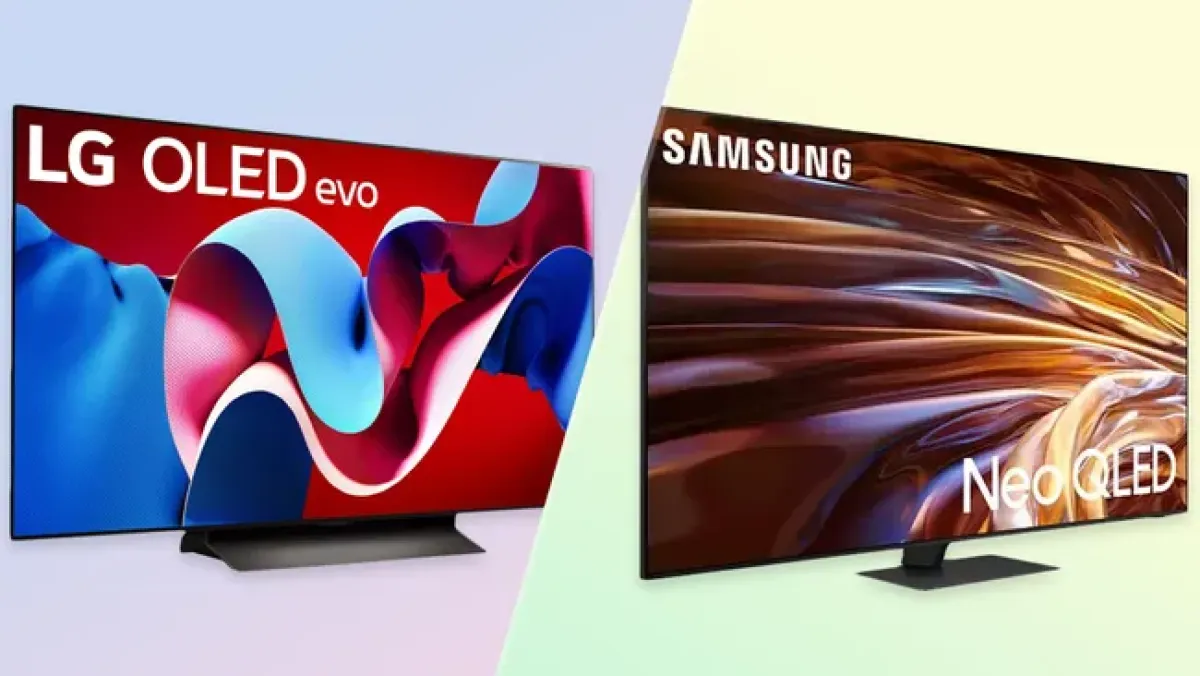
If you're shopping for a new TV in 2026, you've probably noticed the confusing array of acronyms: LED, QLED, Mini-LED, and OLED. The good news is that understanding the differences between these techn...
Daniel covers technology, cybersecurity, and small business topics for Lifetimes NZ. He breaks down tech news and digital trends for a general audience.
If you're shopping for a new TV in 2026, you've probably noticed the confusing array of acronyms: LED, QLED, Mini-LED, and OLED. The good news is that understanding the differences between these technologies doesn't require a tech degree. Whether you're upgrading your living room setup or looking for the best value for your budget, this guide will help you make an informed decision that suits your needs and your wallet.
What's the Difference Between LED and QLED?
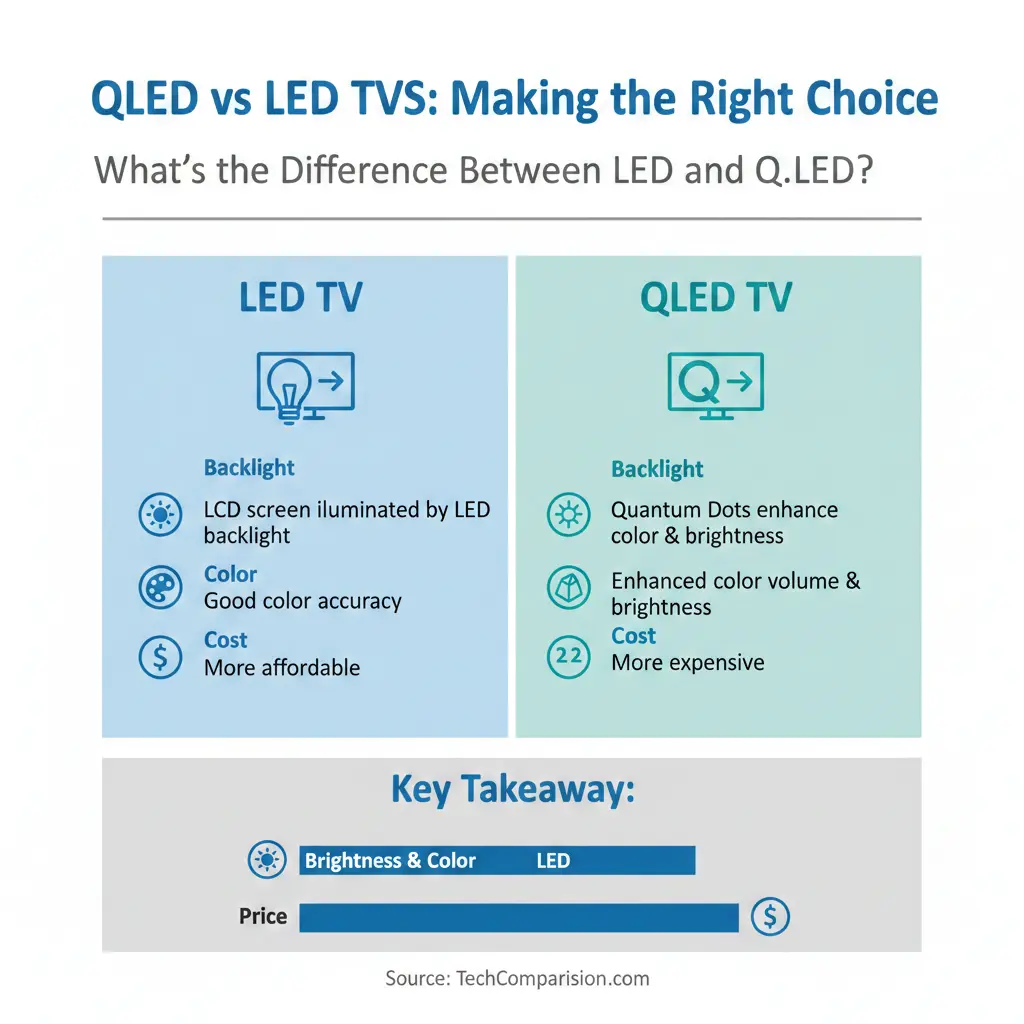
At their core, both LED and QLED TVs use similar technology—they're LCD panels with backlights. The key difference lies in what sits between that backlight and the screen.
Standard LED TVs use a traditional LCD panel with an LED backlight. It's straightforward technology that's been around for years, and it works well for everyday viewing.
QLED TVs (Quantum-dot Light Emitting Diode) add an extra layer—a layer of quantum dots. These are tiny nano crystals that react to the LED backlight and produce richer, more vibrant colours. Think of it as an upgrade that makes colours pop without changing the fundamental technology.
Picture Quality: Where QLED Wins
Brightness and Colour Performance
QLED TVs generally deliver superior brightness and colour compared to standard LED models. This matters more than you might think, especially if your lounge gets plenty of natural light from windows. When sunlight floods your room, a QLED's brighter image means colours stay vibrant and details remain sharp, rather than looking washed out.
The difference is particularly noticeable with HDR (High Dynamic Range) content. QLED TVs can produce a wider range of colours and higher peak brightness levels—often reaching 1,000 to 2,000 nits—making them ideal for sports, gaming, and modern films.
Movie and Gaming Performance
If you're a movie enthusiast or gamer, QLED TVs offer a noticeable advantage. The quantum dot layer creates richer, more lifelike colours and faster response times compared to standard LED models. For gaming specifically, QLED's combination of brightness, colour accuracy, and responsiveness makes it the better choice for competitive play or visually demanding titles.
Cost Considerations for Your Budget
Here's where LED TVs have a real advantage: price. LED TVs are generally more affordable than QLED models and are available in more sizes. If you're budget-conscious and primarily watch standard definition (SDR) content like free-to-air television, news, and older films, a quality LED TV can still deliver an enjoyable viewing experience.
However, it's worth noting that the TV market has shifted. Most budget LED models available in 2025-2026 are positioned at the lower end of the market, meaning they won't match QLED brightness or colour performance. If you can stretch your budget, the step up to QLED often provides better value for money in the long run.
Lifespan and Durability
Both technologies are designed for long-term use. Standard LED and QLED TVs both have estimated lifespans exceeding 50,000 hours—roughly 13 years of continuous use. That's plenty for most households.
One minor advantage for QLED: quantum dot panels are more resistant to screen burn-in, which could mean slightly longer practical lifespan with heavy use. However, with sensible viewing habits, both should last just as long.
Should You Consider Mini-LED Instead?
While you're comparing options, you might also see Mini-LED TVs mentioned. Mini-LED uses thousands of tiny backlights instead of a few hundred, offering better control over brightness and contrast. Many modern Mini-LED TVs also incorporate quantum dots, making them technically a hybrid QLED + Mini-LED combination.
The practical takeaway: if your budget allows, Mini-LED QLED TVs offer the best balance of contrast control and colour performance, particularly for movies and HDR content. However, they typically cost more than standard QLED.
Choosing Based on Your Needs
Choose LED if you:
- Have a tight budget and want a functional TV that works
- Watch mostly standard definition content (free-to-air TV, older films)
- Have a dimmer room without much natural light
- Don't prioritise gaming or HDR movies
Choose QLED if you:
- Have a bright lounge with plenty of windows
- Watch HDR movies, sports, or gaming content regularly
- Want vibrant colours and excellent brightness performance
- Can stretch your budget for better long-term value
New Zealand Consumer Protections
When buying a TV in New Zealand, you're protected by the Consumer Guarantees Act 1993. Any TV you purchase must be of acceptable quality, fit for purpose, and safe. If something goes wrong within a reasonable timeframe, you're entitled to a refund, repair, or replacement.
Most retailers in New Zealand offer warranty periods—typically 1-2 years—so check the specific terms before purchasing. If you're buying online from overseas retailers, be aware that returns and warranty support can be more complicated.
Making Your Decision
The choice between LED and QLED comes down to three factors: your budget, your room's lighting conditions, and what you watch. If you're primarily watching standard content in a dimmer room and budget is tight, LED is perfectly adequate. If you enjoy HDR movies, gaming, sports, or have a bright lounge, QLED delivers noticeably better performance that justifies the extra investment.
Before you buy, visit a retailer and compare models side by side if possible. Watch a few minutes of HDR content on both to see the difference in action. Check the warranty terms and retailer return policies—most New Zealand retailers offer reasonable protections. With this information in hand, you'll find the TV that's right for your home and budget.
Frequently Asked Questions
Sources & References
-
1
QLED vs LED: the two TV panel technologies compared — www.whathifi.com
-
2
QLED vs. LED: Which One Is The Best? — www.rtings.com
-
3
LED vs QLED vs OLED — The Winner SHOCKED Even TV Experts 2026 — www.youtube.com
-
4
QLED or Mini-LED? Which TV to buy in 2026 — www.youtube.com
-
5
Best TVs of 2025 tested: top OLEDs, Mini-LEDs and more — www.tomsguide.com
-
6
NEVER buy this one! OLED, QLED, MiniLED, LED in 2026 — www.youtube.com
Related Articles

iPad Pro: Premium Tablet for Creative Professionals
If you're a creative professional in New Zealand looking for a tablet that can handle demanding work, the iPad Pro with the M5 chip might be exactly what you need. Whether you're editing videos, desig...
Handheld Vacuum Cleaners: Quick Cleanup Solutions
Handheld vacuum cleaners have become essential tools for Kiwi households, offering quick cleanup solutions without the hassle of dragging out a full-size vacuum. Whether you're dealing with crumbs on...

French Door Refrigerators in NZ: Luxury Cooling with Style
If you're looking to upgrade your kitchen with a stylish and spacious refrigerator, a French door fridge might be exactly what you need. These elegant appliances have become increasingly popular in Ne...

Chest Freezers in New Zealand: Bulk Storage for Rural Properties
If you're living on a rural property in New Zealand, a chest freezer isn't just a convenience—it's a practical investment for storing homekill, bulk meat purchases, garden produce, and fish. Whether y...