Australian pre‑school and ECE system for New Zealanders 2026
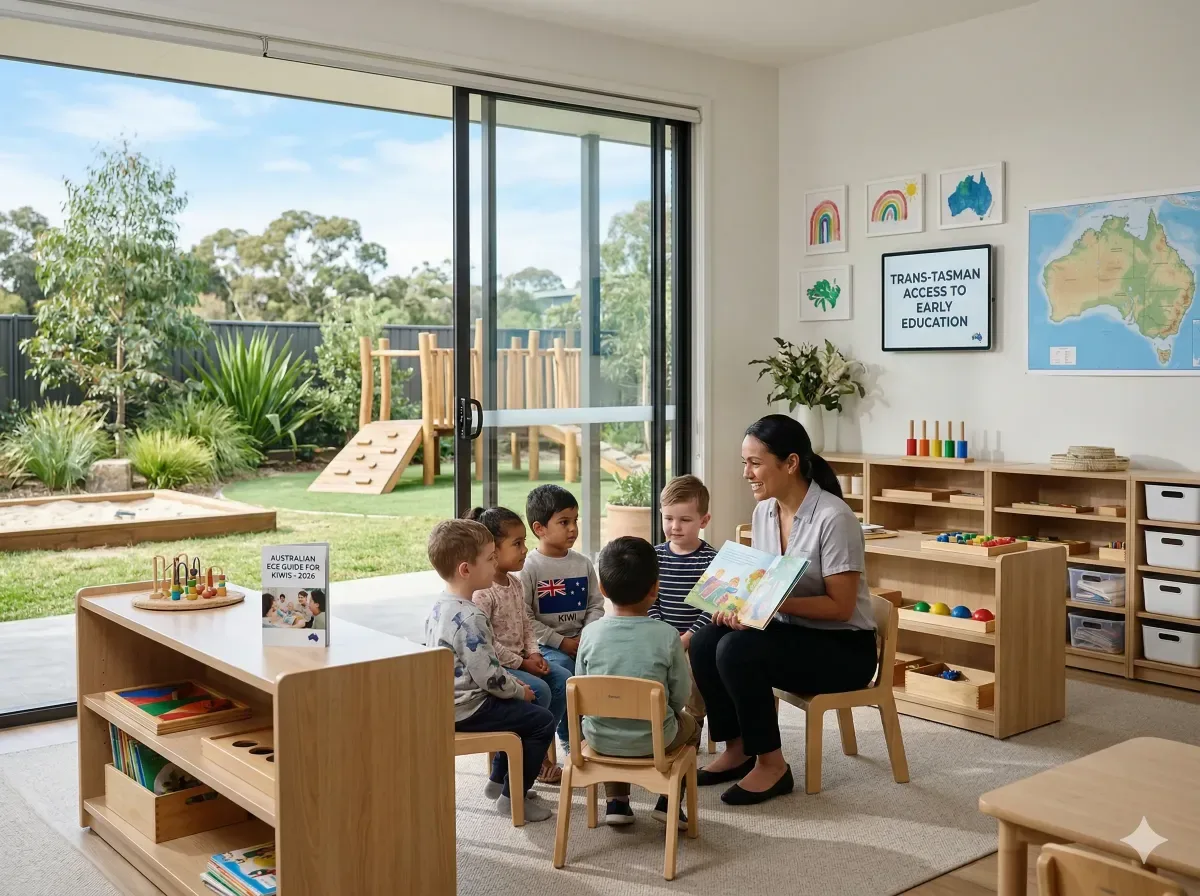
Planning a move across the ditch with tamariki in tow? Australia's pre-school and ECE system in 2026 offers Kiwi families more affordable access, stricter safety measures, and expanded subsidies than...
The Lifetimes NZ editorial team curates, fact-checks, and updates guides on personal finance, property, health, immigration, legal, business, and lifestyle topics relevant to Lifetimes NZ readers. Articles are produced with AI assistance and reviewed by the editorial team before publication.
Planning a move across the ditch with tamariki in tow? Australia's pre-school and ECE system in 2026 offers Kiwi families more affordable access, stricter safety measures, and expanded subsidies than ever before—but it pays to know how it stacks up against our own setup back home.
Whether you're chasing work in Sydney, studying in Brisbane, or retiring to the Gold Coast, understanding Australia's early childhood education and care (ECEC) landscape is key. With 2026 reforms rolling out universal subsidies and mandatory safety training, it's a great time for New Zealanders to explore options. We'll break it down step-by-step, with practical tips tailored for Kiwis, including how your qualifications transfer and what to expect compared to familiar KiwiSaver-funded or WINZ-supported services here.
Overview of Australia's Pre-School and ECE System
Australia's ECEC system covers children from birth to school age (typically 0-5 years), blending centre-based care, family day care, and outside school hours care. Unlike New Zealand's community-focused kindergartens and home-based services under the Ministry of Education, Australia's model is federally subsidised through the Child Care Subsidy (CCS), regulated by the Australian Children's Education and Care Quality Authority (ACECQA). Services must meet the National Quality Framework (NQF), emphasising seven quality areas like educational programs and children's health.
For Kiwis, it's similar to our ECE centres but with heavier reliance on parental fees offset by subsidies. In 2026, the system is shifting towards universality, aiming for every child to access at least three days of subsidised care weekly—echoing New Zealand's 20 Hours ECE but with broader reach.
Types of ECEC Services Available
- Centre-Based Care: Long day care (7am-6pm) or preschool programs, ideal for working parents. Think bustling centres like those in Kiwi cities, but often larger.
- Family Day Care: Home-based like New Zealand's, with one educator caring for small groups.
- Kindergarten/Preschool: Play-based sessions for 3-5 year-olds, similar to our sessional kindergartens.
- Outside School Hours Care: Before/after school for older tamariki.
Kiwi tip: Search via the ACECQA service finder app—much like our Education Counts site—to find NQF-rated services near your postcode.
Key 2026 Reforms: What's New for Kiwi Families
2026 marks a pivotal year with staggered changes enhancing safety, access, and workforce quality. These build on 2025 legislation, giving the federal government powers to enforce standards and even de-fund non-compliant providers.
Staged Rollout Timeline
Reforms are phased to ease transition:
- 1 January 2026: Refinements to National Quality Standard (NQS) Quality Areas 2 (Children's Health and Safety) and 7 (Leadership and Service Management).
- February 2026: National Early Childhood Worker Register launches, tracking staff qualifications, Working with Children Checks, and movements across services.
- 27 February 2026: Mandatory child safety training for all staff, volunteers, and students—free, nationally consistent, from the Australian Centre for Child Protection.
Wage subsidies from July 2026 help smaller providers cover training costs. For Kiwis, this mirrors our own Police vetting but adds real-time national oversight.
The 3-Day Guarantee: Bigger Subsidies
The star reform is the 3 Day Guarantee, replacing the activity test. From 2026, families get at least 36 subsidised hours weekly (72 fortnightly) regardless of work status—doubling previous limits for many. A family earning average wages saves $230 weekly ($11,400 yearly) on centre-based care.
Compare to New Zealand: Our 20 Hours ECE is free for 3-5s, but Australia's CCS applies from birth, with rates up to 90% for low-income families. Kiwi expats on Working Holiday or 462 visas qualify if meeting residency rules.
Costs, Subsidies, and Affordability for New Zealanders
Fees vary: $100-150/day for centres, but CCS slashes out-of-pocket costs. In 2026, $5 billion federal investment expands places via the Building Early Education Fund, targeting regional areas like Queensland's outback—handy for Kiwis in mining or ag jobs.
| Family Income | CCS Rate (2026) | Weekly Subsidy Example (36hrs) |
|---|---|---|
| Under $83,000 | 90% | ~$3,000 (full coverage) |
| $83k-$368k | 84%-50% | ~$1,500-$2,500 |
| Over $368k | 0% | $0 (full fees) |
Note: Rates adjusted annually; use the government's CCS calculator. For Kiwis, link your IRD number via myGov for seamless claims—similar to sorting StudyLink overseas.
Workforce and Qualifications: Kiwi Educators Heading Across
Australia faces educator shortages, projecting 1 million new jobs by 2030. $3.6 billion in wage boosts benefits 200,000 educators. New Zealand qualifications (Level 4+ Diploma) often transfer via ACECQA assessment—check if your NZTC registration aligns.
Practical steps for Kiwi teachers:
- Apply for Working with Children Check (state-specific, ~$100, valid 5 years).
- Complete mandatory safety training (free, 6-14 days).
- Register on the new national database from Feb 2026.
- Explore NSW Community Services Jobs Compact for roles.
Salary edge: Australian educators earn 20-30% more than Kiwi counterparts, with retention payments.
Safety and Quality: How It Compares to New Zealand
2026 brings unannounced spot checks (1,600 extra yearly) and de-funding powers. The $226 million safety package ensures robust checks, akin to our ACC-mandated child protection but federally enforced.
Kiwi families: Services closing briefly for training? Providers give notice, and subsidies continue.
Practical Tips for Kiwi Families Moving to Australia
- Enrol Early: Waitlists fill fast in cities like Melbourne—start 3-6 months ahead via ACECQA finder.
- Visa Check: Citizens get full CCS; others need 4+ weeks residency. Reference immigration.govt.nz for dual pathways.
- Compare Costs: Tally NZ ECE fees (e.g., $5-7/hr unsubsidised) vs. AU post-CCS.
- Quals Transfer: Use NZQA for credential eval before applying.
- myGov Setup: Essential for CCS, like linking IRD for KiwiSaver abroad.
Next Steps for Your Family
Ready to dive in? Bookmark ACECQA.gov.au, crunch numbers with the CCS estimator, and chat with expat Kiwi groups on Facebook. If you're an educator, update your CV for those wage-boosted roles. Australia's 2026 ECEC system is more accessible and safer—perfect for Kiwis building a new life across the Tasman. Safe travels, and kia kaha!
Frequently Asked Questions
Sources & References
-
1
Welcome to 2026: What's Changing in Early Childhood Care — trioearlylearning.com.au
-
2
Federal Reforms for Early Education | Childcare Compliance Changes — www.weareoho.com
-
3
Education | Budget 2025–26 — budget.gov.au
-
4
What's Changing in Early Childhood Education in 2026: Workforce — kiranacolleges.edu.au
-
5
ECEC reform 2026: why stewardship must replace piecemeal policy — thesector.com.au
-
6
Safety in early education and care update | Ministers' Media Centre — ministers.education.gov.au
-
7
ACECQA National Quality Framework — www.acecqa.gov.au