5G Smartphones: Future-Ready Connectivity in New Zealand
5G smartphones are transforming how we stay connected across New Zealand, delivering faster speeds, lower latency, and improved reliability that's reshaping everything from rural communication to urba...
Daniel covers technology, cybersecurity, and small business topics for Lifetimes NZ. He breaks down tech news and digital trends for a general audience.
5G smartphones are transforming how we stay connected across New Zealand, delivering faster speeds, lower latency, and improved reliability that's reshaping everything from rural communication to urban productivity. Whether you're in Auckland's CBD or a remote Southland farm, 5G technology is becoming essential for modern living—and understanding what it means for you matters.
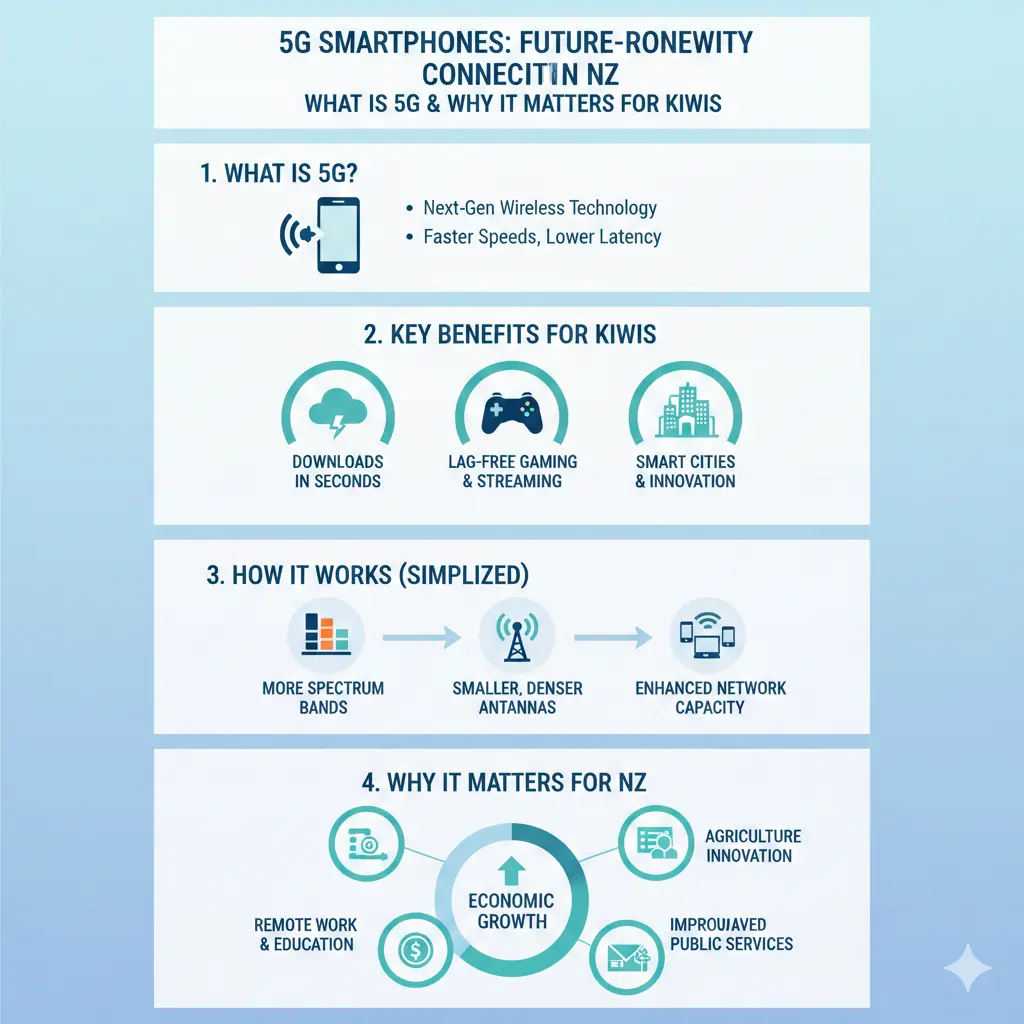
What is 5G and Why It Matters for Kiwis
5G is the fifth generation of mobile network technology, offering significantly faster data speeds and more reliable connections than 4G. Unlike its predecessor, 5G doesn't just mean quicker downloads; it enables real-time applications, supports more devices simultaneously, and crucially for New Zealand, it's designed to maintain connectivity in rural and remote regions where traditional networks struggle.
New Zealand's mobile providers are actively rolling out 5G infrastructure across the country. One NZ is expanding its 4G network coverage to all locations by August 2025, while Spark New Zealand is working towards extending 5G connectivity to all towns with populations exceeding 1,500 by June 2026. This nationwide expansion means that whether you're working from home in Wellington or running a farm in Waikato, 5G connectivity is becoming increasingly accessible.
Current 5G Smartphone Options in New Zealand
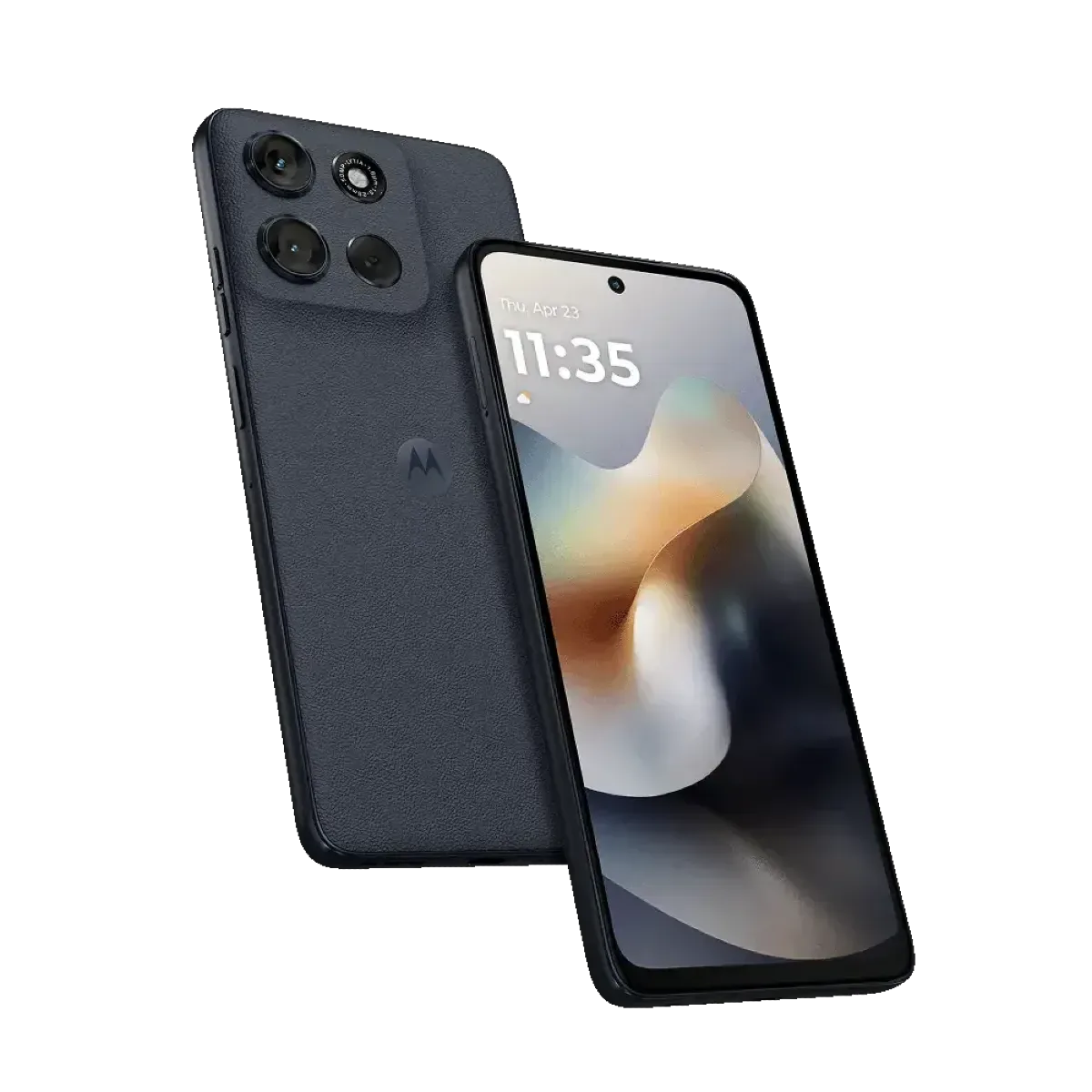
New Zealand now has several excellent 5G smartphone options available through local providers. Motorola and One NZ recently launched a collaboration bringing four new models to the local market:
- Moto G56 5G (RRP NZD $429) – A durable, cost-conscious device with a 6.7-inch FHD+ screen, 5200mAh battery, and 50MP Sony camera system, available in Black Oyster and Gray Mist
- Motorola Edge 60 Fusion – Premium features at a mid-range price point
- Motorola Edge 60 Pro – High-end option for power users
- Motorola Razr 60 – Innovative foldable design for tech enthusiasts
All these devices support 5G networks and include features such as AI-powered photo processing, long-life batteries, and Dolby Atmos audio. For budget-conscious Kiwis, the familiar moto g05 (RRP NZD $226) remains available as an entry-level choice.
Satellite Connectivity: A Game-Changer for Rural New Zealand
One of the most significant developments for rural and remote New Zealand is satellite text messaging support. All four new Motorola devices are designed to maintain connectivity in rural and remote regions, supported by One NZ's Satellite TXT feature when used with eligible plans. This means even if you're in an area without traditional mobile coverage, you'll still be able to send and receive text messages—essential for farmers, outdoor workers, and anyone venturing into remote areas.
This capability addresses a long-standing challenge for New Zealand's rural communities, where traditional mobile networks often have coverage gaps. As New Zealand's mobile providers decommission 3G services, these new devices are designed to handle the country's evolving network landscape while ensuring customers maintain access to communication services.
5G Market Growth and What It Means for You
The global 5G smartphone market is experiencing explosive growth. The market is projected to grow from USD 247.99 billion in 2025 to USD 3,064.67 billion by 2034, with 5G subscriptions expected to account for about 47 per cent of total mobile subscriptions by the end of 2029.
In New Zealand specifically, mobile services revenue is poised to increase at a compound annual growth rate of 2.6 per cent from $1.5 billion in 2024 to $1.8 billion in 2029, driven by nationwide network expansion and rising demand for high-speed connectivity. Mobile data service revenue will increase even faster at 5.6 per cent CAGR, reflecting growing consumption of data-intensive services over 4G and 5G networks.
While 4G will remain the leading mobile technology through 2029, 5G subscriptions are increasing at the fastest rate. This transition means device manufacturers and carriers are investing heavily in making 5G phones more affordable and accessible to everyday Kiwis.
Key Features That Make 5G Smartphones Worth Upgrading
Modern 5G smartphones offer several practical advantages over older models:
- Faster downloads and uploads – Stream 4K video, video call without lag, and upload large files instantly
- Lower latency – Reduced delay means smoother gaming, real-time applications, and responsive web browsing
- Better network reliability – 5G networks are designed to handle more simultaneous connections without degradation
- AI integration – New phones include AI-powered features for photography, productivity, and personalisation
- Extended battery life – Modern 5G devices are increasingly efficient, with some offering multi-day battery life
- Satellite connectivity – Emergency communication capability in remote areas
The Network Transition: What You Need to Know
New Zealand's telecommunications landscape is shifting significantly. As 3G services are decommissioned, major carriers like Spark and One NZ are investing billions into 5G and 4G expansion. Spark is investing up to 350 million New Zealand dollars into data centres and 5G infrastructure, ensuring the country's networks remain competitive and reliable.
For consumers, this means that upgrading to a 5G-compatible phone ensures you won't face connectivity issues as older network standards are phased out. While 4G will remain available through 2029, having a 5G-capable device future-proofs your investment.
Choosing the Right 5G Smartphone for Your Needs
For Budget-Conscious Kiwis
The Moto G56 5G at NZD $429 offers excellent value, with a large screen, solid camera, and long battery life. It's perfect for everyday tasks like messaging, social media, and streaming.
For Power Users
The Motorola Edge 60 Pro offers premium features including advanced cameras, faster processors, and enhanced display technology for demanding applications.
For Tech Enthusiasts
The Motorola Razr 60 provides innovative foldable technology that's becoming more mainstream and practical for daily use.
Making Your Next Move
5G smartphones represent a significant step forward in mobile technology, offering faster speeds, better reliability, and innovative features like satellite connectivity that are particularly valuable for New Zealand's diverse geography. Whether you're upgrading for better performance, future-proofing your investment, or wanting access to satellite texting in remote areas, now is an excellent time to explore 5G options.
Start by checking your current provider's 5G coverage in your area and exploring the available devices and plans. Visit One NZ, Spark, or Vodafone's websites to compare options, or visit a local store to handle devices and ask questions about plans that suit your needs. With prices becoming increasingly competitive and coverage expanding across the country, 5G connectivity is no longer a luxury—it's becoming essential infrastructure for modern New Zealand living.
Frequently Asked Questions
Sources & References
-
1
Motorola & One NZ launch 5G phones with satellite TXT support — telconews.co.nz
-
2
Forecast: 5G to drive New Zealand mobile service revenue growth — www.advanced-television.com
-
3
5G Smartphone Market Size, Share & Trends Report, 2034 — www.polarismarketresearch.com
- 4
-
5
Spark to splash $221M on data centers, 5G in new plan — www.lightreading.com
Related Articles

iPad Pro: Premium Tablet for Creative Professionals
If you're a creative professional in New Zealand looking for a tablet that can handle demanding work, the iPad Pro with the M5 chip might be exactly what you need. Whether you're editing videos, desig...
Handheld Vacuum Cleaners: Quick Cleanup Solutions
Handheld vacuum cleaners have become essential tools for Kiwi households, offering quick cleanup solutions without the hassle of dragging out a full-size vacuum. Whether you're dealing with crumbs on...

French Door Refrigerators in NZ: Luxury Cooling with Style
If you're looking to upgrade your kitchen with a stylish and spacious refrigerator, a French door fridge might be exactly what you need. These elegant appliances have become increasingly popular in Ne...
Chest Freezers in New Zealand: Bulk Storage for Rural Properties
If you're living on a rural property in New Zealand, a chest freezer isn't just a convenience—it's a practical investment for storing homekill, bulk meat purchases, garden produce, and fish. Whether y...