Blenders: Smoothies and Food Processing
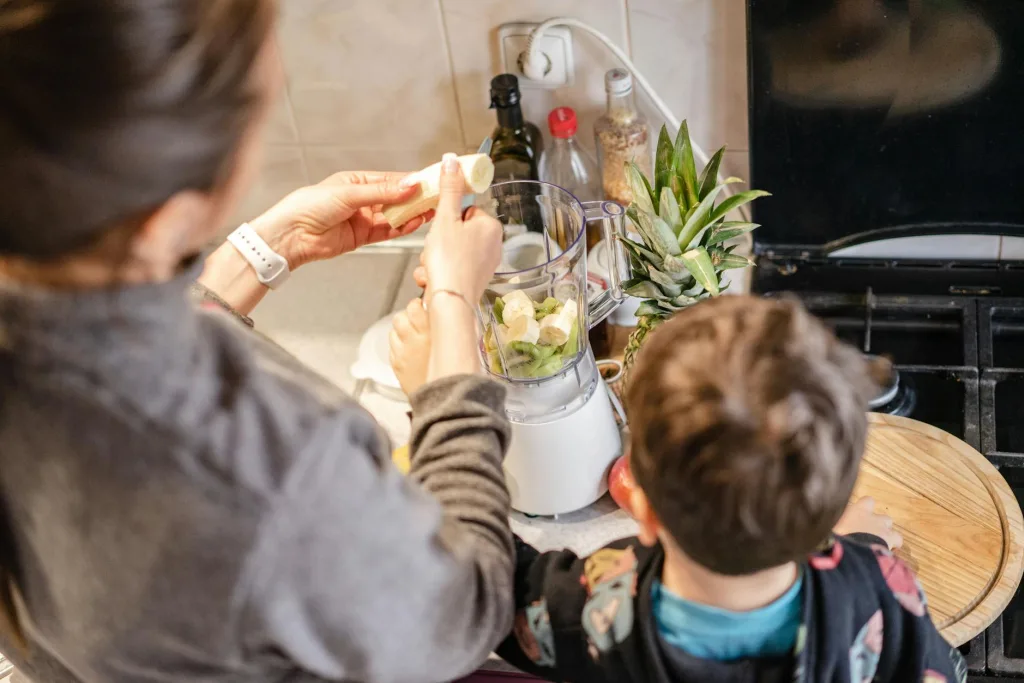
Imagine kicking off your day with a vibrant green smoothie packed with Kiwi-grown spinach, kiwifruit, and frozen berries, all blended to silky perfection in seconds. Or effortlessly whipping up hummus...
Daniel covers technology, cybersecurity, and small business topics for Lifetimes NZ. He breaks down tech news and digital trends for a general audience.
Imagine kicking off your day with a vibrant green smoothie packed with Kiwi-grown spinach, kiwifruit, and frozen berries, all blended to silky perfection in seconds. Or effortlessly whipping up hummus from chickpeas for a weekend barbecue. In New Zealand homes, blenders have become kitchen heroes for crafting nutrient-rich smoothies and tackling food processing tasks, saving time and boosting healthy eating habits amid our busy lifestyles.
Whether you're a fitness enthusiast in Auckland or a family cook in Christchurch, the right blender can transform fresh, local produce into delicious meals. With rising interest in home wellness—especially post-2020—Kiwis are turning to blenders more than ever. This guide dives into the best options available in 2026, tailored for our market, complete with practical tips on choosing, using, and maintaining them.
Why Blenders Matter for Smoothies and Food Processing in NZ
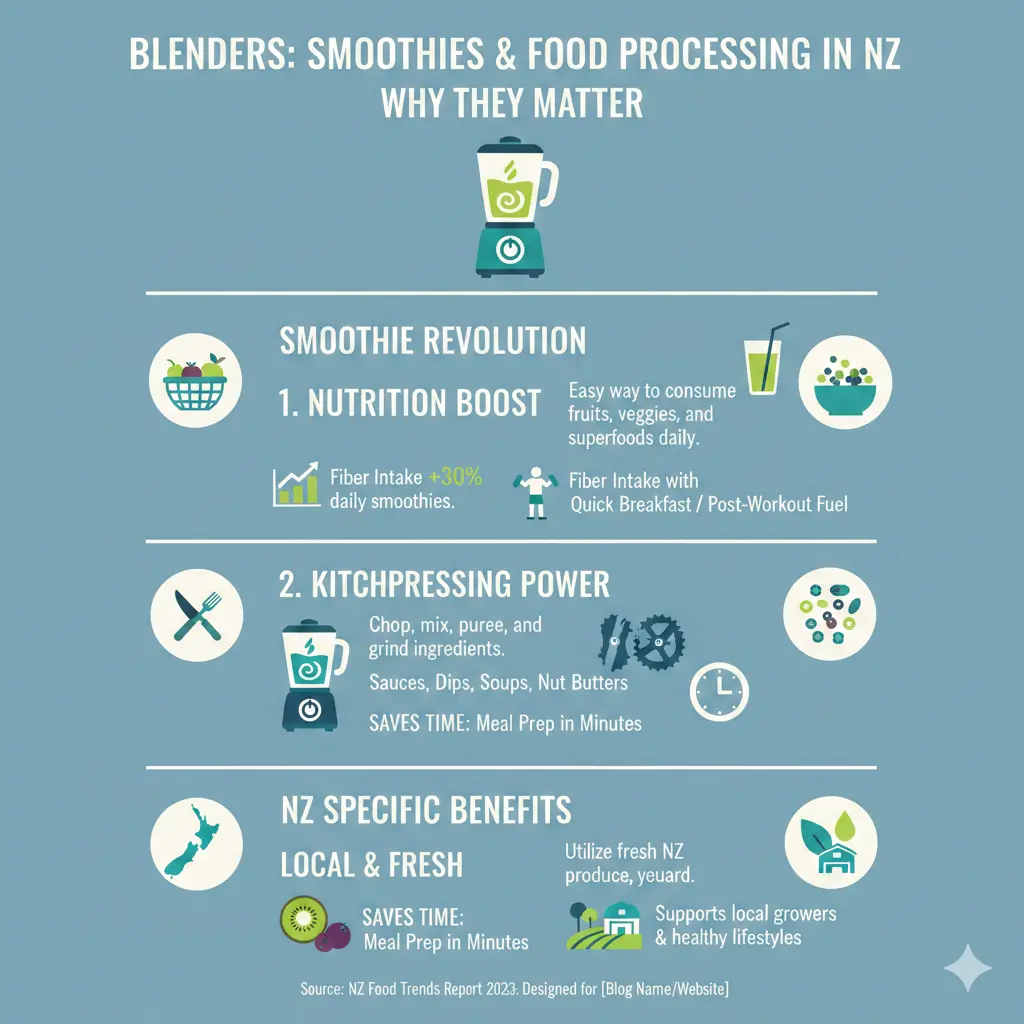
Blenders excel at two key areas: creating smooth, creamy smoothies from fibrous fruits and veggies, and processing foods like nuts, soups, and dips. For smoothies, high-speed blades break down tough ingredients like kale or pineapple skins, delivering lump-free results ideal for on-the-go breakfasts. In food processing, they handle chopping, pureeing, and even emulsifying—think mayo or nut butters—without needing multiple gadgets.
In New Zealand, where we love our fresh produce from markets like Auckland's La Cigale or Otago Farmers Market, blenders make the most of seasonal goodies. They're energy-efficient too, aligning with our push towards sustainable living—many models use under 1kWh per use, keeping power bills low via your local supplier like Meridian or Contact.
Smoothie-Specific Features to Look For
- High RPM motors (900+ watts): Powers through ice and frozen berries for frosty textures, essential for summer smoothies.
- Tamper tools: Push down ingredients without stopping, perfect for thick green blends.
- Portable cups: BPA-free with lids for commuting to work or the gym.
Food Processing Capabilities
For dips, sauces, and purees, seek models with variable speeds and pulse functions. Benchtop units often double as mini food processors, grating or slicing with attachments—great for batch-prepping school lunches.
Top Blender Brands and Models for Kiwis in 2026
Based on recent reviews and local retailer data, here are standout brands dominating NZ shelves at stores like Noel Leeming, JB Hi-Fi, and The Warehouse.
1. Nutribullet: Best for Personal Smoothies
Nutribullet leads with 5-star ratings for design, ease of use, and performance. The Nutribullet Pro 900 shines for silky smoothies from fibrous kale or apples, at around $150-$200. It includes travel cups and handles nut butters decently, though skip ice-only crushing. Over 20 models from $60-$500 suit budgets, with larger ones adding food processing like slicing.
2. Ninja: Versatile All-Rounders
Ninja scores high for overall satisfaction, offering 16 models from the portable Ninja Blast ($under 100, USB-rechargeable for 15 blends per charge) to food processor combos up to $400. It blasts ice in 30 seconds and handles soups, shakes, and dips effortlessly—ideal for family food prep.
3. Braun: Premium Power for Processing
Braun's PowerBlend 9 (TriForce) is a top pick for cooking, with a 2L jug and triangular design minimising waste. It crushes nuts, emulsifies mayo, and smooths spinach smoothies flawlessly. German engineering suits Kiwi precision, available via Noel Leeming with TriAction tech for custom textures.
Budget-Friendly Options
- Anko (Kmart): High-power models from $37-$89, great entry-level for basic smoothies.
- Russell Hobbs: Desire 3-in-1 hand blender at $50, or Classic benchtop at $180.
- Westinghouse Stick Mixer: 250W handheld for soups and purees, $simple and reliable.
Froothie offers high-end Optimum models like the 9200A for daily smoothies, dips, and nut milks—praised by NZ users for power and easy cleaning.
How to Choose the Right Blender for Your Needs
Consider these factors for NZ living:
| Feature | Smoothies Focus | Food Processing Focus |
|---|---|---|
| Power (Watts) | 900+ for ice/frozen | 1200+ for nuts/thick mixes |
| Capacity | Portable 500ml cups | 1.5-2L jugs |
| Cleaning | Dishwasher-safe parts | Self-clean mode |
| Price (NZD) | $60-200 | $150-500 |
| Warranty | 1-2 years standard | Check for 5+ years on premium |
Check Energy Rating labels for efficiency, and ensure compliance with NZ Electrical Safety standards (AS/NZS 60335)—all major brands meet this. For warranties, register via retailer sites; Consumer NZ recommends checking for blade durability.
Practical Tips for Using Blenders in Your Kiwi Kitchen
- Prep smart: Cut large fruits, add liquids first, then greens and ice for best results.
- Smoothie recipe: Blend spinach, banana, kiwifruit, yoghurt, and almond milk—export-quality produce from Countdown or New World.
- Food processing hacks: Pulse nuts for crumbly textures; soak for butters. Make pumpkin soup from local pumpkins.
- Cleaning: Fill with water and soap, blend 30 seconds. Avoid dishwashers for blades if not specified.
- Safety: Unplug before handling blades; keep out of kids' reach per ACC home safety guidelines.
Store in pantries away from humidity to prevent mould, common in our damp climates.
Next Steps: Get Blending Today
Head to your local Noel Leeming or check Canstar ratings to find your match—prioritise power for smoothies or attachments for processing. Start with a simple recipe using NZ favourites like feijoas or avocados. Invest wisely, and your blender will pay off in healthier meals and less waste. Happy blending, Kiwis!
Frequently Asked Questions
Sources & References
-
1
Best Blenders in New Zealand 2025 - Noel Leeming — www.noelleeming.co.nz
-
2
Best Blender Brands in New Zealand Review - Canstar — www.canstar.co.nz
-
3
The best blenders 2025: tested and rated - TechRadar — www.techradar.com
-
4
The 4 Best nutribullet And Magic Bullet Blenders - RTINGS — www.rtings.com
-
5
Froothie New Zealand: Award Winning Appliances — www.froothie.co.nz
-
6
Benchtop blenders | Compare - Consumer NZ — www.consumer.org.nz
Related Articles
iPad Pro: Premium Tablet for Creative Professionals
If you're a creative professional in New Zealand looking for a tablet that can handle demanding work, the iPad Pro with the M5 chip might be exactly what you need. Whether you're editing videos, desig...
Handheld Vacuum Cleaners: Quick Cleanup Solutions
Handheld vacuum cleaners have become essential tools for Kiwi households, offering quick cleanup solutions without the hassle of dragging out a full-size vacuum. Whether you're dealing with crumbs on...

French Door Refrigerators in NZ: Luxury Cooling with Style
If you're looking to upgrade your kitchen with a stylish and spacious refrigerator, a French door fridge might be exactly what you need. These elegant appliances have become increasingly popular in Ne...
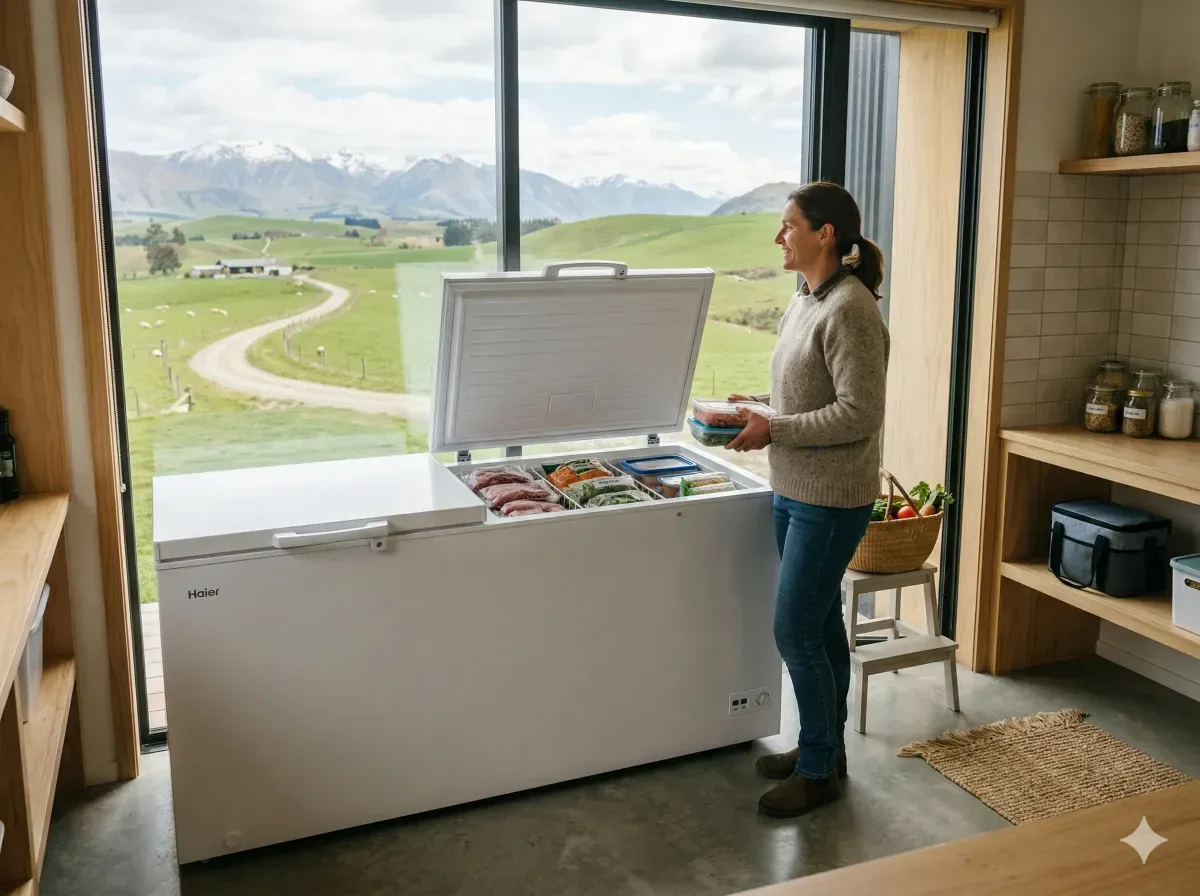
Chest Freezers in New Zealand: Bulk Storage for Rural Properties
If you're living on a rural property in New Zealand, a chest freezer isn't just a convenience—it's a practical investment for storing homekill, bulk meat purchases, garden produce, and fish. Whether y...