Coffee Grinders: Freshly Ground Beans for Perfect Coffee
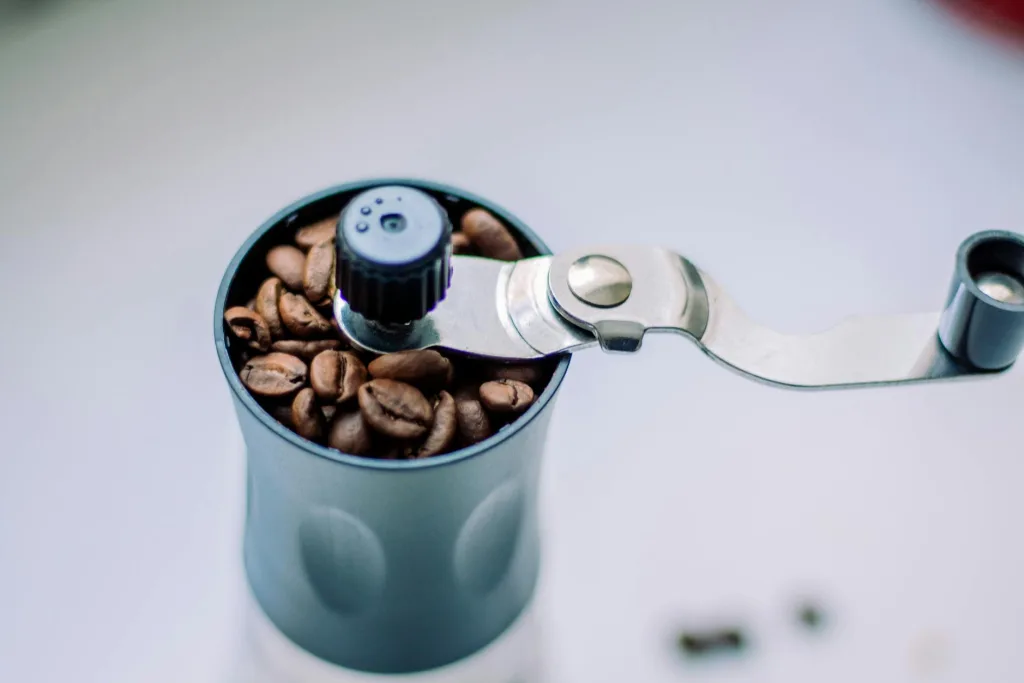
There's something special about the ritual of grinding fresh coffee beans—that rich aroma filling your kitchen, the promise of a perfectly extracted cup just moments away. If you're serious about your...
Daniel covers technology, cybersecurity, and small business topics for Lifetimes NZ. He breaks down tech news and digital trends for a general audience.
There's something special about the ritual of grinding fresh coffee beans—that rich aroma filling your kitchen, the promise of a perfectly extracted cup just moments away. If you're serious about your coffee at home, investing in a quality grinder is one of the best decisions you can make. Whether you're a beginner exploring espresso or a seasoned home barista, we'll help you find the right grinder to elevate your daily brew.
Why a Quality Grinder Matters
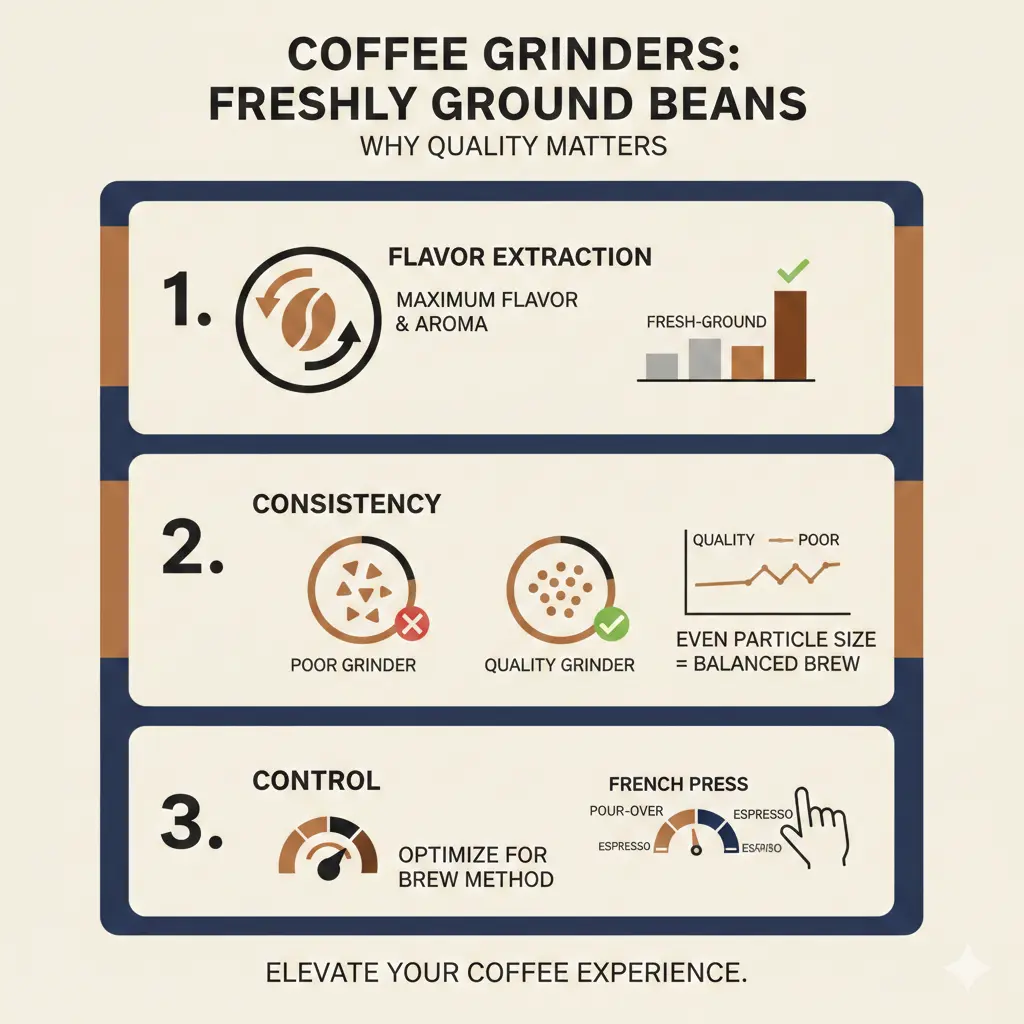
Your grinder is arguably more important than your coffee machine. A good grinder ensures consistent particle size, which directly affects extraction and flavour. Burr grinders are the gold standard for coffee enthusiasts, far superior to blade grinders for achieving the precision needed for quality espresso and filter coffee. If you're serious about coffee, skip blade grinders entirely and invest in a burr model.
The difference between a quality grinder and a cheap one isn't just about taste—it's about getting the most from your beans. Consistent grinding means better extraction, fewer bitter or sour notes, and ultimately, a cup that's worth the effort.
Types of Burr Grinders
When shopping for a grinder, you'll encounter two main types of burrs, each with distinct advantages.
Conical Burr Grinders
Conical burrs are cone-shaped and generally more forgiving for beginners. They tend to produce slightly less heat during grinding, which can help preserve delicate coffee flavours. Popular options include the Baratza Sette 270wi, which offers excellent consistency at a reasonable price point.
Flat Burr Grinders
Flat burrs consist of two parallel discs and are prized by espresso professionals for their precision and speed. The Eureka Mignon Specialita is widely regarded as one of the best flat burr grinders available, offering café-quality results for home use.
Coffee Grinders for Every Budget
Quality grinders are available across a range of price points. Here's what you can expect at different investment levels.
Entry-Level Grinders ($160–$300 NZD)
If you're just starting your coffee journey, entry-level grinders deliver impressive value. The Baratza Encore ESP is an excellent choice for beginners, offering reliable performance and ease of use. For those interested in hand grinding, the Timemore Chestnut C5 ESP PRO provides café-quality results at an affordable price.
At this level, you'll get consistent grinding suitable for filter coffee and basic espresso, though you may need to develop technique to achieve professional results.
Intermediate Grinders ($400–$860 NZD)
This sweet spot offers serious home baristas excellent features without the premium price tag. The DF64 II Single Dose Grinder is perfect for those who want to experiment with different beans, whilst the Timemore Sculptor 064S combines minimalist design with café-quality espresso capability.
Intermediate grinders typically feature stepless grind adjustment, better burr sets, and more precise controls—everything you need for consistent, delicious espresso at home.
Premium Grinders (Over $860 NZD)
For the dedicated home barista, premium grinders offer cutting-edge features. The Eureka Atom 75 seamlessly blends café quality with home convenience, featuring dual programmable timers, stepless adjustment, and anti-static dosing. The Mahlkonig E65S is a phenomenal café-quality option with a fan cooling system that allows you to grind multiple doses without compromising quality.
The ACAIA Orbit represents the pinnacle of home grinding technology, featuring grind-by-weight functionality when paired with an ACAIA Lunar scale—ideal for the seasoned barista seeking maximum precision.
Key Features to Consider
When comparing grinders, focus on these essential features:
- Burr type: Conical for beginners, flat for precision-focused espresso enthusiasts
- Grind adjustment: Stepless adjustment offers more control than stepped settings
- Single-dose vs. hopper: Single-dose grinders minimise waste and allow easy bean switching; hoppers are more convenient for daily use
- Noise and heat: Look for grinders with good motor design to minimise heat, which can damage delicate flavours
- Consistency: Read reviews specifically about grind consistency at your intended brew method
- Size: Consider your bench space—compact grinders work well in smaller kitchens
Tips for Getting the Most from Your Grinder
Once you've invested in a quality grinder, follow these best practices:
- Grind just before brewing: Freshly ground beans oxidise quickly; grind only what you need immediately before brewing
- Keep it clean: Regular cleaning prevents old grounds from affecting flavour and ensures your grinder operates smoothly
- Dial in properly: Spend time adjusting your grind size to match your specific coffee machine and beans
- Store beans correctly: Keep whole beans in an airtight container away from light, heat, and moisture
- Experiment: Different beans require slightly different grind sizes; don't be afraid to adjust
Making Your Choice
The best grinder for you depends on your budget, available space, and coffee ambitions. If you're just starting out, a quality entry-level burr grinder will transform your coffee experience. As your skills develop, you can always upgrade to a more advanced model with additional features.
Remember: a good grinder is an investment that'll serve you for years. Rather than buying a cheap grinder and replacing it, invest once in quality. Your morning cup—and your taste buds—will thank you.
Ready to upgrade? Start by identifying your brew method (espresso, filter, or both), setting your budget, and reading detailed reviews for models in your price range. Visit local café supply shops or specialty coffee retailers in your area to see grinders in action before committing to a purchase.
Frequently Asked Questions
Sources & References
-
1
The Best Espresso Grinders of 2026 | Entry-level to Expert — coffeebros.com
-
2
The 9 Best Home Espresso Grinders in 2026 - Eight Ounce Coffee — eightouncecoffee.com
-
3
Best Coffee Grinders | Kev's 2026 Burr Grinder US Review — coffeekev.com
-
4
Best Home Coffee Grinders for Superior Taste in USA 2026 — dipacciusa.com
Related Articles
iPad Pro: Premium Tablet for Creative Professionals
If you're a creative professional in New Zealand looking for a tablet that can handle demanding work, the iPad Pro with the M5 chip might be exactly what you need. Whether you're editing videos, desig...
Handheld Vacuum Cleaners: Quick Cleanup Solutions
Handheld vacuum cleaners have become essential tools for Kiwi households, offering quick cleanup solutions without the hassle of dragging out a full-size vacuum. Whether you're dealing with crumbs on...

French Door Refrigerators in NZ: Luxury Cooling with Style
If you're looking to upgrade your kitchen with a stylish and spacious refrigerator, a French door fridge might be exactly what you need. These elegant appliances have become increasingly popular in Ne...
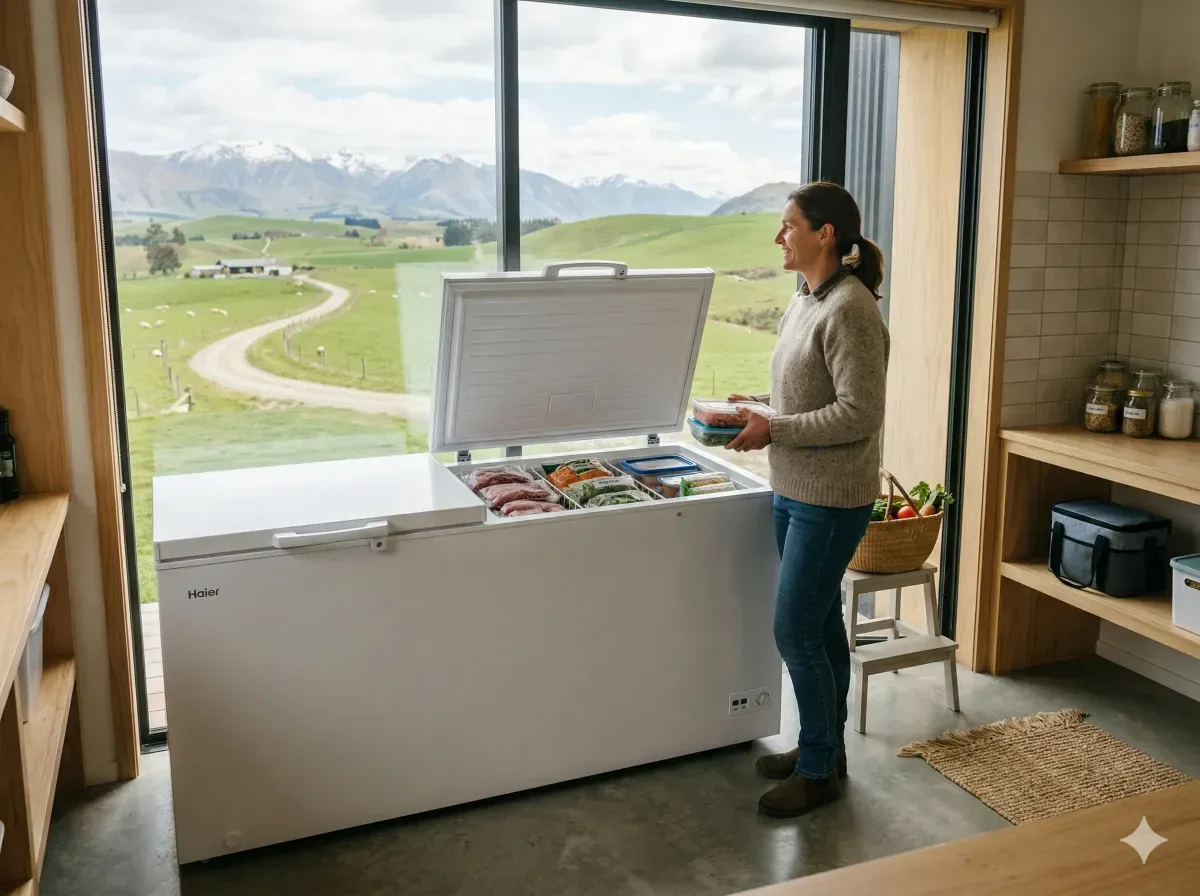
Chest Freezers in New Zealand: Bulk Storage for Rural Properties
If you're living on a rural property in New Zealand, a chest freezer isn't just a convenience—it's a practical investment for storing homekill, bulk meat purchases, garden produce, and fish. Whether y...