Food Processors: Time-Saving Kitchen Prep
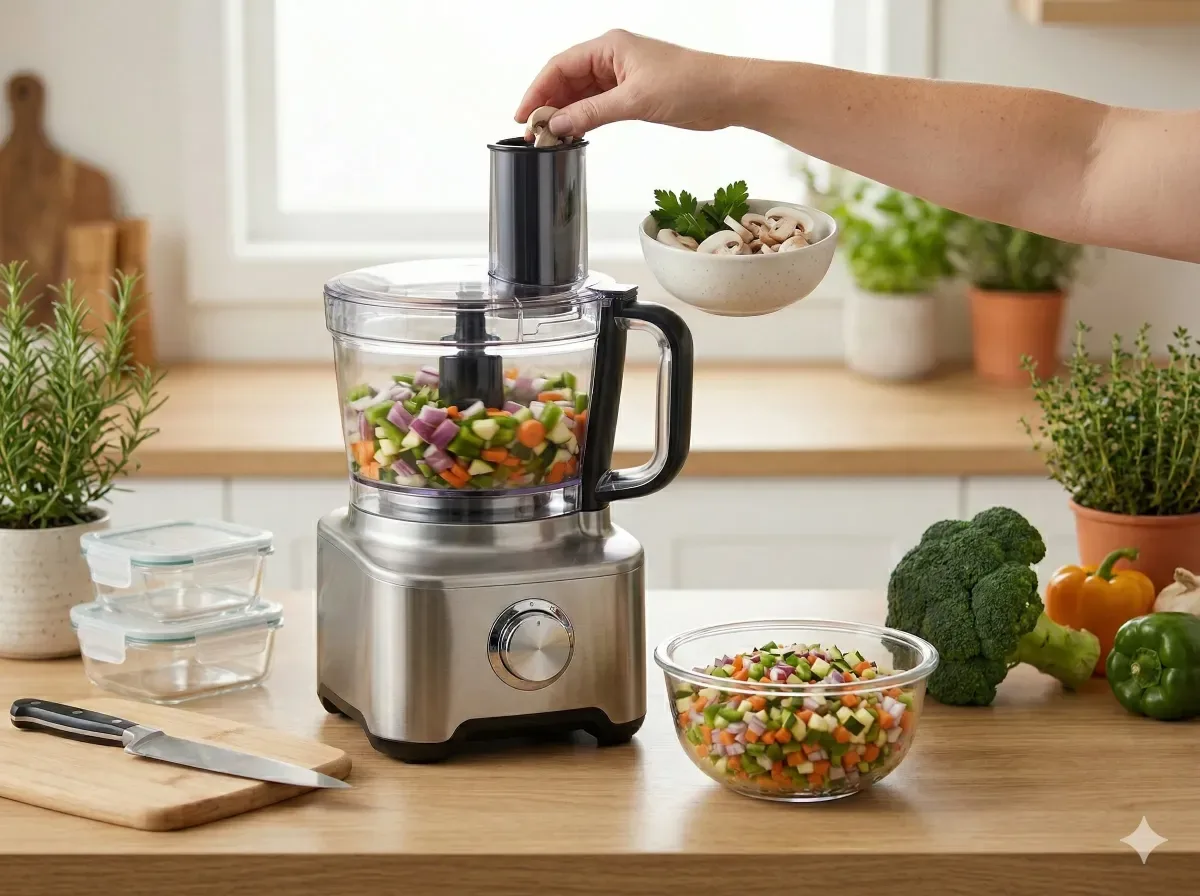
Imagine whipping up a fresh batch of feijoa chutney or slicing kumara for roasting in seconds, instead of spending ages at the chopping board. That's the magic of food processors – your ultimate time-...
Daniel covers technology, cybersecurity, and small business topics for Lifetimes NZ. He breaks down tech news and digital trends for a general audience.
Imagine whipping up a fresh batch of feijoa chutney or slicing kumara for roasting in seconds, instead of spending ages at the chopping board. That's the magic of food processors – your ultimate time-saving ally in the Kiwi kitchen, especially as grocery prices climb and we're all hunting for smarter ways to prep home-cooked meals.
In 2026, with food costs biting harder due to high fertiliser, feed, and energy prices, Kiwis are leaning into home cooking to stretch the budget. A good food processor turns tedious prep into effortless fun, helping you make the most of our abundant seasonal produce like avocados, berries, and root veggies. Whether you're batching meals for the whānau or experimenting with plant-based trends, these appliances save hours weekly while keeping things healthy and affordable.
Why Food Processors Are a Kiwi Kitchen Essential in 2026
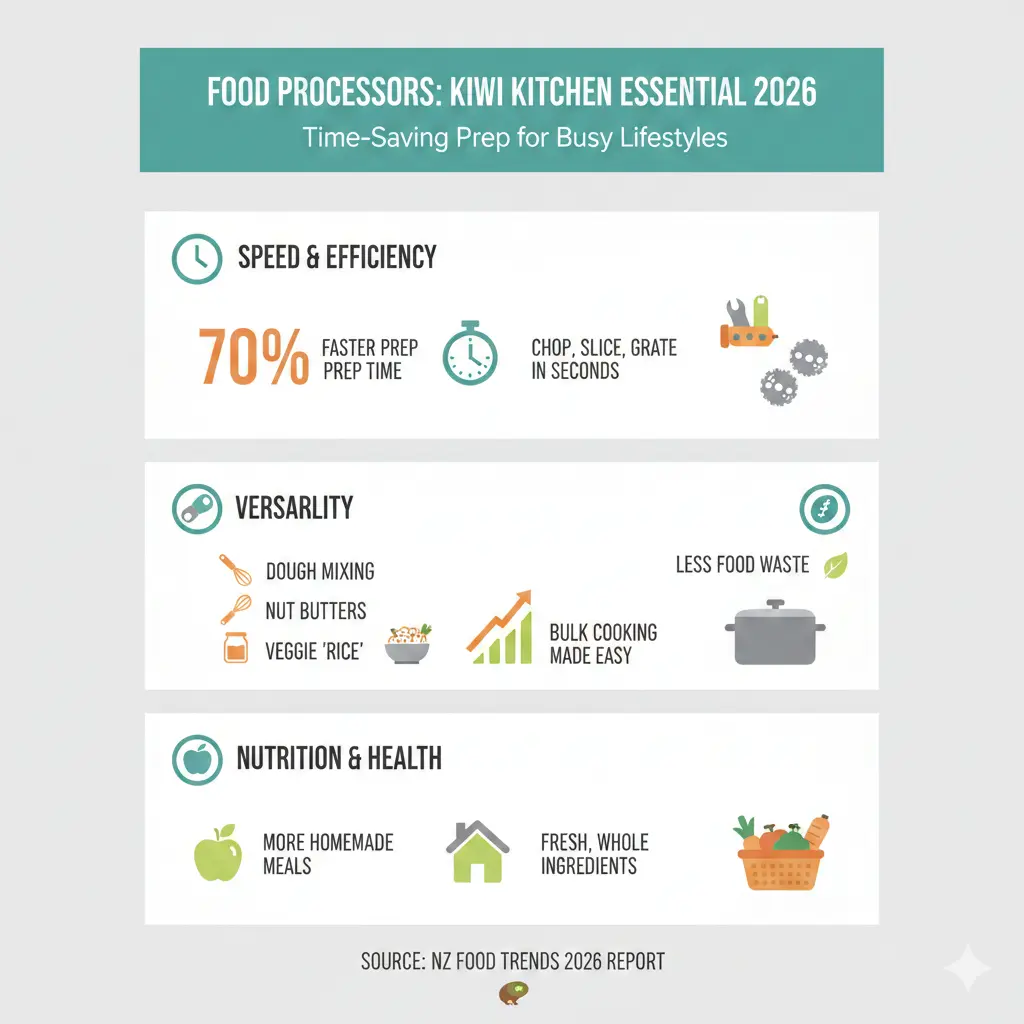
Our love for fresh, local ingredients shines through in everything from Saturday barbecues to midweek stir-fries. But with the fresh produce scene evolving – think AI-powered meal planners pushing five serves a day – prepping efficiently matters more than ever. Food processors handle chopping, pureeing, grating, and kneading, cutting prep time by up to 70% for tasks like grating cheese or making pastry dough.
In New Zealand, where the Fruit and Vegetable Processing industry hits $1.5 billion in 2026, home processors let you mimic pro techniques. Companies like H J Heinz, McCain, and Barker Fruit Processors dominate commercial ops, but you can recreate their sauces, purees, and frozen mixes at home without the processed extras.
Top Benefits for Busy Kiwis
- Time Savings: Dice onions for curries or shred cabbage for slaw in under a minute – perfect for after-work dinners.
- Cost Efficiency: Buy bulk seasonal produce from markets like Auckland's La Cigale or Wellington's Harbourside, then process to avoid waste amid rising prices.
- Health Boost: Puree veggies for hidden nutrients in kids' meals or whizz up smoothies with United Fresh's hero ingredients like kale and kiwifruit.
- Versatility: From hummus with chickpeas to pesto with home-grown basil, it supports plant-based shifts seen in foodservice trends.
How to Choose the Right Food Processor for Your Kitchen
With models ranging from compact 1.5L units to heavy-duty 3L+ beasts, pick based on your household size and cooking style. For solo dwellers or small flats, a mini processor suffices; families need power for dough and large batches.
Key Features to Look For
- Capacity and Power: 500W+ motors for tough jobs like nuts or meat; 2-3L bowls for family roasts.
- Attachments: Blades for chopping/pureeing, discs for slicing/grating, and dough hooks for bread – essential for baking with KiwiSaver-stretched budgets.
- Safety and Build: Overload protection, dishwasher-safe parts, and BPA-free bowls align with NZ food safety standards.
- Quiet Operation: Models under 80dB won't wake the kids during breakfast prep.
Check retailers like JB Hi-Fi, Noel Leeming, or The Warehouse for 2026 models with warranties. Prices start at $100 for basics, up to $400 for premium like KitchenAid or Cuisinart.
| Feature | Best For | NZ Example Use |
|---|---|---|
| Small (1-2L) | Singles/Couples | Guacamole from avos |
| Medium (2-3L) | Families | Coleslaw for BBQs |
| Large (3L+) | Batch Cooking | Relish from feijoas |
Practical Recipes and Tips Tailored for New Zealand Homes
Harness our local bounty with these quick wins. Always start with dry bowls to avoid slip-ups, and pulse rather than blend for even results.
Seasonal Kiwi Recipes
- Feijoa Chutney: Chuck in 1kg feijoas, onions, vinegar, sugar – process, cook 30 mins. Yields jars for gifting, echoing Barker Fruit Processors' style.
- Kumara and Carrot Puree: Grate 500g each, blend with ginger for baby food or soup – non-dairy, like industry staples.
- Berry Smoothie Packs: Freeze processed berries from summer markets; AI apps can suggest combos for five-a-day goals.
- Pavlova Meringues: Whisk egg whites to stiff peaks in seconds, then fold in sugar – a stress-free classic.
Pro Tip: For safety, follow MPI guidelines on home preserving to avoid botulism risks when canning – use tested recipes from Food Safety NZ resources.
Maintenance and Energy Savings in Your Kiwi Kitchen
Keep it humming: Clean immediately with hot soapy water (most parts dishwasher-safe). Store blades safely to prevent nicks. In 2026, with energy costs up, opt for efficient models – many use under 1kWh per hour, saving on power bills alongside ACC-covered home setups.
Automation trends in NZ food processing inspire home use: Pair with apps for recipe scaling, tying into foodservice digital shifts.
Ready to Revolutionise Your Kitchen?
Ditch the knife skills struggle and grab a food processor today – it's the smart move for time-poor Kiwis facing 2026's price pressures. Head to your local retailer, test in-store, and start with a simple recipe. You'll wonder how you coped without it, saving time for beach walks or family time. Check Consumer NZ reviews for the latest tested picks, and happy prepping!
Frequently Asked Questions
Sources & References
-
1
Fruit and Vegetable Processing in New Zealand industry analysis — www.ibisworld.com
-
2
Five fresh produce trends in NZ for 2026 - Food Processing — www.foodprocessing.com.au
-
3
Fruit and Vegetable Processing in New Zealand - Industry Market — www.researchandmarkets.com
-
4
Food processing industry news & trends — www.foodtechnology.co.nz
-
5
New Zealand Foodservice Market Size & Share Analysis — www.mordorintelligence.com
-
6
New Zealand food and fibre exports on track to break new records — www.fgc.org.nz
-
7
New Zealand Export Outlook 2026 - DHL Express NZ — www.dhl.com
-
8
Industrial Food Processor Market Report 2026, Growth and Trends — www.thebusinessresearchcompany.com
-
9
Why the New Price Spike Is Hitting NZ Shoppers Harder in 2026 — www.artbeat.org.nz
Related Articles

iPad Pro: Premium Tablet for Creative Professionals
If you're a creative professional in New Zealand looking for a tablet that can handle demanding work, the iPad Pro with the M5 chip might be exactly what you need. Whether you're editing videos, desig...

Handheld Vacuum Cleaners: Quick Cleanup Solutions
Handheld vacuum cleaners have become essential tools for Kiwi households, offering quick cleanup solutions without the hassle of dragging out a full-size vacuum. Whether you're dealing with crumbs on...

French Door Refrigerators in NZ: Luxury Cooling with Style
If you're looking to upgrade your kitchen with a stylish and spacious refrigerator, a French door fridge might be exactly what you need. These elegant appliances have become increasingly popular in Ne...
Chest Freezers in New Zealand: Bulk Storage for Rural Properties
If you're living on a rural property in New Zealand, a chest freezer isn't just a convenience—it's a practical investment for storing homekill, bulk meat purchases, garden produce, and fish. Whether y...