Hand Mixers: Compact Mixing Solutions
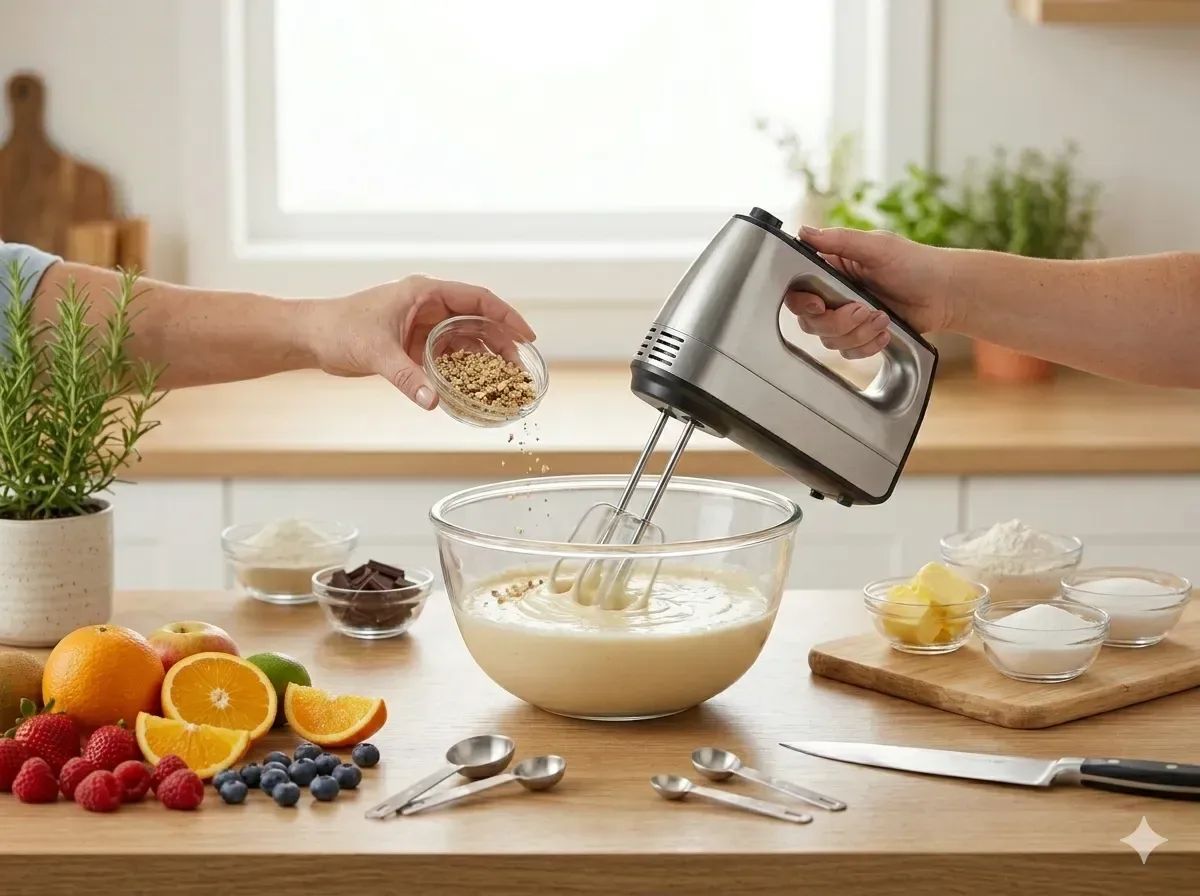
If you're looking to simplify your baking and cooking tasks without taking up precious bench space, a hand mixer might be exactly what you need. These compact kitchen workhorses pack impressive power...
Daniel covers technology, cybersecurity, and small business topics for Lifetimes NZ. He breaks down tech news and digital trends for a general audience.
If you're looking to simplify your baking and cooking tasks without taking up precious bench space, a hand mixer might be exactly what you need. These compact kitchen workhorses pack impressive power into a lightweight design, making them perfect for whipping cream, beating eggs, mixing batters, and kneading dough. Whether you're a casual home baker or someone who regularly prepares meals for your whānau, finding the right hand mixer can transform how you approach everyday kitchen tasks.
Why Choose a Hand Mixer?
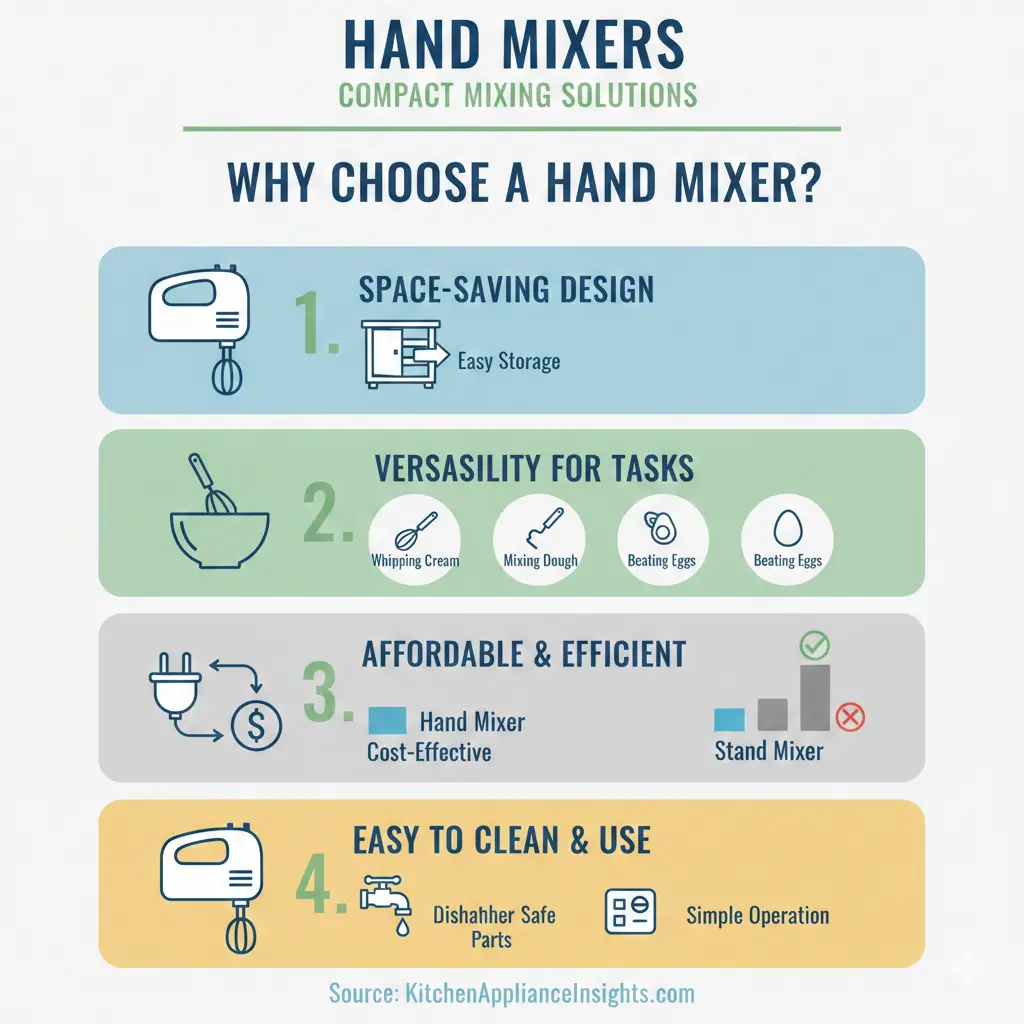
Hand mixers offer several advantages over their bulkier stand mixer cousins. They're affordable, portable, and require minimal storage space—a real bonus in New Zealand homes where kitchen real estate is often at a premium. Unlike stand mixers that demand a permanent spot on your bench, hand mixers tuck away neatly in a cupboard or drawer. They're also ideal if you live in a smaller flat or apartment where counter space is limited.
For most home cooks, hand mixers deliver everything you need for everyday mixing tasks. They work brilliantly for whipping cream, beating eggs for omelettes, mixing cake batters, and preparing cookie doughs. Some models even come with additional attachments that expand their versatility beyond basic mixing.
Key Features to Consider
Speed Settings
Hand mixers typically offer between 6 and 9 speed settings. More speed options give you greater control over your mixing, which is particularly useful when you're aerating batters or whipping cream to specific consistencies. If you regularly work with delicate ingredients or need precision in your baking, look for models with a wider variety of speed settings.
Weight and Comfort
Since you'll be holding a hand mixer while it operates, weight matters. Lighter models reduce arm and hand fatigue during extended mixing sessions. Some of the best-tested hand mixers weigh as little as two pounds, making them comfortable to use even for longer jobs. If you have mobility concerns or arthritis, prioritising a lightweight option is worth the investment.
Attachments and Accessories
Most hand mixers come with beaters and whisks as standard. Premium models often include additional attachments like dough hooks, spatulas, or scraper blades that prevent you from having to stop and manually scrape down the sides of your bowl. Consider what you'll use most frequently when deciding whether extra attachments justify the higher price.
Cord and Power Options
Traditional corded hand mixers are reliable and affordable. However, cordless models offer greater freedom of movement and are ideal if your kitchen layout makes accessing outlets difficult. Keep in mind that cordless models require regular charging, and battery life varies depending on the recipe and attachments you're using.
Top Hand Mixer Options Available in New Zealand
Budget-Friendly Choices
If you're just starting out or want a reliable mixer without breaking the bank, the Kenwood HandMix Lite is available at Noel Leeming for around $45. This option delivers solid performance for basic mixing tasks without the premium price tag.
Mid-Range Quality
For around $70–$80, you'll find excellent options like the Kenwood Quickmix Go and KitchenAid hand mixers. These models offer multiple speed settings, quality construction, and useful features like silicone-wrapped beaters that prevent clanking against your mixing bowl.
Premium Performance
If you're willing to invest more, brands like KitchenAid, Breville, and Sunbeam offer premium hand mixers with advanced features. These typically cost $100 or more but come with superior build quality, more attachments, and innovative features like built-in timers and lights. KitchenAid also offers a cordless option for those who value convenience and flexibility in the kitchen.
How to Use Your Hand Mixer Effectively
Once you've chosen your hand mixer, using it properly will help you get the best results. Start on a lower speed setting and gradually increase as needed. Remember that electric hand mixers work faster and more thoroughly than manual mixing, so you may need to adjust beating times from traditional recipes. Rather than following exact timings, watch your batter or dough and beat only until it reaches the desired appearance—smooth and creamy for batters, or properly incorporated for doughs.
Always ensure your mixing bowl is stable and positioned securely before you start. This prevents spillage and gives you better control over the mixing process. If you're working with particularly thick mixtures, use the "QuickBurst" button feature available on some models to handle tough ingredients more effectively.
Storage and Maintenance
One of the best things about hand mixers is how easily they store. Most models come with a snap-on compartment or storage case that keeps the beaters and attachments organised and tidy. When cleaning, check whether your model's removable parts are dishwasher-safe—many premium models are, saving you time on washing up.
For cordless models, remember to charge the battery regularly and store in a cool, dry place. Battery life will gradually decrease over time, but most quality hand mixers offer replaceable and rechargeable batteries, extending the life of your appliance.
Where to Buy Hand Mixers in New Zealand
You'll find hand mixers at major New Zealand retailers including Harvey Norman, Noel Leeming, and Briscoes. These stores stock a range of brands and price points, and many offer online shopping with home delivery options. Harvey Norman's website even lets you compare models side-by-side, which is helpful when you're deciding between options.
Frequently Asked Questions
How long do hand mixers typically last?
A quality hand mixer from a reputable brand should last several years with proper care. The lifespan depends on how frequently you use it and how well you maintain it. Storing it properly and cleaning it after each use will help extend its life.
Can I use a hand mixer for bread dough?
Yes, many hand mixers come with dough hook attachments specifically designed for kneading. However, if you regularly make large batches of bread, a stand mixer might be a better long-term investment as hand mixers can struggle with very heavy or dense doughs.
Are cordless hand mixers worth the extra cost?
Cordless models offer convenience and freedom of movement, making them ideal if you have a small kitchen or awkward outlet placement. However, they're typically more expensive and require regular charging. If you only mix occasionally, a traditional corded model may be more practical.
What's the difference between hand mixers and stand mixers?
Hand mixers are portable, affordable, and space-saving but require you to hold them while mixing. Stand mixers are larger, more powerful, and allow hands-free mixing, making them better for heavy-duty tasks and large batches. Choose based on your kitchen space and how often you mix.
Do I need all the extra attachments?
Basic models with just beaters and a whisk handle most everyday tasks. Extra attachments like dough hooks and spatulas are useful if you regularly make bread or need to scrape down bowl sides frequently, but they're not essential for casual bakers.
How do I know which speed setting to use?
Start on a lower speed and increase gradually as needed. Lower speeds work well for folding ingredients gently, while higher speeds are ideal for whipping cream or beating eggs. Always refer to your recipe for guidance, but watch your mixture rather than relying solely on timing.
Making Your Choice
Choosing the right hand mixer comes down to understanding your needs and budget. Consider how often you'll use it, what tasks you'll tackle most frequently, and how much bench space you can spare. If you're on a tight budget, a basic model from Kenwood or Hamilton Beach will serve you well. If you bake regularly and want premium features, investing in a KitchenAid or Breville hand mixer will give you years of reliable service.
Before you buy, visit a local retailer like Harvey Norman or Noel Leeming to hold different models and get a feel for their weight and balance. This hands-on approach helps you find a mixer that genuinely suits your cooking style and kitchen needs.
Related Articles

iPad Pro: Premium Tablet for Creative Professionals
If you're a creative professional in New Zealand looking for a tablet that can handle demanding work, the iPad Pro with the M5 chip might be exactly what you need. Whether you're editing videos, desig...
Handheld Vacuum Cleaners: Quick Cleanup Solutions
Handheld vacuum cleaners have become essential tools for Kiwi households, offering quick cleanup solutions without the hassle of dragging out a full-size vacuum. Whether you're dealing with crumbs on...

French Door Refrigerators in NZ: Luxury Cooling with Style
If you're looking to upgrade your kitchen with a stylish and spacious refrigerator, a French door fridge might be exactly what you need. These elegant appliances have become increasingly popular in Ne...

Chest Freezers in New Zealand: Bulk Storage for Rural Properties
If you're living on a rural property in New Zealand, a chest freezer isn't just a convenience—it's a practical investment for storing homekill, bulk meat purchases, garden produce, and fish. Whether y...