Juicers: Fresh Juice for Healthy Living
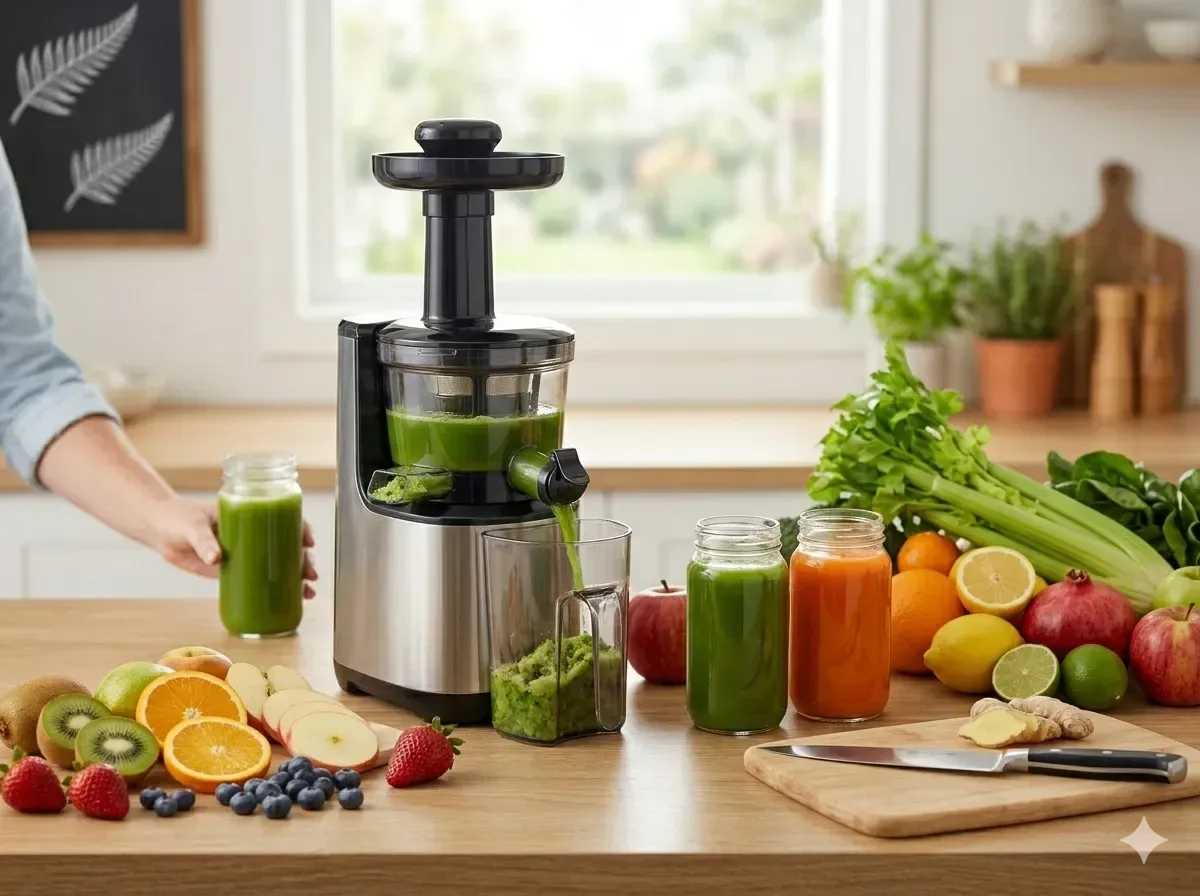
Fresh juice delivers a concentrated boost of vitamins, minerals, and nutrients straight from fruit and vegetables into your glass—and investing in the right juicer can transform how you approach healt...
Daniel covers technology, cybersecurity, and small business topics for Lifetimes NZ. He breaks down tech news and digital trends for a general audience.
Fresh juice delivers a concentrated boost of vitamins, minerals, and nutrients straight from fruit and vegetables into your glass—and investing in the right juicer can transform how you approach healthy living. Whether you're looking to kickstart your mornings with a green juice, create immunity shots, or simply enjoy fresh orange juice, a quality juicer is a worthwhile addition to any Kiwi kitchen. Let's explore what makes a great juicer, the different types available, and how to choose the best one for your needs.
Understanding Juicer Types
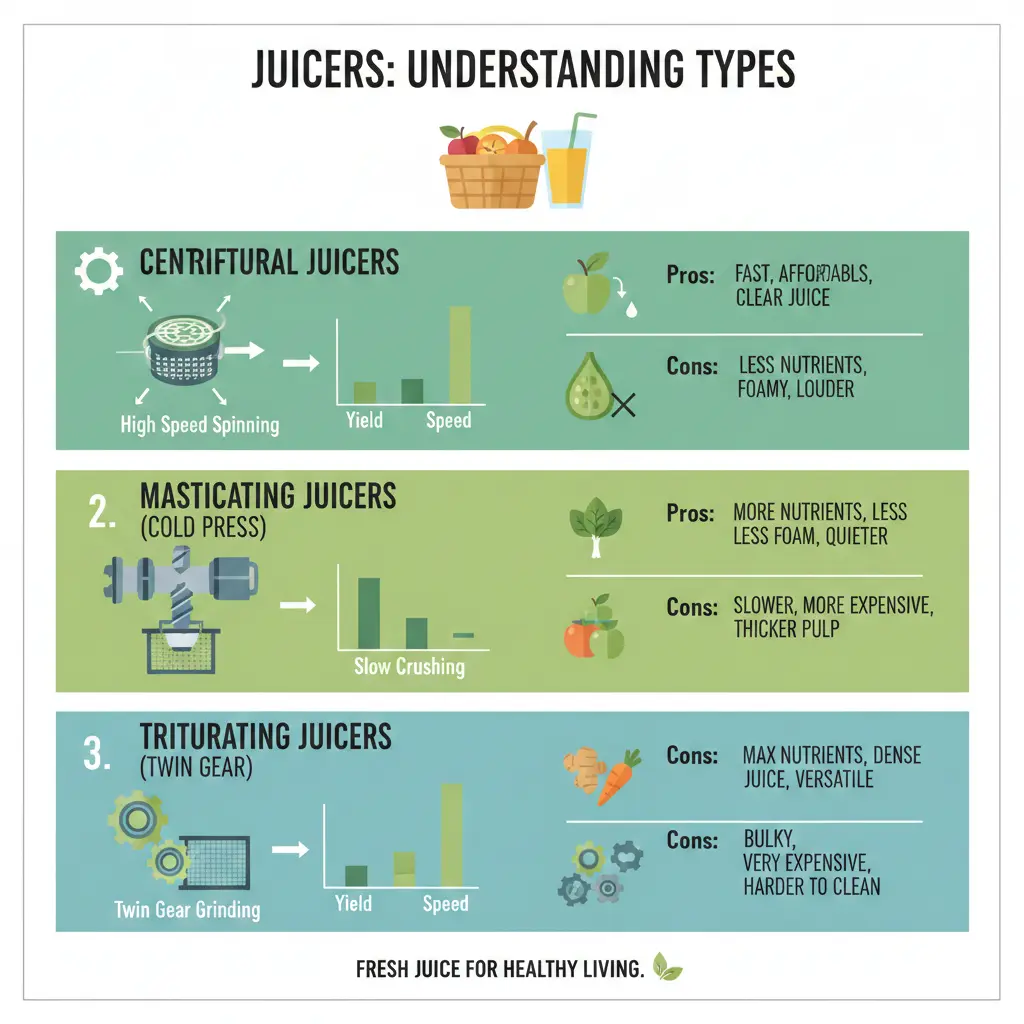
Not all juicers work the same way, and understanding the differences will help you pick the right one for your lifestyle and budget.
Cold Press (Masticating) Juicers
Cold press juicers use a slow, grinding motion to extract juice from produce. These machines operate at low speeds—typically between 45 and 70 RPM—which means they generate less heat and preserve more nutrients in your juice. Cold press juicers are particularly effective at handling tough ingredients like beetroot and ginger, and they tend to produce higher juice yields compared to other methods. The downside? They're generally more expensive and take longer to clean, though many modern models now feature dishwasher-safe components.
Centrifugal Juicers
Centrifugal juicers use fast-spinning blades to separate juice from pulp. They're quick, affordable, and perfect if you're in a hurry—but they generate more heat during the juicing process, which can degrade some nutrients. If you want juice ready in minutes and don't mind a bit more pulp, these are a solid choice.
Citrus Juicers
For those who mainly juice citrus fruits like lemons, limes, and oranges, a dedicated citrus press is simple, affordable, and requires minimal cleanup. Many operate automatically—they start when you apply pressure and stop when you release it.
Top Juicer Options for Kiwis in 2026
Here's what's available in the New Zealand market right now:
Ninja NeverClog Cold Press Juicer
The Ninja NeverClog is a popular choice for Kiwi households, priced around $249.99. It features a powerful high-torque motor that rotates an auger at low speeds, allowing you to juice continuously without clogging. You get two interchangeable pulp filters so you can customise your juice—choose "Lots of Pulp" or "Less Pulp" depending on your preference. The juicer comes with a 700ml juice jug and 1L pulp container, making it practical for families. All juice-contact parts are dishwasher-safe, and it's compact enough to fit under most kitchen cabinets.
Optimum Cold Press Juicers
Optimum is New Zealand's leading brand for affordable, high-quality masticating juicers. Their range includes the compact Optimum 600m, which features a 200-watt motor with 45 RPM rotation, and the more powerful Optimum H3000 2nd Generation with a 300-watt motor and 70 RPM rotation. These juicers are designed to handle tough ingredients and deliver high juice yields. Optimum juicers have earned strong customer feedback and hold top positions on local review sites like ProductReview, with the 600m model even winning a 2023 ProductReview Award.
Braun Identity Collection Spin Juicer
If you prefer a sleek, compact design that stays on your bench, the Braun Identity Collection is worth considering at $149.99 (usually $199.99). It's a centrifugal juicer with a 75mm wide chute and produces silky smooth juice with minimal pulp thanks to its stainless steel micro-mesh sieve. It features two speed settings and an innovative anti-drip system to keep your bench clean.
Sunbeam Citrus Press
For the budget-conscious Kiwi who mainly juices citrus, the Sunbeam Citrus Press at $64 (usually $139.99) is a no-fuss option. It automatically starts when you apply pressure to the juicing cone and stops when you release—perfect for a quick glass of fresh OJ without complicated setup.
Is It Worth the Investment?
Fresh juice from supermarkets like Pak'N'Save, Countdown, and New World typically costs $8 or more per litre. If you're a regular juice drinker, a home juicer can pay for itself relatively quickly. However, keep in mind that juicing requires larger quantities of produce than eating whole fruits and vegetables. To maximise value, shop for in-season fruits and vegetables, and consider buying bulk produce from local fruit shops at discounted prices.
Key Features to Look For
When choosing a juicer, consider these important factors:
- Juice yield: Cold press juicers typically extract more juice from the same amount of produce, reducing waste and cost over time
- Motor power: Look for juicers with robust motors (200+ watts) that can handle tough ingredients like beetroot, ginger, and leafy greens
- Pulp control: If you prefer smooth juice, choose a model with adjustable pulp filters or fine mesh sieves
- Storage capacity: Juicers with 2+ litre capacity for juice and pulp are more efficient for families and reduce constant decanting
- Cleaning: Dishwasher-safe components make cleanup significantly easier, especially if you juice regularly
- Size and storage: Consider your kitchen space—compact models that fit under cabinets are ideal for smaller homes
- Noise level: Cold press juicers are generally quieter than centrifugal models, which matters if you juice early in the morning
Making Fresh Juice Part of Your Routine
Starting a juicing habit doesn't require an expensive machine or complicated recipes. Begin with simple combinations—carrot and apple, orange and ginger, or leafy greens with apple and lemon. Once you've found what you enjoy, you can experiment with more complex blends. The key is consistency: regular juicing delivers better results for your health than sporadic attempts.
Consider your lifestyle when choosing a juicer. If you're busy and value speed, a centrifugal juicer might suit you better despite slightly lower nutrient retention. If you're serious about maximising nutrition and don't mind spending a bit more time cleaning, a cold press juicer is worth the investment. Either way, having fresh juice on tap at home beats relying on expensive supermarket options.
Start by assessing your actual juicing needs: How often will you juice? What ingredients do you prefer? How much space do you have? Once you've answered these questions, you'll find the perfect juicer for your Kiwi kitchen and be well on your way to fresher, healthier living.
Frequently Asked Questions
Sources & References
-
1
Optimum's Best Juicers - Froothie New Zealand — www.froothie.co.nz
-
2
The best juicers to buy in 2025 - Your Home and Garden NZ — www.yourhomeandgarden.co.nz
-
3
5 Best Juicers in 2026: Top Cold Press Juicers for Home — nkechiajaeroh.com
-
4
I Tested 2026s Best Budget Cold Press Juicers ($100 to $500) — www.youtube.com
-
5
Ninja NeverClog Cold Press Juicer - Ninja Kitchen New Zealand — ninjakitchen.co.nz
-
6
Best Juicers 2024 - MoneyHub NZ — www.moneyhub.co.nz
Related Articles

iPad Pro: Premium Tablet for Creative Professionals
If you're a creative professional in New Zealand looking for a tablet that can handle demanding work, the iPad Pro with the M5 chip might be exactly what you need. Whether you're editing videos, desig...
Handheld Vacuum Cleaners: Quick Cleanup Solutions
Handheld vacuum cleaners have become essential tools for Kiwi households, offering quick cleanup solutions without the hassle of dragging out a full-size vacuum. Whether you're dealing with crumbs on...

French Door Refrigerators in NZ: Luxury Cooling with Style
If you're looking to upgrade your kitchen with a stylish and spacious refrigerator, a French door fridge might be exactly what you need. These elegant appliances have become increasingly popular in Ne...

Chest Freezers in New Zealand: Bulk Storage for Rural Properties
If you're living on a rural property in New Zealand, a chest freezer isn't just a convenience—it's a practical investment for storing homekill, bulk meat purchases, garden produce, and fish. Whether y...