Lake Waikaremoana Means 'Sea of Rippling Waters'
Introduction to Lake Waikaremoana Lake Waikaremoana, located in the heart of Te Urewera, is one of New Zealand's most pristine and awe-inspiring lakes. Th
Daniel covers technology, cybersecurity, and small business topics for Lifetimes NZ. He breaks down tech news and digital trends for a general audience.
Introduction to Lake Waikaremoana
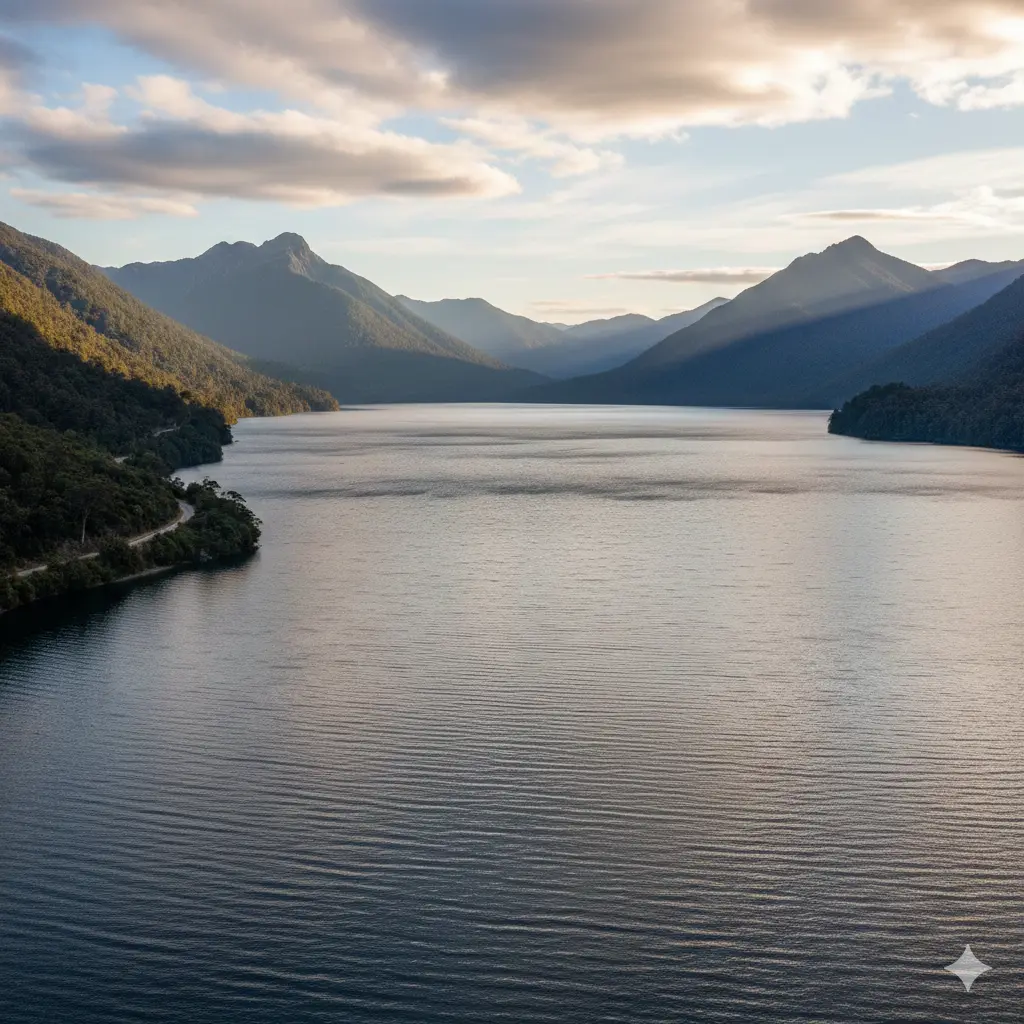
Lake Waikaremoana, located in the heart of Te Urewera, is one of New Zealand's most pristine and awe-inspiring lakes. The name 'Waikaremoana' itself is derived from the Maori language, meaning 'sea of rippling waters'. This stunning lake is nestled within a beautiful national park, offering breathtaking scenery, diverse wildlife, and a wide range of outdoor activities for visitors to enjoy. As you explore the lake and its surroundings, you'll begin to appreciate the rich history, cultural significance, and environmental importance of this incredible destination.
The lake's unique location, surrounded by lush native forest and towering mountains, creates a truly immersive experience for those who visit. Whether you're interested in hiking, camping, fishing, or simply taking in the views, Lake Waikaremoana has something to offer everyone. As you delve deeper into the lake's history and ecology, you'll realise the importance of preserving this natural wonder for future generations. In this article, we'll explore the fascinating world of Lake Waikaremoana, providing you with practical information, interesting facts, and actionable advice on how to make the most of your visit.
As you prepare to visit Lake Waikaremoana, it's essential to understand the significance of this location to the local Maori people. The lake and its surrounding landscape are steeped in history and cultural heritage, with many significant sites and artefacts still present today. By being respectful of these sites and taking the time to learn about the local culture, you'll be able to appreciate the true beauty and importance of this incredible destination. Throughout this article, we'll provide you with helpful tips and guidance on how to experience Lake Waikaremoana in a responsible and respectful manner.
Geology and Formation of Lake Waikaremoana
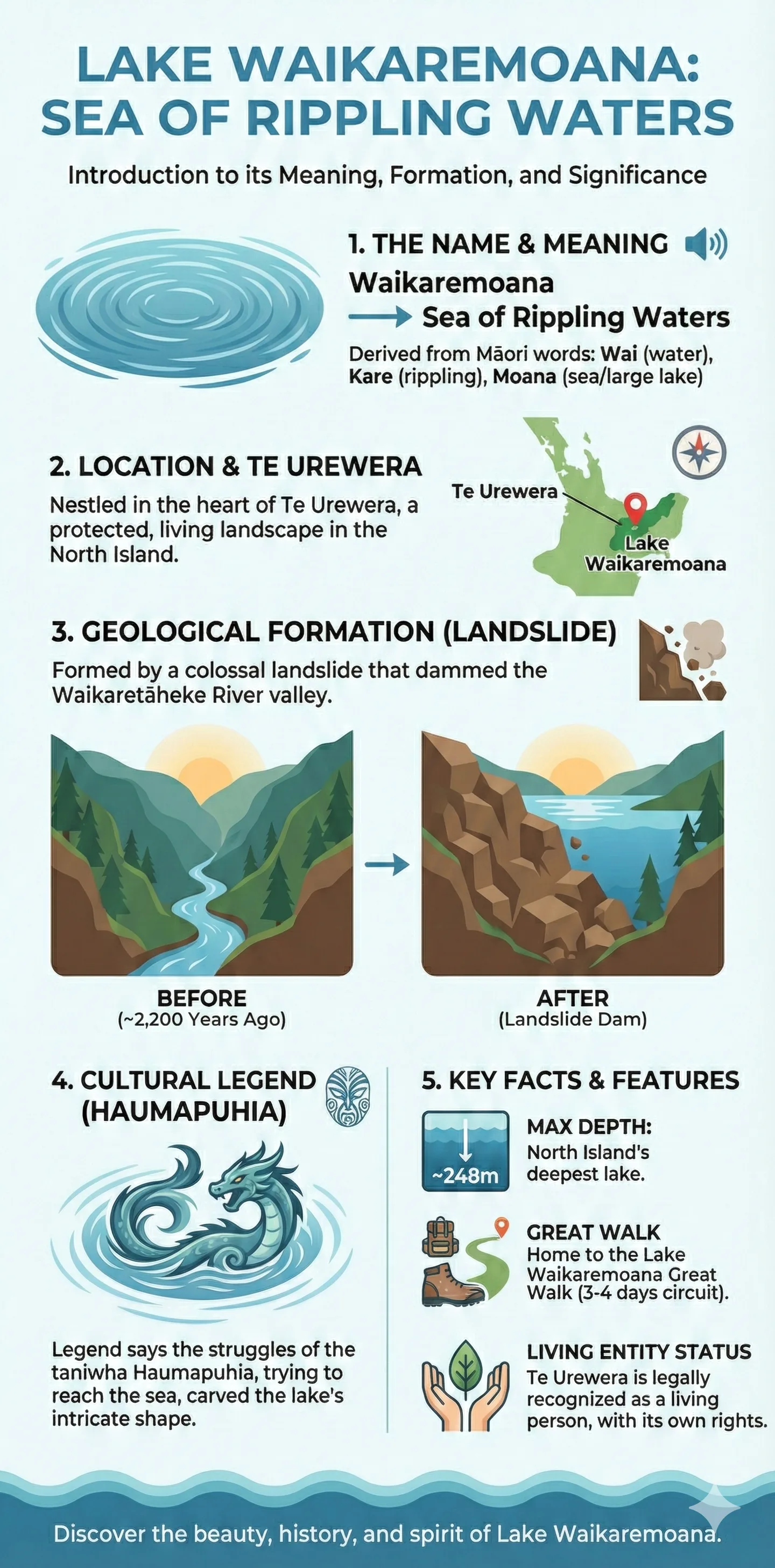
The formation of Lake Waikaremoana is a fascinating story that dates back thousands of years. The lake was created when a series of massive landslides blocked the course of the Waikaretaheke River, causing the water to back up and form a large lake. Over time, the lake has continued to evolve, with changes in the landscape and water levels shaping its unique character. Today, the lake is approximately 54 kilometres long and 6.4 kilometres wide, with a maximum depth of around 256 metres.
The geology of the surrounding area is also of great interest, with the lake being situated in a region of significant volcanic activity. The Te Urewera National Park, which encompasses the lake, is home to a diverse range of rocks and minerals, including andesite, basalt, and greywacke. These rocks have been shaped over millions of years, creating a unique and complex landscape that is both beautiful and fascinating. As you explore the lake and its surroundings, you'll have the opportunity to see these geological formations up close, gaining a deeper appreciation for the natural processes that have shaped this incredible environment.
Key Geological Features
Some of the key geological features of the Lake Waikaremoana area include:
- Volcanic rocks: The surrounding landscape is dominated by volcanic rocks, including andesite and basalt.
- Greywacke: A type of sandstone that is common in the region, often found in the form of large boulders and outcrops.
- Landslides: The lake was formed as a result of massive landslides, which continue to shape the landscape today.
- River systems: The Waikaretaheke River and other waterways play a crucial role in shaping the lake's ecosystem and surrounding landscape.
Ecology and Biodiversity of Lake Waikaremoana
The ecology and biodiversity of Lake Waikaremoana are truly remarkable, with the lake supporting a wide range of plant and animal species. The lake's unique environment, with its deep waters and surrounding native forest, creates a haven for many native species, including fish, birds, and insects. Some of the key species found in the lake and its surroundings include:
- Kokopu: A native fish species that is found in the lake and its tributaries.
- Kaka: A large parrot species that is common in the surrounding native forest.
- Whio: A rare and endangered duck species that is found in the lake and its surroundings.
- Kiwi: New Zealand's national symbol, the kiwi is found in the surrounding forest and is an important part of the lake's ecosystem.
As you explore the lake and its surroundings, you'll have the opportunity to see many of these species up close, gaining a deeper appreciation for the importance of preserving this unique environment. By taking a few simple steps, such as staying on designated tracks and avoiding the disturbance of wildlife, you can help to protect the lake's ecosystem and ensure the long-term survival of its many native species.
Cultural Significance of Lake Waikaremoana
The cultural significance of Lake Waikaremoana cannot be overstated, with the lake and its surroundings holding deep spiritual and historical importance for the local Maori people. The lake is considered a taonga, or treasure, and is revered for its beauty, spiritual power, and cultural significance. As you visit the lake, you'll have the opportunity to learn about its rich history and cultural heritage, gaining a deeper appreciation for the importance of preserving this unique environment.
Some of the key cultural sites and features in the Lake Waikaremoana area include:
- Maori pa sites: The remains of ancient Maori settlements, which provide a fascinating glimpse into the region's history and culture.
- Carvings and rock art: The lake and its surroundings are home to many intricate carvings and rock art, which tell the story of the region's history and cultural heritage.
- Burial grounds: The lake is surrounded by sacred burial grounds, which are an important part of the region's cultural heritage.
- Ceremonial sites: The lake and its surroundings are home to many ceremonial sites, which are used for important cultural and spiritual events.
Respecting Cultural Sites
When visiting cultural sites in the Lake Waikaremoana area, it's essential to be respectful and considerate of the local culture and traditions. Some key things to keep in mind include:
- Stay on designated tracks: Avoid wandering off into the bush, as this can disturb sensitive cultural sites and artefacts.
- Do not remove or damage artefacts: Leave any cultural artefacts or carvings in their original place, as removing or damaging them can be considered a serious offence.
- Be respectful of ceremonial sites: Avoid visiting ceremonial sites during important cultural events, and always be respectful of the local culture and traditions.
Visiting Lake Waikaremoana
Visiting Lake Waikaremoana is a truly unforgettable experience, with the lake and its surroundings offering a wide range of activities and attractions. As you plan your visit, it's essential to be prepared and respectful of the local environment and culture. Some key things to keep in mind include:
- Weather: The weather in the Lake Waikaremoana area can be unpredictable, with sudden changes in temperature and weather conditions.
- Tracks and trails: The lake and its surroundings are home to many tracks and trails, which offer stunning views and access to remote areas.
- Accommodation: The lake and its surroundings offer a range of accommodation options, from camping and backpackers to luxury lodges and hotels.
- Guided tours: Consider taking a guided tour to gain a deeper appreciation for the lake's history, culture, and ecology.
Planning Your Visit
As you plan your visit to Lake Waikaremoana, it's essential to be prepared and considerate of the local environment and culture. Some key things to keep in mind include:
- Check the weather forecast: Before heading out, check the weather forecast to ensure you're prepared for any conditions.
- Bring appropriate gear: Make sure you have the right gear, including clothing, footwear, and equipment, to ensure a safe and enjoyable visit.
- Respect the environment: Take all rubbish with you, stay on designated tracks, and avoid disturbing wildlife to help preserve the lake's unique environment.
- Learn about the local culture: Take the time to learn about the local culture and history, and be respectful of cultural sites and traditions.
Conservation Efforts at Lake Waikaremoana
The conservation of Lake Waikaremoana is a high priority, with many efforts underway to protect the lake's unique environment and cultural heritage. The Te Urewera National Park, which encompasses the lake, is a protected area that is managed by the Department of Conservation (DoC). The DoC works closely with local iwi and conservation groups to ensure the long-term protection of the lake and its surroundings.
Some of the key conservation efforts at Lake Waikaremoana include:
- Habitat restoration: Efforts to restore native habitats and ecosystems, including the reintroduction of native species.
- Pest control: Programs to control pest species, such as stoats and rats, which can harm native wildlife.
- Cultural preservation: Efforts to preserve and protect cultural sites and artefacts, including the restoration of traditional Maori carvings and rock art.
- Sustainable tourism: Initiatives to promote sustainable tourism practices, including the development of eco-friendly accommodation and tour operators.
Getting Involved in Conservation
As a visitor to Lake Waikaremoana, you can play an important role in conservation efforts by:
- Supporting local conservation groups: Consider donating to or volunteering with local conservation groups, which work to protect the lake's environment and cultural heritage.
- Practising sustainable tourism: Make sure to choose eco-friendly accommodation and tour operators, and always follow best practices for minimising your impact on the environment.
- Respecting the environment: Take all rubbish with you, stay on designated tracks, and avoid disturbing wildlife to help preserve the lake's unique environment.
Conclusion
Lake Waikaremoana is a truly unique and special place, with its stunning natural beauty, rich cultural heritage, and diverse wildlife. As you visit the lake and its surroundings, it's essential to be respectful of the local environment and culture, taking the time to learn about the lake's history and ecology. By being prepared, considerate, and respectful, you can help to preserve this incredible destination for future generations.
Some key takeaways to keep in mind include:
- Respect the local culture: Take the time to learn about the local culture and history, and be respectful of cultural sites and traditions.
- Protect the environment: Take all rubbish with you, stay on designated tracks, and avoid disturbing wildlife to help preserve the lake's unique environment.
- Support conservation efforts: Consider donating to or volunteering with local conservation groups, which work to protect the lake's environment and cultural heritage.
- Enjoy your visit: Take the time to appreciate the lake's stunning natural beauty, and enjoy the many activities and attractions that it has to offer.
By following these simple tips and being mindful of your impact, you can help to ensure the long-term protection of Lake Waikaremoana and its surroundings, preserving this incredible destination for future generations to enjoy.
Related Articles
Over 80% of New Zealand's Flora Is Endemic
Introduction to New Zealand's Unique Flora New Zealand is renowned for its stunning natural beauty, and a significant part of this charm can be attributed

New Zealand Plants 100 Million Trees Per Year
Introduction to New Zealand's Tree Planting Initiative New Zealand is renowned for its stunning natural beauty, from the rugged mountains to the pristine c