New Zealand Plants 100 Million Trees Per Year
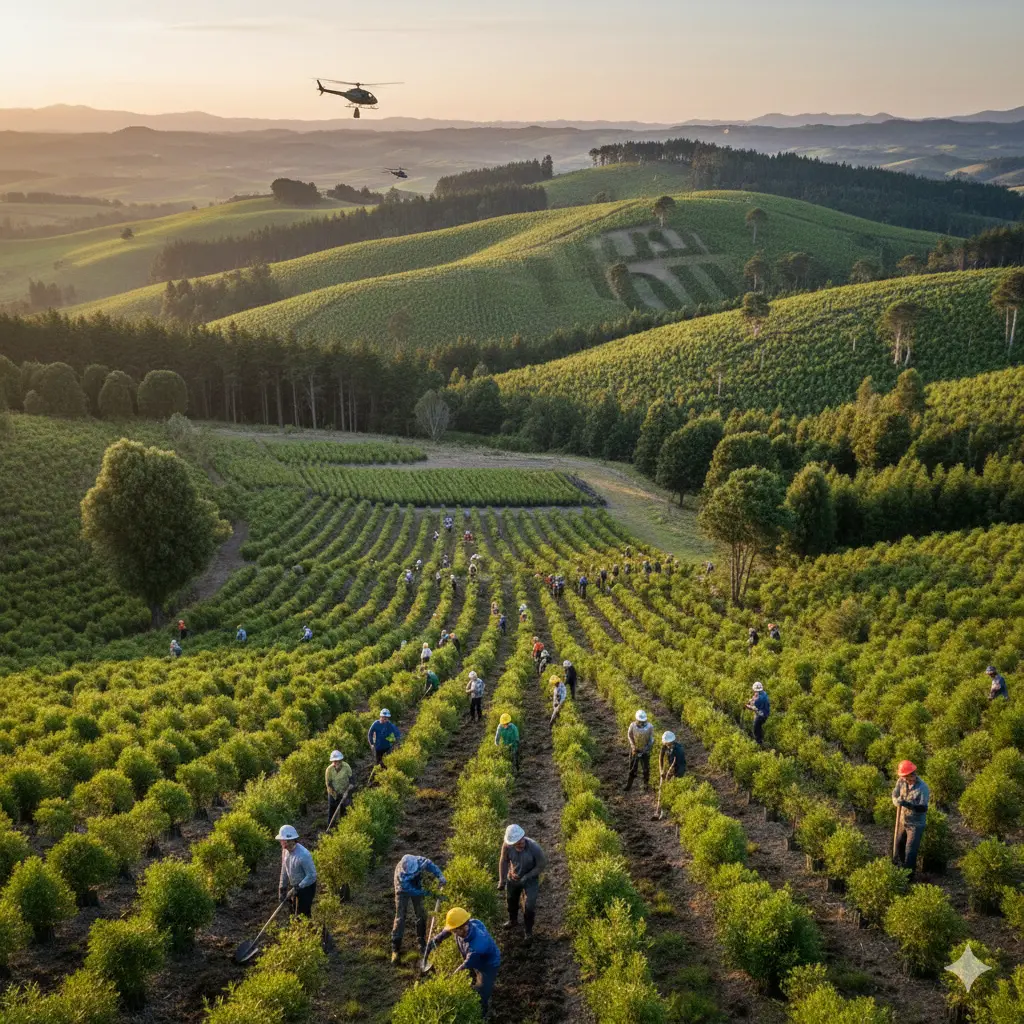
Introduction to New Zealand's Tree Planting Initiative New Zealand is renowned for its stunning natural beauty, from the rugged mountains to the pristine c
Aroha writes about parenting, education, and family life in Aotearoa. She covers school choices, childcare, family benefits, and practical advice for raising a family in New Zealand.
Introduction to New Zealand's Tree Planting Initiative
New Zealand is renowned for its stunning natural beauty, from the rugged mountains to the pristine coastlines. As a nation, we take immense pride in our unique environment and are committed to preserving it for future generations. One of the most ambitious environmental initiatives in recent years is the goal to plant 100 million trees per year. This endeavour is a testament to New Zealand's dedication to mitigating climate change, enhancing biodiversity, and promoting sustainable land use. In this article, we will delve into the details of this initiative, exploring its benefits, challenges, and how you can contribute to this remarkable effort.
The idea of planting 100 million trees annually may seem daunting, but it is a crucial step towards addressing the pressing issues of deforestation, soil erosion, and climate change. By restoring our forests and promoting sustainable land management, we can help to sequester carbon dioxide, protect our waterways, and provide habitats for native species. This initiative is a collaborative effort between the government, community groups, and individual landowners, demonstrating the power of collective action in achieving a common goal.
As you read through this article, you will gain a deeper understanding of the significance of tree planting in New Zealand, the progress that has been made so far, and the ways in which you can get involved. Whether you are a seasoned environmentalist or simply a concerned citizen, there are many opportunities to contribute to this vital cause. So, let's embark on this journey together and explore the world of tree planting in New Zealand.
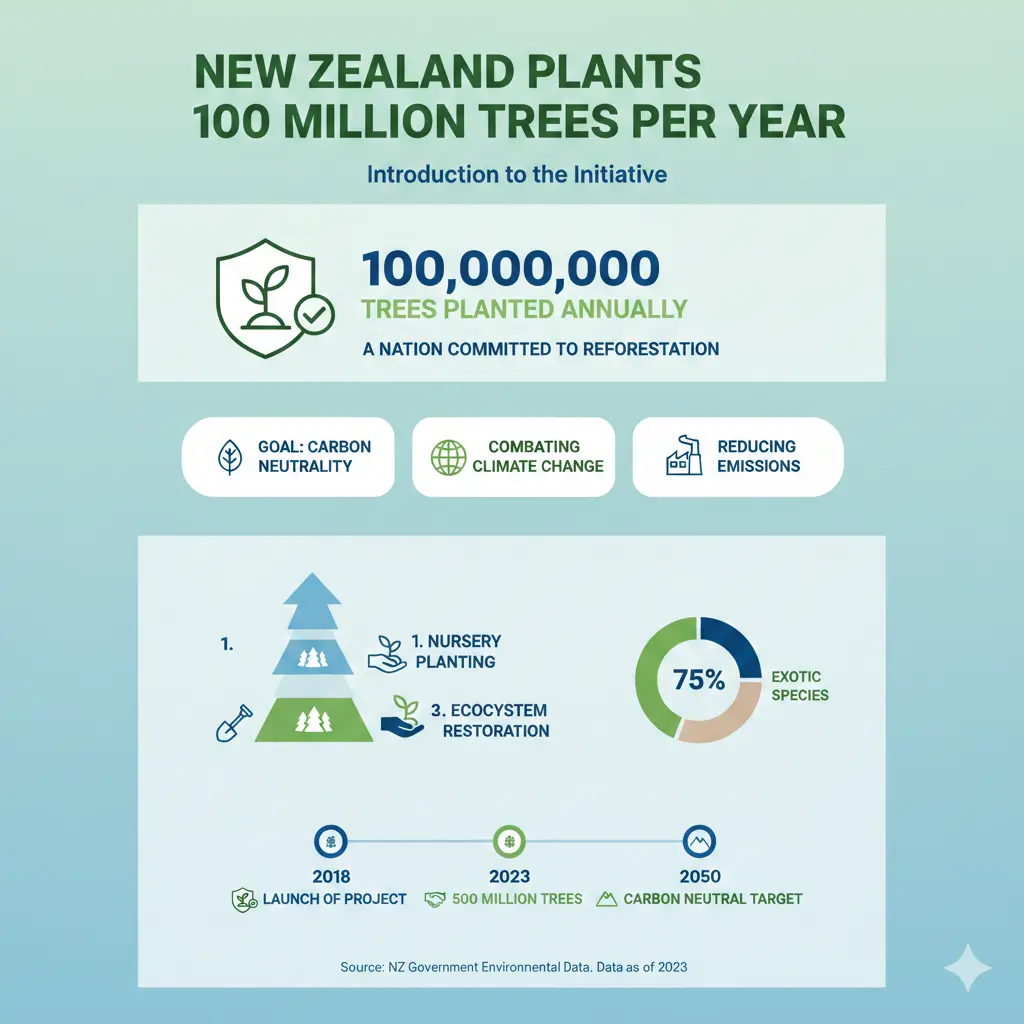
The Importance of Tree Planting in New Zealand
Tree planting is essential for maintaining the health and resilience of New Zealand's ecosystem. Our native forests are home to a vast array of unique and endangered species, including the kiwi, kakapo, and tuatara. By planting more trees, we can help to restore habitats, promote biodiversity, and support the recovery of these iconic species. Additionally, trees play a critical role in mitigating the effects of climate change by absorbing carbon dioxide, producing oxygen, and regulating the water cycle.
Some of the key benefits of tree planting in New Zealand include:
- Carbon sequestration: Trees absorb carbon dioxide from the atmosphere, helping to reduce our nation's carbon footprint.
- Soil erosion prevention: Tree roots hold soil in place, preventing erosion and landslides, which can damage properties and infrastructure.
- Water quality improvement: Trees help to filter rainwater, reducing sediment and nutrient runoff into our waterways.
- Biodiversity enhancement: Native forests provide habitats for a wide range of plant and animal species, many of which are found nowhere else in the world.
Regional Variations in Tree Planting
Different regions in New Zealand have unique tree planting requirements, depending on factors such as climate, soil type, and land use. For example:
- In the North Island, there is a focus on planting native species such as kauri, rimu, and totara, which are well-suited to the region's mild climate and rich soils.
- In the South Island, tree planting efforts are often focused on species such as beech, birch, and eucalyptus, which are more tolerant of the cooler temperatures and drier soils.
How the 100 Million Trees Per Year Initiative Works
The 100 million trees per year initiative is a collaborative effort between the New Zealand government, community groups, and individual landowners. The programme involves:
- Seed collection and nursery development: Native tree seeds are collected from existing forests and propagated in nurseries to produce high-quality seedlings.
- Land preparation and planting: Suitable land is prepared for planting, and seedlings are planted by community groups, contractors, and landowners.
- Maintenance and monitoring: Planted trees are monitored and maintained to ensure their survival and growth.
This initiative is supported by various government agencies, including the Ministry for the Environment and the Department of Conservation. Additionally, community groups and non-profit organisations, such as the New Zealand Conservation Trust, play a vital role in promoting tree planting and supporting landowners in their efforts.
Challenges and Opportunities
While the 100 million trees per year initiative is an ambitious and important goal, there are several challenges that need to be addressed. These include:
- Land availability: Finding suitable land for tree planting can be a challenge, particularly in areas with high conservation value or competing land uses.
- Climate change: Climate change can impact tree growth and survival, making it essential to select species that are resilient to changing environmental conditions.
- Pest and disease management: Introduced pests and diseases can pose a significant threat to newly planted trees, requiring effective management strategies.
Despite these challenges, there are many opportunities for individuals and communities to get involved in tree planting efforts. You can:
- Volunteer with a community group: Many community groups, such as the New Zealand Tree Planting Trust, offer opportunities for volunteers to participate in tree planting events.
- Plant trees on your own property: If you are a landowner, you can plant trees on your property, using native species suitable for your region.
- Support tree planting organisations: Consider donating to organisations that support tree planting efforts, such as the Native Forest Restoration Trust.
Getting Involved in Tree Planting Efforts
There are many ways to contribute to the 100 million trees per year initiative, regardless of your background or expertise. Here are some practical steps you can take:
- Contact your local council: Reach out to your local council to find out about tree planting initiatives in your area and how you can get involved.
- Join a community group: Look for community groups, such as the New Zealand Arboricultural Association, that are involved in tree planting efforts.
- Plant trees in your community: Organise a tree planting event in your local community, involving friends, family, and neighbours.
Some additional resources to help you get started include:
- The New Zealand Tree Planting Guide: A comprehensive guide to tree planting, including tips on species selection, land preparation, and maintenance.
- The Department of Conservation's Tree Planting Programme: A programme that provides funding and support for community-led tree planting initiatives.
Conclusion and Key Takeaways
The 100 million trees per year initiative is a remarkable effort that demonstrates New Zealand's commitment to environmental sustainability and conservation. By working together, we can achieve this ambitious goal and create a lasting legacy for future generations. As you consider your role in this initiative, remember that every small action counts, and collective efforts can lead to significant positive change.
Key takeaways from this article include:
- Tree planting is essential for maintaining New Zealand's ecosystem health and resilience.
- The 100 million trees per year initiative is a collaborative effort between government, community groups, and individual landowners.
- There are many ways to get involved in tree planting efforts, from volunteering with community groups to planting trees on your own property.
- Every small action counts, and collective efforts can lead to significant positive change.
As you embark on your own tree planting journey, remember to stay informed, get involved, and inspire others to join you in this vital effort. Together, we can make a real difference and create a more sustainable future for New Zealand.
Related Articles
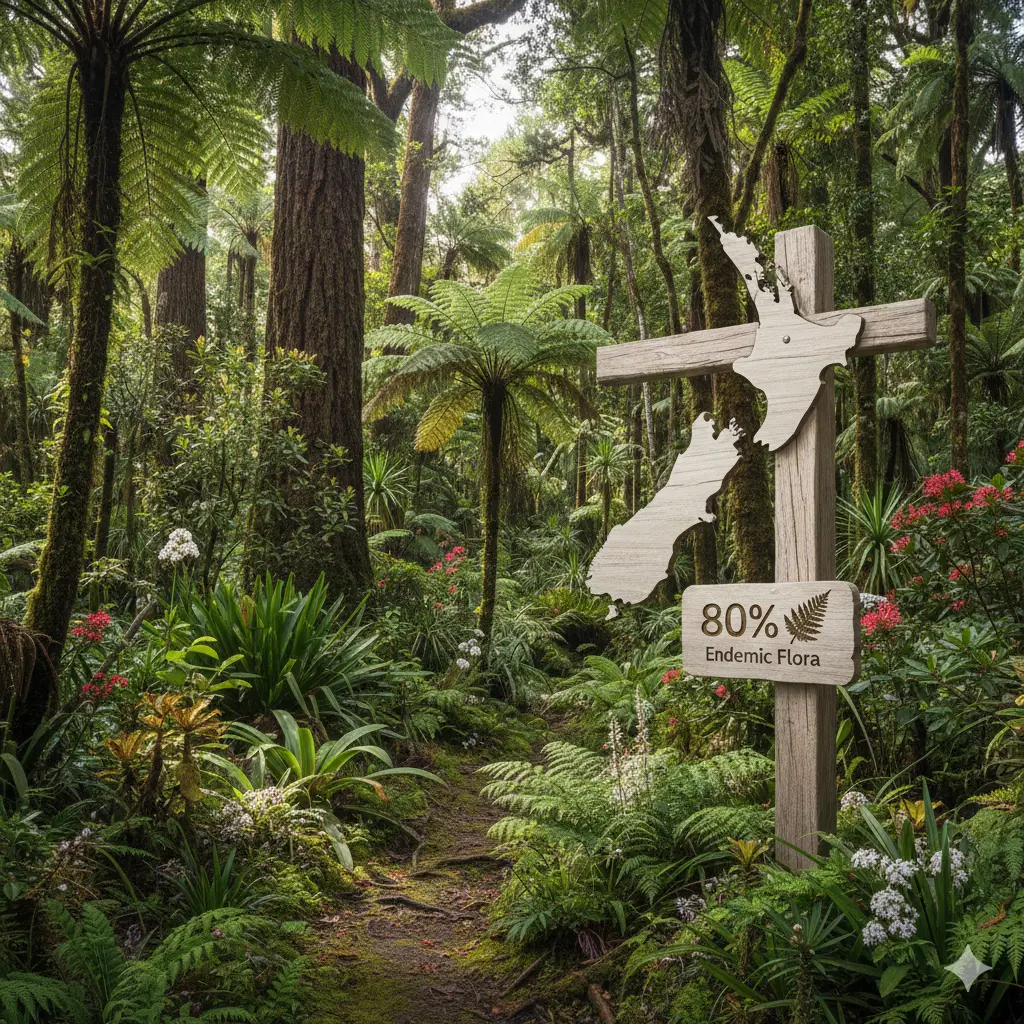
Over 80% of New Zealand's Flora Is Endemic
Introduction to New Zealand's Unique Flora New Zealand is renowned for its stunning natural beauty, and a significant part of this charm can be attributed
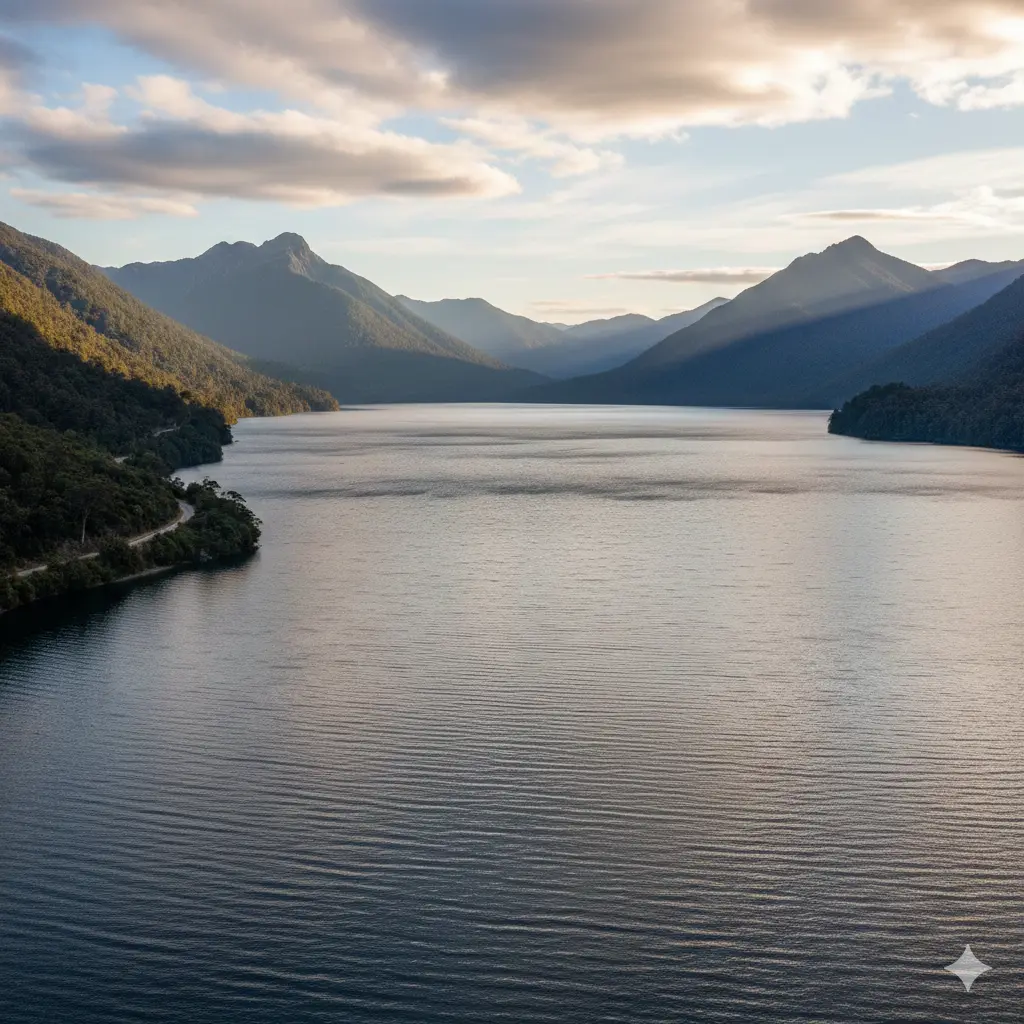
Lake Waikaremoana Means 'Sea of Rippling Waters'
Introduction to Lake Waikaremoana Lake Waikaremoana, located in the heart of Te Urewera, is one of New Zealand's most pristine and awe-inspiring lakes. Th