Grocery Shopping on a Budget in New Zealand
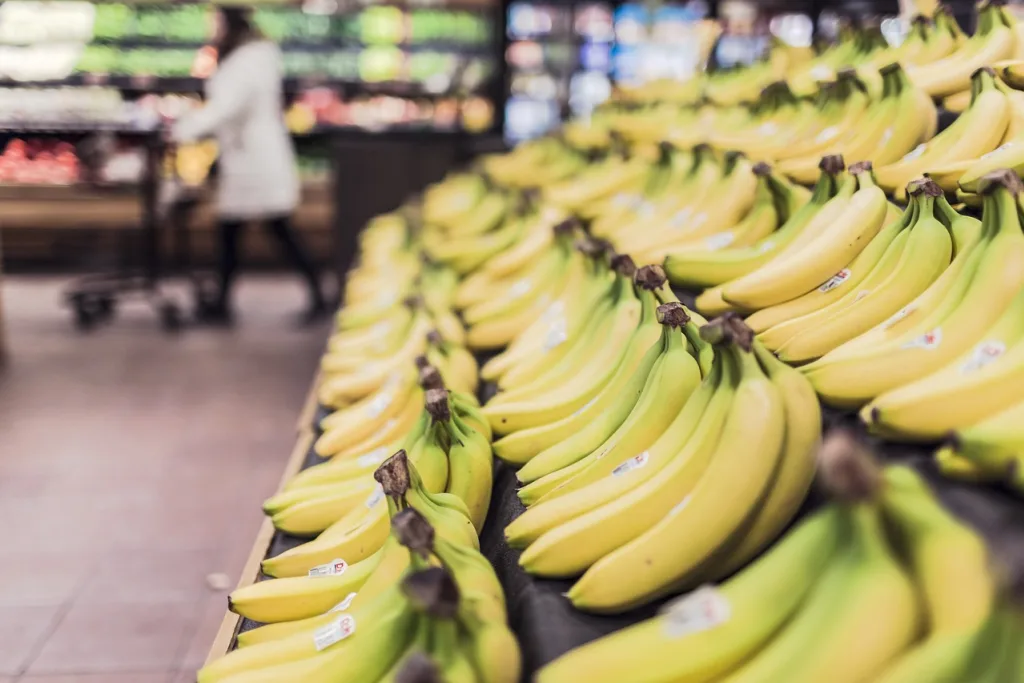
With grocery prices in New Zealand still climbing—up 4% annually to December 2025—stretching your grocery budget NZ has never felt more urgent.[7] Whether you're feeding a family in Auckland or keepin...
Tom covers travel, lifestyle, and cost-of-living topics across New Zealand. He writes practical guides on transport, day trips, outdoor activities, and everyday life in Aotearoa.
With grocery prices in New Zealand still climbing—up 4% annually to December 2025—stretching your grocery budget NZ has never felt more urgent. Whether you're feeding a family in Auckland or keeping things affordable in Dunedin, smart shopping strategies can help you beat the rises in staples like white bread (up 58.3%) and beef steak (up 21.7%). Let's dive into practical ways to shop smarter without sacrificing nutrition or flavour.
Understanding the Current Grocery Landscape in New Zealand
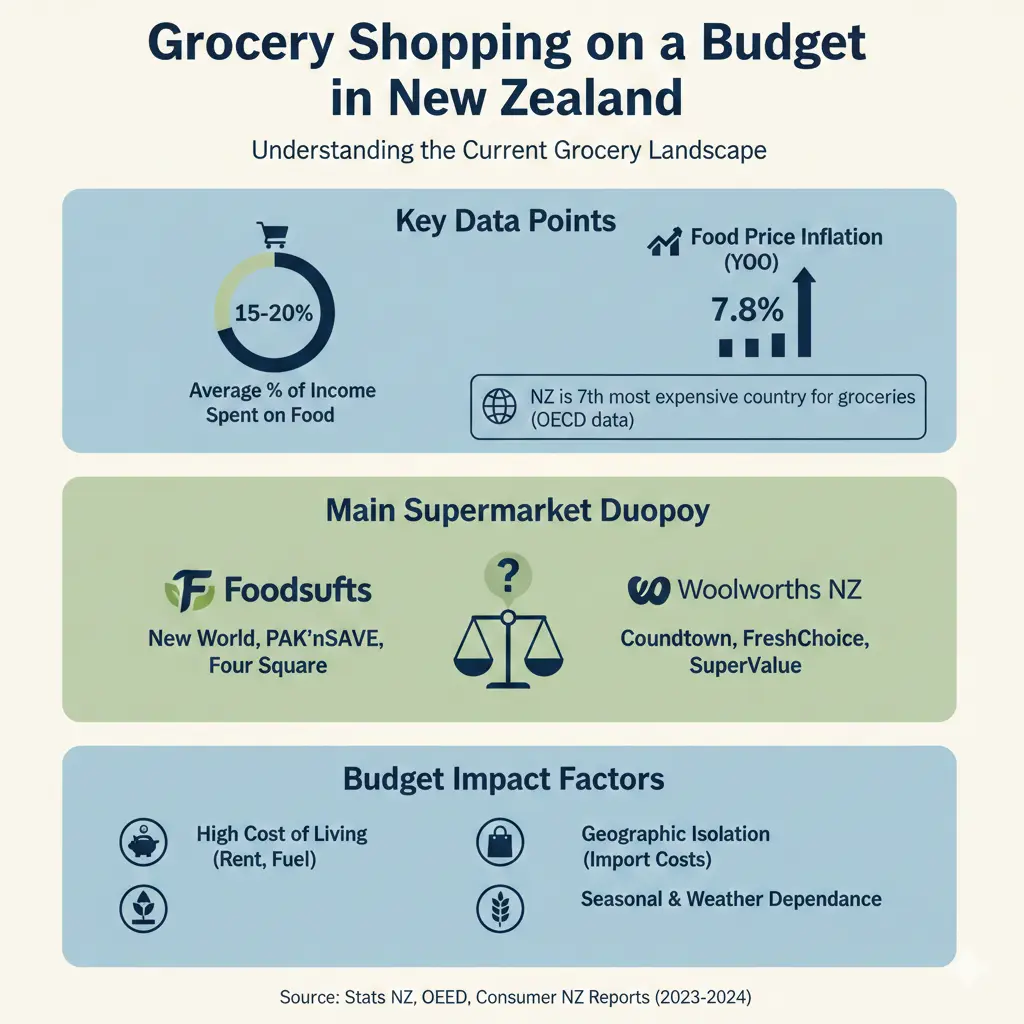
Food prices rose 4% in the year to December 2025, easing slightly from 4.4% the previous month, according to Stats NZ. Grocery items led the charge at 4.6%, with meat, poultry, and fish up 7.4%. Supplier costs to major supermarkets like Foodstuffs increased by 2.4% annually, representing about two-thirds of shelf prices. This means what hits your trolley directly reflects those upstream pressures.
Key culprits include proteins like seafood and butchery (up 4.6% over 2025), produce such as potatoes, grapes, kiwifruit, and salads (up 2%), and dairy items despite some moderation. White bread jumped to $2.20 per 600g, milk to $4.92 per 2 litres, while olive oil dropped 23.4% to $17.45 per litre— a rare bright spot. Looking ahead to 2026, pressures may ease but won't vanish, with targeted rises in proteins and veges likely to persist.
Why Your Grocery Budget Feels the Squeeze
Global factors like limited protein supply and higher operating costs for producers play a role, offset somewhat by a stronger NZ dollar and falling global oil prices. Locally, seasonal gluts brought down lettuce, cucumber, and avocado in December, but onions spiked 38.2% monthly to $2.28/kg. For Kiwi households, this adds up—especially with electricity up 12.2% and gas 17.5% annually, eating into overall budgets.
Setting a Realistic Grocery Budget for Your Household
Start by tracking spending. Use the MBIE Household Living Costs Index or apps like PocketSmith (NZ-based) to benchmark. For a family of four, aim for $200-250 weekly in 2026, adjusting for regional differences—Auckland prices run 10-15% higher than Southland.
Step-by-Step Budgeting Tips
- Calculate essentials: List must-haves like milk, bread, eggs, and veges. Allocate 50% of your budget here.
- Track weekly spends: Snap receipts or use the Countdown or New World apps for real-time logging.
- Factor in specials: Build around weekly deals to cut 20-30% off totals.
- Review monthly: Adjust for Stats NZ food price updates—subscribe to their free alerts at stats.govt.nz.
Pro tip: Use the IRD's income tools alongside Work and Income's budget planner if you're on benefits—it's tailored for NZ families.
Smart Shopping Strategies to Maximise Your Grocery Budget NZ
Shop like a pro with these NZ-specific hacks. Loyalty apps from PAK'nSAVE, New World, and Countdown offer personalised deals—sign up if you haven't.
Master the Art of Specials and Apps
- Compare unit prices: Always check price per kg—e.g., bulk rice at PAK'nSAVE often beats branded.
- Use apps: PriceSpy NZ tracks supermarket specials; HalfPrice app shows real-time discounts.
- Club deals: New World's Whanau Wednesday or Countdown's Homebrand savings can slash 15%.
Timing Your Shop for Peak Savings
Hit stores mid-week (Tuesday-Thursday) when specials reset. Avoid weekends for fewer crowds and better stock. Shop evenings for markdowns—bakeries clear bread 30-50% off after 6pm.
Store Loyalty vs Price Comparison
| Store | Strengths for Budget Shoppers | 2026 Tip |
|---|---|---|
| PAK'nSAVE | Lowest prices, no frills | Best for bulk dry goods; check weekly catalogues online |
| New World | Quality produce, rewards | |
| Countdown | Organic options, app deals | Homebrand lines 20-40% cheaper than name brands |
| The Warehouse/4 Square | Rural access, smaller shops | Good for one-stop with non-food |
Meal Planning: The Cornerstone of Budget Groceries
Plan weekly meals around specials. A sample $150 family plan: Monday stir-fry with cheap chicken thighs ($12/kg special), Tuesday lentil curry (pantry staples), Wednesday roast lamb leg (down 27% seasonally).
7-Day Meal Plan Template
- Monday: Veggie-packed mince pasta ($20 for 4).
- Tuesday: Chickpea curry with rice ($15).
- Wednesday: Baked fish fillets with spuds ($25).
- Thursday: Egg fried rice leftovers ($10).
- Friday: Sausages and salad ($18).
- Saturday: Homemade pizza ($12).
- Sunday: Soup from veg trims ($10).
Total: Under $110, leaving room for milk and bread. Swap proteins based on Stats NZ data—opt for cheaper cuts when beef spikes.
Batch Cooking and Freezer Hacks
Double recipes: Cook 2kg mince for bolognese, freeze half. Buy kiwifruit in season despite 2025 rises—freeze for smoothies. Use MPI's free food skills resources for preservation tips.
Cutting Costs on Staples Without Compromising Health
Switch to generics: Countdown Homebrand milk matches name brands nutritionally at lower cost. Bulk buy non-perishables at Costco (if membership suits) or Bin Inn for spices.
Healthy Swaps for High-Rise Items
- Bread: Bake your own with bulk flour ($1/loaf vs $2.20).
- Meat: Stretch with beans—e.g., taco mince half beef, half lentils.
- Produce: Grow herbs or join vege co-ops like Food Rescue or local markets.
- Dairy: Use powdered milk in baking; yogurt from long-life milk.
Shop ethnic grocers in Auckland or Christchurch for rice and spices 30-50% cheaper. Farmers' markets offer deals on seconds—check farmersmarkets.org.nz.
Frequently Asked Questions
Sources & References
-
1
South Island — lifetimes.co.nz
-
2
Infometrics-Foodstuffs Grocery Supplier Cost Index - December 2025 — economics.infometrics.co.nz
-
3
New Zealand annual food prices up 4 pct - Xinhua — english.news.cn
-
4
Food prices: Cost of white bread up almost 60% in 12 months - 1News — www.1news.co.nz
-
5
Is this the year food price pressure eases? - RNZ News — www.rnz.co.nz
-
6
Food prices drop for fourth month while electricity and gas costs surge - NZ Herald — www.nzherald.co.nz
-
7
Grocery costs remained largely unchanged over the Christmas period - NZCity — home.nzcity.co.nz
-
8
Annual food prices increase 4.0 percent - Stats NZ — www.stats.govt.nz
Related Articles

Registering to Vote in New Zealand
Ever wondered if your voice is truly heard in shaping New Zealand's future? With the 2026 general election set for 7 November, now's the perfect time to ensure you're registered and ready to vote[7][2...

Public Transport Options by City in NZ
Whether you're dodging Auckland's peak-hour traffic or exploring Wellington's windy streets, public transport in our cities makes getting around easier, greener, and often cheaper. With the City Rail...

Best Internet & Phone Plans in NZ (2025 Comparison)
Finding the right internet and phone plan in New Zealand doesn't have to be complicated. Whether you're after blazing-fast fibre speeds, budget-friendly wireless options, or bundled deals that save yo...

Council Rates Explained: What Are You Really Paying?
Ever stared at your council rates bill and wondered where all that money's going? You're not alone—many Kiwis feel the pinch as rates climb faster than our wages, funding everything from pothole fixes...