When to Visit New Zealand for Specific Experiences: Skiing, Hiking, LOTR, Wildlife and Glow‑Worms
New Zealand's diverse landscapes offer something magical year-round, whether you're chasing powder on the slopes, summiting epic tracks, reliving The Lord of the Rings moments, spotting wildlife, or m...
The Lifetimes NZ editorial team curates, fact-checks, and updates guides on personal finance, property, health, immigration, legal, business, and lifestyle topics relevant to Lifetimes NZ readers. Articles are produced with AI assistance and reviewed by the editorial team before publication.
New Zealand's diverse landscapes offer something magical year-round, whether you're chasing powder on the slopes, summiting epic tracks, reliving The Lord of the Rings moments, spotting wildlife, or marvelling at glow-worms. As Kiwis, we know our four distinct seasons mean timing your adventures perfectly can make all the difference—here's when to head out for each experience in 2026.
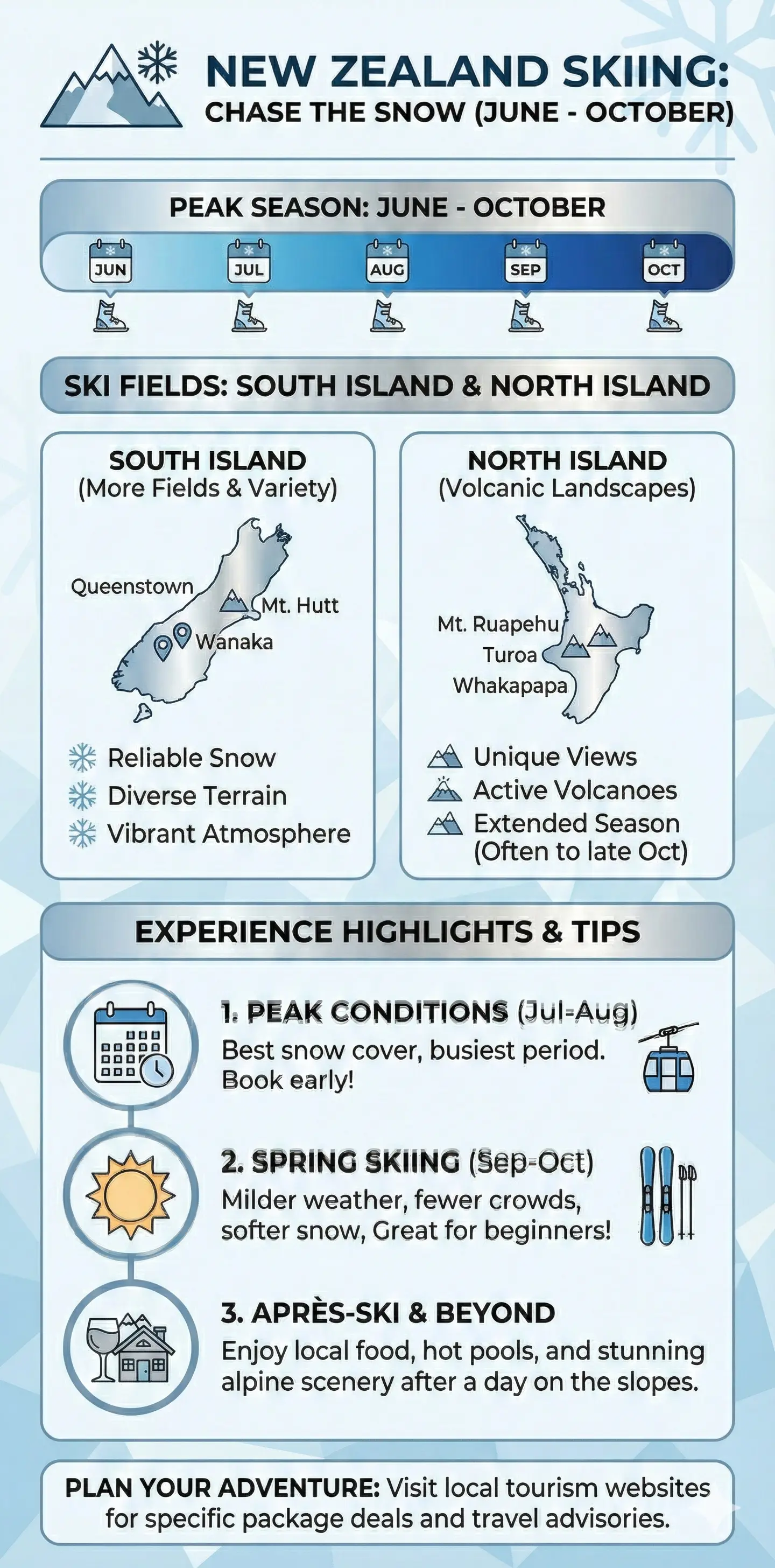
Skiing: Chase the Snow from June to October
Our ski fields on the South Island, like Coronet Peak, The Remarkables, and Treble Cone near Queenstown, plus Whakapapa and Tūroa on Mount Ruapehu in the North Island, fire up from late June through early October. Peak season hits July and August with reliable snowfalls and longest days, ideal for powder hounds. Check SnowNZ for daily updates on conditions and lift status before you go—lifts often open weekends in June and taper off by mid-October as spring melt begins.
Practical Tips for Kiwi Skiers
- Book early: Passes sell out fast during school holidays (late July to early August).
- North vs South: Ruapehu suits families with terrain parks; Queenstown offers heli-skiing for experts.
- Weather watch: Southern Alps storms can close roads—pack chains and monitor MetService alerts.
- Costs in 2026: Expect $150–$250/day for adult lift passes; KiwiPass discounts for locals.
Avoid May or November unless you're after backcountry—fields are mostly closed, but late-season bargains appear in September.
Hiking: Shoulder Seasons Shine from October to April
For tramping New Zealand's iconic tracks like the Milford Track, Routeburn, or Tongariro Alpine Crossing, aim for spring (September–November) or autumn (March–May). These shoulder months dodge summer crowds and heat while trails are snow-free above the snowline. DOC recommends October–April for most Great Walks, with huts bookable nine months ahead via doc.govt.nz. Summer (December–February) brings long days but hut queues and nor'west scorchers.
Best Tracks by Season
| Season | Top Tracks | Why Go Then |
|---|---|---|
| Spring (Sep–Nov) | Tongariro Alpine Crossing, Abel Tasman Coast | Wildflowers bloom, fewer crowds |
| Summer (Dec–Feb) | Milford, Kepler | 24-hour daylight, warm swims |
| Autumn (Mar–May) | Routeburn, Heaphy | Golden beech forests, crisp air |
Winter hiking limits to lowlands—avalanche risk spikes in alpine areas. Always check DOC track status and pack the Ten Essentials, including a personal locator beacon.
LOTR Filming Locations: Year-Round Middle-earth Magic
The Lord of the Rings trilogy filmed across 150+ spots, from Hobbiton in Matamata to Aoraki/Mount Cook. Visit anytime, but tailor to weather: North Island sites like Hobbiton Movie Set (open daily, book hobbiton.co.nz) thrive year-round, while South Island epics suit summer for accessibility.
Prime Seasons and Must-Visits
- Spring/Summer (Oct–Mar): Queenstown's Lake Wakatipu (Lothlórien), Glenorchy (Isengard), and Milford Sound (Fangorn). Roads clear, perfect for hikes to filming spots.
- Autumn (Mar–May): Lake Wanaka (Rohan plains), Arrowtown (Ford of Bruinen)—stunning foliage mirrors movie vibes.
- Winter (Jun–Aug): Mount Victoria, Wellington (Hobbiton Woods)—short days but misty forests feel authentic.
- Hobbiton: Matamata's Shire, rebuilt permanently post-Hobbit films. Even rainy days work with covered tours.
- Other gems: Mavora Lakes (Orc Mound), Mount Sunday (Paths of the Dead)—remote, so 4WD summer access best.
Guided tours from MoaTrek hit multiple sites efficiently. Wētā Workshop in Wellington offers immersive exhibits anytime.
Wildlife Encounters: Summer for Seabirds and Whales
Spot kororā (little blue penguins) on Banks Peninsula or Otago from September breeding peaks through summer. Humpback whales migrate May–August off Kaikōura, with peak sightings June–July. Summer (Dec–Feb) rules for albatross at Taiaroa Head and seals at Cape Palliser—DOC sites like Nugget Point shine then. Avoid winter for most coastal spots due to swells.
Seasonal Hotspots
- Sep–Jan: Penguins nesting, best at Oamaru Blue Penguin Colony evenings.
- May–Aug: Whale watching tours from Kaikōura—90% success rate.
- Year-round: Kiwis nocturnal at sanctuaries like Zealandia, Wellington.
Follow DOC guidelines: keep 20m from wildlife, no drones near birds.
Glow-worms: Dark, Damp Nights from Autumn to Spring
These bioluminescent larvae love cool, moist caves—prime viewing May–September in spots like Waitomo Glowworm Caves (book waitomo.com), Te Anau Glowworm Caves, or Ruakuri Cave. Avoid summer peak heat when they dim. Free wild displays in Waipu Caves or Lake Gunn, but guided tours ensure safety and low impact.
Top Glow-worm Spots
- Waitomo: Boat tours under thousands—winter least crowded.
- Fiordland: Te Anau caves, combine with Milford day trips.
- Northland: Abbey Caves, self-guided with torches off.
Winter school hols see queues; midweek autumn best for Kiwis.
FAQ
When's the best time for skiing and hiking together?
Combine Ruapehu skiing (June–Oct) with nearby Tongariro hikes in shoulder months like October—snow-capped views without full crowds.
Are LOTR sites accessible in winter?
Yes, Hobbiton and Wellington spots are; South Island roads like to Milford may close—check NZTA Journey Planner.
What's the cheapest season for Great Walks?
Autumn (Mar–May) or spring (Sep–Nov)—lower hut fees, fewer bookings needed.
Can I see wildlife year-round?
Kiwis and tuatara at sanctuaries yes; seabirds and whales are seasonal—summer maximises variety.
Do glow-worm caves close in summer?
No, but fewer worms glow brightly—visit May–Sep for the show.
Any 2026 changes for visitors?
DOC hut fees up 5% to $25–$40/night; book via doc.govt.nz early.
Whether powder days or Middle-earth trails call, syncing with seasons unlocks New Zealand's best. Grab your pack, check MetService and DOC updates, and book ahead—adventure awaits right in our backyard. Share your pics with #LifetimesNZ for a feature!
Related Articles
Visiting New Zealand in Winter (Jun–Aug): Ski, Snow, Hot Pools and Clear Skies
New Zealand's winter months (June to August) transform the country into a snow-dusted wonderland, offering everything from world-class skiing to steaming geothermal pools and starlit nights. Whether y...
Visiting New Zealand in Summer (Dec–Feb): Crowds, Prices and Best Beach Spots
Summer in New Zealand means long days, balmy evenings, and beaches calling your name—but if you're a Kiwi planning a getaway from December to February, you'll want to navigate the crowds and price spi...
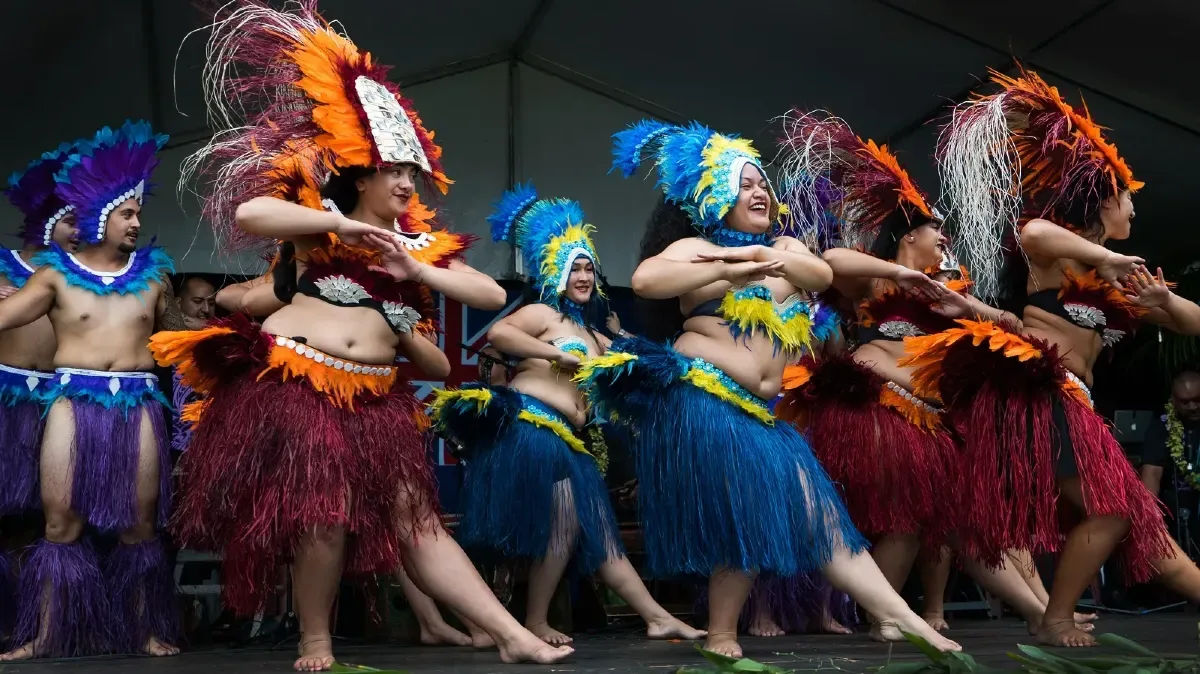
Major Festivals and Events in New Zealand: Wine, Food, Culture and Sports Calendar
Whether you're a Kiwi chasing the next big thrill or planning a weekend getaway, New Zealand's calendar bursts with major festivals and events celebrating our world-class **wine**, mouthwatering **foo...
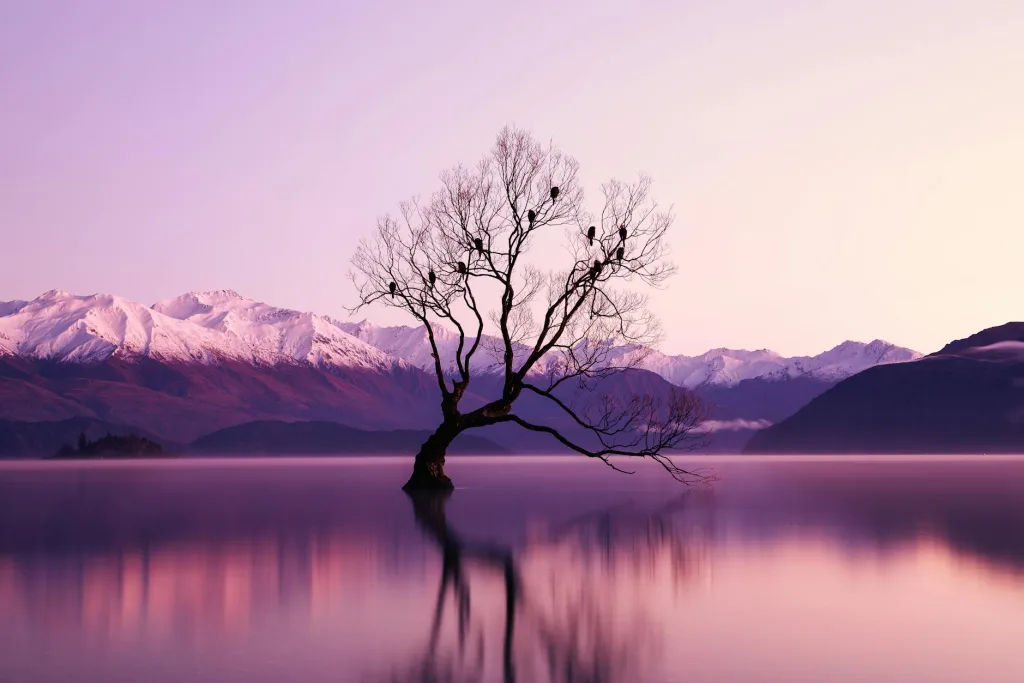
Winter in New Zealand: 10‑Day Ski and Snow Road Trip (Queenstown & Wanaka Focus)
Imagine carving fresh tracks down powder-covered slopes with Lake Wanaka's turquoise waters sparkling below, then warming up with a flat white in Queenstown's vibrant après-ski scene. Winter in New Ze...