How Tourism Supports Local Communities in New Zealand (and How Visitors Can Help)
Imagine strolling through a bustling Queenstown market, where local artisans sell handmade crafts and farmers offer fresh kai straight from their whenua. That's the magic of tourism in Aotearoa—it's n...
Tom covers travel, lifestyle, and cost-of-living topics across New Zealand. He writes practical guides on transport, day trips, outdoor activities, and everyday life in Aotearoa.
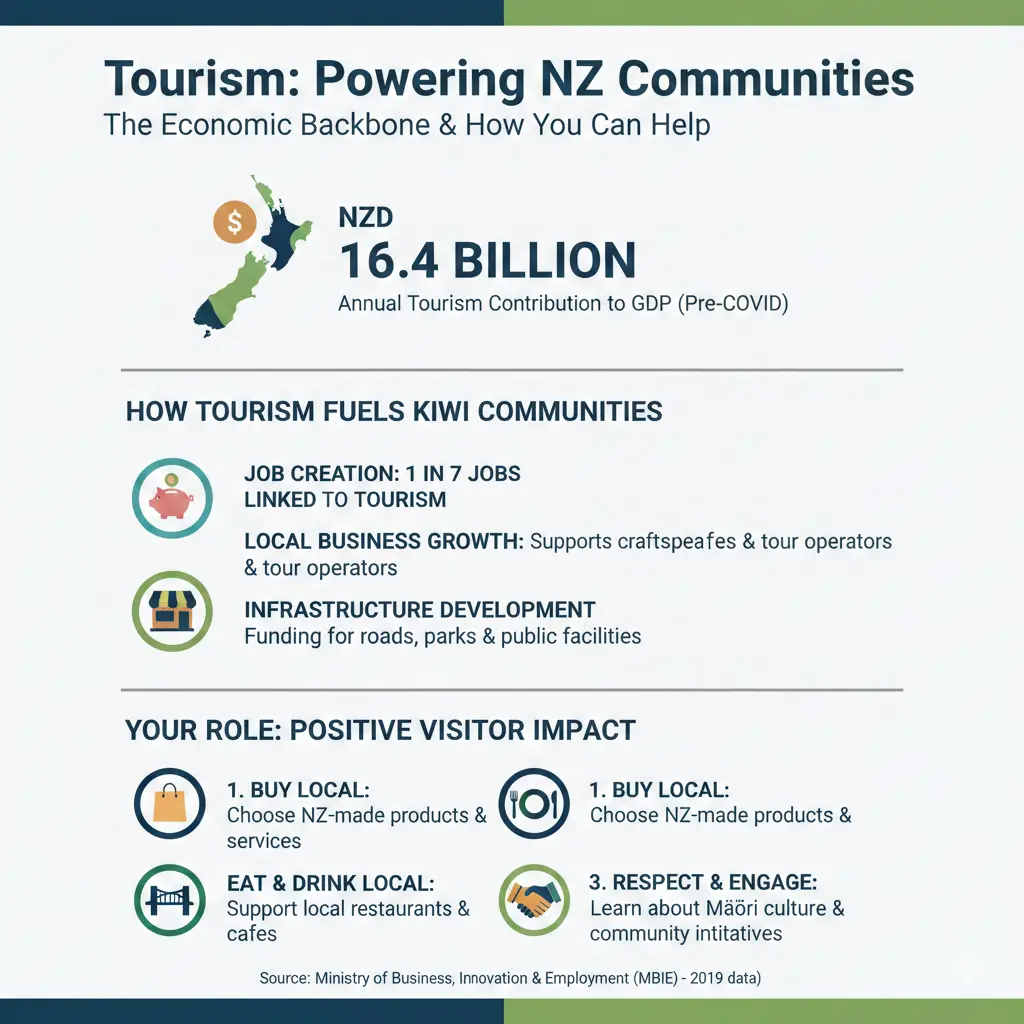
Imagine strolling through a bustling Queenstown market, where local artisans sell handmade crafts and farmers offer fresh kai straight from their whenua. That's the magic of tourism in Aotearoa—it's not just about stunning landscapes; it's a lifeline for our communities, pumping billions into local economies and creating jobs for Kiwis from Kaitaia to Invercargill.
Tourism is rebounding stronger than ever in 2026, with international arrivals on track to hit pre-pandemic levels. This "golden era" brings direct GDP contributions of $17 billion annually and supports over 300,000 jobs nationwide. But how exactly does it bolster our local spots, and what can we as Kiwis—or visitors—do to make it even better? Let's dive in.
The Economic Backbone: How Tourism Fuels Kiwi Communities
Tourism isn't just holiday snaps; it's a powerhouse export earner, second only to dairy in some years. In 2026, the sector is set to contribute massively to pulling our economy out of recent sluggishness, with visitor numbers climbing to 3.89 million by year's end under the Government's Tourism Growth Roadmap.
Local communities feel this most directly. Think Rotorua's geothermal wonders drawing crowds that fill marae-led tours, or Queenstown's adventure ops employing hundreds. Events funded by the $70 million Major Events and Tourism Package are igniting regions from the Bay of Islands to Tekapo—yacht racing, Matariki celebrations, and food festivals that pack hotels, cafes, and shops.
Job Creation and Regional Boosts
- Direct Employment: Over 300,000 Kiwis work in tourism-related roles, from guiding hikes in Fiordland to cooking in Wellington's Glou Glou restaurant.
- Indirect Ripple Effects: Farmers supply eateries, transport firms shuttle guests, and artisans sell at markets—strengthening supply chains in rural areas.
- Event-Driven Growth: $3.2 million in recent funding for 2026 events means more punters in local pubs and B&Bs, with Minister Louise Upston noting how they make "accommodation fill up, restaurants thrive, and tills ring."
In places like Nelson Tasman, running festivals draw crowds that support small businesses year-round, not just summer peaks.
Cultural Preservation: Keeping Our Stories Alive
Tourism spotlights Māori culture, from hāngi feasts in Rotorua to marae stays in the Bay of Islands. Regenerative tourism—a 2026 buzzword—pushes for genuine connections, integrating indigenous knowledge to protect tikanga while sharing it.
Communities lead the way: iwi-owned ventures like Tamaki Māori Village employ locals and reinvest profits into cultural revitalisation. This isn't extractive; it's about mutual benefit, with visitors learning kapa haka and locals gaining economic stability.
"Regenerative tourism strengthens local supply chains, builds community-led businesses and supports long-term economic stability."
Challenges and Balances
Not all smooth sailing—cruise ship declines due to high fees mean some ports lose $157 million in spending. Yet, trends like noctourism in Aoraki Mackenzie Dark Sky Reserve and agri-tourism farm stays offer sustainable paths forward.
Regenerative Tourism: The Future-Proof Approach
We're leading globally in regenerative tourism, thanks to our indigenous heritage and engaged communities. This mindset shifts from "take" to "give back," measuring success beyond dollars—think restored ecosystems and empowered locals.
Key Practices for Communities
- Involve locals in planning to ensure benefits stay home.
- Support Māori and community-led businesses over big chains.
- Integrate eco-restoration, like planting natives during tours.
- Use flexible models resilient to climate shocks.
Government backs this via the Tourism Growth Roadmap, aiming to double tourism's value by 2030.
How Visitors (and Kiwis Hosting Them) Can Help
You're the key! Whether you're a local showing mates around or an international guest, small choices amplify impacts. Here's practical advice tailored for 2026:
Actionable Tips for Responsible Travel
- Choose Local: Book iwi tours via Tourism New Zealand or farm stays—up 300% in searches.
- Shop Authentic: Buy from markets like Christchurch Farmers' Market, not just souvenir shops—keeps money in communities.
- Support Events: Attend funded festivals; they boost regions economically.
- Go Regenerative: Join restoration activities, like dune planting in the Coromandel, and learn from mana whenua.
- Travel Smart: Opt for longer "micro-retirement" stays to spread spending evenly, avoiding peak crowds.
- Leave No Trace: Follow Tiaki Promise—care for Aotearoa as you would your own home (tiakipromise.com).
Kiwis, promote these to visitors; your word carries weight. Hosting a BBQs with local brews? That's tourism support right there.
Visitor Checklist
| Do This | Avoid This | Impact |
|---|---|---|
| Stay in family-run lodges | Big international chains | Direct local jobs |
| Eat at kai producers' spots | Fast food outlets | Supports farmers |
| Engage in cultural workshops | Selfie-only visits | Preserves heritage |
Next Steps: Get Involved Today
Whether you're a Kiwi business eyeing tourism partnerships or a visitor planning your trip, start small: book that local tour, share the Tiaki Promise, and advocate for regenerative practices. Visit MBIE's Tourism Growth Roadmap for more resources. Together, we can ensure tourism lifts every community—sustainably, for generations.
Frequently Asked Questions
Sources & References
- 1
-
2
Full steam ahead: more events set to ignite 2026 — www.beehive.govt.nz
-
3
What Is Regenerative Tourism And Why It Matters Now In 2026? — sustainabilityandresilience.co.nz
-
4
Plateauing tourist numbers threaten New Zealand's economic growth — tourismanalytics.com
-
5
More events to boost tourism and regional economies — www.mbie.govt.nz
-
6
TNZ Statement of Performance Expectations 2025–2026 — www.tourismnewzealand.com
-
7
Destination Management — rtnz.org.nz
-
8
Tourism Growth Roadmap — www.mbie.govt.nz
Related Articles
New Zealand Culture 101 for Visitors: Maori Roots, Kiwi Slang and Modern Life
Whether you're showing a mate from overseas around or just keen to brush up on what makes our Kiwi culture tick, diving into New Zealand's unique blend of Māori roots, cheeky slang, and modern vibes i...
Maori Cultural Experiences in New Zealand: Hāngi, Haka, Marae Visits and Protocol
Imagine the rhythmic stomp of feet, the fierce gaze of warriors performing the haka, and the earthy aroma of a hāngi feast steaming from the ground—that's the heart of Māori cultural experiences right...
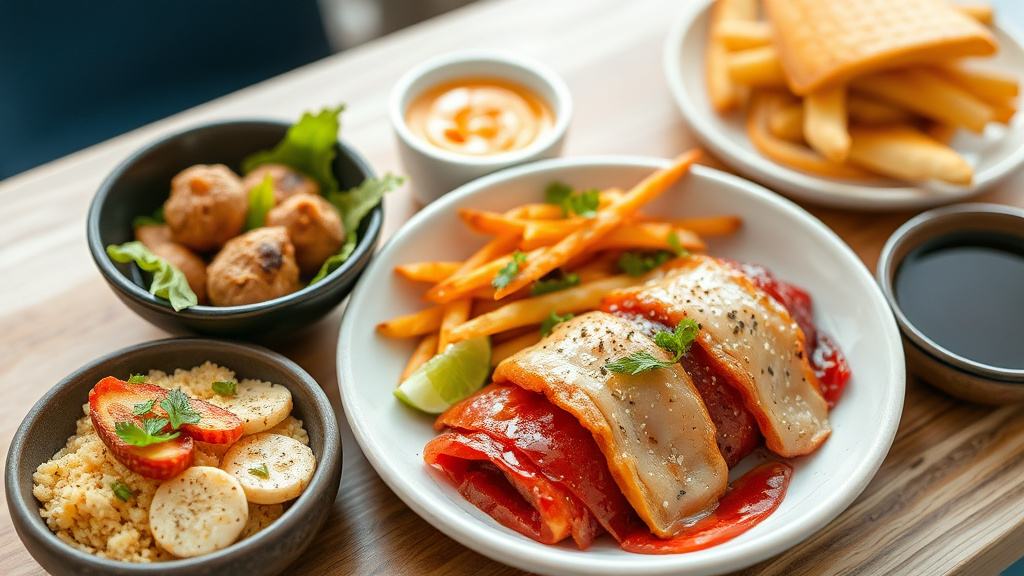
What to Eat in New Zealand: Iconic Dishes, Local Snacks and Coffee Culture
New Zealand's food culture is a delicious blend of indigenous Māori heritage, Pacific influences, and contemporary culinary innovation. Whether you're a Kiwi exploring your own backyard or planning yo...
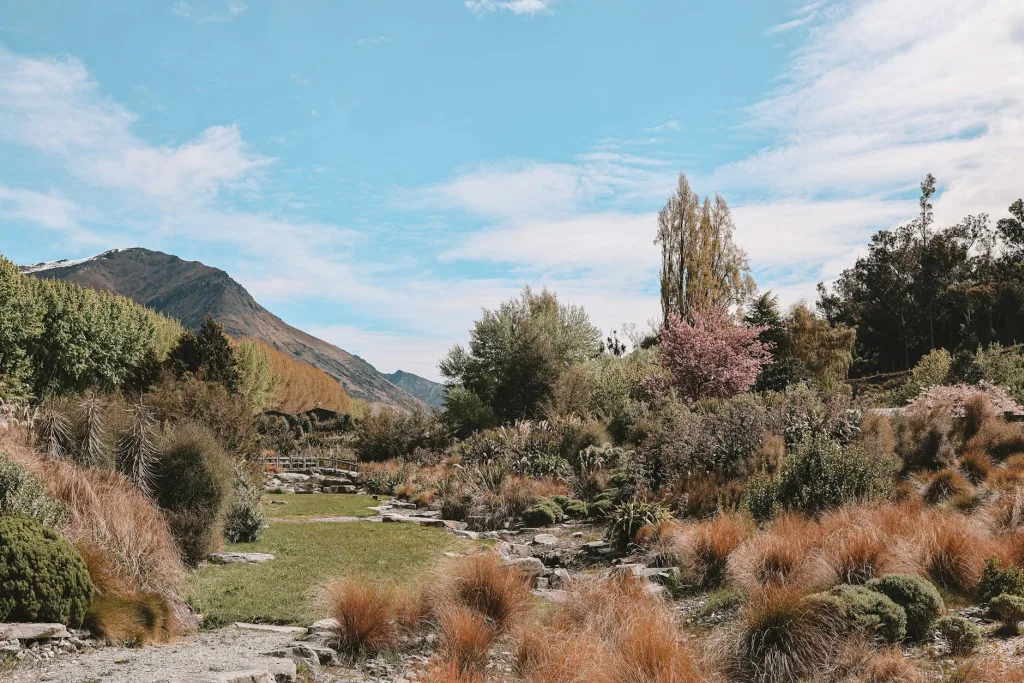
Sustainable and Responsible Tourism in New Zealand: How to Travel Lightly
New Zealand is experiencing a tourism renaissance, with visitor numbers now reaching 90 percent of pre-pandemic levels[1]. But as our beloved country welcomes more travellers, the question becomes: ho...