Maori Cultural Experiences in New Zealand: Hāngi, Haka, Marae Visits and Protocol
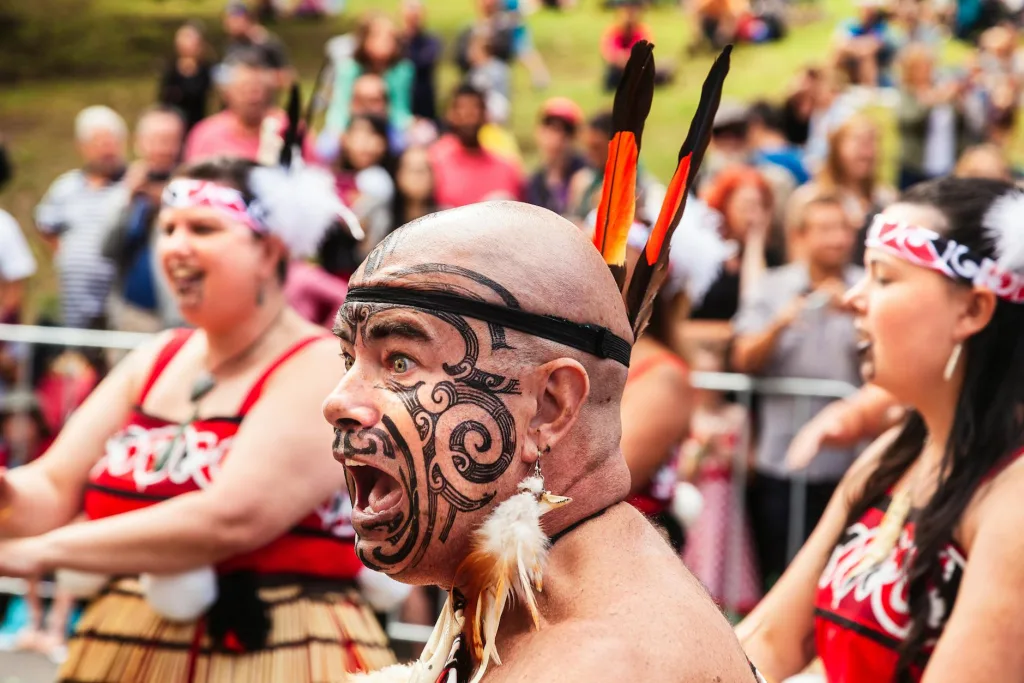
Imagine the rhythmic stomp of feet, the fierce gaze of warriors performing the haka, and the earthy aroma of a hāngi feast steaming from the ground—that's the heart of Māori cultural experiences right...
The Lifetimes NZ editorial team curates, fact-checks, and updates guides on personal finance, property, health, immigration, legal, business, and lifestyle topics relevant to Lifetimes NZ readers. Articles are produced with AI assistance and reviewed by the editorial team before publication.
Imagine the rhythmic stomp of feet, the fierce gaze of warriors performing the haka, and the earthy aroma of a hāngi feast steaming from the ground—that's the heart of Māori cultural experiences right here in Aotearoa. For Kiwis seeking to connect deeper with our indigenous heritage, these traditions offer not just entertainment, but a profound insight into the living culture that shapes modern New Zealand.
What Are Māori Cultural Experiences?
Māori cultural experiences immerse you in the traditions of New Zealand's tangata whenua (people of the land), blending performance, food, and protocol for an authentic encounter. From the powerful **haka** to the communal **hāngi** and respectful **marae visits**, these activities highlight Māori values like manaakitanga (hospitality) and whanaungatanga (kinship). Whether you're a local rediscovering your roots or sharing with whānau, they're accessible across both islands in 2026.
The Iconic Haka: More Than a Performance
The **haka** is a ceremonial dance expressing strength, unity, and emotion—think the All Blacks' pre-match ritual, but rooted in ancient challenges and welcomes. It's not just for rugby; private performances let you feel its energy up close. In Queenstown, Ahi Kā Haka & Hāngī offers daily haka shows at 5pm and 7pm, weekdays included, where warriors channel ancestral spirit in a breathtaking setting. Participants often report boosted confidence and cultural appreciation, making it ideal for team-building or family outings.
Hāngi: The Earth Oven Feast
A **hāngi** is Māori's traditional method of cooking, where food is steamed underground using heated stones, imparting unique smoky flavours to meats, kumara, and vegetables. The process takes 4-6 hours: food is wrapped, buried, and unearthed for a shared meal that fosters community. Spots like Te Pā Tū (formerly Tamaki Māori Village) in Rotorua pair hāngi with evening entertainment, while Mitai Māori Village offers the same in a geothermal paradise. In 2026, book ahead as these fill up fast, especially post-November expansions.
Marae Visits and Essential Protocol
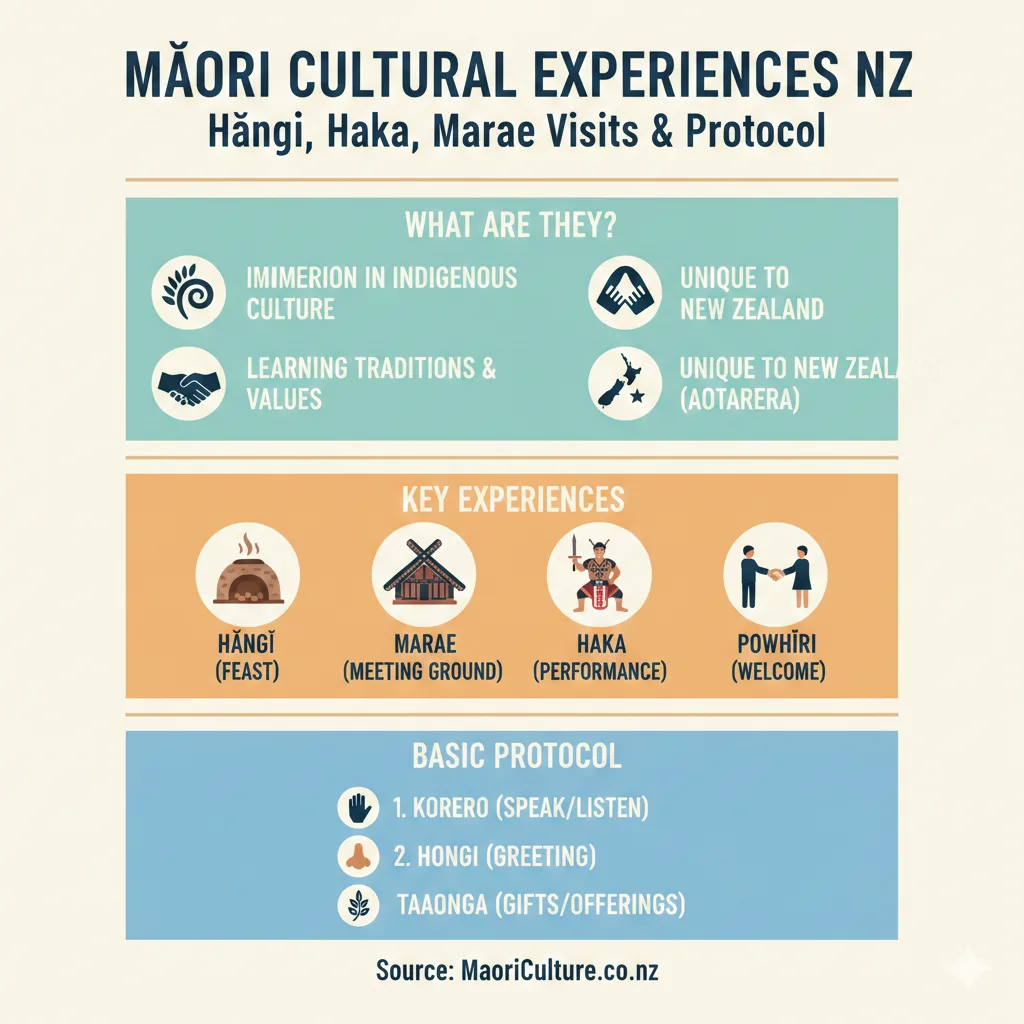
A **marae** is a sacred Māori meeting ground, central to community life with its wharenui (meeting house), wharekai (dining hall), and paepae (speaking area). Visiting one is a privilege requiring respect for **tikanga** (customs)—remove shoes, seek permission to speak, and follow the pōwhiri (welcome) process.
Key Marae Protocol for Visitors
- Pōwhiri (Welcome Ceremony): Starts with a karanga (female call), wero (challenge by a warrior), and hongi (pressing noses to share breath).
- Seating and Speeches: Men sit one side, women the other; listen quietly during whaikōrero (speeches).
- Poroporoaki (Farewell): Similar structure; offer koha (gift) like food or donations.
- No Eating or Photos During Ceremonies: Respect tapu (sacred restrictions); ask first.
For Kiwis, marae stays build cultural fluency—try Ohinemutu in Rotorua, home to Te Papaiouru Marae and New Zealand's oldest wharenui. Always contact iwi (tribe) first via local tourism sites or Tourism New Zealand for guidance.
Top Spots for Māori Cultural Experiences in 2026
New Zealand boasts world-class venues blending culture with our stunning landscapes. Here's where to go:
North Island Hotspots
- Rotorua: The Māori cultural capital—Te Puia offers daytime performances amid geysers, plus carving and weaving workshops. Whakarewarewa village showcases living Māori life.
- Waitangi Treaty Grounds (Bay of Islands): Historical site with cultural shows, waka tours, and crafting—perfect for understanding Te Tiriti o Waitangi.
- Auckland: Auckland Museum's Māori performances and galleries like He Taonga Māori provide urban access; pair with Auckland Art Gallery for contemporary taonga.
- Tauranga: Mana Māori Experiences offers personal tours with tribal guides to ancient sites.
South Island Gems
- Queenstown: Ahi Kā Haka & Hāngī delivers haka and hāngi feasts from November 2025 onward.
- Dunedin: Horizon Tours' Māori-led stargazing and nature trips.
- West Coast: Pounamu (jade) carving experiences for hands-on cultural connection.
Many are open daily in 2026; check Viator or Klook for Kiwi discounts and accessibility.
Practical Tips for Kiwis Planning Your Experience
Make the most of these with actionable advice:
- Book Early: Popular spots like Rotorua's villages require advance tickets, especially summer 2026.
- Dress Modestly: Cover shoulders and knees for marae; bring layers for outdoor hāngi.
- Learn Basics: Practice "kia ora" (hello) and hongi etiquette via free apps or Te Papa's online resources.
- Support Local Iwi: Choose Māori-owned operations like Taiamai Tours for authentic waka paddling.
- Family-Friendly Options: Many welcome tamariki (children); Te Puia has Kiwi bird viewing too.
- Accessibility: Enquire about mobility aids—most venues accommodate.
For deeper learning, visit Te Papa Museum in Wellington, featuring Māori collections and Toi Art gallery. Official resources like Tourism New Zealand's Māori culture page ensure up-to-date 2026 info.
FAQ
What should I wear to a marae visit?
Dress respectfully: no hats, sunglasses, or revealing clothes. Remove shoes upon entry.
Is hāngi suitable for vegetarians?
Yes—many venues offer veg options using the same earth-oven method.
Can kids join haka or hāngi experiences?
Absolutely; interactive elements engage all ages, fostering cultural pride.
How long does a full cultural evening take?
Typically 3-4 hours, including welcome, performance, and feast.
Are these experiences free for Kiwis?
No, but look for resident discounts; koha-based marae visits may apply.
What's the best time for Rotorua visits in 2026?
Year-round, but avoid peak January; evenings showcase geothermal-lit hāngi.
Ready to Dive In?
Embrace **Māori cultural experiences in New Zealand**—book a hāngi in Rotorua, join a haka in Queenstown, or attend a marae pōwhiri near you. Start by visiting Tourism New Zealand's site or contacting local iwi for personalised invites. These aren't just outings; they're pathways to strengthening our bicultural identity as Kiwis. Kia kaha—go experience it!
Related Articles
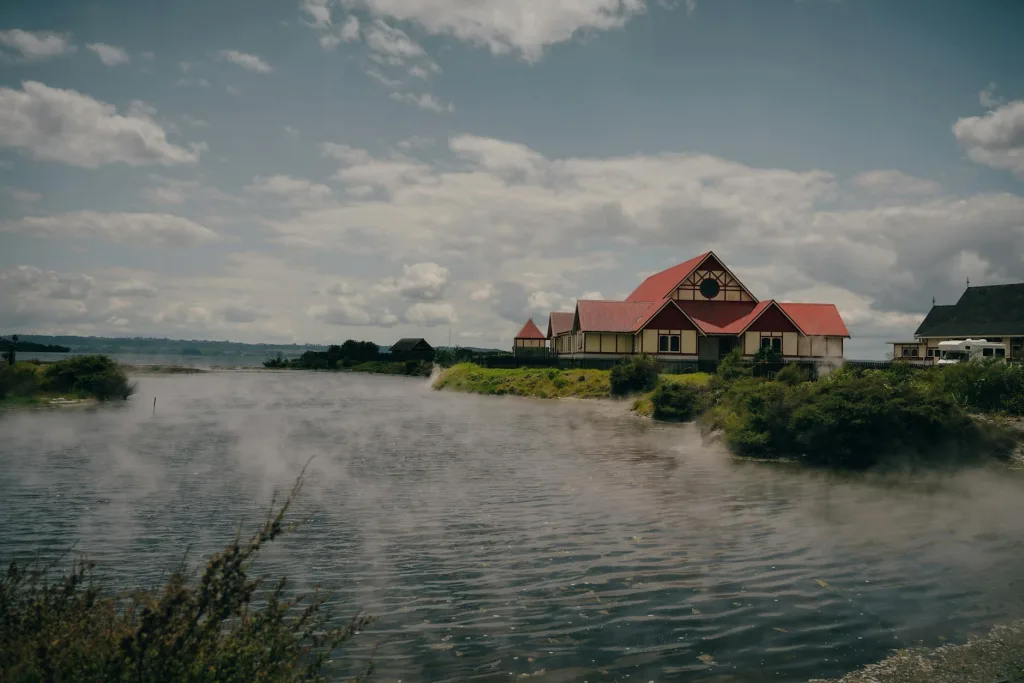
New Zealand Culture 101 for Visitors: Maori Roots, Kiwi Slang and Modern Life
Whether you're showing a mate from overseas around or just keen to brush up on what makes our Kiwi culture tick, diving into New Zealand's unique blend of Māori roots, cheeky slang, and modern vibes i...
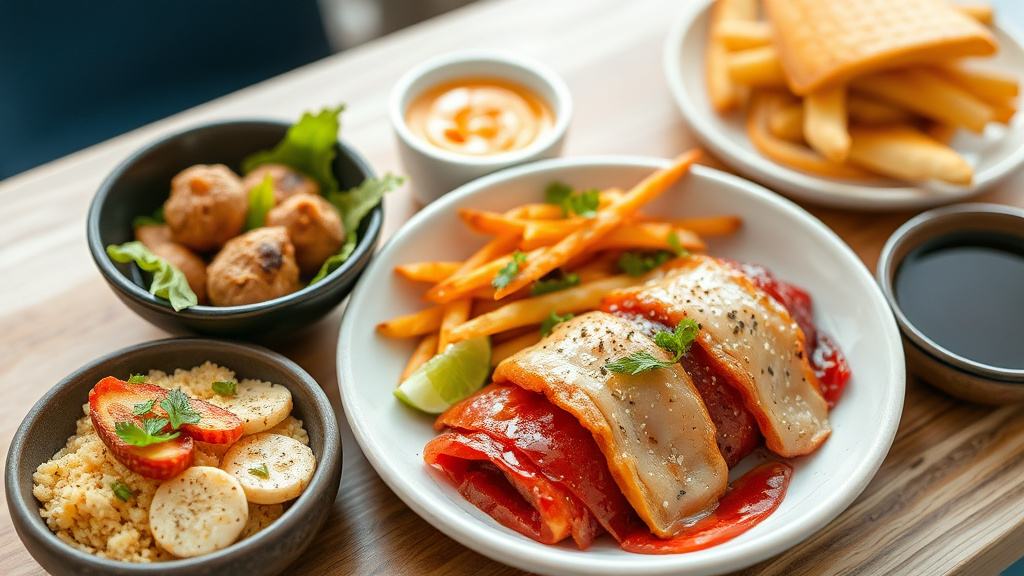
What to Eat in New Zealand: Iconic Dishes, Local Snacks and Coffee Culture
New Zealand's food culture is a delicious blend of indigenous Māori heritage, Pacific influences, and contemporary culinary innovation. Whether you're a Kiwi exploring your own backyard or planning yo...
Sustainable and Responsible Tourism in New Zealand: How to Travel Lightly
New Zealand is experiencing a tourism renaissance, with visitor numbers now reaching 90 percent of pre-pandemic levels[1]. But as our beloved country welcomes more travellers, the question becomes: ho...

How Tourism Supports Local Communities in New Zealand (and How Visitors Can Help)
Imagine strolling through a bustling Queenstown market, where local artisans sell handmade crafts and farmers offer fresh kai straight from their whenua. That's the magic of tourism in Aotearoa—it's n...