Air Fryers: Healthy Cooking Revolution in NZ
Air fryers have become one of the most popular kitchen appliances in New Zealand, and it's easy to see why. They promise crispy, delicious food with a fraction of the oil used in traditional deep fryi...
Daniel covers technology, cybersecurity, and small business topics for Lifetimes NZ. He breaks down tech news and digital trends for a general audience.
Air fryers have become one of the most popular kitchen appliances in New Zealand, and it's easy to see why. They promise crispy, delicious food with a fraction of the oil used in traditional deep frying. But are they really the healthy cooking revolution they're marketed to be? The answer is more nuanced than you might think. While air fryers do offer genuine health benefits when used wisely, they're not a magic solution that makes every food choice healthier. Let's explore what you need to know about air fryers to make the most of this popular kitchen gadget.
How Air Fryers Actually Work
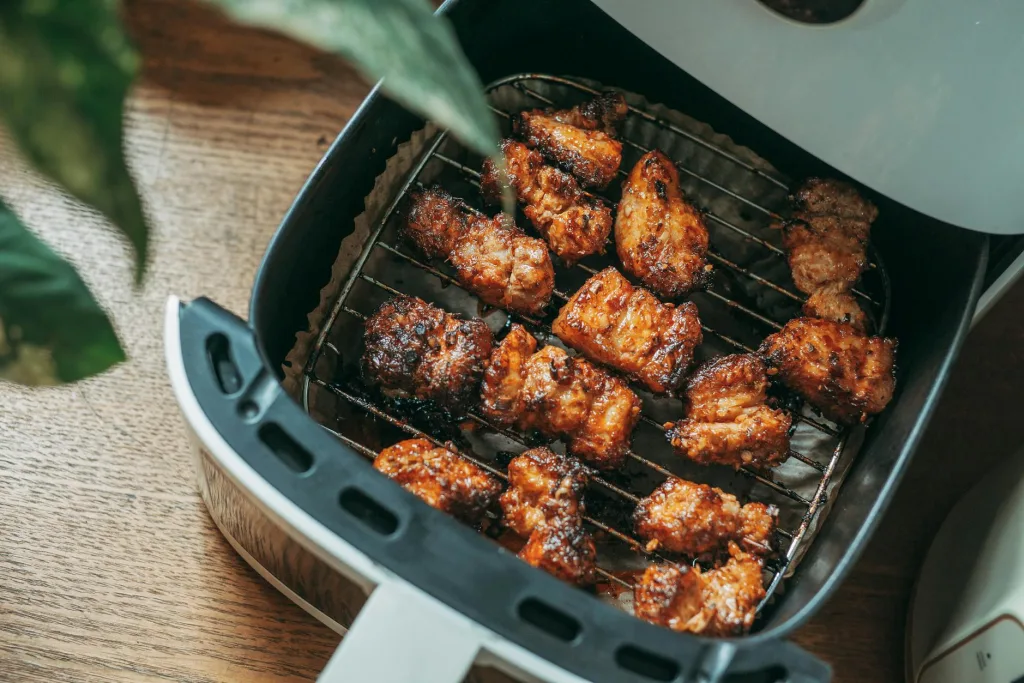
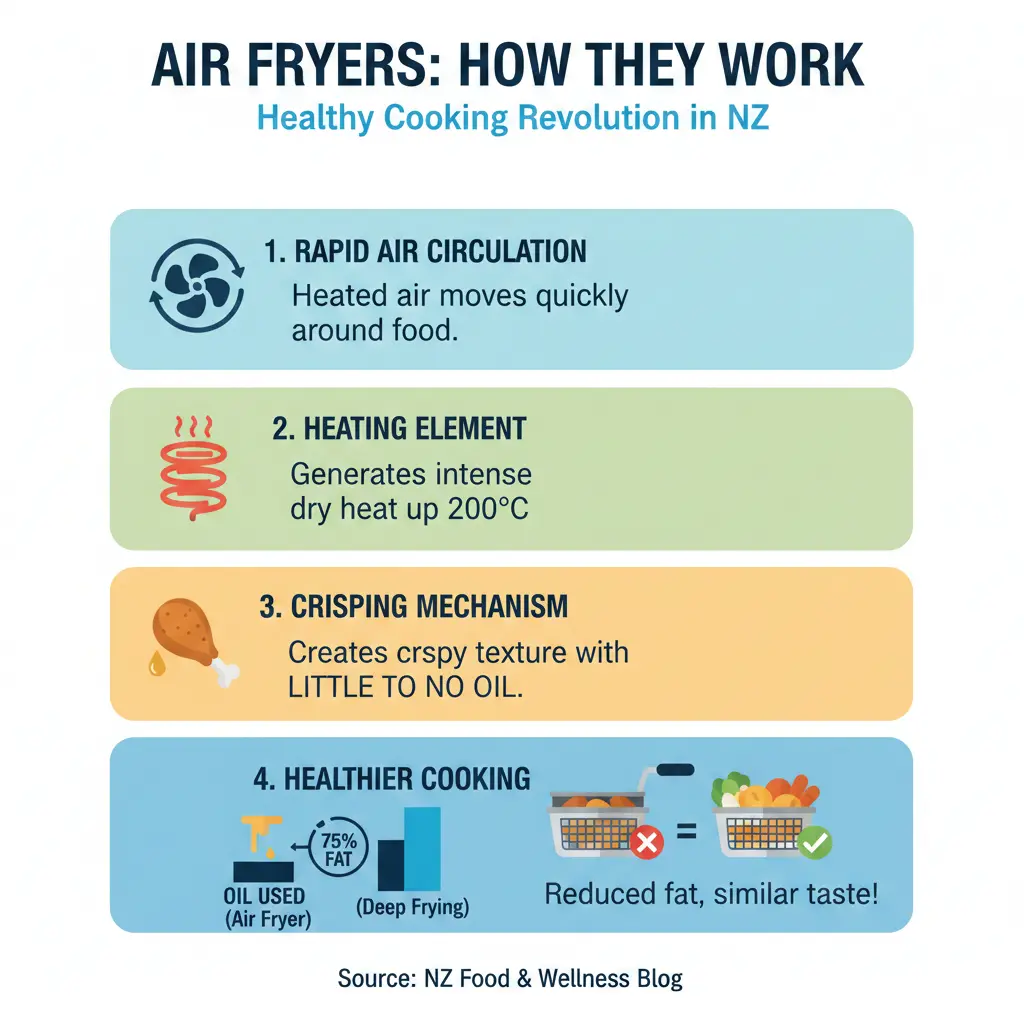
Air fryers function as compact convection ovens, using rapid air circulation to cook food quickly and create a crispy exterior without deep frying. Unlike traditional deep fryers that fully submerge food in hot oil, air fryers use either a minimal amount of oil or none at all. The fan inside circulates hot air around your food at high speed, creating the browned, crispy texture you'd expect from deep-fried meals—but with significantly less oil.
The Real Health Benefits of Air Fryers
Dramatically Reduced Oil and Fat Content
The most significant health advantage of air fryers is their ability to dramatically reduce oil consumption. Compared with deep frying, air fryers use 70–90 per cent less oil. This translates directly to lower calorie and fat intake. For example, air-fried hot chips contain just 4–6g of fat versus 17g for deep-fried chips, and deep-fried chips can contain up to 200 calories more per serving compared to air-fried versions.
By reducing your oil consumption, you're also reducing your intake of saturated fats, which can help lower your risk of inflammation and heart disease.
Lower Risk of Harmful Compounds
Air fryers significantly reduce the formation of acrylamide, a potentially carcinogenic compound that forms when starchy foods are cooked at very high temperatures. Studies show that air frying can reduce acrylamide formation by 50 to 80 percent compared to traditional deep frying. This is particularly important for foods like potatoes, which are commonly deep-fried.
Additionally, air fryers avoid the repeated reheating of oil that occurs in traditional deep frying—a process known to generate harmful oxidation products.
Better Nutrient Preservation
Air fryers cook food quickly, which helps preserve nutrients that are often lost during longer cooking processes. Vitamins and minerals in vegetables, for instance, are better retained when air-fried compared to boiling or deep frying.
Practical Kitchen Benefits
Beyond health benefits, air fryers are time efficient and power efficient. They're perfect for reheating smaller portions of leftovers without heating your entire oven, and they use less electricity than conventional ovens. For busy Kiwi families, this means quicker meal prep and lower power bills.
The "Health Halo" Trap: When Air Fryers Work Against You
Here's where it gets important: air fryers don't make unhealthy food healthy. Medical professionals warn that air fryers can create a dangerous "health halo" around junk food if used poorly. The problem isn't the device—it's the ingredients, frequency of use, and mindless eating habits.
Items like frozen nuggets, ultra-processed snacks, cheese-stuffed products, and highly salty foods remain unhealthy even when prepared in an air fryer. Just because something is air-fried doesn't mean it's good for you. The technology can't compensate for poor food choices.
How to Use Your Air Fryer Wisely
To get genuine health benefits from your air fryer, focus on these food choices:
- Whole foods and minimally processed ingredients
- Lean proteins like chicken and fish
- Roasted vegetables and legumes
- Eggs, paneer, and tofu
- Homemade snacks with controlled salt and fat
- Balanced meals that include fibre-rich vegetables
Air fryers work best when you're cooking fresh ingredients you'd normally prepare using other methods. They're excellent for making healthier versions of foods you already enjoy—like roasted vegetables, grilled fish, or homemade chicken—not for making processed junk food "healthy."
Important Considerations
Temperature Matters
While air fryers reduce harmful compounds, cooking at very high temperatures can still produce other potentially harmful chemicals like polycyclic aromatic hydrocarbons (PAHs) or heterocyclic amines (HCAs) in meat or fish. Avoid overheating starchy foods like potatoes beyond 180 degrees Celsius, as this may produce harmful acrylamides.
Not a Replacement for Your Oven
Air fryers and traditional ovens work similarly—both use convection cooking. The main differences are that air fryers are faster, cook smaller quantities, and use less power. For most cooking tasks, an air fryer isn't necessarily healthier than an oven; it's just more convenient and efficient.
Choosing an Air Fryer in New Zealand
When shopping for an air fryer, look for models available at major New Zealand retailers like Noel Leeming. Quality air fryers offer features such as:
- Multiple preset cooking functions
- Automatic temperature and timer controls
- Removable, dishwasher-safe cooking trays for easy cleaning
- Dual-zone baskets for cooking multiple components simultaneously
- Digital controls and guided cooking apps
Most quality models come with manufacturer guarantees and are designed for durability and ease of use.
The Bottom Line
Air fryers are a legitimate upgrade from deep frying, offering real health benefits when used thoughtfully. They reduce oil, calories, and harmful compounds while preserving nutrients and saving time in the kitchen. However, they're not a magic solution. The healthiness of your air-fried meals depends entirely on what you put in them.
Use your air fryer to cook whole foods, lean proteins, and plenty of vegetables. Avoid using it as an excuse to eat more processed snacks. Remember: the liver and gut respond to the chemistry of what you eat, not the marketing around how it's cooked. When you make smart ingredient choices, your air fryer becomes a genuinely useful tool for healthier cooking in your New Zealand home.
Frequently Asked Questions
Sources & References
-
1
Why your air fryer may be working against your health goals, doctor warns — Business Standard — www.business-standard.com
-
2
Are Air Fryers Healthy? — Instant Pot New Zealand — instantpot.co.nz
-
3
The Benefits of Using an Air Fryer — Ninja Kitchen New Zealand — ninjakitchen.co.nz
- 4
- 5
-
6
You need an air fryer in your life. Here's why — Women's Weekly — www.womensweekly.com.au
-
7
Best Air Fryers in New Zealand 2025 — Noel Leeming — www.noelleeming.co.nz
- 8
Useful Tools
Related Articles

iPad Pro: Premium Tablet for Creative Professionals
If you're a creative professional in New Zealand looking for a tablet that can handle demanding work, the iPad Pro with the M5 chip might be exactly what you need. Whether you're editing videos, desig...

Handheld Vacuum Cleaners: Quick Cleanup Solutions
Handheld vacuum cleaners have become essential tools for Kiwi households, offering quick cleanup solutions without the hassle of dragging out a full-size vacuum. Whether you're dealing with crumbs on...

French Door Refrigerators in NZ: Luxury Cooling with Style
If you're looking to upgrade your kitchen with a stylish and spacious refrigerator, a French door fridge might be exactly what you need. These elegant appliances have become increasingly popular in Ne...

Chest Freezers in New Zealand: Bulk Storage for Rural Properties
If you're living on a rural property in New Zealand, a chest freezer isn't just a convenience—it's a practical investment for storing homekill, bulk meat purchases, garden produce, and fish. Whether y...