Electric Toothbrushes: Superior Oral Health Care
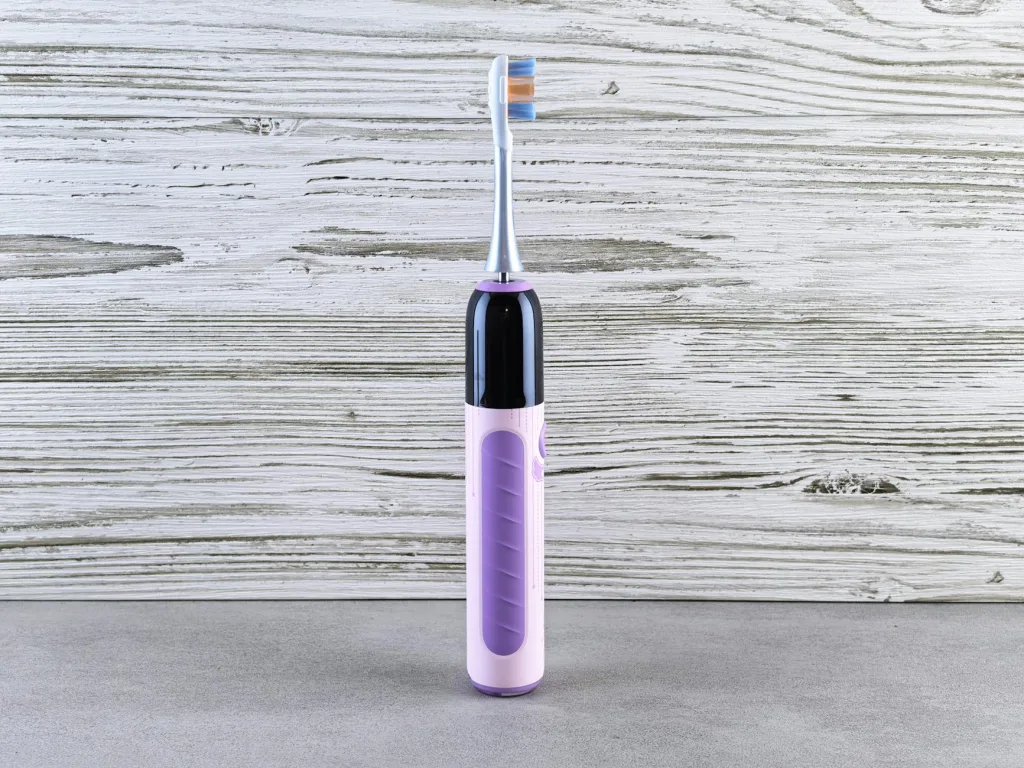
Electric toothbrushes have become a game-changer for oral health in New Zealand, and the science backs it up. If you're still brushing with a manual toothbrush, you might be missing out on significant...
Daniel covers technology, cybersecurity, and small business topics for Lifetimes NZ. He breaks down tech news and digital trends for a general audience.
Electric toothbrushes have become a game-changer for oral health in New Zealand, and the science backs it up. If you're still brushing with a manual toothbrush, you might be missing out on significant benefits that could transform your dental health. Let's explore why dentists across the country are recommending electric toothbrushes and how to choose the right one for your whānau.
The Science: Why Electric Toothbrushes Win
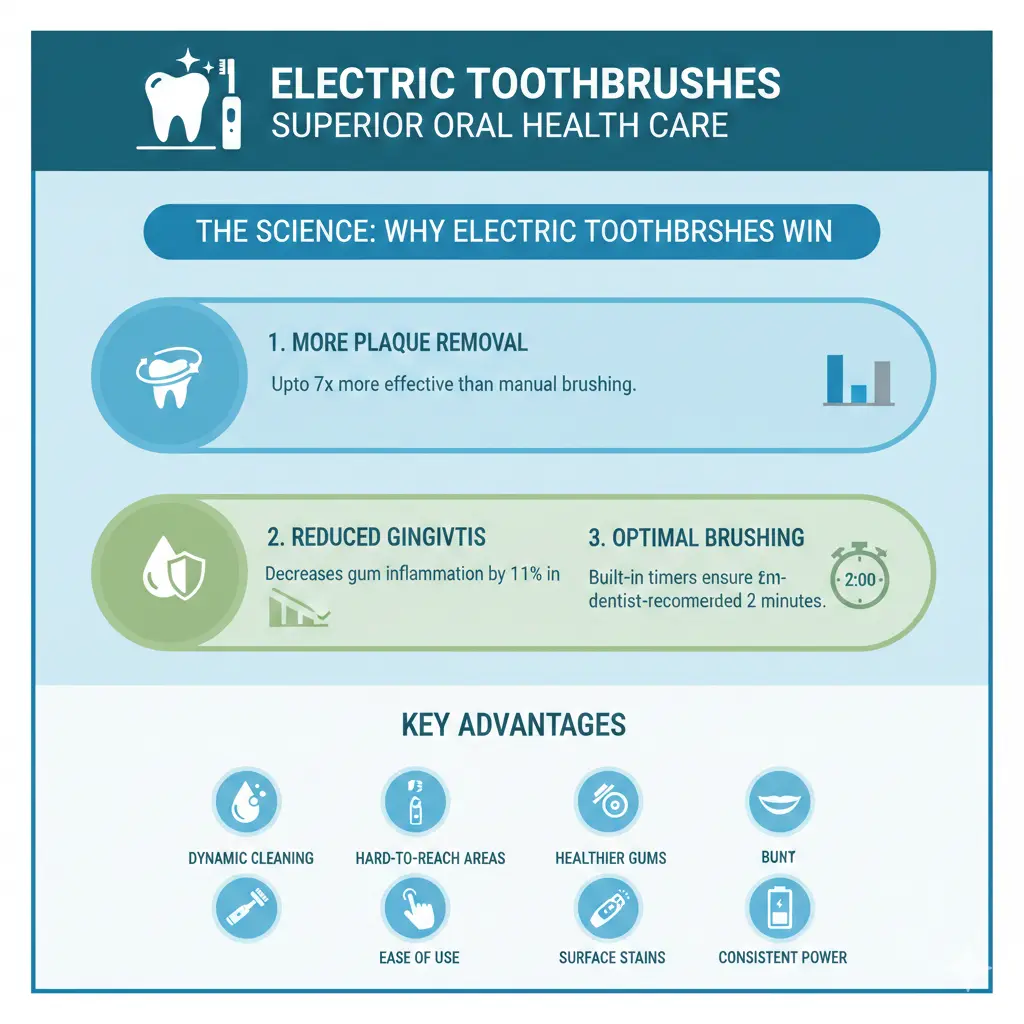
The evidence for electric toothbrushes is compelling. A groundbreaking 11-year study published in the Journal of Clinical Periodontology—the longest research of its kind—found that electric toothbrush users experienced 22% less gum recession and 18% less tooth decay compared to manual toothbrush users. The study also revealed that electric toothbrush users kept more of their teeth over time and had 21% less plaque buildup.
According to the Oral Health Foundation, electric toothbrushes are significantly more effective at removing plaque, particularly those with oscillating heads that rotate in both directions. Research shows electric toothbrushes are about 10-20% more effective at removing plaque than manual toothbrushes, with smart features on newer models potentially pushing this advantage even higher.
How Electric Toothbrushes Work
Oscillating-Rotating Technology
These are the most common electric toothbrushes and are considered the "gold standard." They use rapid back-and-forth motions to remove plaque effectively and are particularly good for focused cleaning. Brands like Oral-B are well-known for this technology.
Sonic Vibration Technology
Sonic toothbrushes use high-frequency vibrations—typically 30,000 to 60,000 strokes per minute—to create tiny bubbles in toothpaste and saliva. This allows the brush to clean beyond where the bristles physically reach, making them excellent for deeper cleaning between teeth. Popular brands include Philips Sonicare and Burst.
Ultrasonic Technology
The most advanced option, ultrasonic toothbrushes vibrate at incredibly high frequencies (1.6 MHz or over 190 million movements per minute) and don't rely on physical scrubbing. They're ideal for people with gum disease or extremely sensitive teeth.
Key Benefits of Electric Toothbrushes
Electric toothbrushes offer numerous advantages over manual brushing:
- Better plaque removal: More reliable and consistent cleaning action
- Improved gum health: Reduces gum recession and gum disease risk
- Built-in timers: Help you meet the recommended two-minute brushing time
- Pressure sensors: Prevent you from brushing too hard and damaging gum tissue
- Multiple brushing modes: Options for sensitive teeth, deep cleaning, and gum care
- Gentler on teeth: When used correctly, they're actually gentler than aggressive manual brushing
- Easier for children: Many kids enjoy the buzzing sensation and brush more consistently
- Accessibility for mobility issues: A lifesaver for people with arthritis, Parkinson's, carpal tunnel, or stroke recovery
Electric Toothbrushes in New Zealand: What's Available and Affordable
One common concern about electric toothbrushes is cost, but they're more accessible than ever. In New Zealand, you can find quality options at various price points:
- Budget-friendly options: Basic models start from around $50 NZD
- Mid-range models: The Bitvae D2, available through New Zealand retailers, offers advanced features like sonic vibration technology, five brushing modes, and an impressive 30-day battery life for under $70 NZD
- Premium options: The Oral-B Triumph with SmartGuide (which tells you if you're brushing correctly) costs around $160 NZD and includes three brush heads and a two-year guarantee
Here's a smart money-saving tip: once you've purchased an electric toothbrush, you only need to replace the brush head every three months, which costs just $8 per head. For families, you can buy one brush with colour-coded replacement heads for each family member, making it even more economical.
Who Should Use an Electric Toothbrush?
While electric toothbrushes benefit most people, they're especially beneficial if you:
- Have gingivitis or gum sensitivity
- Brush too hard with a manual brush
- Struggle with consistent brushing technique
- Wear braces, implants, or other dental appliances
- Have mobility limitations such as arthritis or other physical challenges
- Want to improve your overall oral health and reduce tooth decay risk
Choosing the Right Electric Toothbrush for You
Not all electric toothbrushes are the same. When selecting one, consider:
- Comfort: Does it fit comfortably in your hand? Does the head fit easily in your mouth?
- Brush head design: Oscillating models have small, round heads; sonic models often have larger, rectangular heads
- Brushing modes: More modes (5+ is ideal) give you options for different cleaning needs
- Battery life: Look for models with at least 20-30 days of battery life
- Replaceable heads: This reduces waste and ongoing costs
- Water resistance: Waterproof designs are more durable and easier to clean
- Professional approval: Look for ADA-approved models for added assurance
Making the Switch: Your Next Steps
If you're ready to improve your oral health, switching to an electric toothbrush is a practical investment. Start by assessing your needs: Do you have sensitive gums? Limited mobility? Are you looking for maximum plaque removal? Once you've identified your priorities, visit a local New Zealand dental retailer or check online options like those available through Zulfees or David Marriott Dental.
Remember, whether you choose a budget-friendly $50 model or invest in a premium option, you'll be making a choice backed by over a decade of scientific research. Your teeth and gums will thank you.
Frequently Asked Questions
Sources & References
-
1
Electric Toothbrushes Win the Head-to-Head Against Manual in Record-Breaking New Study — www.implantdentist.co.nz
-
2
Electric Toothbrush NZ | Brushing Your Teeth — www.team-dental.co.nz
-
3
Best Electric Toothbrush NZ Tried-Tested for Healthier Teeth — zulfees.co.nz
-
4
Electric Toothbrush Benefits — www.supremedentalconcepts.co.nz
-
5
Electric Toothbrushes — www.davidmarriottdental.co.nz
-
6
Electric Toothbrush vs Manual: Which Is Better for Gum Health? — www.trioteeth.co.nz
-
7
Are Fancy Electric Toothbrushes Better Than Basic Toothbrushes? — www.nzherald.co.nz
Related Articles

iPad Pro: Premium Tablet for Creative Professionals
If you're a creative professional in New Zealand looking for a tablet that can handle demanding work, the iPad Pro with the M5 chip might be exactly what you need. Whether you're editing videos, desig...
Handheld Vacuum Cleaners: Quick Cleanup Solutions
Handheld vacuum cleaners have become essential tools for Kiwi households, offering quick cleanup solutions without the hassle of dragging out a full-size vacuum. Whether you're dealing with crumbs on...

French Door Refrigerators in NZ: Luxury Cooling with Style
If you're looking to upgrade your kitchen with a stylish and spacious refrigerator, a French door fridge might be exactly what you need. These elegant appliances have become increasingly popular in Ne...

Chest Freezers in New Zealand: Bulk Storage for Rural Properties
If you're living on a rural property in New Zealand, a chest freezer isn't just a convenience—it's a practical investment for storing homekill, bulk meat purchases, garden produce, and fish. Whether y...