Gas Cooktops: Precise Temperature Control for Cooking
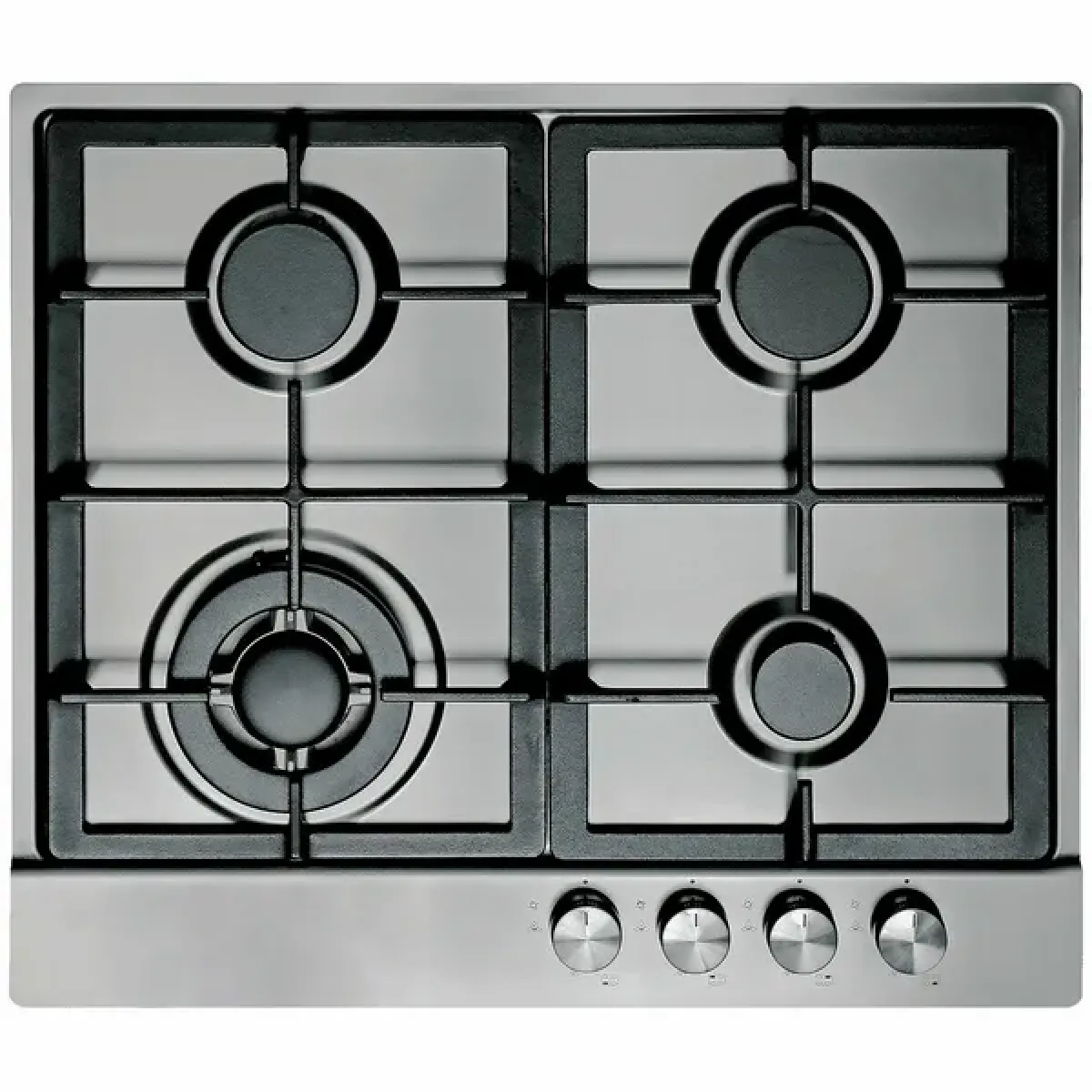
If you're serious about cooking, you already know that temperature control is everything. Whether you're searing a steak, simmering a delicate sauce, or stir-frying vegetables, the ability to adjust h...
Daniel covers technology, cybersecurity, and small business topics for Lifetimes NZ. He breaks down tech news and digital trends for a general audience.
If you're serious about cooking, you already know that temperature control is everything. Whether you're searing a steak, simmering a delicate sauce, or stir-frying vegetables, the ability to adjust heat instantly and precisely separates a good meal from a great one. That's why gas cooktops remain the preferred choice for professional chefs and home cooks alike across New Zealand – and it all comes down to their superior temperature control.
Why Gas Cooktops Deliver Superior Temperature Control
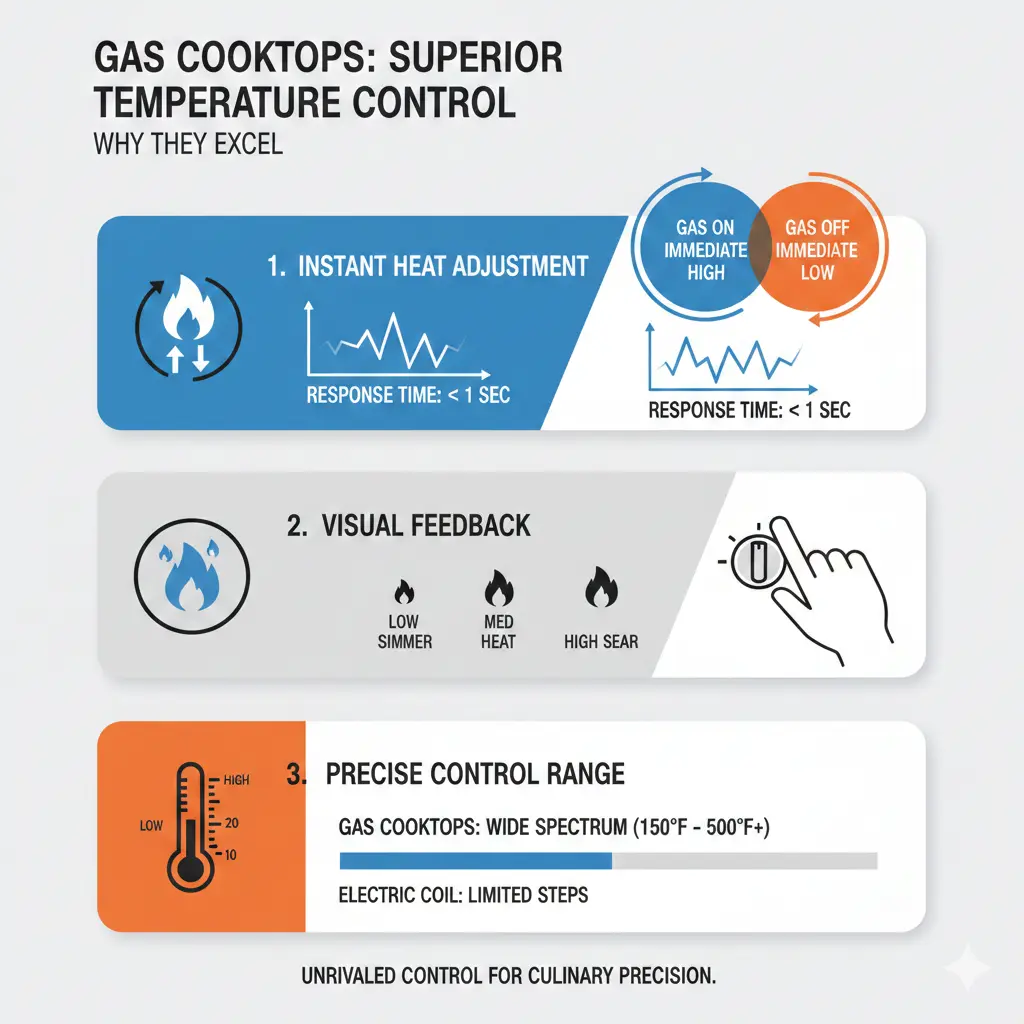
Gas cooktops offer something that other cooking methods simply can't match: instant, responsive heat adjustment. When you turn the dial up, heat flows immediately to your cookware. When you turn it down or off, the heat stops just as quickly. There's no waiting for coils to heat up or cool down, and no lag between your adjustment and the result on the stovetop.
This responsiveness is crucial in any kitchen. Professional chefs understand this better than anyone – 94% of restaurants in New Zealand use gas in their commercial kitchens, with operators citing "fast cooking, efficiency, consistency, and better control when cooking" as the key reasons. In fact, 90% of restaurateurs surveyed believe that losing access to an open flame would negatively impact the quality of food they serve.
The visible flame provides a clear visual indicator of heat level, making it easier for you to gauge and adjust temperature on the fly. You can see exactly how much heat you're applying, which is particularly valuable when you're learning to cook or tackling unfamiliar recipes.
Key Advantages of Gas Cooktops for Home Cooks
Versatility with Cookware
Gas cooktops work with virtually any cookware. Unlike induction cooktops, which require magnetic-compatible pans, gas cooktops can accommodate various cookware types, including those with uneven bottoms. Whether you're using your grandmother's cast iron skillet, a wok for stir-fries, or specialty cookware, gas handles it all.
Reliability During Power Outages
Here in New Zealand, where weather events can occasionally disrupt power supply, gas cooktops with manual ignition offer genuine peace of mind. You can still cook during power outages, assuming your cooktop has manual ignition capability. This reliability makes gas an attractive option for many Kiwi households.
Cost-Effective Operation
Running costs matter, especially over time. Gas cooktops are significantly more economical to operate than their induction counterparts. The average annual cost of running a gas cooktop in New Zealand is about $122.64, compared to induction cooktops at $41.98. However, it's worth noting that gas rates vary across the country depending on your location and energy provider, so your actual costs may differ.
Installation and Setup Considerations
Before choosing a gas cooktop, you'll need to consider installation costs and your kitchen setup. If you already have a gas line available, installation typically costs between $200 and $800. However, if you don't have mains gas access, you'll need to arrange bottled gas supply, which adds ongoing hassle and maintenance.
For comparison, induction cooktops require electrical upgrades in many cases, with installation costs averaging between $950 and $2,000. This makes gas cooktops generally more affordable to install, though your specific situation depends on your kitchen's existing infrastructure.
Maintenance and Cleaning
One trade-off with gas cooktops is that they're more difficult to clean than induction or ceramic options. The grates, burners, and surrounding areas require regular attention to maintain their appearance and function. If easy cleaning is a priority for you, this is worth considering.
Finding the Right Gas Cooktop in New Zealand
New Zealand retailers offer excellent selection and support for gas cooktops. Major appliance retailers including Noel Leeming, 100% Home, Harvey Norman, and specialist retailers like Miele stock a wide range of options from leading brands including Fisher & Paykel, Smeg, and Miele.
When shopping, look for features that enhance your cooking experience:
- Multiple burner sizes for different cooking tasks
- Wok burners for Asian cooking techniques
- Automatic electronic ignition (safer and more convenient than manual ignition)
- Durable cast iron trivets that can handle heavy cookware
- Easy-to-use controls with clear temperature indicators
Premium brands like Miele emphasise precision engineering, with intuitive controls and innovative features designed to streamline the cooking process while maintaining exceptional performance.
Gas Cooktops vs. Other Options
While induction cooktops offer faster heating and superior energy efficiency, they come with higher purchase and installation costs, won't work during power outages, and require compatible cookware. Ceramic electric cooktops are a middle ground – they work with standard cookware and have smooth, easy-to-clean surfaces, but lack the instant temperature control and visual feedback that gas provides.
Combination cooktops that merge gas and induction in one unit offer flexibility if you want the best of both worlds, though they're more expensive and complex.
Making Your Choice
If precise temperature control, instant heat response, and cooking versatility are your priorities, a gas cooktop is an excellent investment for your Kiwi kitchen. They're particularly well-suited if you already have gas access, enjoy cooking techniques that benefit from visible flame control, or want a reliable option that works during power outages.
Start by checking whether mains gas is available at your address – you can verify this with your local gas supplier. Then visit retailers like Noel Leeming, 100% Home, or Harvey Norman to see models in person and discuss installation options specific to your kitchen layout. Many retailers offer in-store demonstrations, which can help you understand the features that matter most for your cooking style.
Frequently Asked Questions
Sources & References
-
1
Induction or Gas Cooktops: The Pros and Cons in 2024 — ArchiPro — archipro.co.nz
-
2
Gas Cooktops — 100% Home New Zealand — www.100percent.co.nz
-
3
Gas Cooktops & Stoves For Sale Online in NZ — Noel Leeming — www.noelleeming.co.nz
-
4
Gas Cooktops — Miele New Zealand Online Shop — shop.miele.co.nz
-
5
Contemporary Cooktops — Fisher & Paykel New Zealand — www.fisherpaykel.com
-
6
Why do chefs love cooking with gas? — Firstgas — firstgas.co.nz
-
7
Shop Cooktops — Harvey Norman New Zealand — www.harveynorman.co.nz
Useful Tools
Related Articles

iPad Pro: Premium Tablet for Creative Professionals
If you're a creative professional in New Zealand looking for a tablet that can handle demanding work, the iPad Pro with the M5 chip might be exactly what you need. Whether you're editing videos, desig...
Handheld Vacuum Cleaners: Quick Cleanup Solutions
Handheld vacuum cleaners have become essential tools for Kiwi households, offering quick cleanup solutions without the hassle of dragging out a full-size vacuum. Whether you're dealing with crumbs on...

French Door Refrigerators in NZ: Luxury Cooling with Style
If you're looking to upgrade your kitchen with a stylish and spacious refrigerator, a French door fridge might be exactly what you need. These elegant appliances have become increasingly popular in Ne...
Chest Freezers in New Zealand: Bulk Storage for Rural Properties
If you're living on a rural property in New Zealand, a chest freezer isn't just a convenience—it's a practical investment for storing homekill, bulk meat purchases, garden produce, and fish. Whether y...