Induction Cooktops: Fast and Energy-Efficient Cooking
If you're thinking about upgrading your kitchen, induction cooktops might be exactly what you're looking for. They're faster than traditional cooking methods, incredibly energy-efficient, and they're...
Daniel covers technology, cybersecurity, and small business topics for Lifetimes NZ. He breaks down tech news and digital trends for a general audience.
If you're thinking about upgrading your kitchen, induction cooktops might be exactly what you're looking for. They're faster than traditional cooking methods, incredibly energy-efficient, and they're becoming the go-to choice for Kiwi homes. Whether you're building a new kitchen or replacing an old gas cooktop, understanding how induction technology works and what it can save you is worth your time.
What Are Induction Cooktops and How Do They Work?
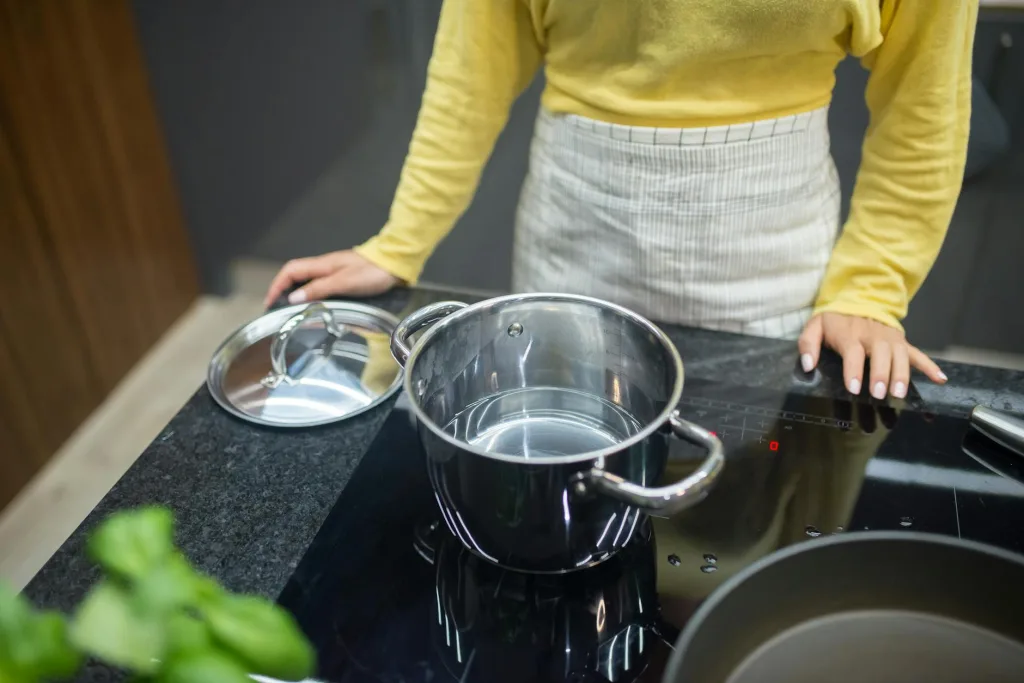
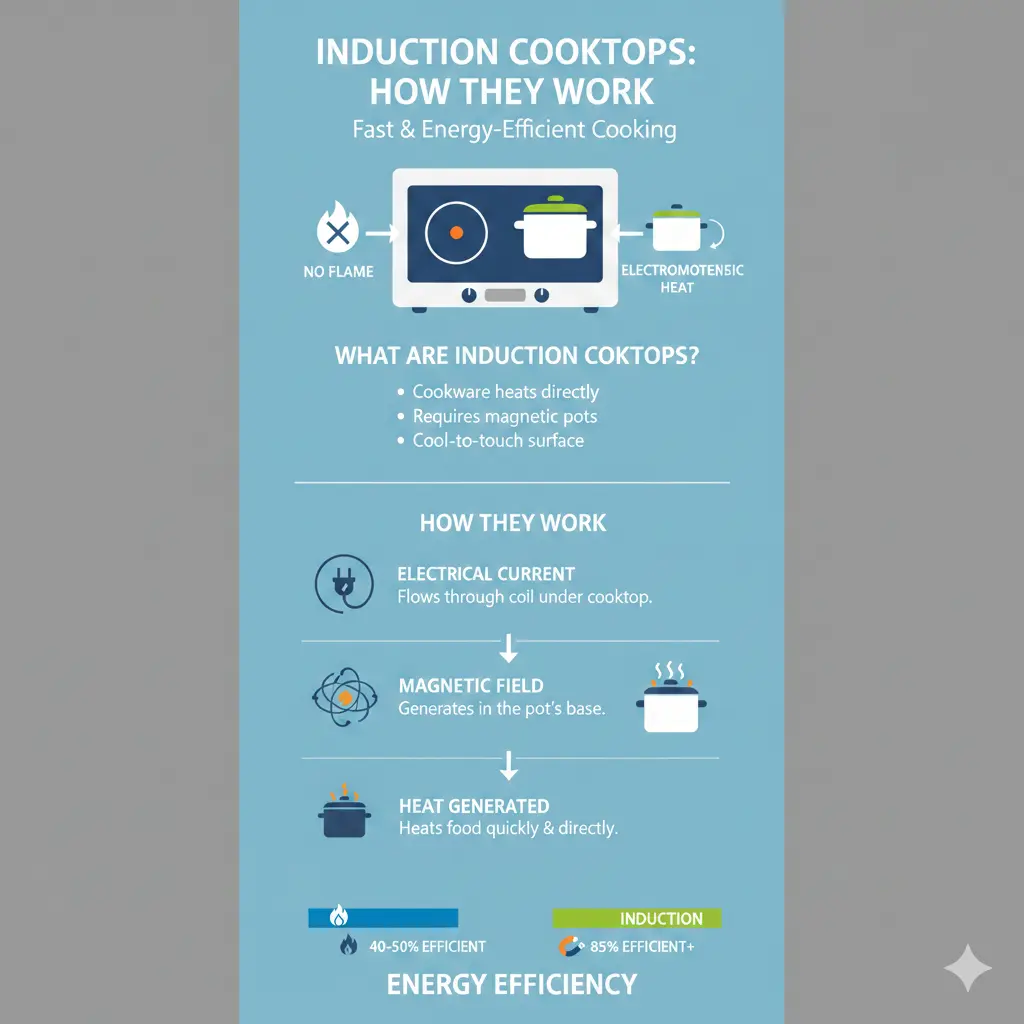
Induction cooktops use electromagnetic fields to heat your cookware directly, rather than heating an element or open flame. This means the cooktop surface itself stays cool—only your pan gets hot. It's a completely different approach to cooking compared to gas or traditional electric cooktops, and it's transforming how Kiwis prepare meals.
The technology is straightforward but clever: when you place magnetic cookware on the surface, an electromagnetic field is generated, and heat is produced directly in the pan. This direct energy transfer is what makes induction so efficient and responsive.
Energy Efficiency: The Big Advantage
Induction cooktops are the most energy-efficient cooking option on the market. Here's why that matters for your power bill and the environment:
- Induction cooktops have an efficiency rating of 85–90%, meaning 85–90% of the energy goes directly into your cookware
- Gas cooktops, by comparison, operate at only around 30–40% efficiency
- Electric cooktops (including induction and ceramic) are typically twice as efficient as gas or LPG options
- The average household could save around $17 per year on energy costs by switching to an induction cooktop
Since New Zealand's electricity grid is powered by 80–85% renewable energy sources, induction cooktops are also one of the lowest-emissions cooking options available. Over 15 years, an induction cooktop can save around 2,000 kg of emissions compared to gas or LPG.
Speed and Performance: Cook Faster
One of the most noticeable differences you'll feel when using an induction cooktop is how quickly it heats. Studies show induction cooktops can boil water 20–40% faster than electric resistance or gas cooktops.
This speed comes down to how the technology works. Because heat is generated directly in the pan rather than transferred through an element or flame, there's no lag time. You get instantaneous, precise temperature control. This means:
- Faster meal prep times
- Instant response when you adjust the heat settings
- Precise control for delicate cooking (like sauces or custards) or high-heat searing
- The ability to switch between gentle simmering and rapid boiling instantly
Safety and Ease of Cleaning
For families with young children or anyone prioritising kitchen safety, induction cooktops offer real peace of mind. The ceramic surface stays cool to the touch except where your cookware is placed. This significantly reduces the risk of accidental burns.
Many induction models also come with safety features like automatic shut-off if no pan is detected or if a pan boils dry. Cleaning is easier too—since the surface doesn't get hot, spills won't bake on, making wiping down quick and simple.
The Cost Question: What You'll Pay
Upfront Investment
The initial cost of an induction cooktop is higher than traditional options. In New Zealand, you can expect to pay:
- Built-in induction cooktops: Around $2,980 including purchase price and professional installation
- Portable induction cooktops: $50–$200 NZD
- Range: Generally $800–$3,000+ depending on brand, size, and features
If your home needs an electrical upgrade to support the cooktop, you may need a dedicated 32-amp circuit or three-phase upgrade. Always consult a licensed electrician before installation. However, newer low-current induction cooktops can sometimes use existing circuits by strategically directing energy.
Long-Term Savings
While the upfront cost is higher, the long-term benefits can offset this difference. The energy savings, faster cooking times, and reduced maintenance costs add up over time. And if you have rooftop solar panels installed, induction becomes even more cost-effective.
Most induction cooktops have a lifespan of around 15 years, and quality cookware can last decades with proper care.
Important Considerations Before You Buy
Cookware Compatibility
Not all cookware works with induction cooktops. You'll need pans that are magnetic—typically stainless steel or cast iron. Non-magnetic materials like copper or aluminium won't work unless they have a magnetic base. This is a one-off investment, but good cookware lasts for years.
Electrical Requirements
High-wattage induction cooktops typically require a dedicated circuit or upgraded fuse (usually 32 amps in New Zealand). Before installation, always consult a licensed electrician to check if your home's electrical system can handle it. Some newer models use lower-current technology and may work with existing circuits.
Medical Considerations
If you have a pacemaker or other implanted medical device, consult your doctor before using an induction cooktop. Some users have reported electromagnetic interference with certain electronic devices.
Learning Curve
If you're used to cooking with gas, there may be a slight learning curve with induction. However, most people quickly adapt and appreciate the precision and responsiveness of the technology.
New Zealand's Move Towards Induction
New Zealand is increasingly supporting the shift to induction cooking as part of broader climate goals. The Climate Change Commission has recommended that the government set a date for banning gas cooktop installations in new homes from 2025, aligning with New Zealand's plan to become carbon-neutral by 2050.
Several Australian states, including Victoria and the ACT, have already introduced legislation banning gas cooktops in new builds, signalling the direction the region is heading.
Making the Switch
If you're ready to upgrade your kitchen, induction cooktops offer a compelling combination of speed, efficiency, safety, and environmental benefits. The upfront cost is higher than traditional options, but the long-term savings and performance gains make them a smart investment for most Kiwi homes.
Before you buy, check your home's electrical capacity with a licensed electrician, and make sure you have or are willing to invest in compatible cookware. If you're building a new home or planning a kitchen renovation, induction is definitely worth serious consideration—especially as New Zealand moves towards phasing out gas cooktops in new builds.
Frequently Asked Questions
Sources & References
-
1
Induction cooktops — energy efficient cooking | EECA — www.eeca.govt.nz
-
2
A new flame: The future of induction cooking - HOME Magazine — homemagazine.nz
-
3
Introducing Haier's New Low-Current Induction Cooktops — www.haier.co.nz
-
4
Power up your cooking - Cuisine Magazine — www.cuisine.co.nz
-
5
Gas vs Induction: Which Cooktop Wins in Today's Kitchen? — aucklandhomeshow.co.nz
-
6
Gas vs Induction Cooktops: The Ultimate Comparison Guide — folders.co.nz
-
7
Unveiling the Magnetic Magic of Induction Cooktops - 100% Home — www.100percent.co.nz
Useful Tools
Related Articles

iPad Pro: Premium Tablet for Creative Professionals
If you're a creative professional in New Zealand looking for a tablet that can handle demanding work, the iPad Pro with the M5 chip might be exactly what you need. Whether you're editing videos, desig...
Handheld Vacuum Cleaners: Quick Cleanup Solutions
Handheld vacuum cleaners have become essential tools for Kiwi households, offering quick cleanup solutions without the hassle of dragging out a full-size vacuum. Whether you're dealing with crumbs on...

French Door Refrigerators in NZ: Luxury Cooling with Style
If you're looking to upgrade your kitchen with a stylish and spacious refrigerator, a French door fridge might be exactly what you need. These elegant appliances have become increasingly popular in Ne...
Chest Freezers in New Zealand: Bulk Storage for Rural Properties
If you're living on a rural property in New Zealand, a chest freezer isn't just a convenience—it's a practical investment for storing homekill, bulk meat purchases, garden produce, and fish. Whether y...