Multi Cookers: All-in-One Cooking Appliances
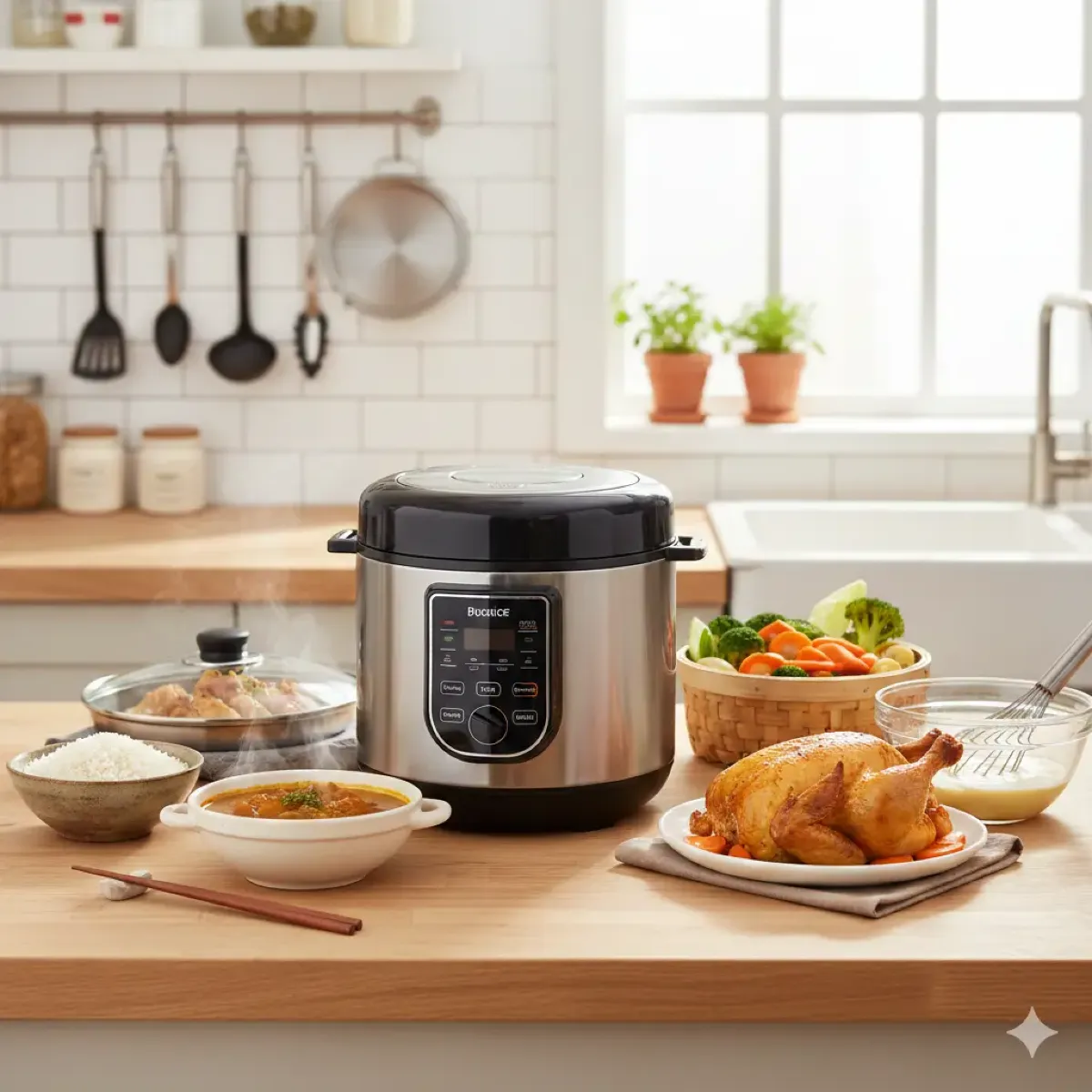
If you're looking to streamline your kitchen and cut down on cooking time, a multi-cooker might be exactly what you need. These versatile appliances combine multiple cooking methods into one compact u...
Daniel covers technology, cybersecurity, and small business topics for Lifetimes NZ. He breaks down tech news and digital trends for a general audience.
If you're looking to streamline your kitchen and cut down on cooking time, a multi-cooker might be exactly what you need. These versatile appliances combine multiple cooking methods into one compact unit, making them an excellent investment for busy Kiwi households. Whether you're pressure cooking a quick weeknight dinner, slow-cooking a hearty stew, or air-frying your favourite snacks, multi-cookers deliver convenience, efficiency, and impressive results.
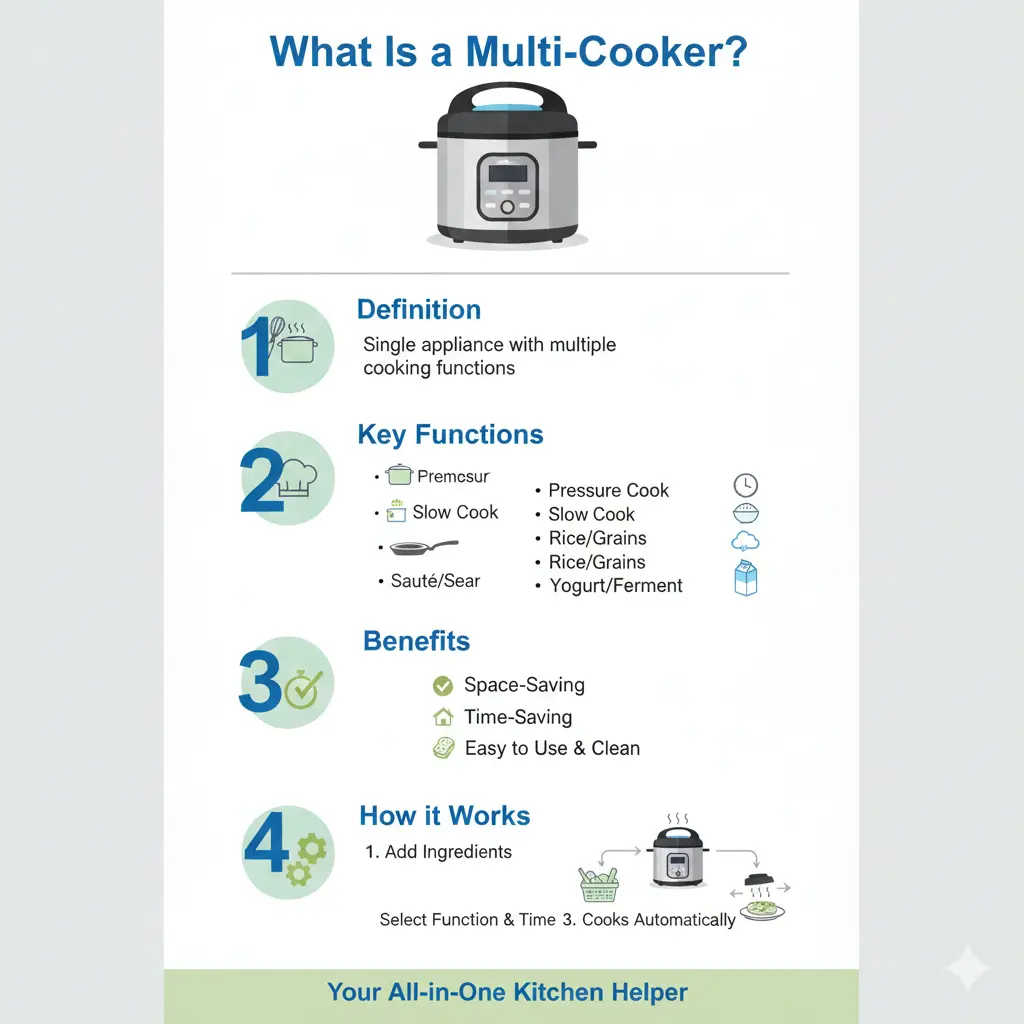
What Is a Multi-Cooker?
A multi-cooker is an all-in-one kitchen appliance that combines several cooking functions into a single unit. Rather than cluttering your bench with separate appliances, a multi-cooker can handle pressure cooking, slow cooking, steaming, sautéing, air frying, baking, and more—often offering up to 15 different functions depending on the model.
The beauty of multi-cookers lies in their versatility and space-saving design. They're particularly popular in New Zealand homes where kitchen space is often at a premium. By consolidating multiple appliances into one, you'll free up valuable bench and storage space whilst maintaining the ability to cook a wide variety of meals.
Key Cooking Functions Explained
Understanding what each function does will help you choose the right multi-cooker for your household:
- Pressure cooking: Uses steam to cook food quickly—ideal for risottos, casseroles, and tough cuts of meat that would normally take hours. You can cook meals up to 70% faster than traditional stovetop methods.
- Slow cooking: Perfect for stews, soups, and tender pulled meats. This is one of the most common multi-cooker features and allows you to prepare meals throughout the day.
- Air frying: Achieves golden, crispy results without oil—ideal for classics like chicken and chips.
- Steaming: A healthy cooking method that locks in key nutrients for vegetables and fish.
- Sautéing: Allows you to sear and brown meat before pressure cooking, creating flavourful, caramelised dishes.
- Baking: Some models can bake cakes and even bread without turning on your oven.
- Roasting: Useful if you often run out of oven space when cooking your Sunday roast.
Why Invest in a Multi-Cooker?
Save Time and Energy
Multi-cookers are significantly faster than conventional cooking methods. Pressure cooking can reduce cooking time by up to 70% compared to traditional stovetop methods. This means you'll spend less time in the kitchen and more time with your whānau. Additionally, using a single appliance with one pot consumes considerably less energy than using multiple burners, which translates to lower power bills—a welcome saving for most New Zealand households.
Cost-Effective Cooking
Multi-cookers are often cheaper to run than conventional ovens, and their versatility means you're less likely to need multiple single-purpose appliances. This makes them a smart financial investment for your home. Over time, the energy savings and reduced need to purchase separate gadgets will pay dividends.
Space-Saving Design
For Kiwi homes where bench space is precious, multi-cookers are game-changers. A single unit replaces several appliances, freeing up valuable storage and counter space. You won't need a separate slow cooker, air fryer, rice cooker, and pressure cooker cluttering your kitchen.
Easy to Use
Modern multi-cookers feature simple digital control panels and pre-programmed settings. You can simply select your cooking function, set the temperature or time, and let the appliance do the work. Many models include handy timers and keep-warm functions, so you don't need to hover over your food or worry about it getting cold.
Popular Multi-Cooker Models
Several highly-rated models are available to Kiwi consumers:
- Ninja Foodi: Features an 11-in-1 configuration with a 6-litre capacity, ideal for couples and small families. Its combo-steam technology allows you to cook all elements of your meal simultaneously.
- Instant Pot: Available in multiple variants with 10 cooking methods and generous capacity. These are well-suited to those already familiar with the brand or wanting Wi-Fi connectivity for remote monitoring.
- Breville Fast Slow Pro: Known for excellent steaming performance and a ceramic nonstick coating that's easy to clean.
- Zavor LUX LCD: Rated highly for pressure-cooking, steaming, and slow-cooking, with a stainless steel insert for durability.
- Tefal Cook4me Touch: Offers pressure cooking, steaming, and stir-frying capabilities with app connectivity to monitor cooking progress remotely.
Choosing the Right Multi-Cooker for Your Household
When selecting a multi-cooker, consider these factors:
- Capacity: Think about how many people you typically cook for. A 6-litre capacity suits couples and small families, whilst larger households may need 7.5 litres or more.
- Functions: Identify which cooking methods you'll actually use. If you love air-fried food, ensure the model has a quality air-fry function. If slow cooking is your thing, check that it has excellent reviews for that feature.
- Ease of use: Look for models with intuitive controls and clear digital displays. Some have smartphone apps for remote monitoring, though this may not be essential for everyone.
- Durability: Stainless steel inserts tend to be more durable than nonstick-coated versions.
- Price: Multi-cookers range from budget-friendly to premium models. Consider your budget and how frequently you'll use the appliance.
Making the Most of Your Multi-Cooker
Once you've invested in a multi-cooker, here are some tips for getting the best results:
- Take time to familiarise yourself with the control panel and available functions. Don't be intimidated by advanced models—they're designed to be user-friendly.
- Start with simple recipes to build confidence, then gradually explore more complex dishes.
- Use the sauté function to brown meat before pressure cooking for deeper, more flavourful results.
- Experiment with different functions to discover your favourites. You might find slow cooking is perfect for your lifestyle, or you might become an air-frying enthusiast.
- Keep the user manual handy for reference, and don't hesitate to check the manufacturer's website for recipe ideas and troubleshooting tips.
Your Next Step
If you're ready to simplify your cooking routine and save time and money in the kitchen, a multi-cooker is a worthwhile investment. Start by identifying which cooking functions matter most to you, then research models that excel in those areas. Read reviews from trusted sources, compare capacities and features, and choose one that fits your budget and household needs. With the right multi-cooker on your bench, you'll be serving up delicious, nutritious meals faster than ever before.
Frequently Asked Questions
Sources & References
-
1
Best multi-cookers 2026: tried, tested and top-rated by experts — www.bbcgoodfood.com
-
2
10 best multi-cookers 2026 UK — www.goodhousekeeping.com
- 3
-
4
Ninja Instant Cooker Review - A 2026 Deep Dive — www.southernplate.com
-
5
Top 5 Best Pressure Cookers Of 2026 — www.youtube.com
-
6
Best Multi-Cookers of 2026, Tested and Reviewed — www.consumerreports.org
Useful Tools
Related Articles

iPad Pro: Premium Tablet for Creative Professionals
If you're a creative professional in New Zealand looking for a tablet that can handle demanding work, the iPad Pro with the M5 chip might be exactly what you need. Whether you're editing videos, desig...
Handheld Vacuum Cleaners: Quick Cleanup Solutions
Handheld vacuum cleaners have become essential tools for Kiwi households, offering quick cleanup solutions without the hassle of dragging out a full-size vacuum. Whether you're dealing with crumbs on...

French Door Refrigerators in NZ: Luxury Cooling with Style
If you're looking to upgrade your kitchen with a stylish and spacious refrigerator, a French door fridge might be exactly what you need. These elegant appliances have become increasingly popular in Ne...
Chest Freezers in New Zealand: Bulk Storage for Rural Properties
If you're living on a rural property in New Zealand, a chest freezer isn't just a convenience—it's a practical investment for storing homekill, bulk meat purchases, garden produce, and fish. Whether y...