Slow Cookers: Set-and-Forget Meals for Busy Days
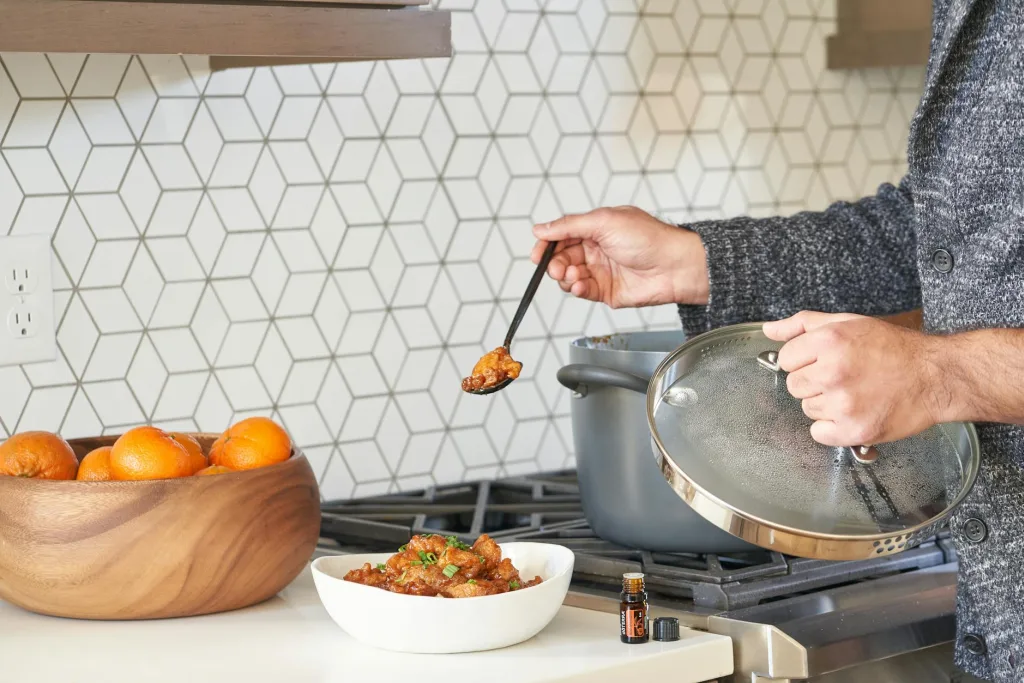
Imagine coming home after a long day shuttling kids to rugby practice or tackling that endless to-do list, only to be greeted by the irresistible aroma of a tender beef casserole or a hearty vegetable...
Daniel covers technology, cybersecurity, and small business topics for Lifetimes NZ. He breaks down tech news and digital trends for a general audience.
Imagine coming home after a long day shuttling kids to rugby practice or tackling that endless to-do list, only to be greeted by the irresistible aroma of a tender beef casserole or a hearty vegetable stew—ready to serve without you lifting a finger. That's the magic of slow cookers, the ultimate set-and-forget solution for busy Kiwis juggling work, whānau, and everything in between.
In New Zealand's fast-paced world, where we're often racing between commutes in Auckland traffic or school runs in Christchurch, slow cookers have become a kitchen staple. They're energy-efficient, budget-friendly, and perfect for making the most of affordable local ingredients like lamb shanks from the South Island or seasonal veggies from the markets. Whether you're prepping meals on a chilly winter morning or batch-cooking for the week ahead, these appliances deliver nutritious, flavoursome results with minimal effort.
Why Slow Cookers Are a Game-Changer for Busy Kiwi Households
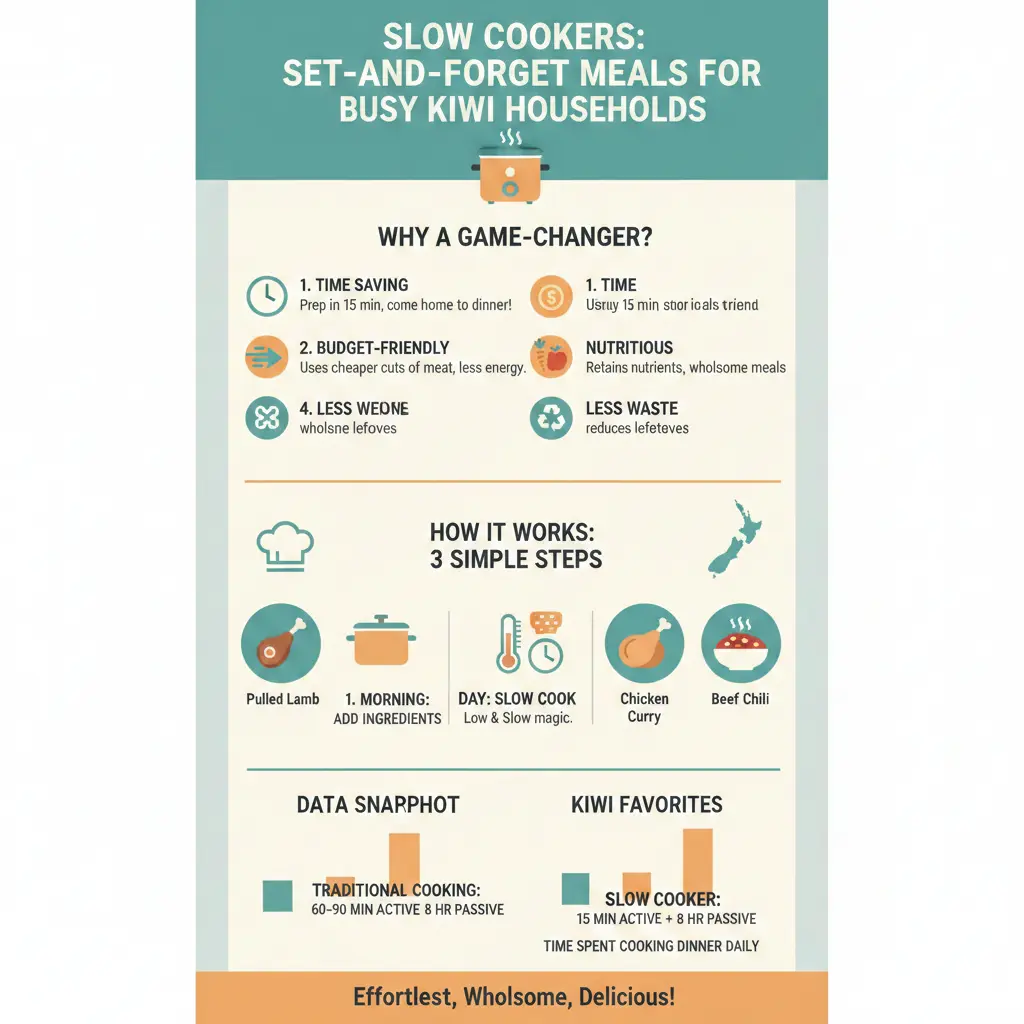
Slow cookers simmer food at low temperatures over several hours, transforming tough cuts of meat and everyday veggies into melt-in-your-mouth meals. Unlike ovens, which guzzle power, slow cookers are far more economical—ideal when electricity bills are a concern amid New Zealand's rising costs. You can set them in the morning, head off to work or the marae, and return to dinner done.
Key benefits include:
- Set-it-and-forget-it convenience: Perfect for double-income families or solo Kiwis with shift work.
- Cost savings: Cheaper to run than an oven, and great for bulk cooking to freeze leftovers—think meal prep that stretches your grocery budget.
- Nutrient retention: Low, steady heat preserves vitamins better than high-heat methods, with nutrients staying in the dish rather than boiling away.
- Energy efficiency: Uses less power overall, aligning with our Kiwi ethos of sustainability and smart living.
They're also safe for unattended use if you follow manufacturer guidelines, though it's wise to invest in one with auto-shutoff for peace of mind—especially in homes with tamariki around.
Slow Cookers vs Multi-Cookers: Which is Right for You?
Not sure if a basic slow cooker or a fancy multi-cooker suits your kitchen? Slow cookers keep things simple with low-and-slow simmering, ideal for stews and roasts. Multi-cookers add pressure cooking, sautéing, and more, but they're pricier and bulkier.
| Feature | Slow Cooker | Multi-Cooker |
|---|---|---|
| Price | Lower cost, budget-friendly for starters | Higher upfront, more features |
| Energy Use | Very efficient for long cooks | Varies by function |
| Best For | Simplicity, one-pot meals | Versatility, multiple cooking modes |
| Space | Compact, fits small NZ kitchens | Larger footprint |
For most Kiwis, a reliable slow cooker ticks the boxes without overwhelming your bench space or wallet.
Top Slow Cooker Recommendations for 2026
Popular models in New Zealand include those from trusted brands like Crock-Pot and Russell Hobbs, praised for durability and even heating. Look for removable pots for easy cleaning and programmable timers—essentials for our on-the-go lifestyles.
Delicious Kiwi-Inspired Slow Cooker Recipes
Embrace New Zealand flavours with these easy recipes using local produce. Prep takes just 15 minutes, then let your slow cooker work its magic.
Classic NZ Beef Casserole
Brown onions and garlic, add diced beef, carrots, potatoes, and a splash of Worcestershire sauce. Cook on low for 8-10 hours. Freezes beautifully for mid-week dinners.
Seafood Chowder with Hoki and Mussels
Combine frozen seafood mix, kumara, corn, and creamy base. Simmer on low for 3-4 hours—shorter time keeps seafood tender. A coastal Kiwi favourite that's impressive yet simple.
Māori-Inspired Kawakawa Vegan Stew
Layer seasonal veggies, kawakawa leaves for that unique peppery note, and lentils. Cook 5-6 hours on low. Packed with nutrients and whānau-friendly.
These recipes highlight affordable, accessible ingredients from Countdown or New World, proving slow cookers excel year-round—not just in winter.
Pro Tips for Slow Cooking Success
Master your slow cooker with these practical hacks tailored for Kiwi kitchens:
- Brown first: Sear meat and onions in a pan for deeper flavour—slow cookers don't caramelise like ovens.
- Layer smartly: Root veggies at the bottom, meat on top, liquids last to avoid sogginess.
- Thicken sauces: Cornflour slurry at the end combats watery results from condensation.
- Don't overfill: Keep it two-thirds full max for even cooking.
- Experiment boldly: Add herbs, spices, or a splash of beer for NZ craft brew vibes.
For safety, place on a heatproof mat and avoid extension cords. While generally safe unattended, check your model's guidelines—especially with rising awareness around home fire safety via Fire and Emergency NZ resources.
Health and Nutrition Boost from Slow Cooking
Beyond convenience, slow cooking enhances nutrition. Low temps retain heat-sensitive vitamins, and cooking in own juices means you eat the goodness. Tomatoes release more lycopene, meats become easier to digest, and dishes stay satisfying longer—great for managing KiwiSaver health goals or family wellbeing.
Ready to Simplify Your Kiwi Kitchen?
Slow cookers aren't just appliances—they're your secret weapon for stress-free, delicious meals that fit our busy lives. Start with a basic model from The Warehouse or Briscoes, stock up on local ingredients, and try one recipe this week. You'll wonder how you coped without it. Head to your nearest store or online for the latest 2026 models, and enjoy more time with whānau around the table.
Frequently Asked Questions
Sources & References
-
1
Best Slow Cookers 2024 - MoneyHub NZ — www.moneyhub.co.nz
-
2
Top Slow Cooker Recipes NZ | Easy & Delicious Ideas — folders.co.nz
-
3
Slow cookers are a winter wonder, here's how to make the most of yours — www.nzherald.co.nz
-
4
Slow-cooking secrets: How to master flavourful meals with ease — www.nzherald.co.nz
-
5
Slow Cooking: Nutrient Retention & Flavor Enhancement — www.miragenews.com
Related Articles

iPad Pro: Premium Tablet for Creative Professionals
If you're a creative professional in New Zealand looking for a tablet that can handle demanding work, the iPad Pro with the M5 chip might be exactly what you need. Whether you're editing videos, desig...
Handheld Vacuum Cleaners: Quick Cleanup Solutions
Handheld vacuum cleaners have become essential tools for Kiwi households, offering quick cleanup solutions without the hassle of dragging out a full-size vacuum. Whether you're dealing with crumbs on...

French Door Refrigerators in NZ: Luxury Cooling with Style
If you're looking to upgrade your kitchen with a stylish and spacious refrigerator, a French door fridge might be exactly what you need. These elegant appliances have become increasingly popular in Ne...
Chest Freezers in New Zealand: Bulk Storage for Rural Properties
If you're living on a rural property in New Zealand, a chest freezer isn't just a convenience—it's a practical investment for storing homekill, bulk meat purchases, garden produce, and fish. Whether y...