Rangehoods: Keeping Kiwi Kitchens Smoke-Free
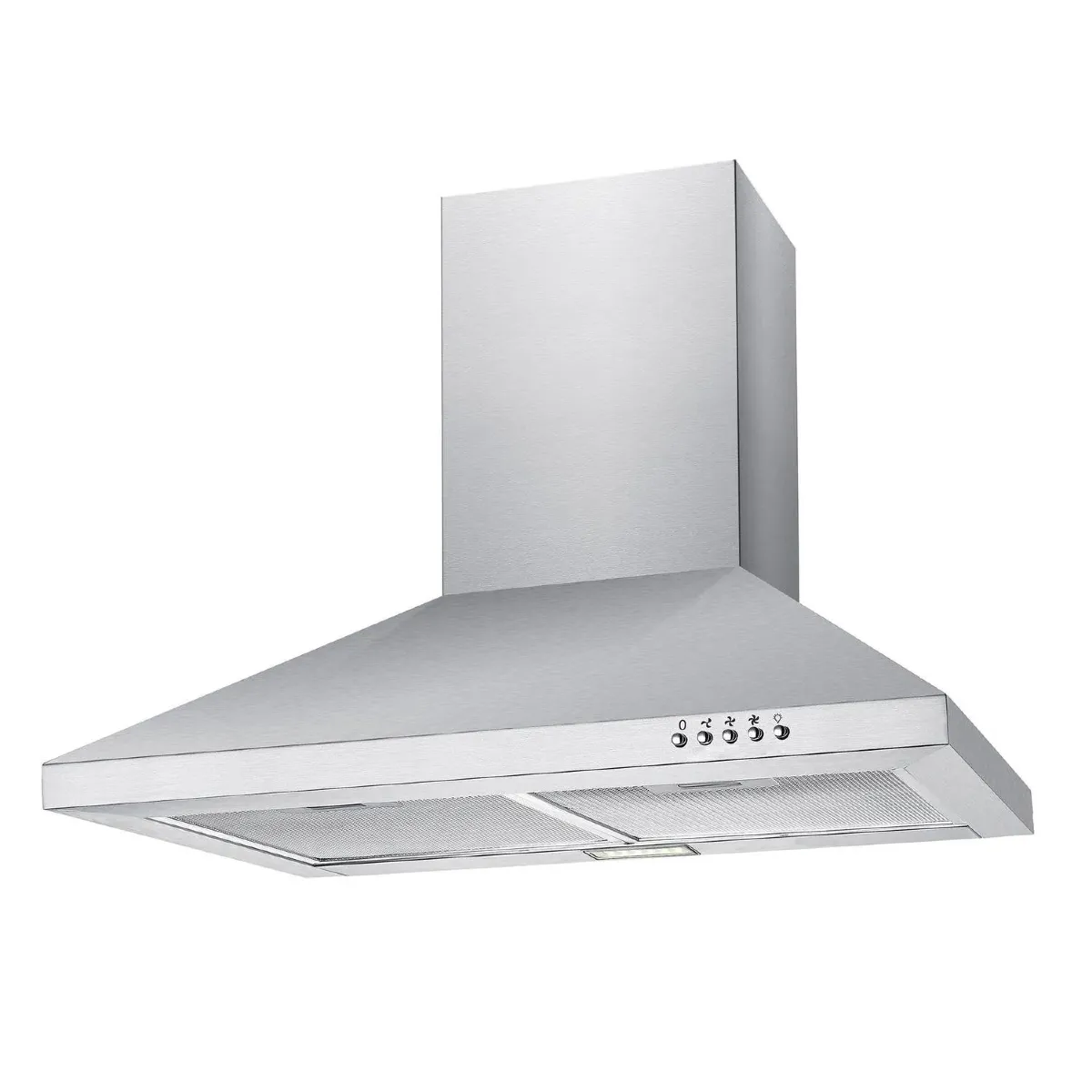
If you're cooking up a storm in your Kiwi kitchen, chances are you're dealing with steam, smoke, and cooking odours. That's where a good rangehood comes in – it's not just about keeping your kitchen s...
Daniel covers technology, cybersecurity, and small business topics for Lifetimes NZ. He breaks down tech news and digital trends for a general audience.
If you're cooking up a storm in your Kiwi kitchen, chances are you're dealing with steam, smoke, and cooking odours. That's where a good rangehood comes in – it's not just about keeping your kitchen smelling fresh, it's about maintaining a healthy home. Whether you're a renter, homeowner, or landlord, understanding rangehoods and how they fit into New Zealand's Healthy Homes Standards is essential for creating a comfortable, well-ventilated kitchen space.
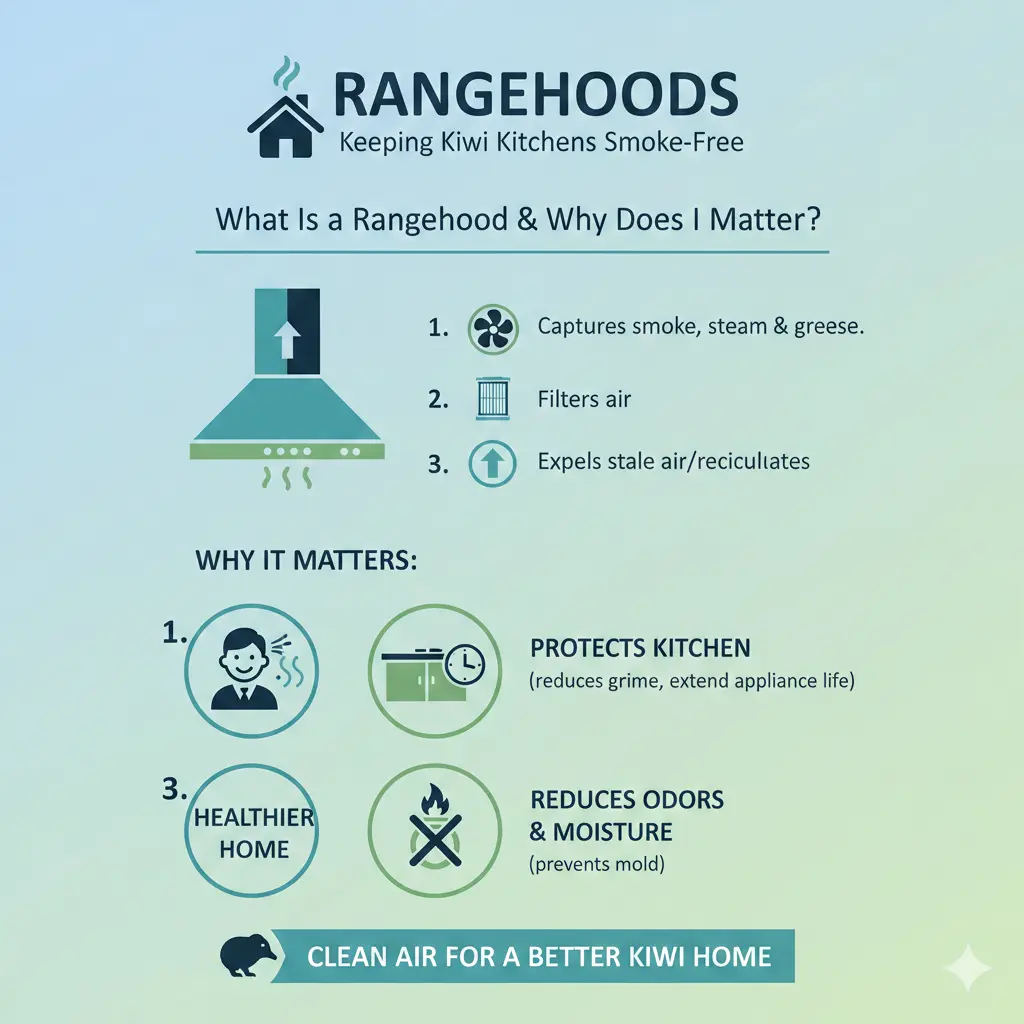
What Is a Rangehood and Why Does It Matter?
A rangehood is an extraction fan installed above your cooktop or stove that removes cooking fumes, steam, and odours from your kitchen. It works by pulling air out of your kitchen and venting it outside your home, which helps prevent moisture buildup, mould, and unpleasant cooking smells from lingering in your space.
Beyond comfort, proper kitchen ventilation is crucial for your health and your home's condition. Excess moisture from cooking can lead to dampness and mould growth, which can trigger respiratory issues and damage your property. That's why New Zealand's Healthy Homes Standards now require all rental properties to have adequate kitchen ventilation.
New Zealand's Healthy Homes Standards: What You Need to Know
Since 1 July 2019, New Zealand's Healthy Homes Standards have set specific requirements for kitchen ventilation in rental properties. If you've installed a new rangehood or extraction fan after 1 July 2019, it must have a minimum diameter (including ducting) of 150mm or an exhaust capacity of at least 50 litres per second.
These standards apply to all private rental homes, boarding houses, and properties managed by Kainga Ora (formerly Housing New Zealand) and registered Community Housing Providers. The compliance timeline works as follows:
- Private rental properties must comply within 90 days of a new or renewed tenancy after 1 July 2021
- All boarding houses had to comply by 1 July 2021
- All Kainga Ora and Community Housing Provider properties had to comply by 1 July 2023
If you're a landlord who hasn't met these obligations, you're in breach of the Residential Tenancies Act 1986 and may face financial penalties of up to $7,200.
What About Older Rangehoods?
If your rangehood was installed before 1 July 2019, it doesn't need to meet the new minimum standards and can stay in place. However, if it breaks down and needs replacing, the new fan must meet the current Healthy Homes Standards. The old fan must still ventilate to the outside of the house and be in good working order.
Sizing Your Rangehood: Getting the Power Right
Choosing the right size rangehood for your kitchen isn't just about meeting legal requirements – it's about effective ventilation. A rangehood should be able to replace the air in your room approximately 10 times per hour.
Here's how to calculate what you need:
- Measure your kitchen's length, width, and ceiling height
- Multiply these three numbers together to get the cubic meterage of your room
- Multiply that number by 10 to find your minimum required airflow
Keep in mind this is a starting point. If your kitchen has doors and windows that create air currents, you may need a more powerful rangehood to work effectively.
Building Code Compliance and Installation
All rangehood installations in New Zealand must comply with the Building Code, specifically clause G4 (Ventilation). The building code also sets out specific requirements for ducting distances to ensure your rangehood vents properly to the outside of your home.
If you're installing a new rangehood or replacing an old one, it's worth hiring a qualified installer who understands these regulations. They'll ensure your ducting is the correct diameter, properly installed, and vents to the outside – not into your ceiling space or attic, where it can cause moisture problems.
Rangehoods vs. Other Ventilation Options
While rangehoods are the most common solution for kitchen ventilation, some homes might have alternative options. However, for effective cooking fume extraction, a ducted rangehood venting to the outside is the gold standard. Recirculating rangehoods (which filter air and push it back into the kitchen) are less effective at removing moisture and cooking odours.
Practical Tips for Maintaining Your Rangehood
- Clean your filters regularly – Grease buildup reduces efficiency and can be a fire hazard
- Use it while cooking – Turn on your rangehood when you start cooking and keep it running for a few minutes after you finish
- Check your ducting – Make sure the duct isn't kinked or blocked, which reduces airflow
- Listen for changes – If your rangehood sounds louder or less effective, it might need professional attention
- Get it serviced – Annual professional maintenance can keep your rangehood running smoothly
Frequently Asked Questions
Getting Your Kitchen Compliant
Whether you're a homeowner wanting to upgrade your kitchen or a landlord ensuring your rental property meets Healthy Homes Standards, installing or upgrading a rangehood is a practical investment. It improves your home's air quality, prevents moisture damage, and keeps you on the right side of New Zealand's rental regulations.
If you're unsure whether your current rangehood meets the standards, contact a qualified installer for an assessment. They can check the duct diameter, exhaust capacity, and installation quality to confirm compliance. For landlords, having this information in writing is essential for proving you've met your legal obligations.
A well-functioning rangehood is one of the simplest ways to keep your Kiwi kitchen fresh, healthy, and compliant with current standards. Don't overlook this important appliance – your lungs and your home will thank you.
Sources & References
NZ Rangehood Installers Ltd – FAQ — rangehoodinstallers.co.nz
Healthy Homes Standards Gazetted – Te Tūāpapa Kura Kāinga — hud.govt.nz
Ventilation Standard – Tenancy Services — tenancy.govt.nz
Healthy Homes Standards – Manrose Extraction Fans — manrose.co.nz
The Healthy Homes Ventilation Standard: Preparing Your Property – Lite Energy — liteenergy.co.nz
G4 Ventilation – Building Performance — building.govt.nz
Related Articles

iPad Pro: Premium Tablet for Creative Professionals
If you're a creative professional in New Zealand looking for a tablet that can handle demanding work, the iPad Pro with the M5 chip might be exactly what you need. Whether you're editing videos, desig...
Handheld Vacuum Cleaners: Quick Cleanup Solutions
Handheld vacuum cleaners have become essential tools for Kiwi households, offering quick cleanup solutions without the hassle of dragging out a full-size vacuum. Whether you're dealing with crumbs on...

French Door Refrigerators in NZ: Luxury Cooling with Style
If you're looking to upgrade your kitchen with a stylish and spacious refrigerator, a French door fridge might be exactly what you need. These elegant appliances have become increasingly popular in Ne...
Chest Freezers in New Zealand: Bulk Storage for Rural Properties
If you're living on a rural property in New Zealand, a chest freezer isn't just a convenience—it's a practical investment for storing homekill, bulk meat purchases, garden produce, and fish. Whether y...