Wireless Earbuds: True Wireless Freedom
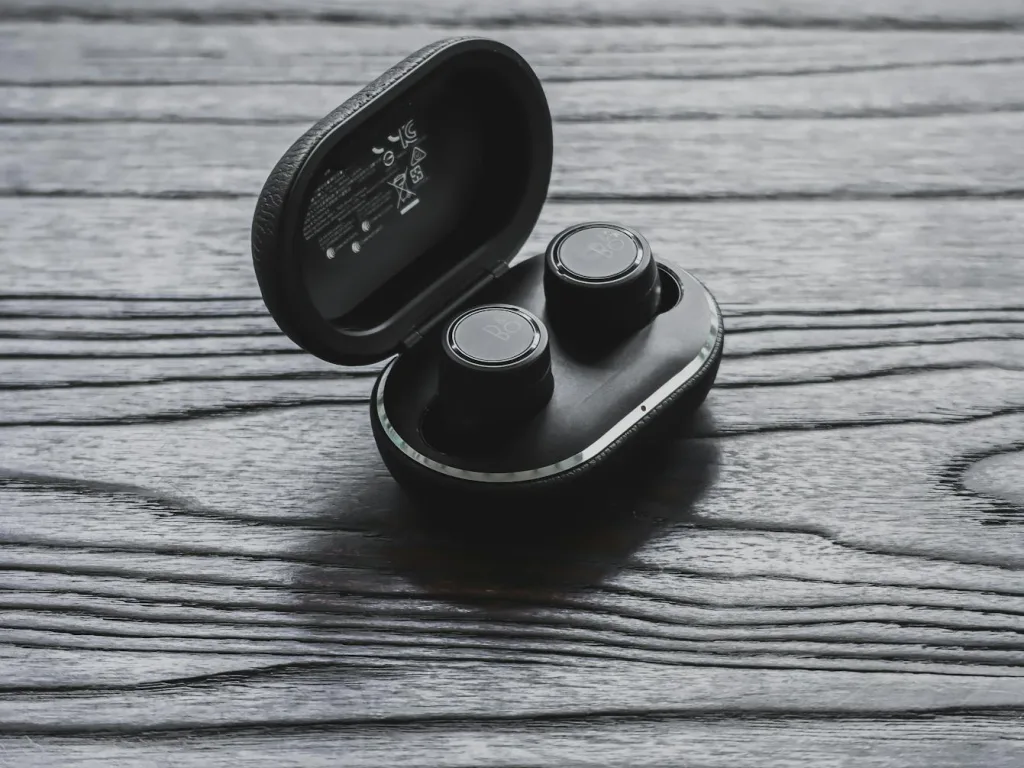
Wireless earbuds have revolutionised how we listen to music, take calls, and stay connected on the go. Whether you're commuting on Auckland's public transport, working from a Wellington café, or exerc...
Daniel covers technology, cybersecurity, and small business topics for Lifetimes NZ. He breaks down tech news and digital trends for a general audience.
Wireless earbuds have revolutionised how we listen to music, take calls, and stay connected on the go. Whether you're commuting on Auckland's public transport, working from a Wellington café, or exercising outdoors, true wireless earbuds offer the freedom and convenience that traditional wired headphones simply can't match. With so many options available in 2026, finding the right pair for your needs and budget doesn't have to be overwhelming.
What Makes Wireless Earbuds So Popular?
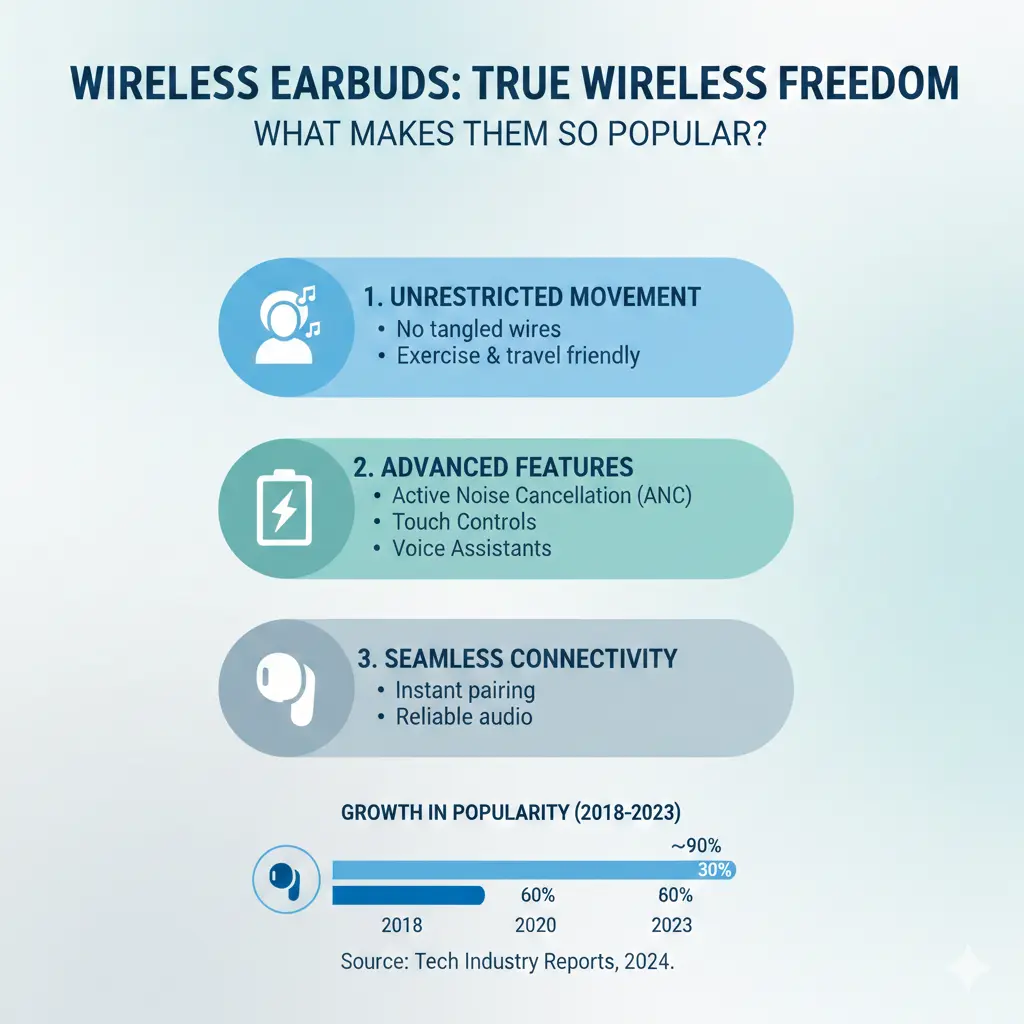
True wireless earbuds have become the go-to choice for Kiwis who value portability and simplicity. Unlike traditional headphones, they're completely cordless—no cables connecting the left and right earbuds, and no wire running to your device. This means you can slip them into your pocket, bag, or even your gym kit without any hassle.
The appeal goes beyond convenience. Modern wireless earbuds pack impressive technology into a tiny package, including active noise cancellation (ANC), extended battery life, and crystal-clear sound quality. Many models also feature water resistance, making them suitable for workouts and outdoor activities, even on rainy New Zealand days.
Top Wireless Earbuds for Every Budget
Premium Options: Best-in-Class Performance
If you're willing to invest in top-tier audio quality and features, the Technics EAH-AZ100 earbuds are currently leading the market. They offer exceptional noise isolation, impressive battery life (over 12 hours with ANC enabled), and a smaller, more rounded design compared to earlier models. Their triple-device multipoint connectivity means you can seamlessly switch between your phone, tablet, and laptop.
The Sony WF-1000XM5 remain a benchmark for wireless earbuds, delivering a fantastic blend of performance and features. If you're an Apple user, the AirPods Pro 3 are a solid premium choice, offering excellent integration with your Apple devices.
Mid-Range Sweet Spot: Quality Without Breaking the Bank
For those seeking excellent value, the Soundcore Space A40 is a strong contender in the mid-range category. These earbuds offer adaptive ANC, solid battery life (around eight hours with ANC on), and customisable sound profiles. They're particularly good if you move between different environments—like shifting from a quiet office to a bustling café—as the adaptive noise cancellation automatically adjusts to your surroundings.
The JBL Live Pro 2 TWS deliver five-star sound quality at a competitive price. They include wireless charging, IPX5 water-resistance, and Bluetooth Multipoint connectivity, allowing two devices to be connected simultaneously. Each charge provides eight hours of playtime, with 30 hours total thanks to the charging case.
Budget-Friendly Options: Great Performance on a Tighter Budget
If you're watching your spending, the Soundcore Liberty 4 NC consistently ranks as one of the best budget wireless earbuds of 2026. Typically priced between $80–$100 NZD equivalent, they offer adaptive active noise cancellation, strong battery life, and multipoint Bluetooth functionality.
For the absolute lowest cost, the JLab Go Pods ANC are hard to beat at around $25–$30. While sound quality is modest, they deliver real ANC and decent battery life, making them ideal if noise reduction is your priority on a tight budget.
Key Features to Consider When Choosing Wireless Earbuds
Active Noise Cancellation (ANC)
ANC technology actively reduces background noise by generating sound waves that counteract ambient noise. This is particularly useful for Kiwis commuting on busy trains or working in open-plan offices. However, not all ANC is created equal—premium models like the Technics EAH-AZ100 excel at attenuating everything from airplane cabin noise to car engine rumble.
Battery Life
Battery life varies significantly across models. Premium earbuds often provide 12+ hours with ANC enabled, while budget options might offer 6–8 hours. Consider your daily usage: if you're away from home all day, look for models with robust charging cases that provide multiple additional charges.
Water Resistance
If you plan to use your earbuds during workouts or outdoor activities, check the IPX rating. IPX5 water-resistance (as found on the JBL Live Pro 2) is suitable for sweat and light rain, while higher ratings offer more protection.
Comfort and Fit
Comfort matters, especially if you'll wear your earbuds for extended periods. Many models come with multiple silicone and foam tip sizes to help you find the perfect seal. Some reviewers note that certain models are more stable during movement than others, so consider your intended use—whether that's office work, travel, or intense workouts.
Where to Buy Wireless Earbuds in New Zealand
Kiwis have several excellent options for purchasing wireless earbuds. JB Hi-Fi NZ stocks a wide range from leading brands including Apple, Samsung, Sony, Sennheiser, and JBL, with competitive pricing and expert advice available in-store. Many retailers also offer warranty protection and return policies, which is worth checking before you buy.
When shopping online, compare prices across retailers and check for any current promotions. Many brands offer direct sales through their own websites, sometimes with exclusive deals for New Zealand customers.
Making Your Choice
Choosing the right wireless earbuds comes down to understanding your needs and budget. If sound quality is paramount and you have the budget, invest in the Technics EAH-AZ100 or Sony WF-1000XM5. For a balanced approach offering great features without premium pricing, the Soundcore Space A40 or JBL Live Pro 2 TWS are excellent choices. If you're budget-conscious, the Soundcore Liberty 4 NC delivers solid performance at an accessible price point.
Take time to read detailed reviews, check return policies, and if possible, try on different models to ensure a comfortable fit. With the right pair of wireless earbuds, you'll enjoy true wireless freedom—whether you're navigating New Zealand's bustling cities or enjoying the great outdoors.
Frequently Asked Questions
Sources & References
-
1
What Hi-Fi: Best wireless earbuds 2026: top pairs tested by our reviewers — www.whathifi.com
-
2
RTINGS: The 7 Best Wireless Earbuds of 2026 — www.rtings.com
-
3
Comply Foam: Best Budget Wireless Earbuds of 2026 (Under $150) — www.complyfoam.com
-
4
TechRadar: The best earbuds: top buys for every budget, all TechRadar tested — www.techradar.com
-
5
JB Hi-Fi NZ: True Wireless Earbuds with Superior Sound Quality — www.jbhifi.co.nz
Related Articles

iPad Pro: Premium Tablet for Creative Professionals
If you're a creative professional in New Zealand looking for a tablet that can handle demanding work, the iPad Pro with the M5 chip might be exactly what you need. Whether you're editing videos, desig...
Handheld Vacuum Cleaners: Quick Cleanup Solutions
Handheld vacuum cleaners have become essential tools for Kiwi households, offering quick cleanup solutions without the hassle of dragging out a full-size vacuum. Whether you're dealing with crumbs on...

French Door Refrigerators in NZ: Luxury Cooling with Style
If you're looking to upgrade your kitchen with a stylish and spacious refrigerator, a French door fridge might be exactly what you need. These elegant appliances have become increasingly popular in Ne...

Chest Freezers in New Zealand: Bulk Storage for Rural Properties
If you're living on a rural property in New Zealand, a chest freezer isn't just a convenience—it's a practical investment for storing homekill, bulk meat purchases, garden produce, and fish. Whether y...