New Zealand Wine Regions Explained: Marlborough, Central Otago, Hawke’s Bay and More
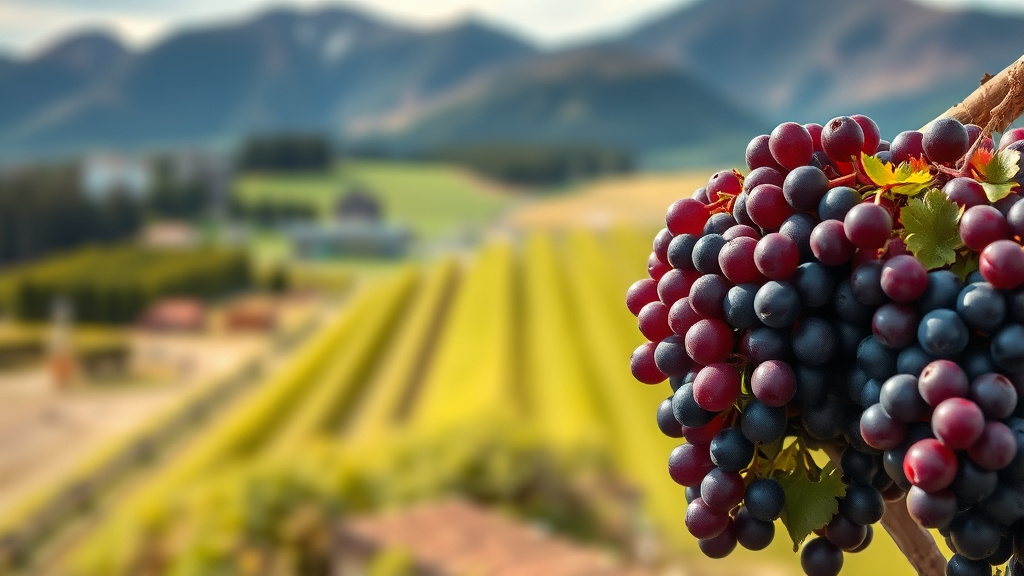
Imagine sipping a crisp Marlborough Sauvignon Blanc while gazing over golden vineyards, or warming up with a velvety Central Otago Pinot Noir against snow-capped mountains. New Zealand's wine regions...
The Lifetimes NZ editorial team curates, fact-checks, and updates guides on personal finance, property, health, immigration, legal, business, and lifestyle topics relevant to Lifetimes NZ readers. Articles are produced with AI assistance and reviewed by the editorial team before publication.
Imagine sipping a crisp Marlborough Sauvignon Blanc while gazing over golden vineyards, or warming up with a velvety Central Otago Pinot Noir against snow-capped mountains. New Zealand's wine regions offer world-class drops right here on our doorstep, blending stunning landscapes with innovative winemaking that's earned global acclaim.
From the sun-soaked North Island to the cool South, our 11 official wine regions—recognised as geographical indications (GIs) since 2018—span diverse climates and soils, producing over 45,000 hectares of vines. Sauvignon Blanc dominates at 67% of plantings (28,702 ha), with Pinot Noir leading reds at 13% (5,331 ha), according to 2026 vineyard reports. Whether you're a Kiwi planning a road trip or just keen to pick the perfect bottle from the local bottle store, this guide breaks down the stars: Marlborough, Central Otago, Hawke’s Bay, and more.
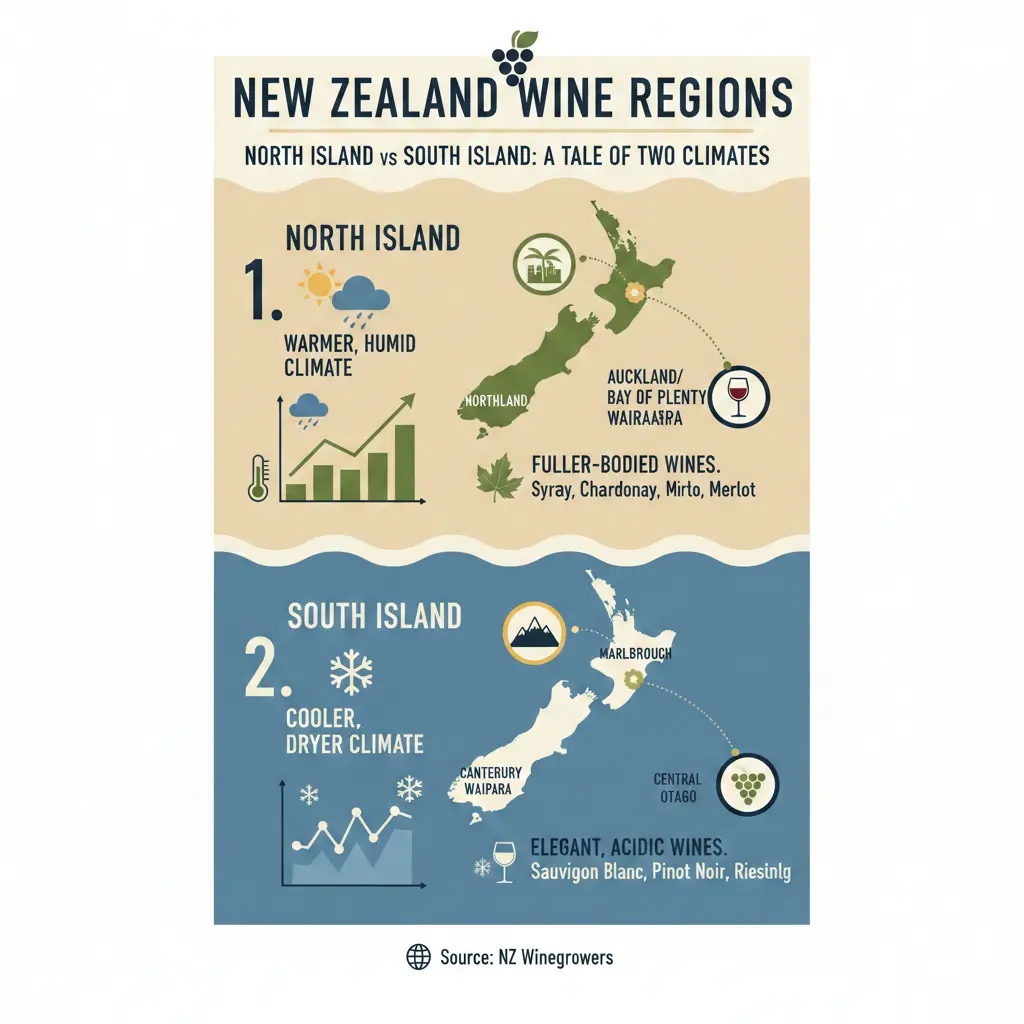
North Island vs South Island: A Tale of Two Climates
New Zealand's wine story splits neatly across our two main islands, each shaped by maritime breezes, long sunshine hours, and cool nights that deliver fruit purity and finesse.
North Island: Warmer Vibes for Reds and Aromatics
The North Island's warmer spots suit Bordeaux blends like Merlot and Cabernet Sauvignon, plus fuller-bodied whites. Key players include Hawke’s Bay, Gisborne, Waiheke Island, and Wairarapa (Martinborough). Pacific Ocean influences keep things balanced, making these regions ideal for structured reds and tropical whites.
South Island: Cool Precision for Whites and Pinot
Cooler and more mountainous, the South Island shines with tense, acidic wines. Think Marlborough Sauvignon Blanc, Central Otago Pinot Noir, Nelson, and North Canterbury. High diurnal shifts—warm days, chilly nights—build complexity.
Marlborough: The Sauvignon Blanc Powerhouse
Tucked in the northeast of the South Island, Marlborough is our biggest wine region with nearly 50,000 acres (30,469 ha) under vine—72% of New Zealand's total. It produces two-thirds of our Sauvignon Blanc, thriving in abundant sunshine, cool nights, and free-draining soils.
Signature Styles: Zesty, herbaceous Sauvignon Blanc with passionfruit, lime, and grassy notes—the wine that put Aotearoa on the map. You'll also find elegant Pinot Noir, Chardonnay, and sparkling wines.
Practical Tip: Follow the Marlborough Wine Trail for easy tastings. Many cellar doors offer bike hire or shuttles—perfect for a sober driver-free day out. Check Wine Marlborough for 2026 events like harvest festivals.
Central Otago: Pinot Noir Paradise
Nestled in the South Island's dramatic heart amid schist soils and alpine scenery, Central Otago is renowned for world-beating Pinot Noir. Its continental climate—hot days, frosty nights—yields concentrated, spice-driven reds with bright acidity.
Signature Styles: Silky Pinot Noir with cherry, earth, and violet aromas. Chardonnay and Riesling add variety, often with remarkable landscapes as your backdrop.
Practical Tip: Base yourself in Queenstown or Wanaka for sub-regions like Gibbston or Bannockburn. Join a wine tour via Central Otago Wine—many include picnic lunches amid the vines. Drive safely on winding roads; designate a driver or book a bus.
Hawke’s Bay: Red Wine Heartland
New Zealand's second-largest region (after Marlborough) and warmest major area, Hawke’s Bay basks in 2,200 annual sunshine hours. Diverse soils, especially the Gimblett Gravels—a UNESCO-recognised ancient riverbed—produce structured Merlot-Cabernet blends, Syrah, and textured Chardonnay.
Signature Styles: Bold reds with blackcurrant and gravelly depth; refined Pinot Noir and oak-influenced Chardonnay. Bridge Pa Triangle and Central Hawke’s Bay offer limestone-driven gems.
Practical Tip: Cycle the Hawke’s Bay Trails network—flat paths link 50+ wineries. Visit in autumn (March-May 2026) for harvest vibes. Pair wines with local seafood at vineyard restaurants; book ahead via Hawke’s Bay NZ.
Other Must-Know Regions
- Wairarapa (Martinborough): Cool-climate Pinot Noir and Sauvignon Blanc in a boutique setting. Riverside vineyards and food pairings shine.
- Gisborne: Third-largest region, Chardonnay capital with tropical notes (pineapple, peach). Produces 13% of our wine.
- North Canterbury (Waipara): Rising star for Pinot Noir, Riesling, and Chardonnay. Long, dry autumns build elegance.
- Nelson: Sunny, artistic micro-region for Pinot Gris and small-batch reds.
- Waiheke Island: Auckland's maritime gem for Syrah and Bordeaux blends—ferry-hop for a day trip.
- Waitaki Valley: Emerging with limestone terroir for distinctive Pinot Noir and Riesling.
Planning Your Wine Region Adventure
Our wine industry emphasises sustainability—many vineyards are certified organic or biodynamic. Exports dominate, but cellar-door exclusives reward visitors. Drive responsibly: NZ road rules enforce zero alcohol for drivers under 20, and random breath tests are common (check police.govt.nz).
Actionable Steps:
- Download the NZ Wine app for maps and events.
- Book tastings via winery websites—fees average $10-20, often waived with purchase.
- Time for 2026: Marlborough harvest (Feb-Mar), Central Otago Food & Wine Festival (May).
- Pair locally: Sauvignon Blanc with fish 'n' chips, Pinot with lamb.
FAQ
What’s the best New Zealand wine for beginners? Start with Marlborough Sauvignon Blanc—crisp, affordable, and everywhere.
Which region for red wines? Hawke’s Bay for Merlot blends; Central Otago for Pinot Noir.
Are winery visits family-friendly? Yes—many have kids' menus, lawns, and non-alcoholic options. Check ahead.
How sustainable is NZ wine? Highly: cool climate reduces water needs; 90%+ vineyards follow Sustainable Winegrowing NZ.
What’s the driving rule for wine tasting? Zero alcohol if under 20; otherwise, under 50mg/100ml blood. Use shuttles.[police.govt.nz]
Best time to visit wine regions? Autumn (Mar-May) for harvest, colours, and fewer crowds.
Next Steps: Your Kiwi Wine Journey Starts Now
Grab a bottle from these regions at your local New World or Four Square, or hit the road for an unforgettable tasting trail. Download the NZ Wine app, plan via official sites, and toast to our world-class wines. Kia ora—cheers to exploring Aotearoa's liquid gold!
Related Articles
Geothermal Wonders of New Zealand: Wai‑O‑Tapu, Te Puia, Hell’s Gate and More
New Zealand's geothermal wonders are some of the most spectacular natural attractions in the Southern Hemisphere, and they're right here on our doorstep. From erupting geysers to vibrant hot springs a...
New Zealand for Wildlife Lovers: Penguins, Kiwis, Seals and Albatross
Imagine waddling alongside cheeky little blue penguins at dusk, hearing the haunting call of a kiwi in the night, watching seals bask on rocky shores, or witnessing the majestic glide of an albatross...
Top Day Hikes in the South Island (Roy’s Peak, Hooker Valley, Ben Lomond etc.)
Imagine standing atop a jagged peak with Aoraki/Mount Cook piercing the sky, or gazing across crystal-clear turquoise lakes framed by snow-capped mountains—all without needing a multi-day tramp. The S...

Guide to New Zealand’s Great Walks: What to Expect, Bookings and Packing
Imagine lacing up your tramping boots and stepping onto tracks that wind through ancient rainforests, along golden beaches, and up to alpine passes with views that stop you in your tracks. New Zealand...