New Zealand for Wildlife Lovers: Penguins, Kiwis, Seals and Albatross
Imagine waddling alongside cheeky little blue penguins at dusk, hearing the haunting call of a kiwi in the night, watching seals bask on rocky shores, or witnessing the majestic glide of an albatross...
The Lifetimes NZ editorial team curates, fact-checks, and updates guides on personal finance, property, health, immigration, legal, business, and lifestyle topics relevant to Lifetimes NZ readers. Articles are produced with AI assistance and reviewed by the editorial team before publication.
Imagine waddling alongside cheeky little blue penguins at dusk, hearing the haunting call of a kiwi in the night, watching seals bask on rocky shores, or witnessing the majestic glide of an albatross with a wingspan wider than your arms stretched out. New Zealand's wildlife isn't just a tourist draw—it's our taonga, thriving in unique spots right here at home. For Kiwis craving authentic encounters with penguins, kiwis, seals, and albatross, this guide uncovers the best places, tips, and conservation insights to make your next adventure unforgettable.
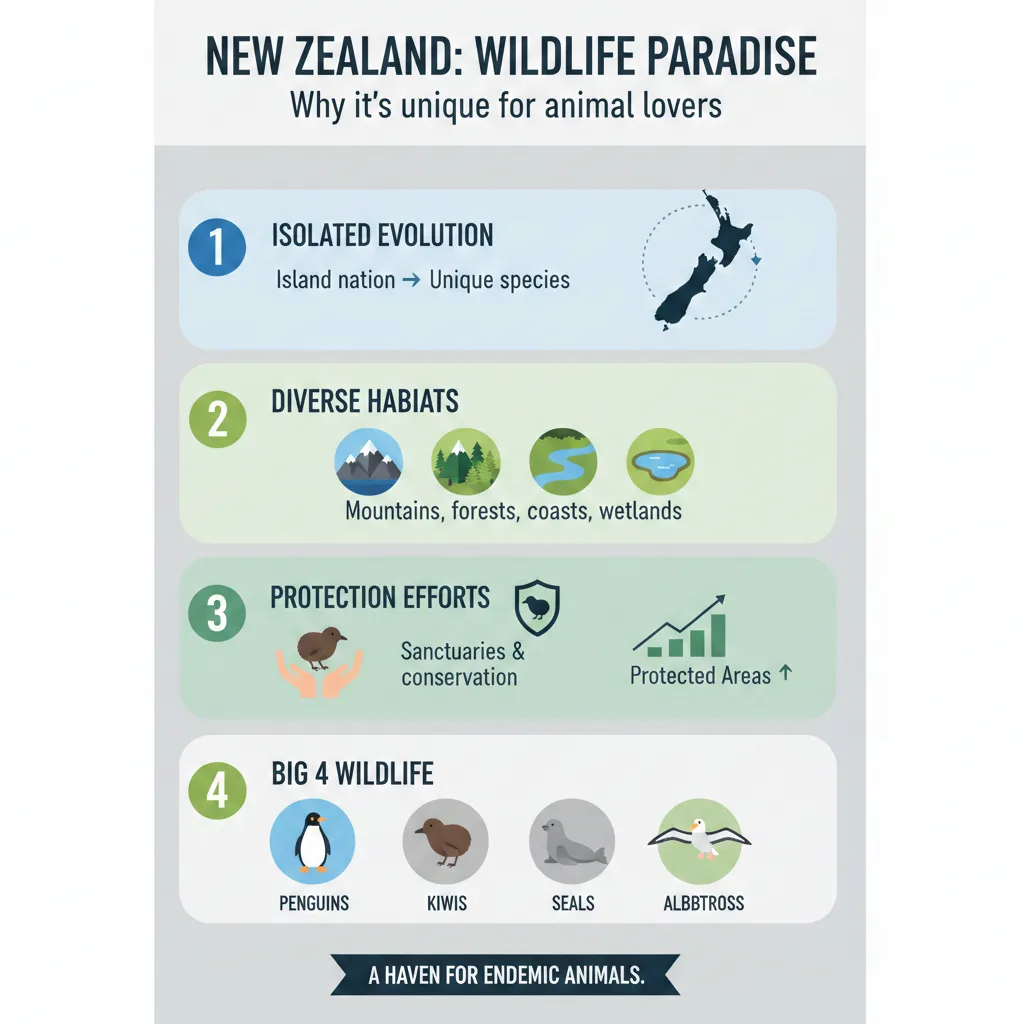
Why New Zealand is a Paradise for Wildlife Lovers
Our islands are a hotspot for endemic species shaped by isolation, but invasive predators threaten their survival. Over 80% of our native birds that breed here are at risk, with predators like rats, stoats, possums, and ferrets killing an estimated 25 million birds annually. The Department of Conservation (DOC) leads ambitious efforts, including Predator Free 2050, aiming to eradicate these invaders nationwide by 2050. This means more safe havens for wildlife lovers to visit predator-free islands and sanctuaries. In 2026, breeding booms—like the first kākāpō chick hatching on Valentine's Day—signal hope, pushing the population to 237.
Conservation Wins and Challenges in 2026
Predator-free islands off our coasts host rare breeders. Kākāpō, flightless parrots unique to Aotearoa, number around 236-237 adults, each tracked via backpack transmitters on sites like Whenua Hou/Codfish Island, Pukenui/Anchor Island, and Te Kāhaku/Chalky Island. 2026's rimu fruiting has sparked a banner breeding year after four quiet ones, vital for genetic diversity. Mainland sanctuaries like Sanctuary Mountain Maungatautari protect kiwis and others with fences, but government rollbacks on environmental protections raise concerns for habitats.
Practical tip: Support by joining DOC volunteer trapping or donating to Forest & Bird—every effort counts towards safer wild spaces for us all.
Spotting Penguins: Adorable Icons of Our Shores
Little blue penguins (kororā), the world's smallest, nest along coasts from Ninety Mile Beach to the subantarctics. They're nocturnal, emerging at dusk to fish, making evening viewings magical.
Top Penguin Spots for Kiwis
- Oamaru Blue Penguin Colony (South Island): Free dusk viewings from boardwalks; see hundreds return home. Entry by koha, but book tours for hides ($40-50/adult, 2026 rates).[DOC guidelines]
- Dunedin Peninsula: Sandfly Bay and Tunnel Beach offer wild sightings; hike early morning or dusk. Dog-free zones enforced under local bylaws.
- Wharariki Beach, Golden Bay (North Island access via ferry): Remote, rugged—perfect for seal-penguin combos. Check tides via MetService app.
Actionable advice: Use red-light torches to avoid disturbance; DOC rules limit flash photography. Breeding peaks July-October—plan family trips then.
Kiwi Encounters: Nocturnal Treasures of the Bush
Our national icon, the brown kiwi, thrives in 70+ sanctuaries. Flightless and shy, they're heard more than seen, with calls echoing forests.
Best Kiwi Viewing Experiences
- Zealandia, Wellington: Urban ecosanctuary with kiwi tracks at night. Te Awa Pō tour ($100/adult) guarantees sightings; kid-friendly from age 5.
- Ōpua Kaiwaka Kiwi Sanctuary, Bay of Islands: Northland's hotspots; guided night walks ($50). High success rates post-predator control.
- Tawharanui Regional Park, Auckland: Free kiwi zone; join citizen science glow-worm hunts for bonus wildlife.
Kiwi numbers rebound in fenced areas, mirroring kākāpō success where stoat control boosts nesting from 0% to 57%. Respect 50m distance; no dogs without permits.
Seals Up Close: Playful Pinnipeds of Coast and Sea
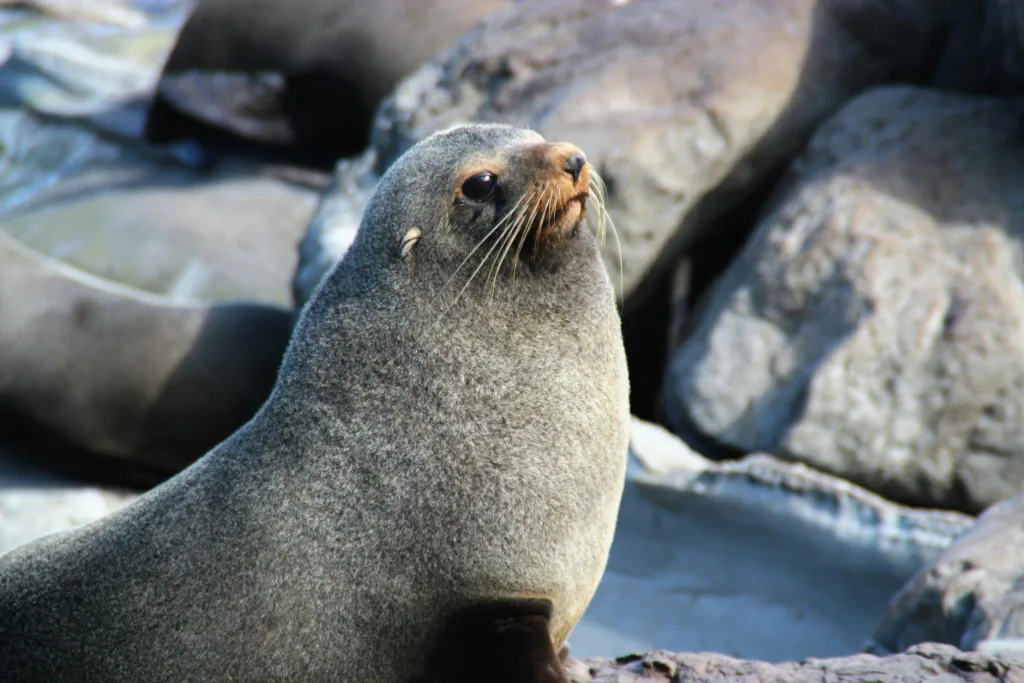
New Zealand fur seals (kekeno) and sea lions haul out on beaches, pups playfully bounding. With populations growing 10% yearly, they're resilient post-sealing bans.
Prime Seal Watching Locations
- Kaikōura Peninsula: Rocky shores teem with seals; snorkel tours ($150, 2hrs) let you swim nearby (3m rule).
- Catlins Coast, Otago: Nugget Point and Roaring Bay—binos essential for cliffside views. Combine with penguins.
- Ulva Island, Stewart Island/Rakiura: Predator-free paradise; seals mingle with birds. Day trips from Bluff ($200 return).
Tip: ACC covers dive injuries, but check swell forecasts. Feed-free zones protect against dependency.
Albatross Majesty: Giants of the Southern Skies
Royal albatross, with 3m wingspans, soar over southern seas. Tauranga Bay hosts the only mainland colony.
Must-Visit Albatross Sites
- Taiaroa Head, Otago Peninsula: World's only mainland royal albatross colony. Pukekura hide ($45/adult); live cams online. Breeding August-May.
- The Neck, Stewart Island: Northern royal albatross viewpoints; bush walks free.
- Campbell Island (subantarctic, cruises only): Anti-cyclone flights mesmerise; expedition ships $10k+ pp, 2026 season March-May.
Observe from marked paths; drones banned near nests per Civil Aviation rules.
Practical Tips for Ethical Wildlife Viewing in Aotearoa
As Kiwis, we're guardians—follow Leave No Trace:
- Stick to tracks; fines up to $400 for straying (Conservation Act).
- Book DOC concessions for commercial tours.
- Use apps like DOC's Trips Planner for real-time conditions.
- Report sightings via iNaturalist NZ—citizen science aids monitoring.
- Pack reusables; support eco-lodges with KiwiSaver-friendly green certifications.
In 2026, with kākāpō breeding peaking, tune into Kākāpō Cam for live nest views—virtual wildlife at its best.
FAQ
What's the best time for wildlife spotting in New Zealand?
Spring (Sep-Nov) for breeding, summer (Dec-Feb) for accessibility. Dusk/dawn maximises sightings.
Are there free wildlife experiences near major cities?
Yes—Auckland's Tawharanui, Wellington's Zealandia trails (entry $), Christchurch Botanic Gardens' duck ponds double as bird hides.
How can I help conserve our wildlife?
Trap predators on your section via Predator Free NZ app; vote for strong NPS-FM protections; avoid feeding wildlife.
Is it safe to swim with seals?
Guided only, maintain 12m distance on land/3m water per DOC code. Sharks minimal risk.
Can kids join wildlife tours?
Most from age 5-8; family rates save 20-30%. Prep with nature books.
What's new for 2026 wildlife visits?
Kākāpō releases eyed for Rakiura; expanded mainland fences boost access.
Plan Your Wildlife Adventure Today
From penguins' parade to albatross' dance, New Zealand's wildlife awaits—closer than you think. Grab your bins, check DOC.govt.nz for permits, and hit the tracks. Whether a weekend escape or family roadie, these encounters remind us why we fight for our whenua. Book now for 2026's bumper season—what's your first spot?
Related Articles
Geothermal Wonders of New Zealand: Wai‑O‑Tapu, Te Puia, Hell’s Gate and More
New Zealand's geothermal wonders are some of the most spectacular natural attractions in the Southern Hemisphere, and they're right here on our doorstep. From erupting geysers to vibrant hot springs a...
Top Day Hikes in the South Island (Roy’s Peak, Hooker Valley, Ben Lomond etc.)
Imagine standing atop a jagged peak with Aoraki/Mount Cook piercing the sky, or gazing across crystal-clear turquoise lakes framed by snow-capped mountains—all without needing a multi-day tramp. The S...

Guide to New Zealand’s Great Walks: What to Expect, Bookings and Packing
Imagine lacing up your tramping boots and stepping onto tracks that wind through ancient rainforests, along golden beaches, and up to alpine passes with views that stop you in your tracks. New Zealand...
Best Places for Whale and Dolphin Watching in New Zealand
Imagine gliding through pristine New Zealand waters, the salty breeze on your face, as a pod of playful dolphins arcs alongside your boat or a majestic sperm whale surfaces with a powerful exhale. Wha...