Swimming with Dolphins in New Zealand: Ethical Options and What to Know
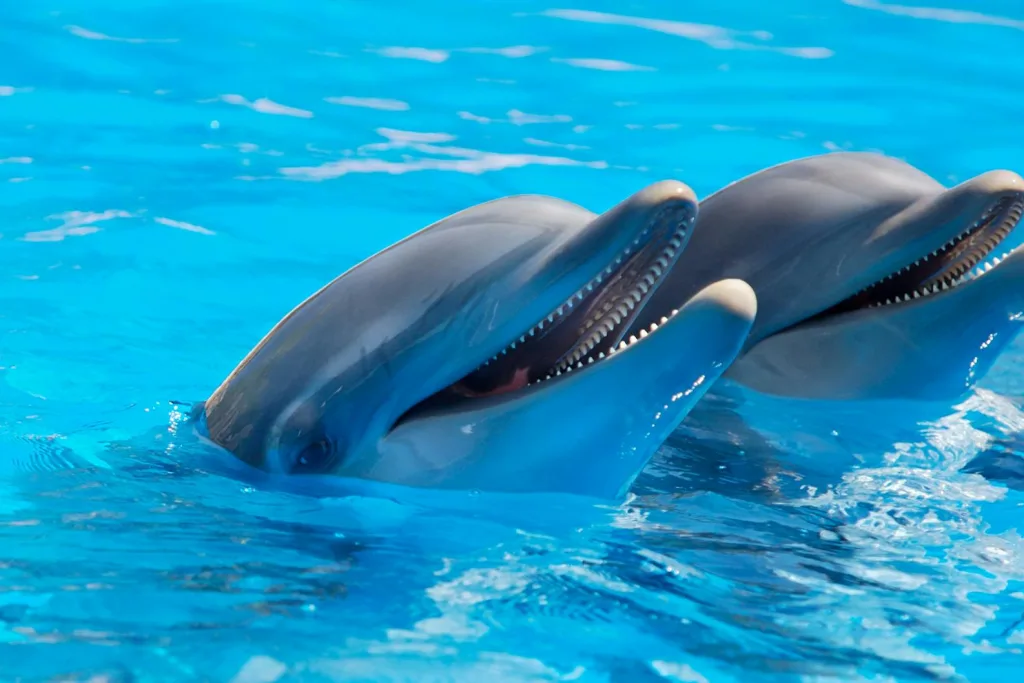
Nothing beats the thrill of spotting dolphins leaping through New Zealand's crystal-clear waters, their playful acrobatics a reminder of our unique marine taonga. But as Kiwis who cherish our natural...
The Lifetimes NZ editorial team curates, fact-checks, and updates guides on personal finance, property, health, immigration, legal, business, and lifestyle topics relevant to Lifetimes NZ readers. Articles are produced with AI assistance and reviewed by the editorial team before publication.
Nothing beats the thrill of spotting dolphins leaping through New Zealand's crystal-clear waters, their playful acrobatics a reminder of our unique marine taonga. But as Kiwis who cherish our natural environment, we know that getting up close comes with responsibility—especially in 2026, when strict conservation rules prioritise dolphin welfare over tourist snaps.
Swimming with dolphins in New Zealand isn't a free-for-all anymore. While some ethical options remain available with permitted operators, bans in key areas like the Bay of Islands protect struggling populations. This guide covers ethical ways to experience dolphins, DOC regulations, and tips for responsible encounters, so you can enjoy without harming these incredible creatures.
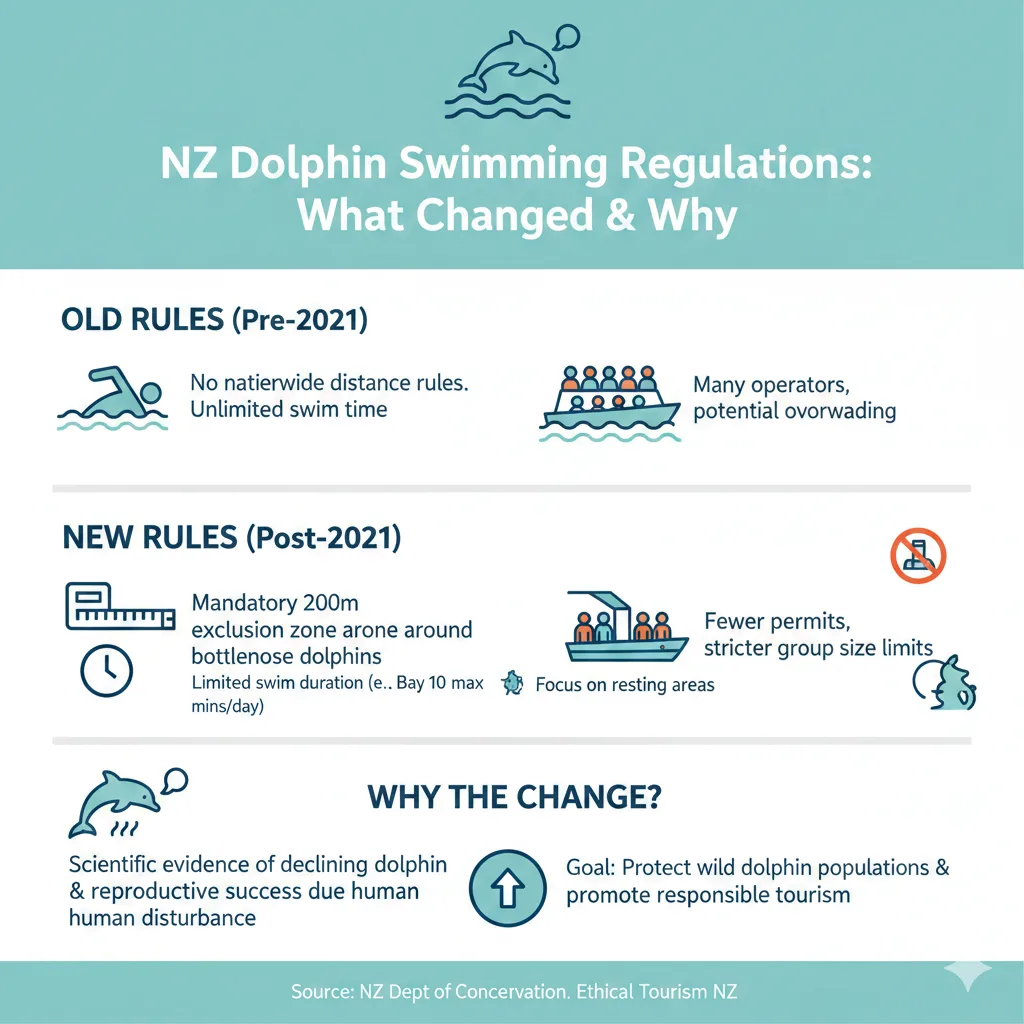
New Zealand's Dolphin Swimming Regulations: What Changed and Why
Our Department of Conservation (DOC) leads the charge on marine mammal protection, issuing permits only to operators who meet strict standards. Back in 2019, DOC banned swimming with bottlenose dolphins in the Bay of Islands after research showed a 66% population drop since 1990 and a calf mortality rate of 75%—the highest on record. Human interactions were disrupting their resting and feeding, pushing numbers to the brink.
Today in 2026, rules remain tight nationwide. All commercial operators need a DOC Marine Mammal Viewing Permit to approach dolphins. Key guidelines include:
- Stay at least 50m away from adult dolphins (100m for resting pods).
- No swimming with whales, including orca or pilot whales, or dolphin pods with juveniles (half-size or smaller).
- Maximum 30 minutes in-water time per encounter—DOC and Whale Code of Conduct (WCA) standard.
- No more than three vessels within 300m of dolphins; drones must stay 150m away horizontally.
A moratorium on new permits in areas like Akaroa Harbour protects endangered Hector's dolphins, with unlicensed operators posing risks despite charging premium prices. Choose SMART-accredited operators (Sustainable Marine Activity Resource Technique) to ensure compliance.
Why These Rules Matter for Kiwi Wildlife
Dolphins are vital to our ecosystems, but tourism pressure adds stress. Research shows swimming disturbs natural behaviours, especially for vulnerable species like bottlenose and Hector's. As locals, supporting these measures helps sustain populations for future generations—think of it as protecting our backyard treasures.
Ethical Dolphin Swimming Options in New Zealand
Not all dolphin experiences involve swimming, and that's often the best choice. Ethical operators focus on viewing from boats, minimising impact while delivering magic. Here's where you can still swim responsibly or watch ethically in 2026.
South Island Hotspots: Where Swimming is Permitted
- Marlborough Sounds (E-Ko Tours): One of the few spots offering swims with dusky dolphins from June to December. Permitted by DOC, with WCA-accredited guides enforcing 30-minute limits. December to June restricts to viewing only for protection. Open ocean confidence required; medically fit swimmers only.
- Akaroa Harbour: No swimming—viewing only via permitted operators like Akaroa Dolphins. They prioritise low-impact cruises, spotting Hector's dolphins alongside seals and history. Only two year-round permit holders exist.
North Island: Viewing Over Swimming
The Bay of Islands ban killed off bottlenose swims, but Tauranga offers one rare chance for interaction (check current DOC permits). Elsewhere, stick to boat safaris:
- Auckland Whale & Dolphin Safari: Responsible viewing with DOC permits.
- Kaikōura: World-famous for dusky dolphin viewing (swimming rare due to rules).
No guarantees anywhere—dolphins are wild, not captive. Ethical tours often offer free return trips if none appear. Book with operators displaying DOC permits and WCA badges.
How to Choose an Ethical Operator: Kiwi Checklist
As a Kiwi, you want operators who put dolphins first. Look for these hallmarks:
- DOC Marine Mammal Permit—verify on doc.govt.nz.
- SMART or WCA accreditation for trained guides.
- No-touch policies, short swim times, and calf-free zones.
- Transparency on impacts—avoid "guaranteed swims" promising captive-style encounters.
- Conservation contributions, like funding research.
Pro tip: Smaller groups mean less disturbance. Check reviews on TripAdvisor or DOC's site, and ask about calf avoidance—half of pods have juveniles.
DIY Dolphin Encounters: Rules for Independent Kiwis
Planning a kayak or paddleboard adventure? Same rules apply—no swimming near calves, maintain distances, and report violations to DOC (0800 DOCHOTLINE). Apps like the Whale Code help track guidelines in real-time.
For families, viewing from shore or ferries in the Marlborough Sounds or Coromandel offers safe thrills without permits.
Alternatives to Swimming: Epic Dolphin Viewing Experiences
Can't swim? No worries—New Zealand brims with low-impact options:
- Boat safaris: Kaikōura, Auckland, or Bay of Islands for acrobatic displays.
- Snorkel cruises: Pair with bird sanctuaries like Motuara Island.
- Conservation tours: Join citizen science with Operators Without Borders or DOC events.
- Hiking coastal tracks like the Abel Tasman for distant glimpses.
"Our priority is to share the stunning beauty of our backyard while minimising our impact on the dolphins."—Akaroa Dolphins
FAQ: Swimming with Dolphins in New Zealand
Is swimming with dolphins legal in New Zealand in 2026?
Yes, but only with DOC-permitted operators in approved areas like Marlborough Sounds. Bans apply in Bay of Islands and for vulnerable pods.
What's the maximum time I can swim with dolphins?
30 minutes per encounter, per DOC and WCA rules.
Are there guarantees of seeing dolphins?
No—wild animals dictate. Ethical tours offer free redo options.
Can kids swim with dolphins?
Age limits vary (often 6+), but no pods with calves. Check operator policies.
How do I report dodgy operators?
Call DOC's hotline: 0800 362 468 or online at doc.govt.nz.
What's the difference between viewing and swimming permits?
Viewing is widespread; swimming is rare and tightly controlled to reduce stress.
Plan Your Ethical Dolphin Adventure Today
Swimming with dolphins in New Zealand can be magical when done right—opt for permitted, low-impact tours to keep our waters thriving. Start by checking DOC's operator list, pack your togs and sunscreen, and respect the rules for encounters that benefit both you and the dolphins.
Next steps: Visit doc.govt.nz for permits, book with E-Ko or Akaroa Dolphins, and share your story to promote responsible fun. Let's keep Aotearoa's dolphins leaping free.
Related Articles
Geothermal Wonders of New Zealand: Wai‑O‑Tapu, Te Puia, Hell’s Gate and More
New Zealand's geothermal wonders are some of the most spectacular natural attractions in the Southern Hemisphere, and they're right here on our doorstep. From erupting geysers to vibrant hot springs a...
New Zealand for Wildlife Lovers: Penguins, Kiwis, Seals and Albatross
Imagine waddling alongside cheeky little blue penguins at dusk, hearing the haunting call of a kiwi in the night, watching seals bask on rocky shores, or witnessing the majestic glide of an albatross...
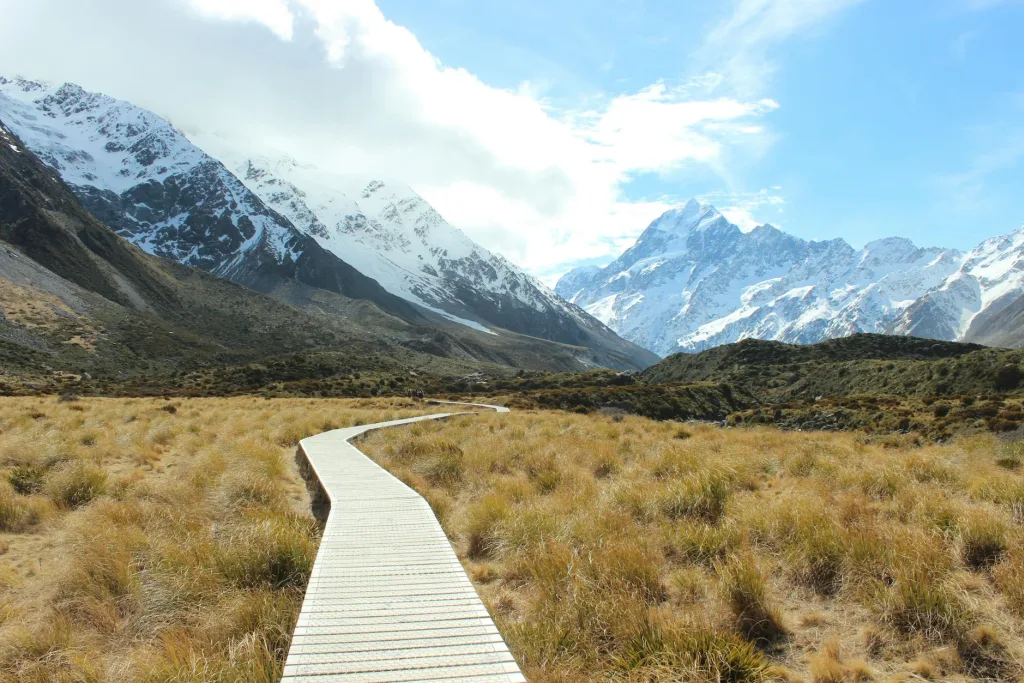
Top Day Hikes in the South Island (Roy’s Peak, Hooker Valley, Ben Lomond etc.)
Imagine standing atop a jagged peak with Aoraki/Mount Cook piercing the sky, or gazing across crystal-clear turquoise lakes framed by snow-capped mountains—all without needing a multi-day tramp. The S...

Guide to New Zealand’s Great Walks: What to Expect, Bookings and Packing
Imagine lacing up your tramping boots and stepping onto tracks that wind through ancient rainforests, along golden beaches, and up to alpine passes with views that stop you in your tracks. New Zealand...