Boat, Yacht and Marine Insurance in New Zealand 2026
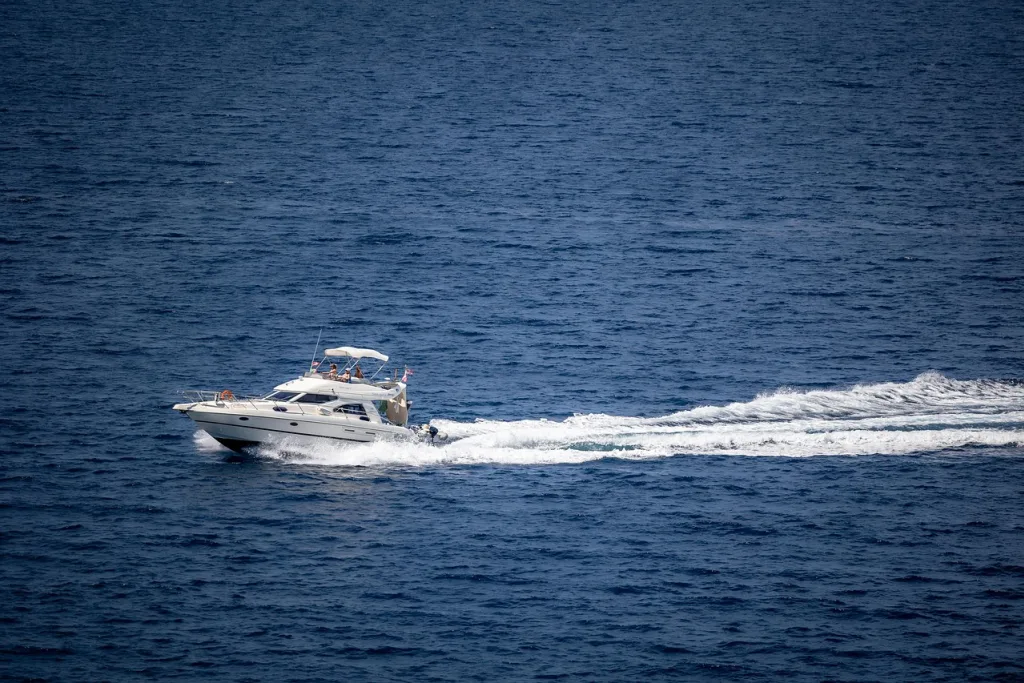
Picture this: you're slicing through the Hauraki Gulf on your sleek yacht, the salty breeze in your hair, when a sudden squall hits. Your pride and joy takes a battering—will your insurance have you c...
Sarah covers personal finance, tax, and KiwiSaver topics for Lifetimes NZ. She focuses on making money management straightforward and practical for everyday Kiwis.
Picture this: you're slicing through the Hauraki Gulf on your sleek yacht, the salty breeze in your hair, when a sudden squall hits. Your pride and joy takes a battering—will your insurance have you covered, or will you be left high and dry? For Kiwis who live for the water, boat, yacht and marine insurance in New Zealand 2026 isn't just a nice-to-have; it's essential peace of mind amid our unpredictable seas and tightening regulations.
With new maritime rules kicking in this year and major insurance law reforms reshaping the landscape, getting the right cover has never been more critical[3][1]. Whether you're a weekend fisher on a tinnie or a serious sailor with a luxury yacht, this guide breaks down everything you need to know—types of cover, key laws, costs, and tips to avoid claim pitfalls. Let's dive in.
Why You Need Boat, Yacht and Marine Insurance in 2026
New Zealand's coastline stretches over 15,000 kilometres, drawing us to the water like magnets. But with that comes risks: storms, collisions, theft, and even volcanic activity or tsunamis covered under natural hazards rules[1]. Skip the insurance, and you're gambling big—repairs on a mid-sized boat can easily top $50,000, while yacht refits run into hundreds of thousands.
In 2026, fresh maritime rules from Maritime NZ clarify safety standards for operators, pushing for modern practices that insurers now expect in policies[3]. Plus, the Contracts of Insurance Act 2024 (COIA)—royal assent in November 2024—overhauls how policies work, making them fairer for you with plain English terms and better claims handling[1][2]. No more nasty surprises from fine print.
Key Risks Kiwi Boaters Face
- Weather events: Storms and swells are common around our coasts, especially post-Cyclone Gabrielle lessons.
- Theft and vandalism: Popular spots like Auckland's Viaduct Harbour see rising incidents.
- Collisions and groundings: Busy waterways mean more bumps—think ferry paths in the Cook Strait.
- Environmental hazards: Up to NZD300,000 plus GST natural disaster cover via the Natural Hazards Insurance Act 2023 for floods, earthquakes, or tsunamis[1].
- Personal injury: ACC handles most under the Accident Compensation Act 2001, but marine-specific gaps exist[1].
Insurers now tailor policies for emerging tech too, like UAVs (drones) for boat ops, covering liability risks[1].
Types of Boat, Yacht and Marine Insurance Available
Marine insurance splits into a few main categories, governed partly by the Marine Insurance Act 1908 (MIA), though COIA 2024 takes precedence where they clash[1][6]. Here's what fits Kiwi needs:
Private Pleasure Craft Insurance (Boats and Yachts)
For your runabout, launch, or superyacht, this covers hull damage, machinery, and liability. Expect comprehensive policies including:
- Hull and machinery: Repairs from accidents or wear.
- Third-party liability: Up to $5-20 million for damage to others' property or injury.
- Theft and non-physical loss: Trailers, gear, and even fishing equipment.
- Racing extensions: For regattas like the NZ Yachting Nationals.
Premiums start around 1-2% of vessel value—say $1,000-$2,000/year for a $100,000 boat[5].
Commercial Marine Insurance
Fishermen, charter operators, and cargo haulers need broader cover. Includes protection and indemnity (P&I) for crew injuries (beyond ACC), pollution liability, and wreck removal. New 2026 rules demand safer ops, so policies now verify compliance[3].
Cargo and Freight Insurance
For transporting goods by sea, this indemnifies against loss or damage. While not NZ-specific like Kenya's local insurer rule, global standards apply[4].
All policies must uphold utmost good faith—breaches can void claims under MIA principles[1].
New Zealand Laws and Regulations Shaping Marine Insurance in 2026
Our insurance framework got a massive update with COIA 2024 and the upcoming Conduct of Insurance Intermediaries Act (CIA)[1][2]. Here's the rundown:
- Disclosure duties: Consumers no longer have a strict duty to disclose; it's a "fair presentation" for non-consumers. Proportionate remedies for slips—no full avoidance[2].
- Utmost good faith: Codified standalone duty; sue for breaches like dodgy claims handling[1].
- Claims and terms: Insurers must use plain English, handle claims promptly (damages for late payment), and nix unfair terms[2].
- Tax on premiums: Offshore insurers hit with 2.8% GST on gross premiums—payers act as agents via IRD[1].
- Marine specifics: MIA 1908 still applies but bows to COIA; ILRA-like rules for misstatements[1][6].
- Maritime rules: 2026 updates ensure safe practices, influencing underwriting[3].
Intermediaries (brokers) must pass your info to insurers, or face liability[2]. Market trends show hardening rates post-reforms, with court rulings tightening practices[5].
How to Choose and Buy the Right Policy
Don't grab the cheapest—match cover to your boat and habits. Steps for Kiwis:
- Assess your needs: Value your vessel (use TradeMe or broker valuations), usage (coastal or offshore?), and risks (racing? Commercial?).
- Shop around: Compare via brokers like NZ Marine Insurance Brokers or direct with insurers (Vero, Tower, State). Use tools on ird.govt.nz for tax implications[1].
- Check excesses and limits: Lower excesses hike premiums; aim for $1,000-$5,000.
- Bundle extras: Multi-policy discounts if you have home/contents; add personal effects or towing.
- Declare accurately: Skip details, risk claim denial under good faith rules[1].
Average 2026 premiums: $800-$5,000 for recreational boats, scaling with size/value[5]. Get quotes from three providers—online tools make it easy.
Practical Tips for Claims and Avoiding Pitfalls
Claims smooth? Follow these:
- Notify immediately—photos, logs, witness details.
- Prevent further loss (mitigation duty).
- Keep receipts for repairs.
- Avoid admissions of fault.
Common pitfalls: Undervaluing boats, no winter lay-up cover, or ignoring survey requirements for yachts over 10m. Post-2024 reforms, insurers can't dodge irrelevant warranty breaches[2].
Next Steps to Secure Your Cover
Ready to launch safely? Grab a free quote from a licensed broker today, review your current policy against 2026 rules, and survey your vessel if it's been a while. Chat with Maritime NZ for compliance checks (maritimenz.govt.nz), and bookmark IRD for tax bits. With smart insurance, more waves await—fair winds, Kiwis!
Frequently Asked Questions
Sources & References
-
1
Insurance & Reinsurance 2026 - New Zealand — Chambers Practice Guides — practiceguides.chambers.com
-
2
Insurance Law Reform in New Zealand – Professor Rob Merkin KC — duncancotterill.com — duncancotterill.com
-
3
New Maritime Rules taking effect in 2026 — maritimenz.govt.nz — www.maritimenz.govt.nz
-
4
New regulations for marine cargo insurance — atlas-mag.net — www.atlas-mag.net
-
5
New Zealand Insurance Market Trends Update 2026 — wottonkearney.com — www.wottonkearney.com
-
6
Insurance Contracts Bill - New Zealand Legislation — legislation.govt.nz — www.legislation.govt.nz