Rotorua Smells Like Sulfur Due to Geothermal Activity
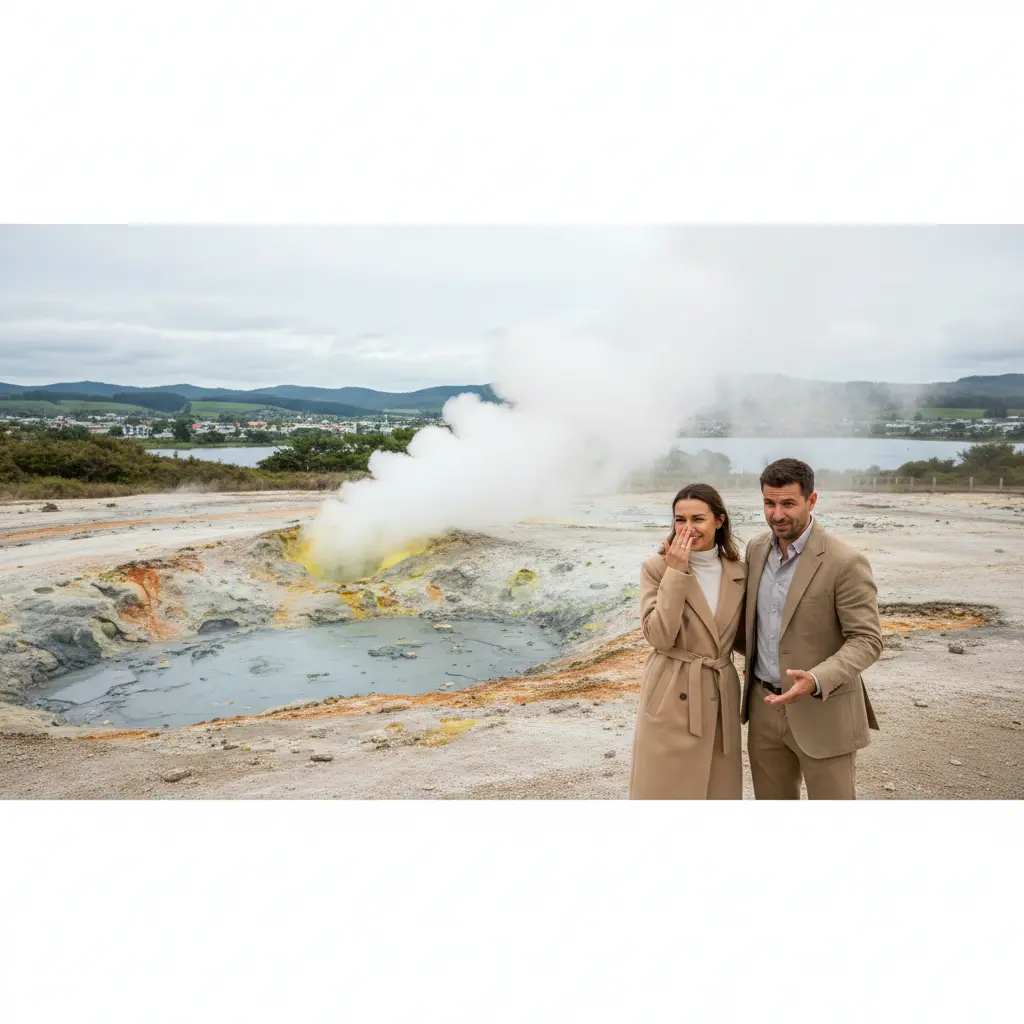
Introduction to Rotorua's Unique Smell Rotorua, a city located in the heart of New Zealand's North Island, is renowned for its stunning natural beauty, ric
Tom covers travel, lifestyle, and cost-of-living topics across New Zealand. He writes practical guides on transport, day trips, outdoor activities, and everyday life in Aotearoa.
Introduction to Rotorua's Unique Smell
Rotorua, a city located in the heart of New Zealand's North Island, is renowned for its stunning natural beauty, rich cultural heritage, and geothermal wonders. However, one aspect that often catches visitors off guard is the distinct smell of sulfur that permeates the air. If you're planning a trip to Rotorua or are simply curious about this phenomenon, you're in the right place. In this article, we'll delve into the reasons behind Rotorua's sulfur smell and provide you with practical information to make the most of your visit.
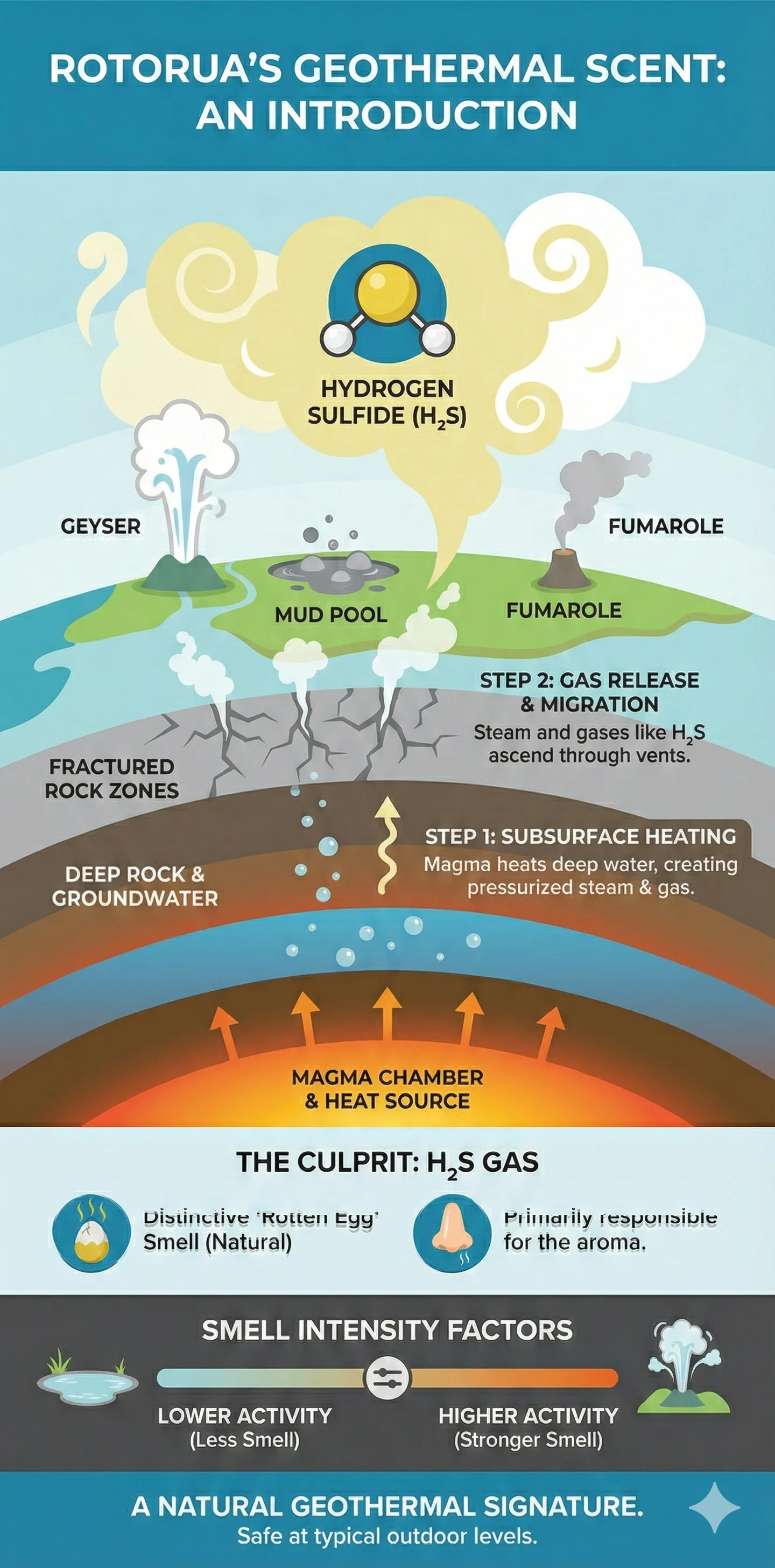
Rotorua's unique smell is a result of its geothermal activity, which is a natural process that occurs when hot water from beneath the Earth's surface comes into contact with the air. This process releases a range of gases, including hydrogen sulfide, which is responsible for the characteristic "rotten egg" smell. While it may take some getting used to, the smell is a small price to pay for the opportunity to experience Rotorua's incredible geothermal wonders.
As you explore Rotorua, you'll realise that the smell of sulfur is not just a quirky aspect of the city – it's also a reminder of the region's rich geological history. From Wai-O-Tapu to Hell's Gate, Rotorua is home to some of the most unique and fascinating geothermal attractions in the world. Whether you're interested in learning more about the science behind geothermal activity or simply want to experience the natural beauty of Rotorua, this article will provide you with everything you need to know.
Understanding Geothermal Activity
Geothermal activity occurs when hot water from beneath the Earth's surface rises to the surface, releasing heat and minerals. This process can create a range of geological features, including hot springs, geysers, and mud pools. In Rotorua, the geothermal activity is particularly pronounced, with many areas of the city experiencing significant geothermal heat and gas emissions.
The geothermal activity in Rotorua is driven by the city's location on the Taupo Volcanic Zone, a region of high volcanic activity that stretches from White Island in the north to Mount Ruapehu in the south. This zone is characterised by a high level of seismic activity, with many earthquakes and volcanic eruptions occurring over the years. As a result, the ground beneath Rotorua is highly permeable, allowing hot water and gases to rise to the surface with ease.
Some of the key factors that contribute to Rotorua's geothermal activity include:
- The presence of volcanic rocks, which provide a pathway for hot water and gases to rise to the surface
- The high water table, which allows groundwater to interact with the hot rocks and minerals beneath the surface
- The tectonic activity, which creates fractures and faults that allow hot water and gases to escape
Exploring Rotorua's Geothermal Attractions
Rotorua is home to a wide range of geothermal attractions, each with its own unique features and characteristics. Some of the most popular attractions include:
- Wai-O-Tapu: A geothermal park featuring colourful hot springs, geysers, and mud pools
- Hell's Gate: A geothermal reserve with a range of hot springs, mud pools, and geothermal formations
- Whakarewarewa Māori Village and Te Puia: A living Māori village with geothermal attractions, including hot springs and geysers
- Kuirau Park: A public park with geothermal features, including hot springs and mud pools
When visiting these attractions, it's essential to follow the rules and guidelines provided by the operators. This includes:
- Staying on designated paths and avoiding restricted areas
- Not touching or damaging the geothermal features
- Not removing any rocks or minerals from the area
- Respecting the cultural and spiritual significance of the attractions
Managing the Sulfur Smell
While the sulfur smell in Rotorua can be overwhelming at times, there are several ways to manage it and minimise its impact on your visit. Some tips include:
- Staying hydrated: Drinking plenty of water can help to reduce the impact of the sulfur smell on your senses
- Wearing a mask: If you're particularly sensitive to the smell, consider wearing a mask to filter out the gases
- Visiting attractions in the morning: The sulfur smell tends to be less pronounced in the morning, making it a good time to visit attractions
- Taking regular breaks: If you're feeling overwhelmed by the smell, take a break and get some fresh air
It's also worth noting that the sulfur smell can vary in intensity depending on the location and time of year. Some areas of Rotorua, such as the city centre, tend to have a weaker sulfur smell than others, such as the geothermal attractions. By being aware of these variations, you can plan your visit accordingly and make the most of your time in Rotorua.
Health and Safety Considerations
While the sulfur smell in Rotorua is generally not a health concern, there are some potential risks to be aware of. These include:
- Respiratory problems: People with pre-existing respiratory conditions, such as asthma, may find that the sulfur smell exacerbates their symptoms
- Skin and eye irritation: The gases and minerals released by the geothermal activity can cause skin and eye irritation in some individuals
- Slippery surfaces: The geothermal attractions can be slippery, particularly in areas with hot springs and mud pools
To minimise these risks, it's essential to:
- Follow safety guidelines: Pay attention to warning signs and follow the instructions provided by the attraction operators
- Wear protective clothing: Wear comfortable, sturdy shoes and consider bringing a change of clothes in case you get wet
- Stay informed: Check the weather forecast and attraction conditions before heading out, and be aware of any potential health risks
Conclusion and Key Takeaways
Rotorua's sulfur smell is an integral part of the city's unique character and geothermal charm. By understanding the science behind the smell and taking steps to manage it, you can make the most of your visit and enjoy all that Rotorua has to offer. Some key takeaways to keep in mind include:
- Geothermal activity is a natural process: The sulfur smell is a result of the geothermal activity, which is a natural process that occurs when hot water from beneath the Earth's surface comes into contact with the air
- Respect the attractions and environment: Follow the rules and guidelines provided by the attraction operators, and respect the cultural and spiritual significance of the geothermal attractions
- Take care of your health and safety: Be aware of the potential risks, such as respiratory problems and skin and eye irritation, and take steps to minimise them
- Enjoy the experience: Rotorua is a unique and fascinating city, and with the right mindset and preparation, you can have a truly unforgettable experience.
By following these tips and being mindful of the potential risks, you can make the most of your visit to Rotorua and enjoy all that this incredible city has to offer. Whether you're interested in geothermal wonders, Māori culture, or simply want to experience the natural beauty of New Zealand, Rotorua is a must-visit destination that is sure to leave a lasting impression.
Related Articles
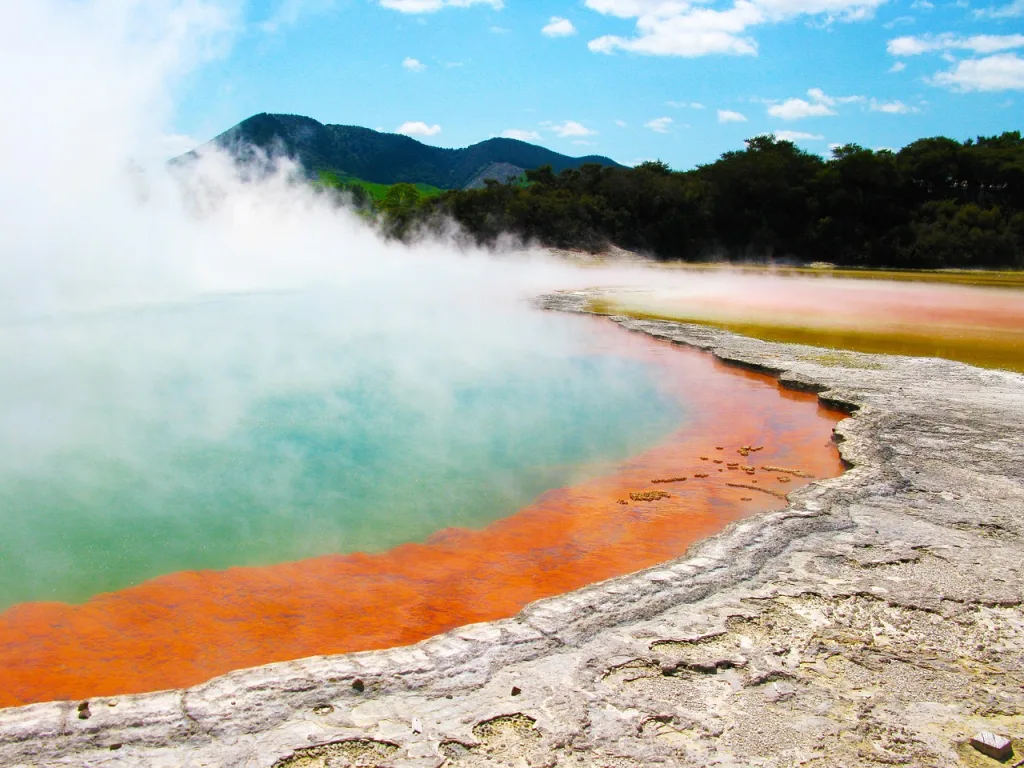
Champagne Pool Is 74°C and Effervesces Carbon Dioxide
Introduction to Champagne Pool Nestled in the heart of New Zealand's North Island, Wai-O-Tapu is a geothermal wonderland that showcases the country's uniqu
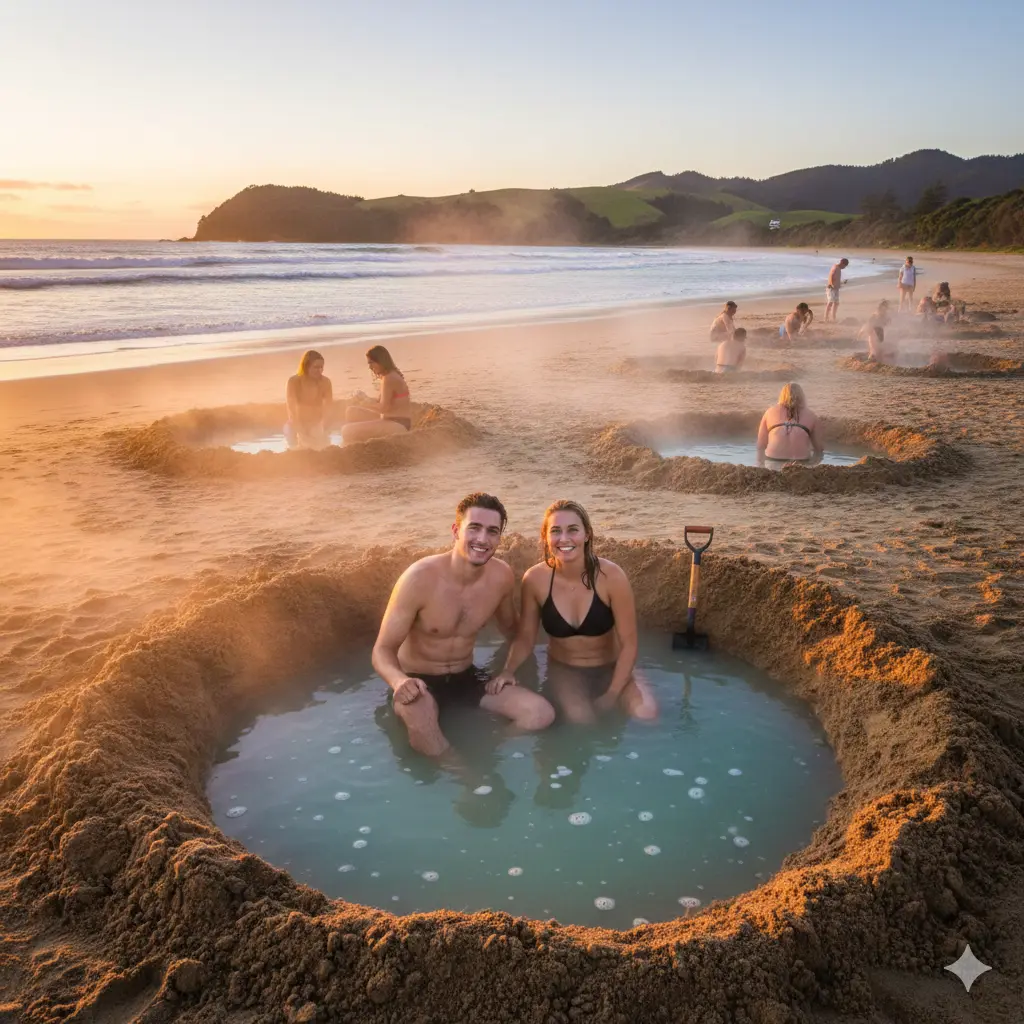
New Zealand Has Hot Water Beaches You Can Dig Your Own Spa
Introduction to New Zealand's Hot Water Beaches New Zealand is renowned for its stunning natural beauty, from the rugged mountains to the pristine beaches.

New Zealand Experiences About 15,000 Earthquakes Per Year
Introduction to New Zealand's Earthquakes New Zealand is a beautiful country, known for its stunning landscapes and unique geological features. However, i
Lake Taupo Erupts Every 900-1000 Years on Average
Introduction to Lake Taupo's Volcanic History Lake Taupo, situated in the centre of New Zealand's North Island, is a stunning natural wonder that attracts