New Zealand Experiences About 15,000 Earthquakes Per Year

Introduction to New Zealand's Earthquakes New Zealand is a beautiful country, known for its stunning landscapes and unique geological features. However, i
Emma writes about health, wellbeing, and ACC topics for Lifetimes NZ. She translates complex health information into clear, actionable advice for New Zealand readers.
Introduction to New Zealand's Earthquakes
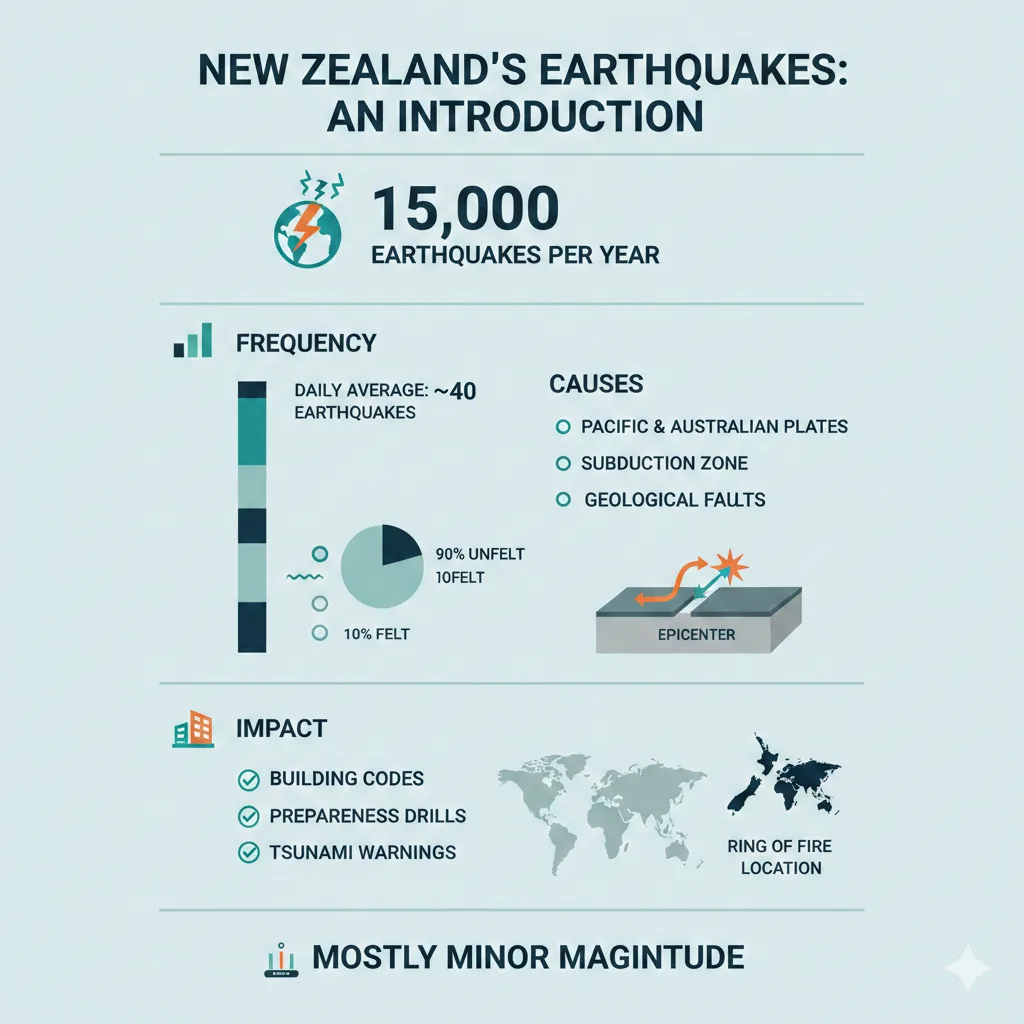
New Zealand is a beautiful country, known for its stunning landscapes and unique geological features. However, it's also a country that's prone to earthquakes. In fact, New Zealand experiences around 15,000 earthquakes per year, although most of them are small and don't cause any damage. As a New Zealander, it's essential to understand the risks associated with earthquakes and know how to prepare for them.
The reason New Zealand is so earthquake-prone is due to its location on the Pacific Ring of Fire, a 40,000km horseshoe-shaped zone of intense seismic and volcanic activity. This area is where several tectonic plates meet, causing the Earth's crust to shift and buckle, resulting in earthquakes. While earthquakes can be frightening, being prepared and knowing what to do during and after an earthquake can help keep you and your loved ones safe.
It's worth noting that while 15,000 earthquakes per year might sound like a lot, most of them are relatively small, with only a few hundred being strong enough to be felt. However, it's still crucial to be aware of the risks and take steps to prepare for the unexpected. In this article, we'll explore more about New Zealand's earthquakes, including what causes them, how to prepare for them, and what to do during and after an earthquake.
Understanding Earthquakes in New Zealand
To understand earthquakes in New Zealand, it's essential to know a bit about the country's geology. New Zealand is situated on the boundary between the Pacific and Australian tectonic plates. The Pacific plate is being pushed beneath the Australian plate, a process known as subduction, which causes the Earth's crust to deform and eventually break, resulting in earthquakes. This process is also responsible for the formation of New Zealand's mountain ranges, including the Southern Alps.
New Zealand's earthquakes can be categorised into several types, including:
- Tectonic earthquakes: These are the most common type of earthquake in New Zealand and are caused by the movement of the tectonic plates.
- Volcanic earthquakes: These occur when magma moves beneath a volcano, causing the ground to shake.
- Collapse earthquakes: These occur when a cave or underground space collapses, causing the ground to shake.
It's also important to understand the different types of earthquake waves, including:
- P-waves: These are the fastest type of wave and can travel through solid objects.
- S-waves: These waves are slower than P-waves and can only travel through solid objects.
- Surface waves: These waves travel along the surface of the Earth and are often the most destructive type of wave.
Earthquake Intensity and Magnitude
When talking about earthquakes, you might hear the terms intensity and magnitude used. While these terms are related, they're not the same thing. Magnitude refers to the size of the earthquake, usually measured on the Richter scale. Intensity, on the other hand, refers to the amount of shaking caused by the earthquake. In New Zealand, earthquake intensity is measured using the Modified Mercalli Intensity (MMI) scale, which ranges from I (not felt) to XII (extreme damage).
Preparing for Earthquakes
While it's impossible to predict when an earthquake will occur, there are steps you can take to prepare for one. Here are a few things you can do to get ready:
- Create an emergency plan: Develop a plan with your family that includes where to meet, how to contact each other, and what to do during an earthquake.
- Secure your home: Make sure heavy objects are securely fastened to walls, and any hazardous materials are stored safely.
- Practice earthquake drills: Regularly practice earthquake drills with your family to ensure everyone knows what to do during an earthquake.
- Have a disaster supplies kit: Put together a kit that includes essential items such as food, water, first aid supplies, and a battery-powered radio.
Some other things to consider when preparing for earthquakes include:
- Having a safe place to go: Identify a safe place to go during an earthquake, such as under a sturdy table or against an interior wall.
- Knowing how to turn off utilities: Learn how to turn off your utilities, such as gas and water, in case of an emergency.
- Staying informed: Stay up-to-date with the latest earthquake information and warnings from authorities.
What to Do During an Earthquake
If you're indoors during an earthquake, the best thing to do is to drop, cover, and hold on. This means:
- Dropping to the ground to reduce your risk of being knocked over
- Covering yourself under a sturdy piece of furniture, such as a table or desk
- Holding on to the furniture to keep it from moving away from you
If you're outdoors during an earthquake, the best thing to do is to move to an open area away from any buildings, power lines, or other hazards. If you're in a vehicle, pull over to a safe location and stay in your vehicle until the shaking stops.
What to Do After an Earthquake
After an earthquake, it's essential to check for injuries and provide assistance if needed. You should also:
- Check your home for damage: Look for any signs of damage, such as cracks in walls or broken glass.
- Check your utilities: Check your utilities, such as gas and water, to ensure they're working properly.
- Be cautious of aftershocks: Aftershocks can occur in the days, weeks, or even months following an earthquake, so it's essential to be prepared.
Some other things to consider after an earthquake include:
- Having a plan for alternative accommodation: If your home is damaged, have a plan for alternative accommodation, such as staying with friends or family.
- Knowing how to deal with stress: Earthquakes can be traumatic, so it's essential to know how to deal with stress and anxiety.
- Staying informed: Stay up-to-date with the latest information and updates from authorities.
Earthquake-Prone Areas in New Zealand
While earthquakes can occur anywhere in New Zealand, some areas are more prone to earthquakes than others. These areas include:
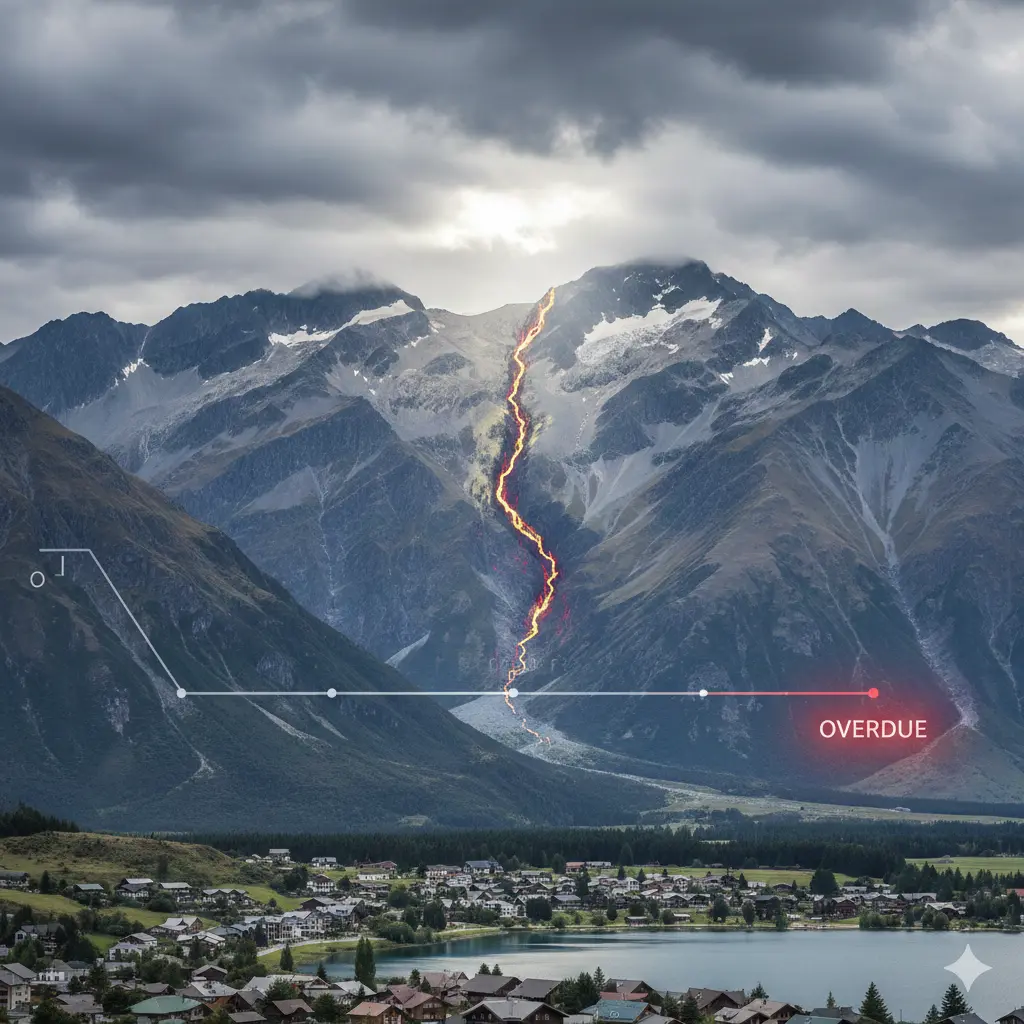
- The Alpine Fault: This fault runs along the western edge of the Southern Alps and is considered one of the most significant earthquake risks in New Zealand.
- The Hikurangi Subduction Zone: This zone runs along the eastern coast of the North Island and is capable of producing large, destructive earthquakes.
- The Wellington Fault: This fault runs through the centre of the North Island and is considered a significant earthquake risk.
If you live in one of these areas, it's essential to be extra prepared for earthquakes and have a plan in place in case of an emergency.
Conclusion and Key Takeaways
New Zealand's earthquakes can be unpredictable and potentially destructive, but by being prepared and knowing what to do during and after an earthquake, you can reduce your risk of injury or damage. Here are the key takeaways from this article:
- Create an emergency plan: Develop a plan with your family that includes where to meet, how to contact each other, and what to do during an earthquake.
- Secure your home: Make sure heavy objects are securely fastened to walls, and any hazardous materials are stored safely.
- Practice earthquake drills: Regularly practice earthquake drills with your family to ensure everyone knows what to do during an earthquake.
- Stay informed: Stay up-to-date with the latest earthquake information and warnings from authorities.
By following these tips and being prepared, you can help keep yourself and your loved ones safe during an earthquake. Remember, it's always better to be prepared and take steps to reduce your risk of injury or damage.
Related Articles
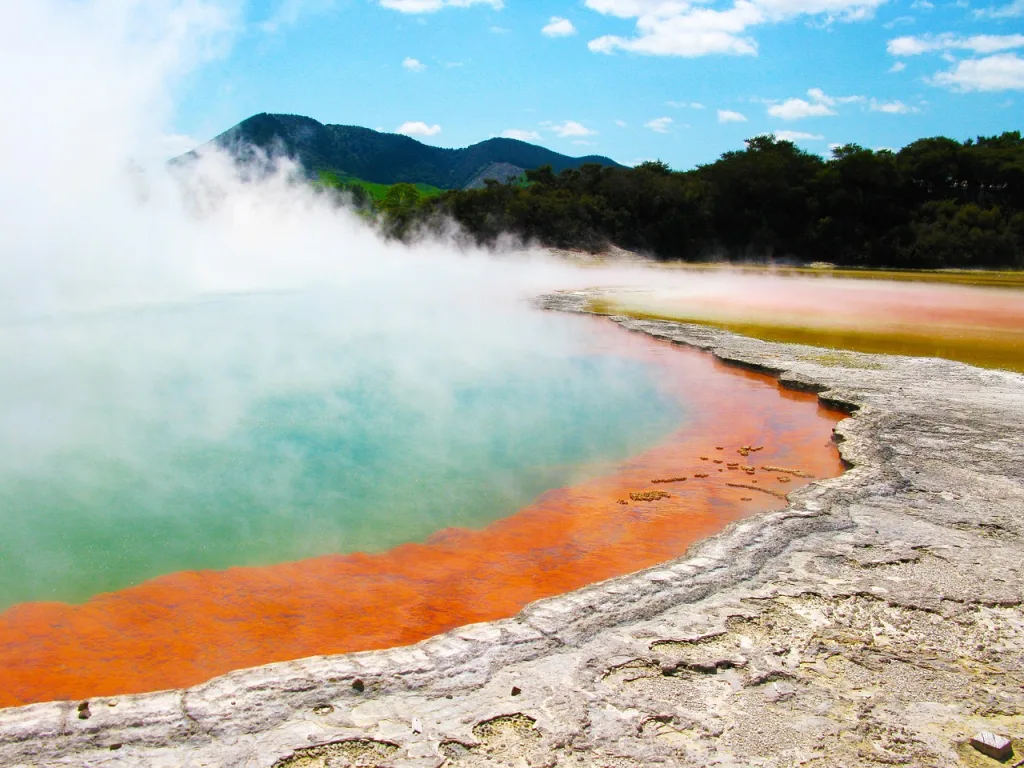
Champagne Pool Is 74°C and Effervesces Carbon Dioxide
Introduction to Champagne Pool Nestled in the heart of New Zealand's North Island, Wai-O-Tapu is a geothermal wonderland that showcases the country's uniqu
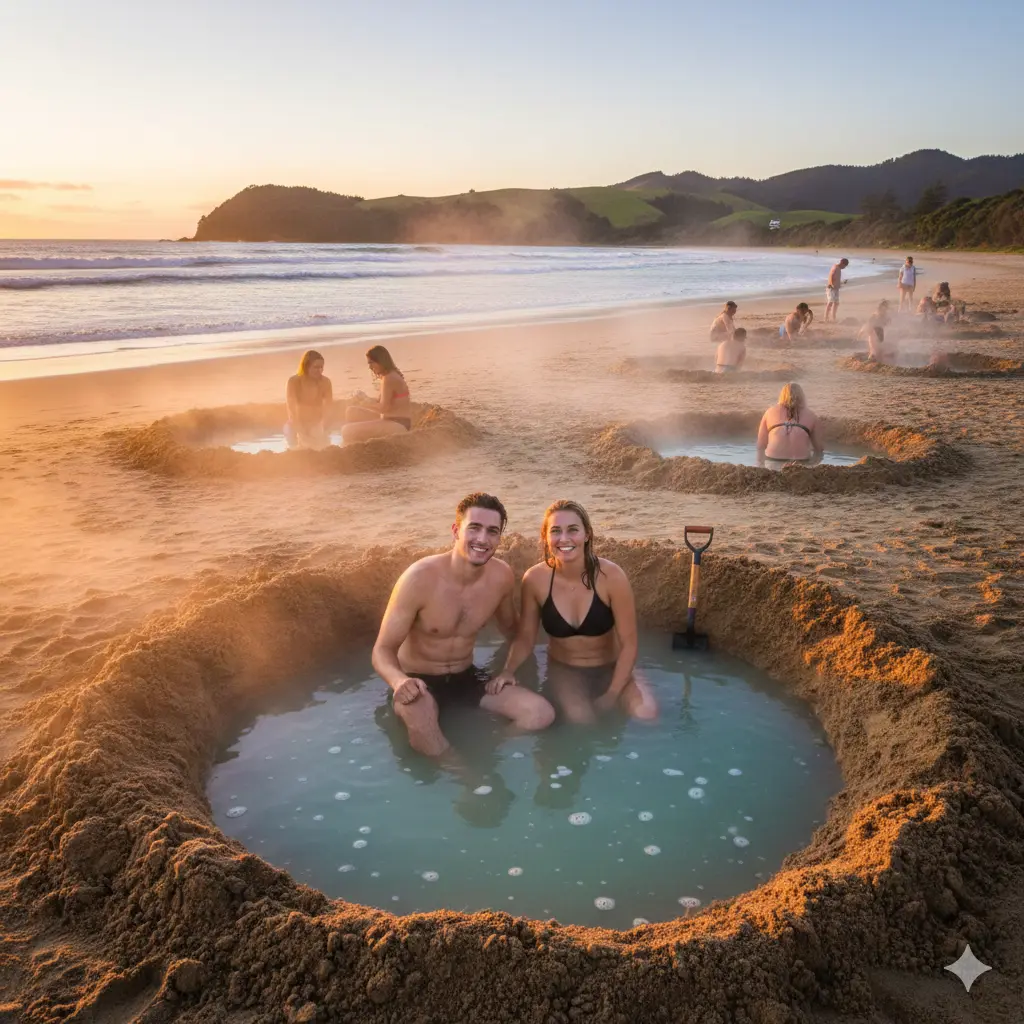
New Zealand Has Hot Water Beaches You Can Dig Your Own Spa
Introduction to New Zealand's Hot Water Beaches New Zealand is renowned for its stunning natural beauty, from the rugged mountains to the pristine beaches.
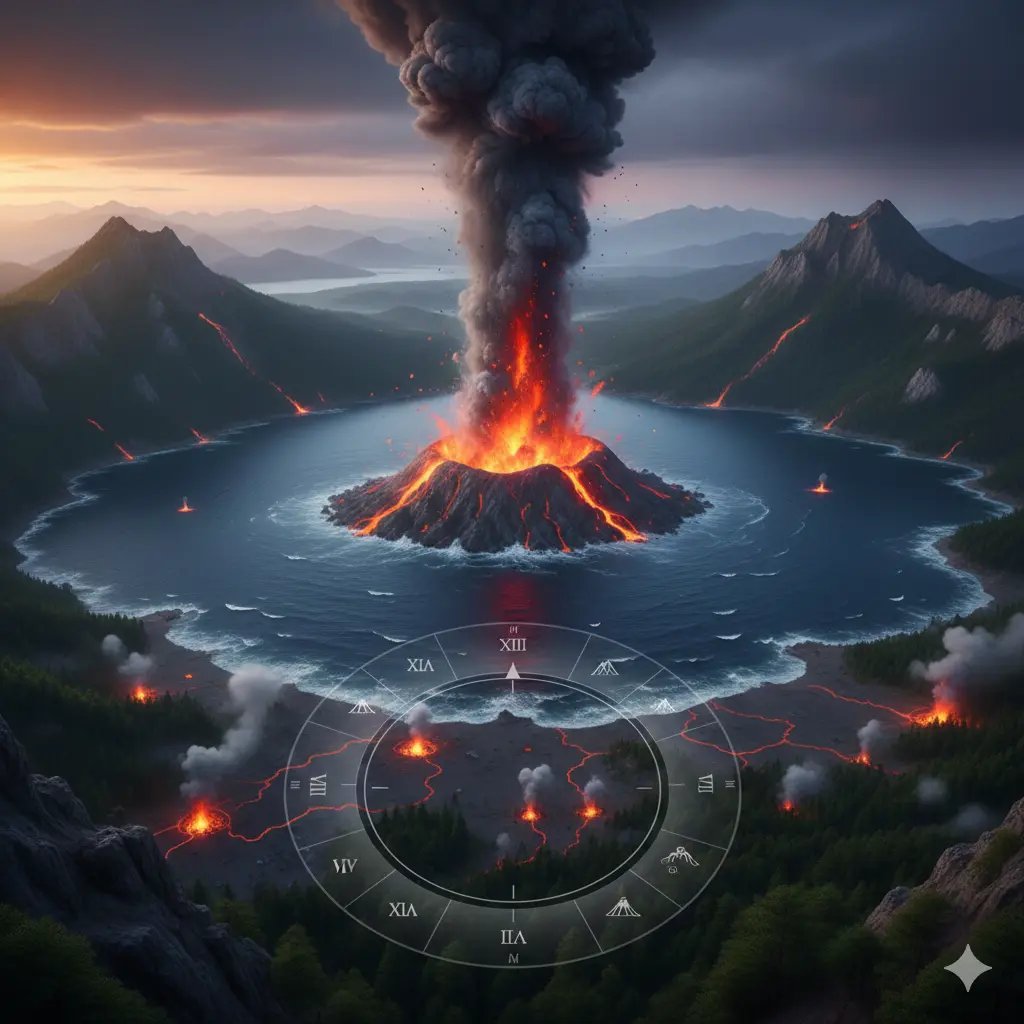
Lake Taupo Erupts Every 900-1000 Years on Average
Introduction to Lake Taupo's Volcanic History Lake Taupo, situated in the centre of New Zealand's North Island, is a stunning natural wonder that attracts
The Alpine Fault Is Overdue for a Major Earthquake
Introduction to the Alpine Fault The Alpine Fault is a significant geological feature that runs for over 850 kilometres along the western edge of the South