The Alpine Fault Is Overdue for a Major Earthquake
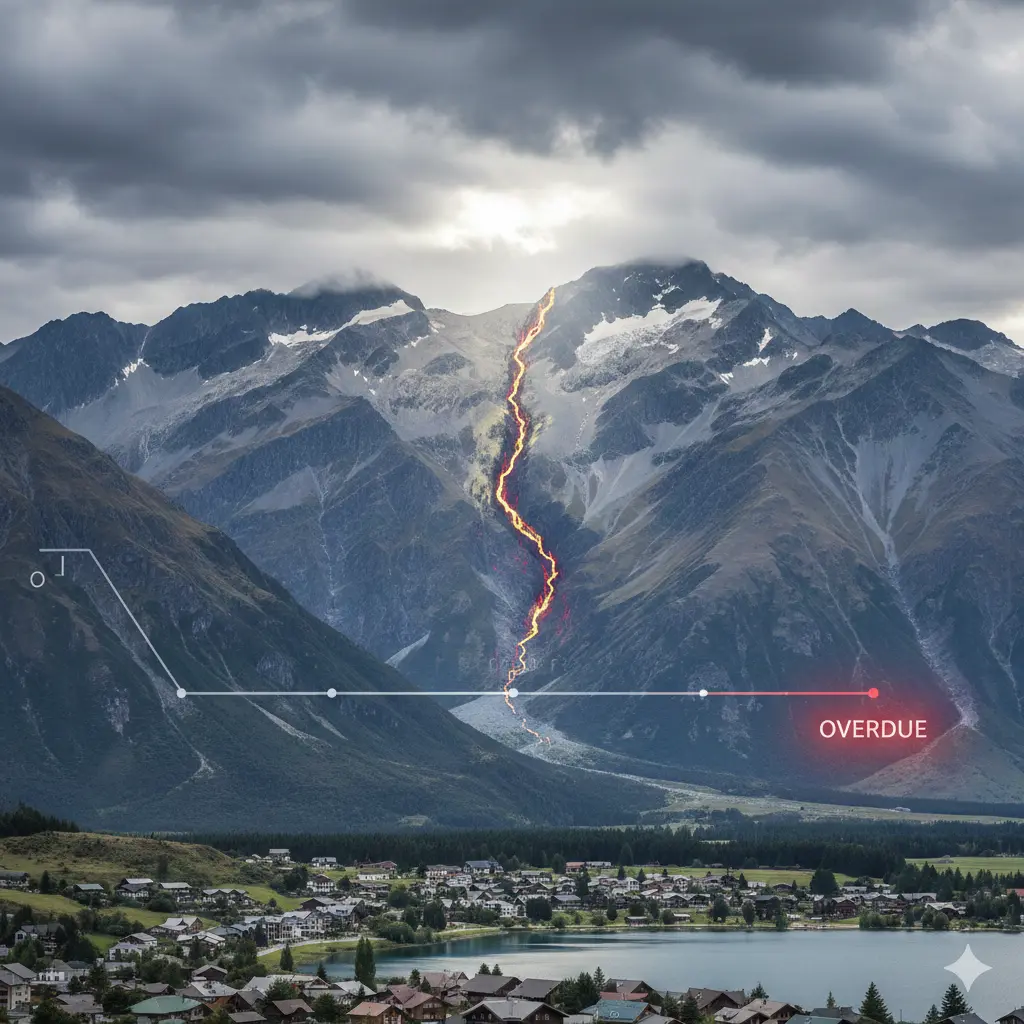
Introduction to the Alpine Fault The Alpine Fault is a significant geological feature that runs for over 850 kilometres along the western edge of the South
Aroha writes about parenting, education, and family life in Aotearoa. She covers school choices, childcare, family benefits, and practical advice for raising a family in New Zealand.
Introduction to the Alpine Fault
The Alpine Fault is a significant geological feature that runs for over 850 kilometres along the western edge of the Southern Alps in New Zealand. It is a transform fault, where the Pacific and Australian tectonic plates are sliding past each other. This fault is responsible for shaping the stunning landscape of the South Island, but it also poses a significant threat to the region. The Alpine Fault is considered overdue for a major earthquake, and it's essential for New Zealanders to understand the risks and be prepared.
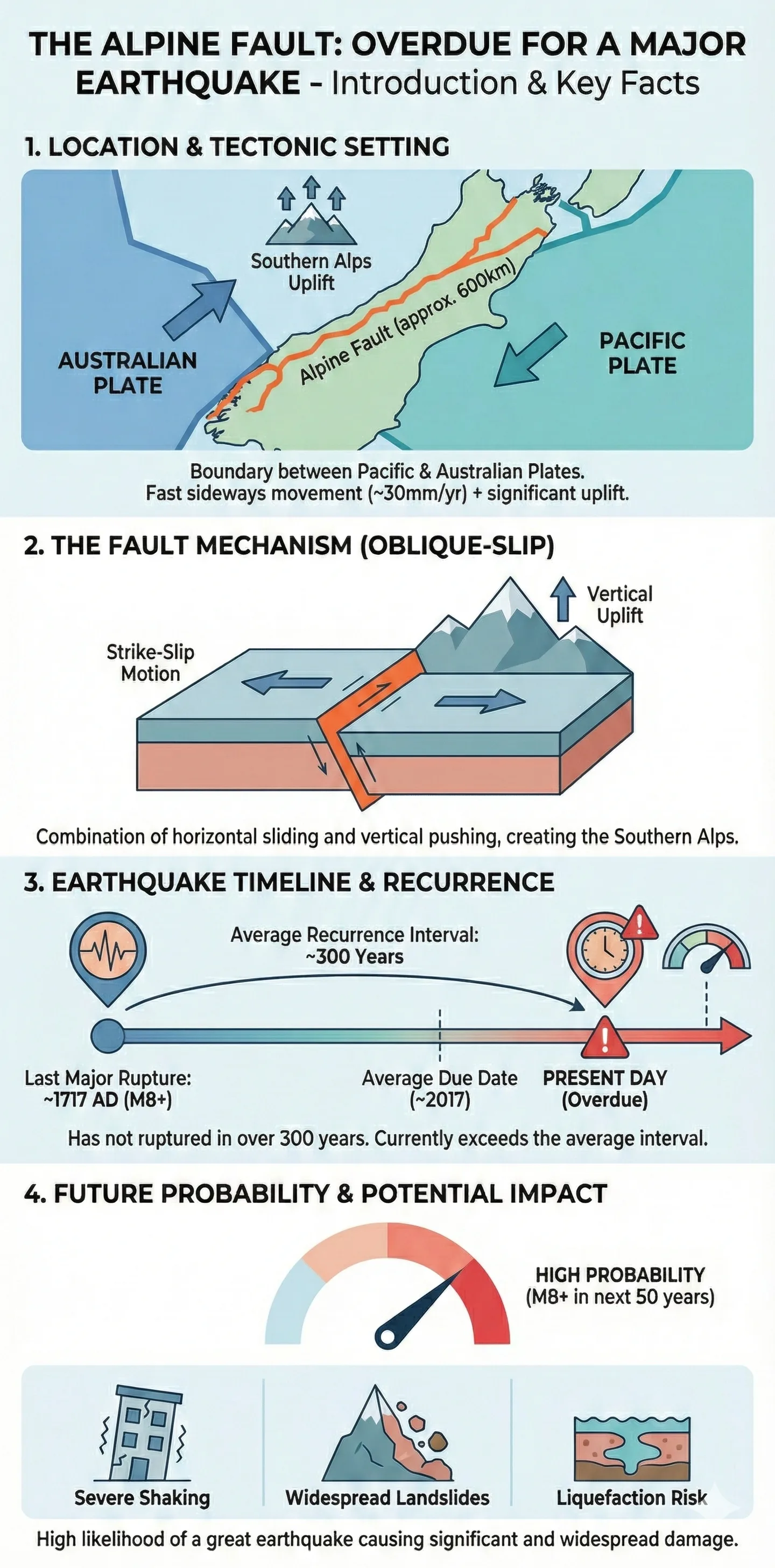
The Alpine Fault has a long history of producing significant earthquakes, with an average recurrence interval of around 330 years. The last major earthquake on the Alpine Fault occurred in 1717, which means it has been over 300 years since the fault has ruptured. This prolonged period of inactivity has led scientists to conclude that the fault is overdue for a major earthquake. While it's impossible to predict exactly when the next earthquake will occur, it's crucial for communities along the fault line to be prepared for the potential consequences.
As a New Zealander, it's vital to realise that the Alpine Fault is not just a regional issue, but a national concern. The impact of a major earthquake on the Alpine Fault could be felt across the country, with potential disruptions to infrastructure, economy, and daily life. In this article, we will delve into the science behind the Alpine Fault, the potential risks and consequences, and provide practical advice on how to prepare for a major earthquake.
Understanding the Science Behind the Alpine Fault
The Alpine Fault is a complex geological system, and understanding its behaviour is crucial for mitigating the risks associated with it. The fault is a plate boundary, where the Pacific and Australian tectonic plates are interacting. The Pacific plate is being pushed beneath the Australian plate, a process known as subduction. As the plates move past each other, they can become stuck, causing stress to build up. When the stress becomes too great, the plates will suddenly move, releasing the stored energy as an earthquake.
The Alpine Fault is not a single fault, but a fault system that comprises multiple branches and splays. The fault runs for over 850 kilometres, from Fiordland in the south to Marlborough in the north. The fault is divided into three main sections: the southern section, which runs from Fiordland to the Haast River; the central section, which runs from the Haast River to the Canterbury foothills; and the northern section, which runs from the Canterbury foothills to Marlborough. Each section has its unique characteristics and potential risks.
Potential Risks and Consequences
A major earthquake on the Alpine Fault could have devastating consequences for the surrounding regions. The impact would depend on various factors, including the magnitude of the earthquake, the location of the epicentre, and the effectiveness of emergency response plans. Some of the potential risks and consequences include:
- Widespread destruction: A major earthquake could cause significant damage to buildings, infrastructure, and homes, particularly in areas with poor soil quality or inadequate building codes.
- Landslides and rockfalls: The earthquake could trigger landslides and rockfalls, blocking rivers and causing flooding.
- Tsunamis: If the earthquake occurs offshore, it could generate a tsunami that would affect coastal communities.
- Disruption to essential services: The earthquake could disrupt essential services, including power, water, and communication networks.
- Economic impact: A major earthquake could have a significant impact on the local and national economy, particularly if it affects key industries such as tourism, agriculture, or forestry.
Preparing for a Major Earthquake
While it's impossible to predict exactly when the next earthquake will occur, there are steps you can take to prepare for a major earthquake. Here are some practical tips:
- Create an emergency plan: Develop a plan with your family, including a communication strategy, evacuation routes, and a meeting point.
- Build an emergency kit: Assemble a kit with essential items, such as:
Water (at least 3 litres per person per day)
-
Non-perishable food
-
First aid kit
-
Battery-powered radio and torch
-
Warm clothing and blankets
-
Important documents (e.g., insurance policies, identification)
-
Secure your home: Take steps to secure your home, including:
Anchoring heavy furniture and appliances to walls
-
Storing heavy objects on low shelves
-
Installing earthquake-resistant fasteners
-
Stay informed: Stay up-to-date with the latest information and warnings from authorities, such as the National Emergency Management Agency (NEMA) and the GeoNet website.
Community Preparedness and Response
Community preparedness and response are critical in mitigating the impact of a major earthquake. Here are some ways you can get involved:
- Join a local emergency response group: Many communities have emergency response groups that provide training and support during emergencies.
- Attend earthquake drills and exercises: Participate in earthquake drills and exercises to practice your emergency plan and identify areas for improvement.
- Support local emergency services: Consider volunteering or donating to local emergency services, such as fire brigades or St John Ambulance.
- Stay connected with your community: Build relationships with your neighbours and community members to help each other during an emergency.
Staying Safe During an Earthquake
If you are in an area affected by a major earthquake, here are some tips to stay safe:
- Drop, Cover, and Hold: If you are indoors, drop to the ground, take cover under a sturdy piece of furniture, and hold onto it to protect yourself from falling debris.
- Stay away from hazards: Avoid hazards such as falling objects, broken glass, and exposed wiring.
- Evacuate if necessary: If you are in a coastal area and a tsunami warning is issued, evacuate immediately to higher ground or a designated safe zone.
- Follow evacuation routes: If you need to evacuate, follow the recommended evacuation routes and instructions from authorities.
Conclusion and Key Takeaways
The Alpine Fault is a significant geological feature that poses a major threat to the South Island and New Zealand as a whole. While it's impossible to predict exactly when the next earthquake will occur, it's essential to be prepared and take steps to mitigate the risks. Here are the key takeaways from this article:
- The Alpine Fault is overdue for a major earthquake, with a recurrence interval of around 330 years.
- Understanding the science behind the Alpine Fault is crucial for mitigating the risks associated with it.
- Preparing for a major earthquake involves creating an emergency plan, building an emergency kit, securing your home, and staying informed.
- Community preparedness and response are critical in mitigating the impact of a major earthquake.
- Staying safe during an earthquake involves dropping, covering, and holding, staying away from hazards, evacuating if necessary, and following evacuation routes.
By being informed, prepared, and proactive, you can help reduce the risks associated with the Alpine Fault and keep yourself and your loved ones safe. Remember, earthquake preparedness is a shared responsibility, and every individual, community, and organisation has a role to play in mitigating the impact of a major earthquake.
Related Articles
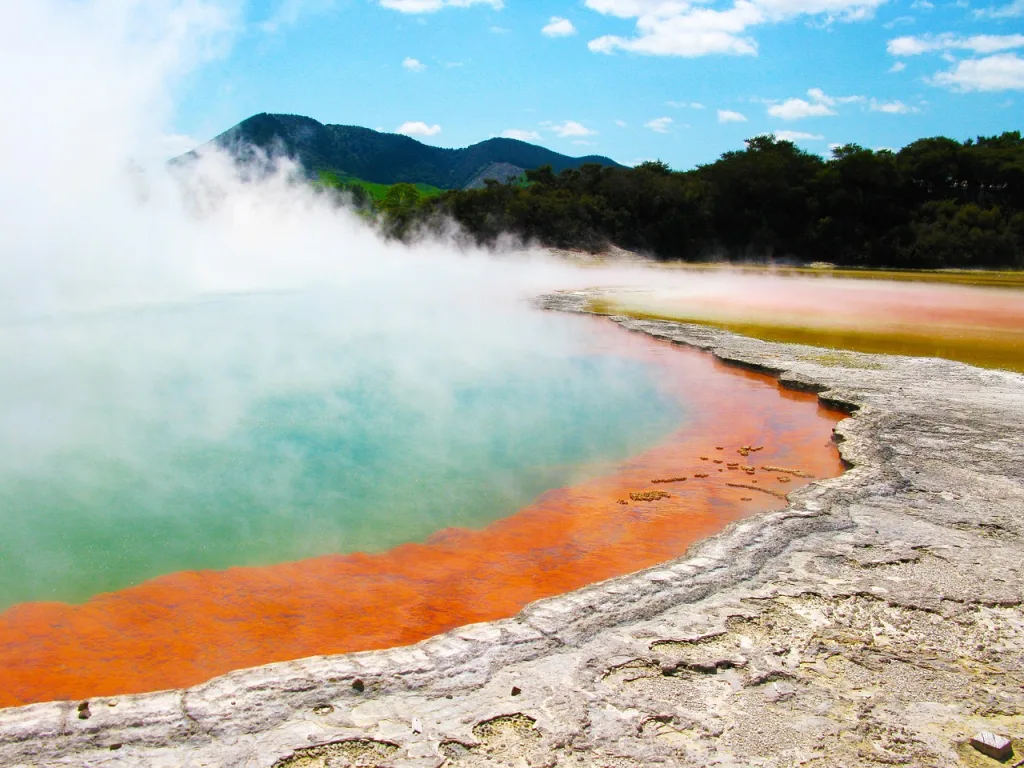
Champagne Pool Is 74°C and Effervesces Carbon Dioxide
Introduction to Champagne Pool Nestled in the heart of New Zealand's North Island, Wai-O-Tapu is a geothermal wonderland that showcases the country's uniqu

New Zealand Has Hot Water Beaches You Can Dig Your Own Spa
Introduction to New Zealand's Hot Water Beaches New Zealand is renowned for its stunning natural beauty, from the rugged mountains to the pristine beaches.

New Zealand Experiences About 15,000 Earthquakes Per Year
Introduction to New Zealand's Earthquakes New Zealand is a beautiful country, known for its stunning landscapes and unique geological features. However, i

Lake Taupo Erupts Every 900-1000 Years on Average
Introduction to Lake Taupo's Volcanic History Lake Taupo, situated in the centre of New Zealand's North Island, is a stunning natural wonder that attracts