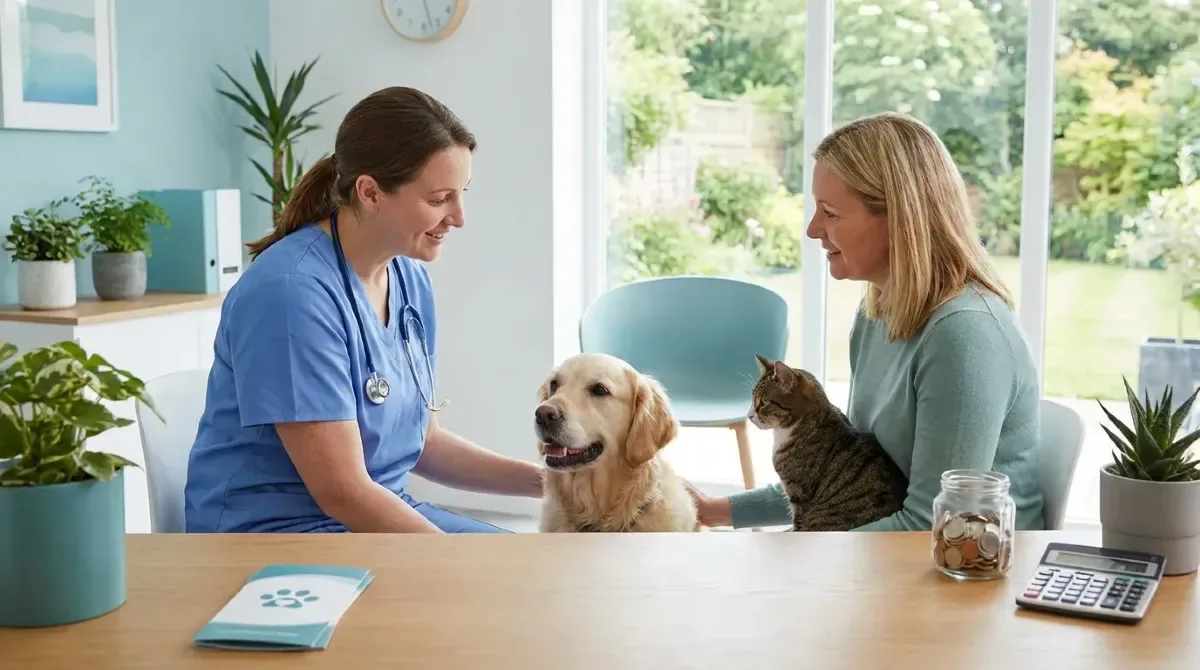
Senior Pet Care: Looking After Older Animals
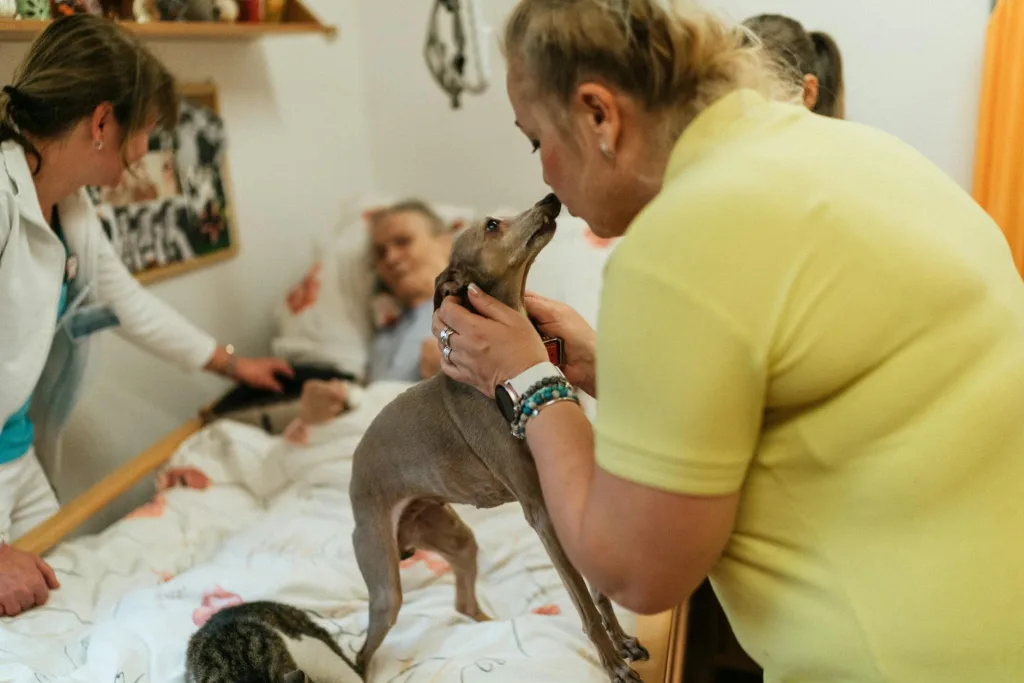
As our beloved pets enter their golden years, watching them slow down tugs at our Kiwi hearts. But with the right senior pet care, we can help our furry mates enjoy longer, happier lives right here in...
The Lifetimes NZ editorial team curates, fact-checks, and updates guides on personal finance, property, health, immigration, legal, business, and lifestyle topics relevant to Lifetimes NZ readers. Articles are produced with AI assistance and reviewed by the editorial team before publication.
As our beloved pets enter their golden years, watching them slow down tugs at our Kiwi hearts. But with the right senior pet care, we can help our furry mates enjoy longer, happier lives right here in Aotearoa—think tailored nutrition, gentle exercise, and regular vet check-ups to keep them comfortable through our changing seasons.
Understanding Senior Pets in New Zealand
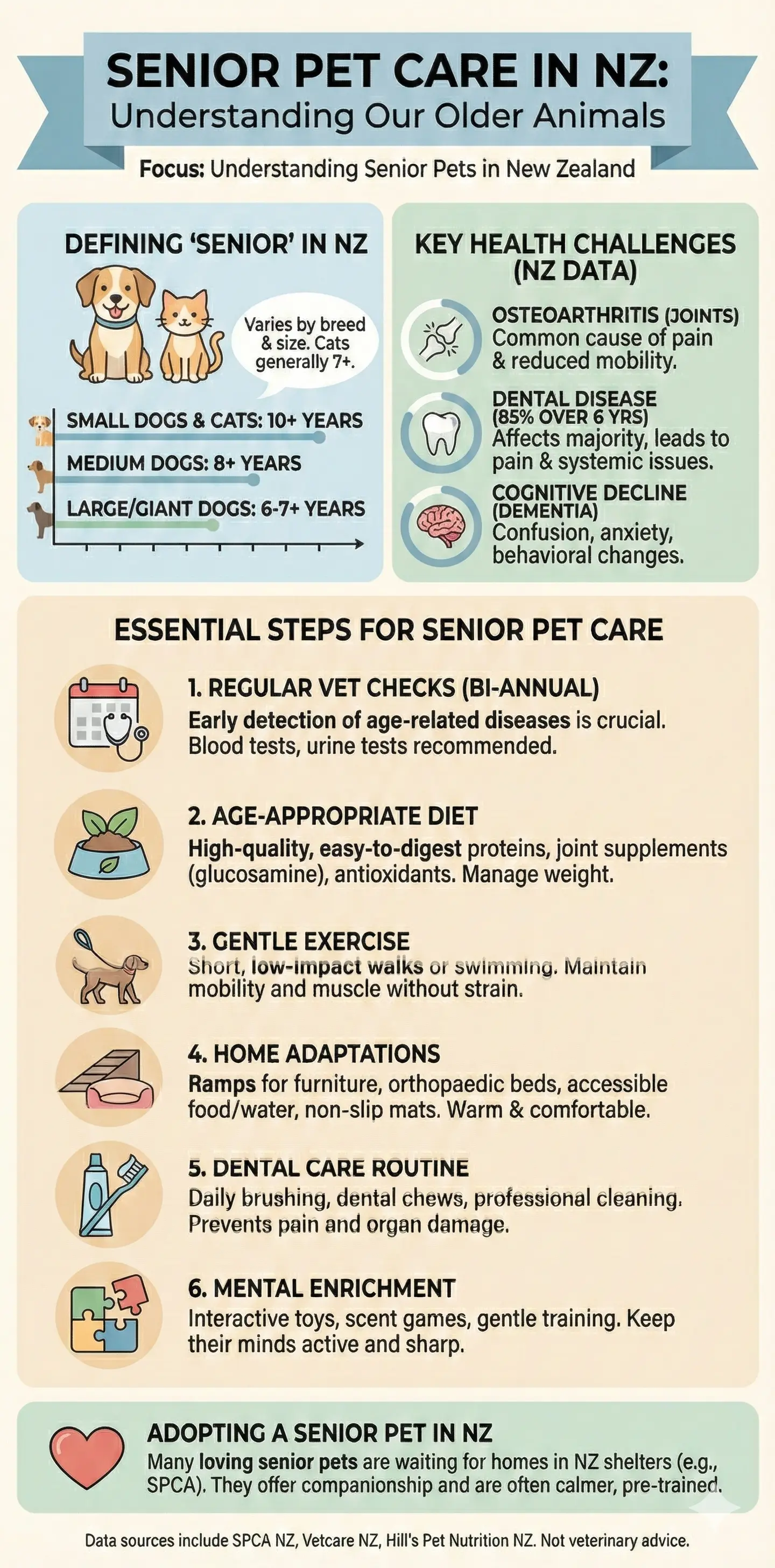
Senior pets are generally considered those aged 7 years and older, though this varies by breed and size—smaller dogs and cats often live longer than larger ones.Senior pet care focuses on addressing age-related changes like reduced mobility, dental issues, and slower metabolism. In New Zealand's diverse climate, from chilly South Island winters to humid North Island summers, these needs become even more pronounced.
Many Kiwis share their homes with older animals, and organisations like The Pet Connection People offer vital support, especially for elderly owners. They provide dog walking, vet transport, and long-term fostering plans to ensure pets are cared for if their humans can no longer manage.
Common Age-Related Changes
- Joint stiffness and arthritis: More common in dogs, leading to reluctance to climb stairs or jump.
- Dental problems: Plaque buildup causes pain and eating difficulties in both cats and dogs.
- Weight gain or loss: Slower metabolism means easier weight gain, while kidney issues can cause unexplained loss.
- Cognitive decline: Similar to dementia, with confusion or changes in behaviour.
- Organ function decline: Kidneys, heart, and liver may weaken, needing early detection.
Spotting these early makes all the difference. If your pet naps more, seems stiff after walks, or drinks excessively, it's time for a vet visit.
Nutrition for Older Pets: Fuel for Golden Years
Senior pets need diets adjusted for lower calorie needs but higher in quality nutrients like omega-3s for joints, antioxidants for immunity, and glucosamine for mobility. Switch to senior-specific formulas around age 7 to support kidney health, heart function, and cognitive sharpness.
Top Nutrition Tips Tailored for Kiwis
- Choose high-quality proteins: Brands like Hill's Science Diet Senior, Royal Canin breed-specific ranges, or ZIWI air-dried options provide digestible meat with added joint support. Avoid high-calorie adult foods to prevent obesity.
- Incorporate supplements: Omega-3s, glucosamine (e.g., 4CYTE or VetPlus), and probiotics help with stiffness and digestion. Always consult your vet first, especially for pets on medication.
- Seasonal adjustments: In winter, warm their food slightly to encourage eating; in summer, ensure constant fresh water to combat dehydration.
- Dental-friendly options: kibble that cleans teeth or wet food for easier chewing if dental issues arise.
Feed smaller, more frequent meals to aid digestion and maintain steady energy. Monitor weight monthly—adjust portions if needed to keep your pet at a healthy body condition score.
Exercise and Mobility: Keeping Them Moving Gently
Exercise remains crucial for senior pets to maintain muscle tone, joint health, and mental stimulation, but it must be low-impact to avoid strain. Aim for shorter sessions more often, adapting to New Zealand's outdoor lifestyle.
Practical Exercise Ideas
- Short walks on soft surfaces: 10-15 minute strolls in parks like Auckland Domain or local beaches—avoid hard pavements.
- Indoor play: Use soft toys, food puzzles, or laser pointers for cats to engage without jumping.
- Swimming or hydrotherapy: Ideal for arthritic joints; many NZ vets offer pools.
- Sniffaris: Let them explore scents in the garden—mental exercise counts too.
Provide ramps for cars, beds, or couches, and orthopaedic bedding for comfort. Regular grooming prevents matts, especially for cats with mobility limits.
Veterinary Care: The Cornerstone of Senior Pet Health
Regular vet visits are non-negotiable for seniors. Vets recommend check-ups every 6-12 months, as one pet year equals several human ones, allowing early detection of issues like cancer, diabetes, or kidney disease.
What's Included in a Senior Check-Up?
- Nose-to-tail physical exam.
- Blood and urine tests for organ function.
- Joint, dental, and weight assessments.
- Lump and bump checks.
- Vaccinations, worming, and flea control—keep these up-to-date regardless of age.
In NZ, clinics like Lower Hutt Vet or Pet Doctors The Gardens specialise in senior services. For owners facing challenges, The Pet Connection People can assist with transport.
"With proper health care management, older pets can live... well over the equivalent of 100 human years!"
Home Environment and Daily Comforts
Adapt your home for ease: non-slip mats on floors, raised food bowls, and quiet rest spots reduce stress. Calming aids help anxious seniors, and low-fat treats reward good behaviour without packing on kilos.
Groom regularly to check skin and coat health. For end-of-life planning, discuss options with your vet or SPCA—senior pets are often calmer and make rewarding companions.
Support for Kiwi Pet Owners
We're lucky in NZ to have resources like the SPCA for adoption advice and Age Concern for senior-human pet support. If mobility is an issue, volunteer services ensure your pet gets walks and care.
FAQ: Senior Pet Care Questions
How often should I take my senior pet to the vet?
Every 6-12 months for comprehensive check-ups, including bloodwork.
What food is best for senior dogs in NZ?
Senior formulas with joint support like Royal Canin or ZIWI, lower in calories but nutrient-dense.
Can older cats still exercise?
Yes—gentle play and scent games keep them active without strain.
How do I help my arthritic dog?
Use ramps, supplements, and hydrotherapy; vet-prescribed pain relief if needed.
What if I can't care for my senior pet anymore?
Contact The Pet Connection People for fostering plans or SPCA for rehoming.
Are senior pets harder to adopt?
No—they're often calmer and pre-trained, but get a vet check first.
Next Steps for Your Senior Pet's Best Life
Start today: book a vet check-up, review their diet, and tweak their exercise routine. Small changes add up to quality time together. Chat with your local vet or reach out to support services—your older animal deserves the best senior pet care we can give. With our practical tips, they'll be pottering happily through Kiwi life for years to come.