New Zealand Conducts Antarctic Research from Scott Base
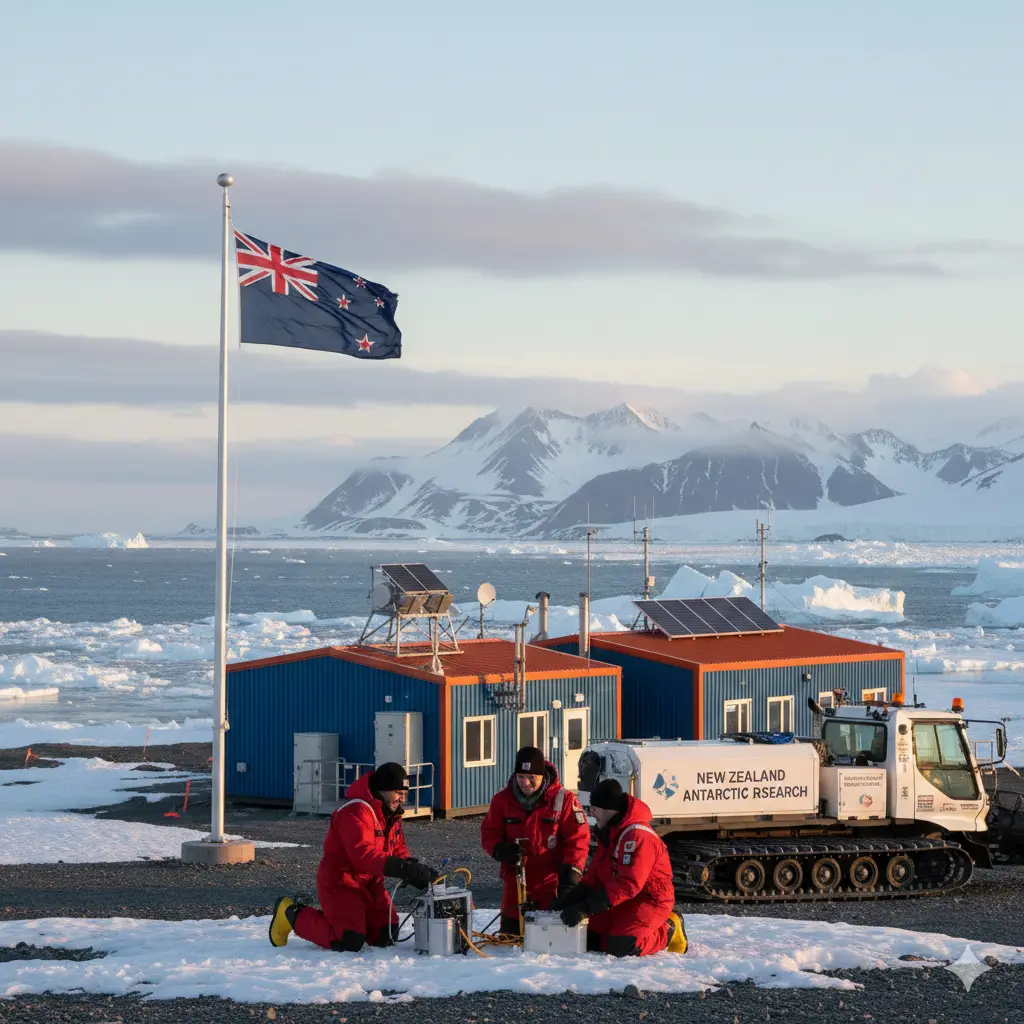
Introduction to New Zealand's Antarctic Research New Zealand has a long history of conducting research in Antarctica, with a strong focus on understanding
James writes about the New Zealand property market, renting, home ownership, and housing costs. He breaks down complex property topics into practical advice for renters and buyers.
Introduction to New Zealand's Antarctic Research
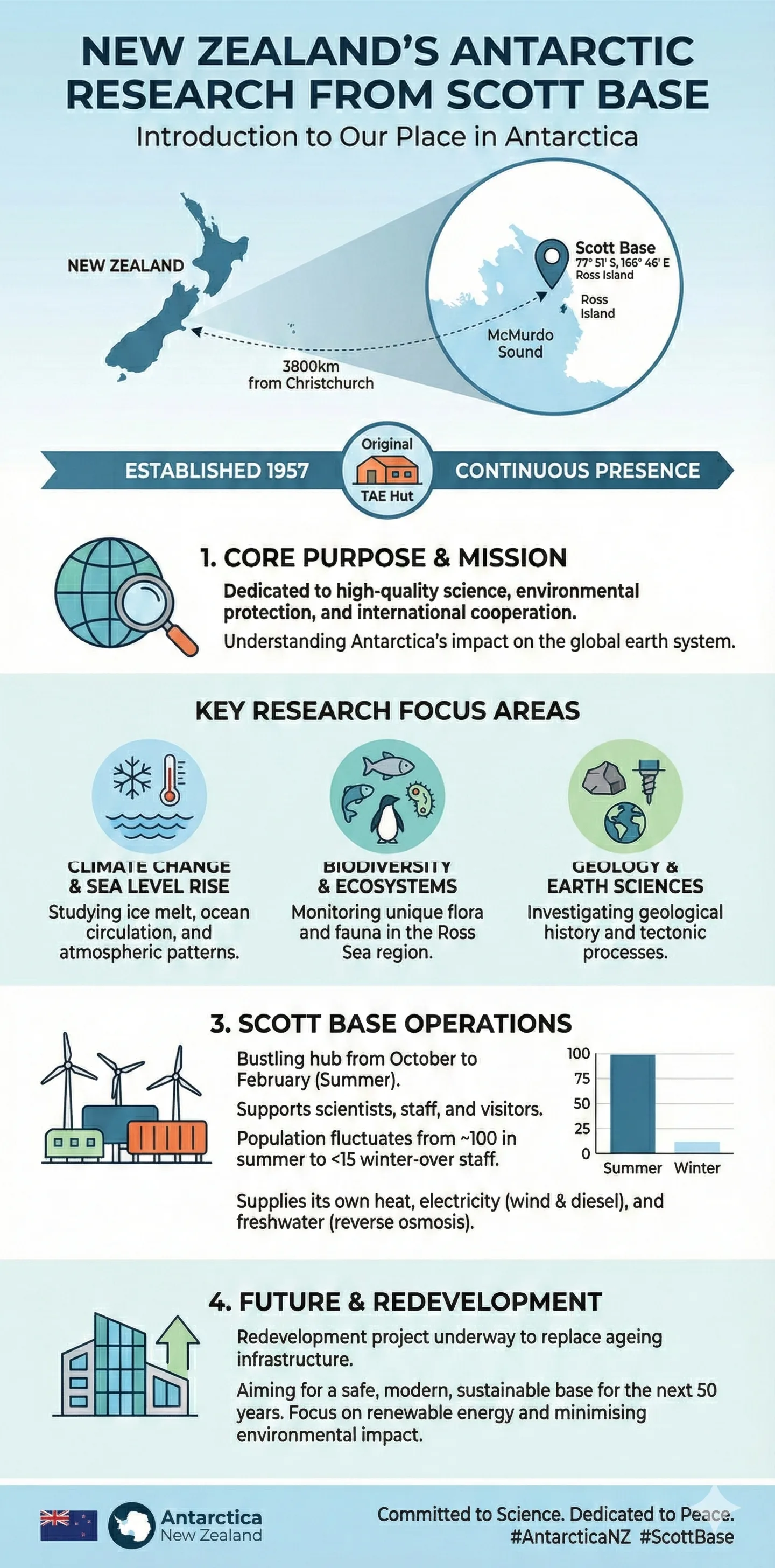
New Zealand has a long history of conducting research in Antarctica, with a strong focus on understanding the continent's unique and fragile environment. Located on the southern tip of Ross Island, Scott Base is New Zealand's permanent research station in Antarctica. The base is named after British explorer Robert Falcon Scott, who led two expeditions to the Antarctic region in the early 20th century. From Scott Base, New Zealand scientists and researchers conduct a wide range of studies, including climate change, geology, and biology.
New Zealand's involvement in Antarctic research is not only important for advancing our knowledge of the continent, but also for contributing to the global understanding of climate change and its impacts. As a signatory to the Antarctic Treaty, New Zealand is committed to protecting the Antarctic environment and promoting international cooperation in the region. By conducting research from Scott Base, New Zealand is able to play a key role in these efforts and make a significant contribution to the global scientific community.
If you're interested in learning more about New Zealand's Antarctic research programme, you're in the right place. In this article, we'll take a closer look at the types of research being conducted from Scott Base, the challenges and opportunities of working in Antarctica, and how you can get involved in this exciting field. Whether you're a student, a scientist, or simply someone with a passion for the environment, you'll find plenty of interesting and informative content in the following sections.
The Types of Research Conducted at Scott Base
The research programme at Scott Base is diverse and covers a wide range of topics, including climate change, geology, biology, and astronomy. Some of the key areas of focus include:
- Climate change: Scientists at Scott Base are working to understand the impacts of climate change on the Antarctic environment, including the effects of warming temperatures on ice sheets, sea levels, and ecosystems.
- Geology: New Zealand researchers are studying the geology of Antarctica, including the formation of the continent, the movement of tectonic plates, and the creation of mountain ranges.
- Biology: Biologists at Scott Base are investigating the unique and diverse range of plant and animal species that call Antarctica home, including penguins, seals, and krill.
- Astronomy: The clear skies and lack of light pollution at Scott Base make it an ideal location for astronomical research, including the study of the southern hemisphere's unique astronomical features.
These are just a few examples of the many exciting research projects being conducted at Scott Base. By studying the Antarctic environment and the processes that shape it, scientists can gain a deeper understanding of the Earth's systems and the impacts of human activity on the planet.
The Challenges of Working in Antarctica
Working in Antarctica is not without its challenges. The extreme climate, remote location, and lack of infrastructure make it one of the most difficult and inhospitable places on Earth. Scientists and researchers at Scott Base must be prepared to face:
- Extreme temperatures: Temperatures at Scott Base can drop as low as -40°C in winter and rise to 10°C in summer.
- Isolation: The base is located over 4,000 kilometres from New Zealand, making it a long and difficult journey to and from the continent.
- Limited resources: The remote location of Scott Base means that resources, including food, fuel, and medical supplies, must be carefully managed and conserved.
Despite these challenges, the rewards of working in Antarctica are significant. The opportunity to contribute to cutting-edge research, to experience the unique and breathtaking landscape of the continent, and to be part of a close-knit and supportive community make it a once-in-a-lifetime experience for many scientists and researchers.
Getting Involved in Antarctic Research
If you're interested in getting involved in Antarctic research, there are several ways to do so. You could:
- Pursue a career in science: If you're a student or recent graduate, you could consider pursuing a career in a field related to Antarctic research, such as biology, geology, or physics.
- Apply for a research position: New Zealand's Antarctic research programme offers a range of research positions, from graduate students to experienced scientists.
- Participate in a citizen science project: There are many citizen science projects that allow you to contribute to Antarctic research from the comfort of your own home, such as classifying images of penguin colonies or analysing data on climate change.
By getting involved in Antarctic research, you can make a real difference to our understanding of the continent and its role in the global environment. You'll also have the opportunity to be part of a vibrant and dynamic community of scientists and researchers who are passionate about advancing our knowledge of the Earth's systems.
The Importance of International Cooperation
Antarctic research is a truly international effort, with scientists and researchers from around the world working together to advance our understanding of the continent. New Zealand's Antarctic research programme is no exception, with collaborations and partnerships with other countries, including the United States, Australia, and the United Kingdom. By working together, scientists can:
- Share resources and expertise: International cooperation allows scientists to share resources, including equipment, personnel, and funding, and to leverage each other's expertise and knowledge.
- Address global challenges: The global nature of climate change and other environmental challenges means that international cooperation is essential for addressing these issues and finding solutions.
- Promote peaceful use of the continent: The Antarctic Treaty, which New Zealand is a signatory to, promotes the peaceful use of the continent and prohibits military activity, nuclear testing, and the disposal of radioactive waste.
By working together, scientists and researchers can achieve far more than they could alone, and make a significant contribution to the global effort to understand and protect the Antarctic environment.
The Future of Antarctic Research
As our understanding of the Antarctic environment and its role in the global ecosystem continues to evolve, the importance of ongoing research and monitoring will only continue to grow. In the future, we can expect to see:
- Advances in technology: New technologies, including remote sensing, drones, and autonomous vehicles, will allow scientists to collect more data and conduct more detailed research than ever before.
- Increased focus on climate change: As the impacts of climate change on the Antarctic environment become more apparent, research will focus on understanding the effects of warming temperatures on ice sheets, sea levels, and ecosystems.
- Greater international cooperation: The global nature of environmental challenges means that international cooperation and collaboration will be essential for addressing these issues and finding solutions.
By continuing to conduct research from Scott Base and other locations around the continent, scientists can provide the information and insights needed to inform policy and decision-making, and to protect the Antarctic environment for future generations.
Conclusion and Key Takeaways
In conclusion, New Zealand's Antarctic research programme is an important and exciting area of study that offers many opportunities for scientists, researchers, and students. By conducting research from Scott Base, New Zealand is able to contribute to the global understanding of the Antarctic environment and its role in the Earth's systems. The key takeaways from this article are:
- Antarctic research is a vital area of study: The Antarctic environment is unique and fragile, and ongoing research is essential for understanding its role in the global ecosystem.
- New Zealand plays a key role in Antarctic research: As a signatory to the Antarctic Treaty, New Zealand is committed to protecting the Antarctic environment and promoting international cooperation in the region.
- There are many ways to get involved: Whether you're a student, a scientist, or simply someone with a passion for the environment, there are many ways to get involved in Antarctic research and make a real difference.
- International cooperation is essential: The global nature of environmental challenges means that international cooperation and collaboration are essential for addressing these issues and finding solutions.
By pursuing a career in science, applying for a research position, or participating in a citizen science project, you can contribute to the ongoing effort to understand and protect the Antarctic environment. Remember, every small action counts, and together we can make a real difference to the future of our planet.
Useful Tools
Related Articles

New Zealand Pioneered Frozen Meat Export Technology
Introduction to New Zealand's Innovation New Zealand has always been a nation of innovators, and one of the most significant contributions to the world of

The Tranquilizer Dart Was Invented by a Kiwi
Introduction to the Tranquilizer Dart The tranquilizer dart is a device that has revolutionised the way we handle and care for wild animals. It's a clever
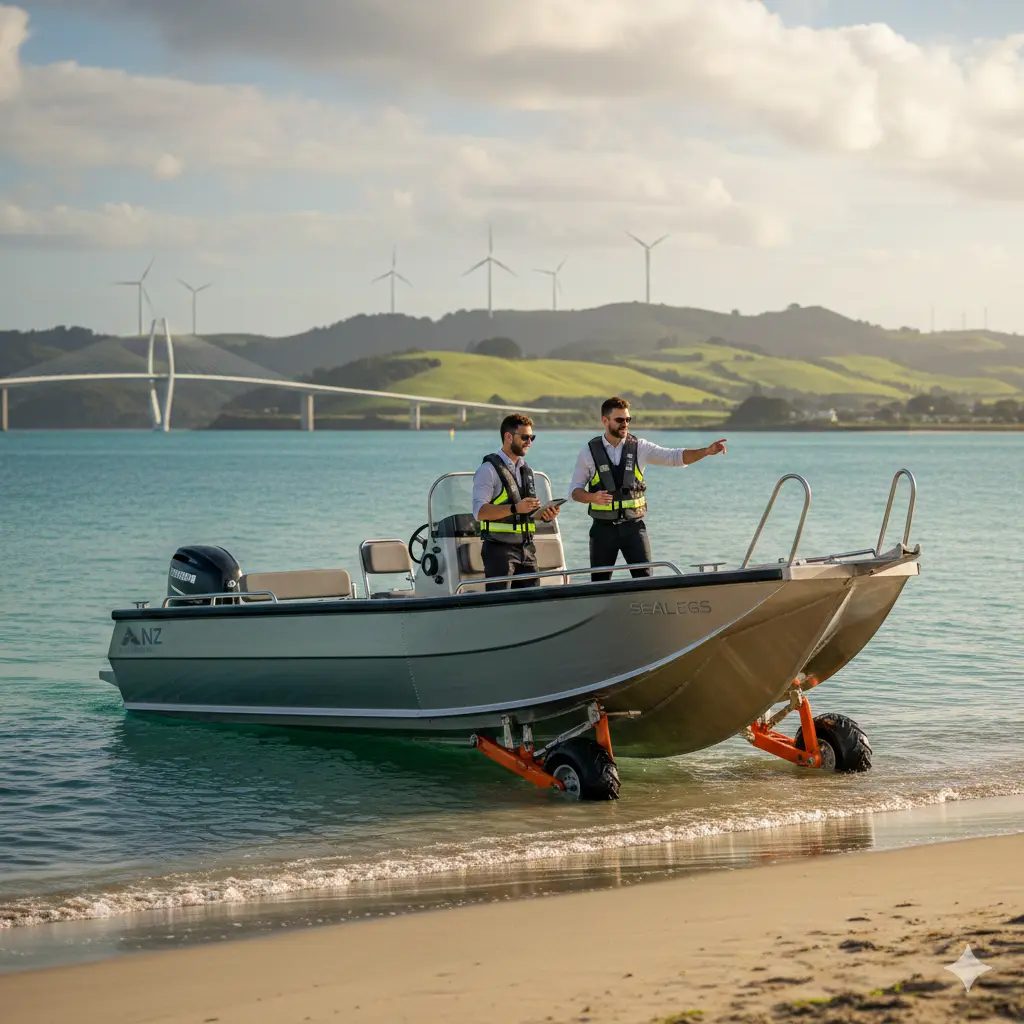
Kiwi Engineers Created the Sealegs Amphibious Boat
Introduction to Kiwi Innovation New Zealand has a long history of producing innovative and talented engineers who have made significant contributions to va